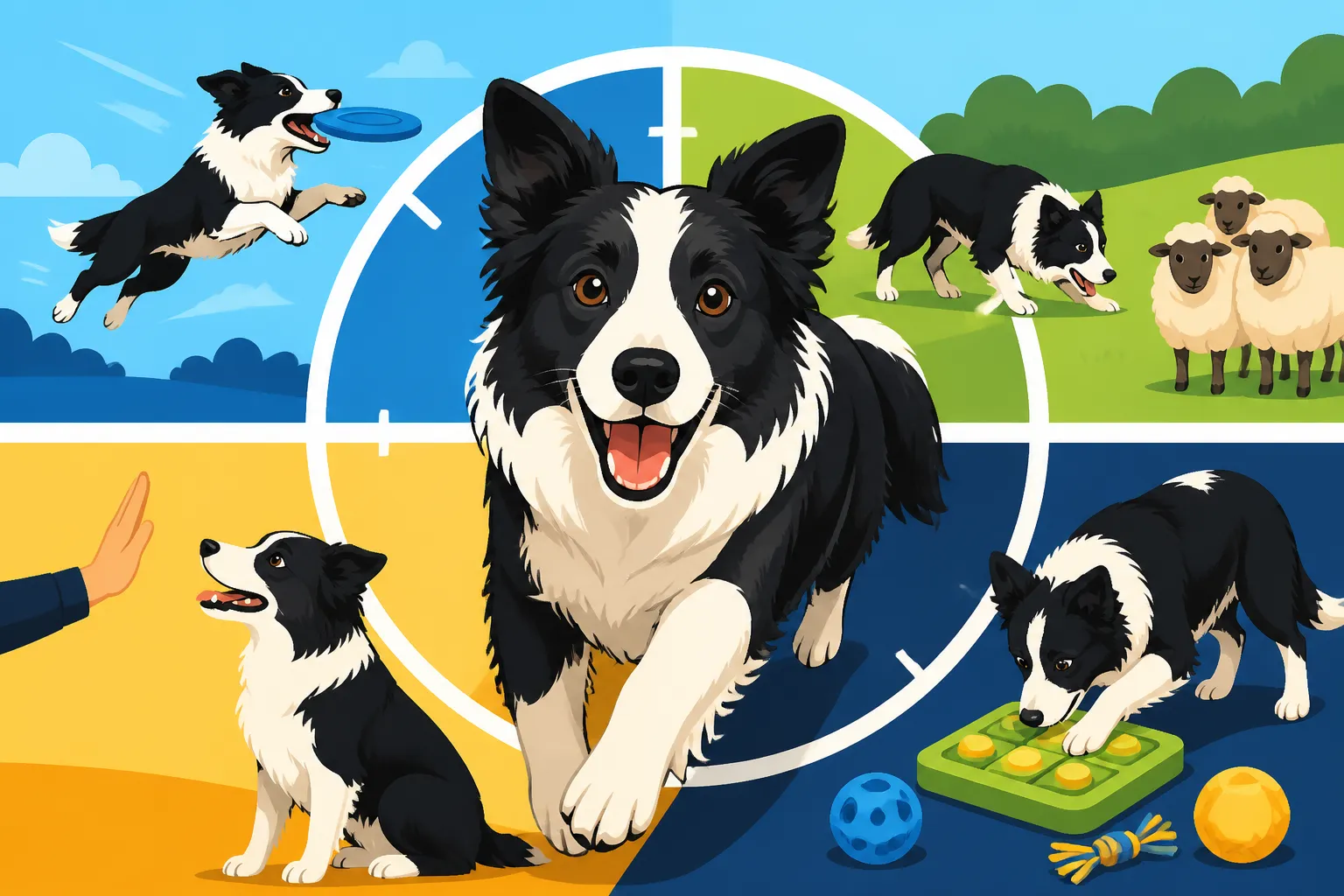
Two Hours of Work a Border Collie Needs Daily
One of the biggest misconceptions about Border Collies, and one that often leads to frustration for new owners, is the idea that they simply need to run for a couple of hours a day to be happy and well-behaved. The truth is, these incredibly intelligent and driven dogs require much more than just physical exercise; they need purposeful engagement for both their bodies and their brilliant minds. This guide will dive deep into what "work" truly means for a Border Collie and how to effectively integrate it into their daily lives to ensure a happy, well-adjusted companion.
Understanding the Border Collie's Innate Drive
Border Collies aren't just high-energy dogs; they are highly driven dogs, bred over centuries to think, problem-solve, and collaborate with a shepherd. This isn't just a physical trait; it's deeply ingrained in their psychological makeup.
More Than Just "Energy": The Working Mindset
When we talk about a Border Collie's "energy," it's easy to picture a dog that just wants to run zoomies in the yard or chase a ball relentlessly. While they certainly have ample physical stamina, their core need isn't merely to burn calories. It's to use their brains, to have a job, to apply their formidable intelligence to a task. They were developed to be autonomous problem-solvers on the vast, open hillsides, making complex decisions about sheep movement while taking subtle cues from their handler, sometimes hundreds of yards away.
This working mindset means they thrive on purpose. A Border Collie isn't content to just be; it wants to do. If you don't provide a constructive outlet for this drive, they will absolutely find their own "jobs," which often manifest as behaviors we find undesirable. Think of it like a highly intelligent person who is deeply bored with their office job – they might start micromanaging colleagues, stirring up drama, or finding complex ways to procrastinate, all because their mental capacity isn't being used effectively. For a Border Collie, that can look like obsessive behaviors, chasing things that shouldn't be chased, or simply being incredibly restless and demanding.
The Herding Instinct and Its Manifestations
At the heart of the Border Collie's working nature is the herding instinct. This isn't just about moving sheep; it's a complex set of behaviors including eye (the intense stare), stalking, crouching, driving, and gathering. Even in a pet home, these instincts will surface. You might find your Border Collie trying to "herd" your children, the cat, or even the vacuum cleaner. They might circle family members, block doorways, or try to keep everyone in one room. These aren't naughty behaviors; they are simply expressions of an innate drive that needs an appropriate outlet.
Understanding this is crucial because it helps shift your perspective. Instead of seeing a "naughty" dog, you see a dog trying to fulfill its genetic programming. This instinctual drive is why simply turning them out into a large yard isn't enough; they need structure, direction, and a job that taps into this intrinsic desire to control movement and gather. Why a Border Collie Crouches and Stares can offer more insight into this fascinating aspect of their behavior. Without a constructive outlet, this powerful instinct can become a source of frustration for both dog and owner.
Deconstructing the "Two Hours of Work" Myth
The idea that two hours of physical exercise is the magic bullet for a Border Collie is a widespread and often damaging misconception. It can lead to an exhausted owner and a still-hyper dog.
Quality Over Quantity: What "Work" Really Means
When we say "work" for a Border Collie, we're not just talking about physical exertion. We're talking about mental engagement, problem-solving, and utilizing their intelligence. Imagine trying to tire out a human chess master by making them run a marathon. They'd be physically exhausted, but their mind would still be buzzing, probably coming up with new chess strategies. A Border Collie is much the same. A solid 20-30 minutes of intense, focused training where they have to think, respond to cues, and solve puzzles can be far more draining and satisfying than an hour of mindless fetching.
This "work" can take many forms: obedience training, agility, scent work, trick training, or even specialized games designed to simulate herding tasks. The key is that the activity requires their active mental participation. They need to analyze, remember, anticipate, and make choices based on your commands and the environment. This mental effort engages their brains in the way they were designed, providing a deep sense of fulfillment that physical exercise alone cannot. For instance, teaching your Border Collie the names of their toys and having them retrieve specific ones – like Teaching a Border Collie the Names of Its Toys – is a fantastic example of high-quality mental work.
The Pitfalls of Pure Physical Exercise
Many well-meaning owners fall into the trap of trying to "run the energy out" of their Border Collie. They might spend hours throwing a ball, going for long runs, or even cycling with their dog. While these activities provide physical exercise, if they lack mental stimulation, they can actually be counterproductive. Firstly, Border Collies are athletes; they can easily build up incredible stamina. If you constantly push them to their physical limits without mental engagement, you're essentially building a canine Olympic athlete who is then bored and frustrated. You create a "fitter, not tired" dog. Why a Fitter Border Collie Needs More delves into this phenomenon.
Secondly, purely repetitive physical activities, like endless fetch, can sometimes encourage obsessive behaviors. A Border Collie might become fixated on the ball, unable to settle, constantly watching for it, or even developing anxiety around its presence. This isn't healthy "work"; it's an addiction. Furthermore, excessive impact exercise, especially in young, still-growing dogs, can put undue stress on their joints, potentially leading to issues like hip or elbow dysplasia later in life. It's a fine line to walk, and it emphasizes that mind work needs to be prioritized alongside appropriate physical activity.
Crafting a Balanced Daily Routine
Creating a fulfilling daily routine for a Border Collie isn't about packing every minute with intense activity, but rather about a thoughtful blend of mental challenges, structured physical exercise, and crucial downtime.
Incorporating Mental Stimulation and Training
This is arguably the most vital component of a Border Collie's day. Their brains are their superpower, and they need to use them.
- Dedicated Training Sessions: Aim for 2-3 short, focused training sessions (10-15 minutes each) throughout the day. These can cover basic obedience, advanced commands, trick training, or even learning new agility obstacles. Consistency is key here. Regular, structured learning keeps their minds sharp and reinforces your bond. Programs like those offered by BAXTER & Bella can be incredibly beneficial for guiding you through structured training sessions and progressive learning, ensuring you're always challenging your dog appropriately.
- Puzzle Toys and Interactive Feeders: These are fantastic for independent mental work. Instead of just putting food in a bowl, make your Border Collie earn it. Kongs, snuffle mats, and various puzzle feeders (easily found on Amazon) require them to think, manipulate, and problem-solve to get their kibble or treats. This can turn mealtime into a mental workout. Puzzle Feeders That Hold a Border Collie can provide some excellent options.
- Scent Work and Nose Games: Engaging their powerful sense of smell is incredibly tiring and satisfying for a Border Collie. Hide treats around the house or yard and encourage them to "find it." You can also get formal scent work kits or take classes. This builds confidence, focus, and is a low-impact way to burn mental energy. Many owners find Scentwork for a Border Collie Between Trial Seasons a great way to keep their dogs engaged even when high-impact sports are on hold.
Structured Physical Activity
While mental work is paramount, physical exercise is still essential for maintaining a Border Collie's physical health and stamina. The key is structured and varied activity, not just endless running.
- Controlled Runs/Hikes: Instead of just letting them sprint, take them on a hike where they have to navigate varied terrain, follow a trail, or practice recall in stimulating environments. Varying the location keeps it interesting and provides new smells and sights.
- Sport-Specific Training: If you're involved in dog sports like agility, flyball, or herding, dedicated training sessions are excellent. These activities combine physical exertion with complex mental tasks, making them ideal for a Border Collie. How Soon After Starting Work a Border Collie Collapses can be a valuable read for understanding how Border Collies manage intense physical exertion, especially in the context of working roles.
- "Brainy" Fetch/Frisbee: Even fetch can be more mentally stimulating. Incorporate commands like "wait," "left," "right," "over," or make them retrieve specific toys from a pile. The game becomes less about just chasing and more about listening and thinking. Always be mindful of joint health, especially with high-impact jumps.
The Importance of Downtime and Off-Switches
This is often overlooked, but teaching a Border Collie to relax and settle is just as important as teaching them to work. A dog that is constantly "on" will eventually become anxious and overstimulated.
- Crate Training: A comfortable, secure crate can be a sanctuary where your Border Collie learns to truly switch off. It provides a quiet, undisturbed space for rest.
- "Place" or "Mat" Training: Teach your dog to go to a designated mat or bed and stay there calmly, even amidst household activity. This teaches them to settle on cue and provides a mental break. Settling a Border Collie on a Mat offers detailed guidance on this invaluable skill.
- Scheduled Rest: Just like humans, dogs need naps! After an intense training session or a vigorous walk, encourage them to rest. This allows their bodies and minds to recover. This is especially important for dogs in working homes who spend The Eight Hours a Border Collie Spends Alone while their humans are out.
Practical Strategies for Busy Owners
Life gets busy, and it's not always easy to dedicate hours each day to a highly demanding dog. However, with some clever strategies, you can ensure your Border Collie's needs are met.
Utilizing Training Tools and Resources
Smart use of available tools and resources can make a huge difference in managing your Border Collie's mental and physical needs efficiently.
- Online Training Platforms: As mentioned, reputable online training programs can provide structure and new ideas when you're feeling stuck. Websites like BAXTER & Bella offer comprehensive modules for everything from puppy basics to advanced skills, often with video demonstrations and community support. This allows you to train on your own schedule and at your own pace.
- High-Quality Puzzle Toys and Dispensers: Invest in durable, engaging puzzle toys. Some automatically dispense food at set intervals or require complex manipulations, keeping your dog busy for longer periods. Look for options on Amazon with good reviews for durability and difficulty. These are invaluable for those times when you simply cannot be actively engaged with your dog for an hour.
- Dog Walkers/Daycare (with caution): For physical exercise, a reputable dog walker who understands the needs of high-energy breeds can be a lifesaver. If considering daycare, choose one that emphasizes structured play, mental enrichment, and provides plenty of appropriate outlets, rather than just a free-for-all. Some Border Collies might try to herd other dogs in daycare, so it's essential the facility understands this and provides appropriate supervision and activities.
Creative Solutions for Mental Engagement
Sometimes, it's about thinking outside the box to provide that crucial mental stimulation.
- Errand Buddy: Turn errands into training opportunities. If you're going to a pet-friendly store, practice loose-leash walking, "leave it" around distractions, or a "down-stay" while you browse. The changing environment provides novel experiences and mental challenges.
- Household "Jobs": Teach your Border Collie to help with chores! They can learn to "find" your keys, "bring" you a specific item, or even "put away" their toys in a basket. These small tasks add novelty and purpose to their day.
- "Choose Your Own Adventure" Walks: Instead of a routine route, let your dog lead you down different paths (within safe limits, of course). This engages their natural curiosity and scenting abilities, turning a mundane walk into an enriching exploration. Why Walking a Border Collie Is Not Enough clearly outlines why simply strolling won't cut it, but a "sniffari" can be a great alternative.
- Novelty and Variety: Border Collies thrive on learning new things. Don't let your routine become stagnant. Introduce new toys, new tricks, new walking routes, or new training challenges regularly. This keeps them engaged and prevents boredom.
Recognizing Signs of Under-Stimulation
A Border Collie that isn't getting its needs met will definitely let you know, often in ways that are frustrating or destructive for owners. Recognizing these signs early can help you adjust your routine before problems escalate.
Destructive Behaviors and Nuisance Barking
If your Border Collie is chewing furniture, digging craters in the yard, or systematically disemboweling every toy it owns, it's often a sign of boredom and pent-up energy, both physical and mental. They are seeking an outlet, and if you haven't provided a constructive one, they will find their own. A dog that is thoroughly "worked" both mentally and physically is more likely to settle down and chew on appropriate items, or simply nap. How Fast a Border Collie Goes Through Toys can be an unfortunate reality for owners of under-stimulated Border Collies.
Nuisance barking is another common symptom. A bored Border Collie might bark excessively at noises, shadows, passing cars, or just for attention. This isn't usually malicious; it's a cry for engagement. They are trying to create "work" for themselves, acting as an alarm system for anything and everything, or simply trying to instigate some activity. If your Border Collie is constantly barking at shadows or reflections, it might be heading down the road of obsessive behaviors, a topic further explored in The Border Collie That Chases Shadows and Light.
Obsessive and Anxious Tendencies
Border Collies are prone to developing obsessive-compulsive behaviors when under-stimulated or stressed. This can manifest as shadow chasing, light chasing, spinning, tail chasing, or even repetitive licking. These behaviors can be incredibly difficult to break once established and are a clear indicator that the dog's mental needs are not being met. They find a repetitive, self-rewarding "job" that becomes ingrained.
Furthermore, an under-stimulated Border Collie can become anxious. They might pace constantly, be unable to settle, or exhibit separation anxiety when left alone. This isn't just a matter of needing "more exercise"; it's a deep-seated mental frustration that needs intellectual engagement and a sense of purpose to resolve. For example, if your Border Collie is obsessively running the fence line every time a car passes, as discussed in The Border Collie That Runs the Fence at Traffic, it's a clear signal that their herding drive is being inappropriately channeled due to lack of suitable outlets. Addressing these issues requires a holistic approach that prioritizes mental work, structured training, and teaching relaxation skills.
Sample Daily Schedule for a Working Border Collie
Here's an example of how you might structure a day for your Border Collie, focusing on a balance of mental work, physical exercise, and rest. Remember, this is a template, and you'll need to adjust it to your specific dog's needs and your schedule.
| Time | Activity | Type of Work | Mental Engagement | Physical Exertion |
|---|---|---|---|---|
| 6:30 AM | Morning Relief & Short Leash Walk | Low | Low | Low |
| 7:00 AM | Breakfast in Puzzle Feeder | Mental | High | Low |
| 7:30 AM | 15-20 min Training Session (Obedience/Tricks) | Mental | High | Low-Medium |
| 8:00 AM | Supervised Free Play/Yard Time | Physical/Mental | Medium | Medium |
| 8:30 AM | Settle in Crate with Chew Toy | Rest/Mental | Low-Medium | Low |
| 12:00 PM | Midday Relief & 10 min Scent Work (Indoors) | Mental | High | Low |
| 12:30 PM | Quiet Time/Nap in Crate | Rest | Low | Low |
| 4:30 PM | Afternoon Hike/Structured Walk (45-60 min) | Physical/Mental | Medium-High | High |
| 5:30 PM | 15 min Agility/Trick Training (Optional) | Mental/Physical | High | Medium |
| 6:00 PM | Dinner in Snuffle Mat | Mental | High | Low |
| 6:30 PM | Calm Chew/Puzzle Toy | Mental/Rest | Medium | Low |
| 8:00 PM | Final Relief & Cuddle Time | Low | Low | Low |
| 8:30 PM | Bedtime (Crate or designated spot) | Rest | Low | Low |
This schedule doesn't demand "two hours of running" but rather integrates varied activities throughout the day that engage the Border Collie's full suite of talents. The periods of rest are just as important as the periods of activity for a balanced dog.
Conclusion
The idea that a Border Collie simply needs "two hours of work a day" is a vast oversimplification that often leaves owners feeling overwhelmed and their dogs still feeling restless. What these incredible dogs truly crave is purpose, mental engagement, and a balanced routine that addresses their innate drive to work and problem-solve. By focusing on quality over pure quantity, integrating consistent mental stimulation through training and puzzle games, providing structured physical exercise, and ensuring ample downtime to teach relaxation, you can build a truly fulfilling life for your Border Collie. It's about working smarter, not just harder, to nurture the intelligent, driven companion they are meant to be.
Disclaimer
This article is for general informational purposes only and does not constitute professional advice. Laws, prices and regulations vary by location and change over time. Consult a qualified professional for guidance on your specific situation.