How Soon After Starting Work a Border Collie Collapses
It’s a heart-stopping moment for any Border Collie owner: you’re out, your dog is doing what they love, perhaps chasing a ball or working sheep, and then, suddenly, they falter. One minute they’re a whirlwind of focused energy, the next their gait is wobbly, their hind legs collapsing. This terrifying experience, known as Border Collie Collapse (BCC), often leaves owners asking: how could this happen so quickly? This guide will delve into the rapid onset of BCC, exploring just how soon after starting work or intense activity an episode can strike, and what owners can do to recognize and manage this challenging condition.
Understanding Border Collie Collapse and Its Sudden Manifestation
Border Collie Collapse is a perplexing and often frightening condition that specifically affects Border Collies, though similar exercise-induced collapse syndromes exist in other breeds. Unlike simple fatigue or heat exhaustion, which gradually build up, BCC can strike with unnerving speed, sometimes within mere minutes of intense activity. This isn't just a dog getting tired; it's a neurological event that temporarily impacts muscle function and coordination.
The Neurological Basis of Rapid Onset
Many people assume that if a dog collapses, it must be because they've been working for hours in extreme heat. While overheating can certainly worsen an episode, it’s crucial to understand that Border Collie Collapse isn't primarily a heat-related illness. Instead, it's a genetic, exertional disorder. The exact mechanism is complex, involving disruptions in neurotransmitter function and energy metabolism in the brain during high-intensity exercise. This means the trigger isn't just about physical exhaustion; it's about the specific type of anaerobic exercise and the mental focus involved. Because of this neurological underpinning, the onset can be remarkably sudden. Your dog might be retrieving a ball for only five to ten minutes, or engaging in a short, intense burst of herding, when the first signs appear. This isn't a long, drawn-out process; it's a switch that flips, often without much warning.
Distinguishing BCC from Other Conditions
When your dog collapses so quickly, it’s natural to panic and assume the worst, perhaps even a seizure or severe heatstroke. However, there are key differences. While a collapsing Border Collie might appear disoriented, they typically remain conscious and aware of their surroundings, even if confused. Their muscles might be stiff or weak, and they'll struggle to move their hindquarters, but they generally don't lose consciousness or display the uncontrolled, full-body spasms characteristic of an epileptic seizure. If you’re ever unsure, it's critical to know the signs for Telling Border Collie Collapse From a Seizure as the immediate care can differ significantly. Heatstroke, while also a serious concern in active dogs, usually involves extreme panting, bright red gums, vomiting, and a very high body temperature, none of which are primary symptoms of BCC, although intense exercise in heat can certainly exacerbate a BCC episode. Understanding these distinctions is vital for providing the right immediate care.
The Rapid Onset of Collapse: When 'Soon' Means Minutes
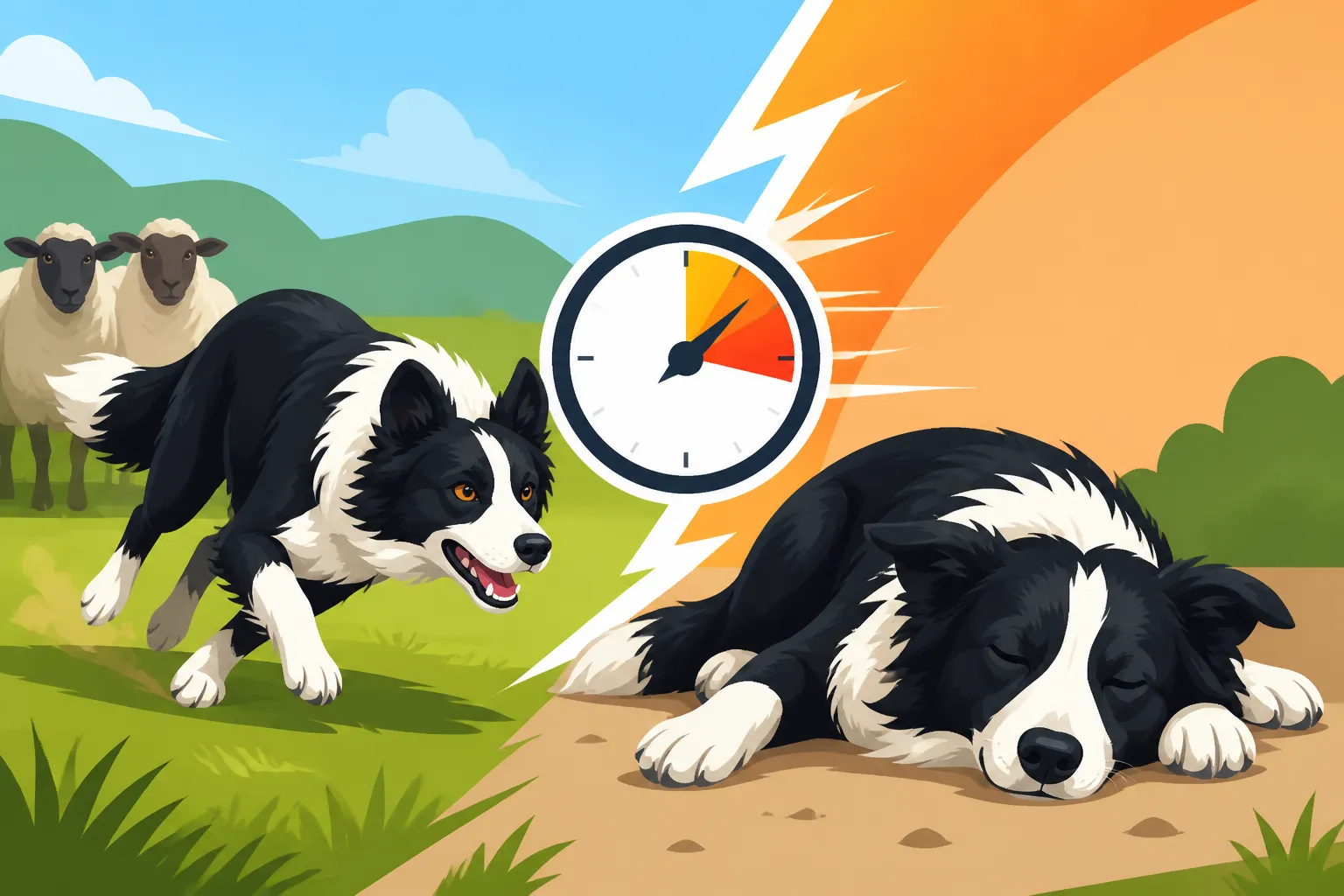
The most defining characteristic of Border Collie Collapse is the speed at which symptoms can manifest. Owners are often bewildered because their dogs haven't been working for extended periods, leading to confusion and self-blame. It's not about how long they've worked, but often about the intensity.
Common Scenarios for Early Collapse
Imagine a typical scenario: you're at the dog park, and your Border Collie, full of life, engages in a vigorous session of fetch. They might be sprinting full-out, stopping abruptly, and turning sharply to retrieve the ball. After just five to fifteen minutes of this kind of intense, high-drive activity, you might notice a subtle change. Their tail might drop, their gait might become uncoordinated, or their hind legs might start to drag. This isn't the slow fatigue of a long hike; it's a sudden loss of control. Similarly, in a herding context, a dog might be working sheep for only a short period, perhaps just one or two intense outruns and gathers, before showing signs of collapse. It's the high-arousal, short-burst, anaerobic nature of the work that seems to be the primary trigger. This is why it’s not uncommon to see Why a Border Collie Collapses Five Minutes In during trials or intense training sessions.
A useful way to visualize the difference between normal fatigue and the rapid onset of BCC is through a comparison table:
| Symptom / Condition | Typical Heat Exhaustion/Fatigue | Border Collie Collapse (BCC) |
|---|---|---|
| Onset Time | Gradual, after prolonged exercise (30+ mins) | Sudden, after 5-20 minutes of intense, high-arousal activity |
| Recovery Time | Varies, often hours, with slow improvement | Usually 5-30 minutes, often quite fast once activity stops |
| Consciousness | Generally alert but tired | Conscious, aware, but disoriented/confused |
| Gait | Slowing down, general fatigue, stumbling | Hindquarter weakness, wobbly gait, dragging feet, inability to stand |
| Muscle Tone | Relaxed, tired | Stiff, rigid, or weak and flaccid |
| Body Temperature | Elevated (often 103-106°F / 39-41°C) | Usually normal or mildly elevated (can be high if combined with heat) |
| Panting | Heavy, persistent | Present, but often less extreme than heatstroke |
| Mentation | Tired, wants to rest | Confused, vacant stare, unaware of commands initially |
Activities That Trigger Quick Onset
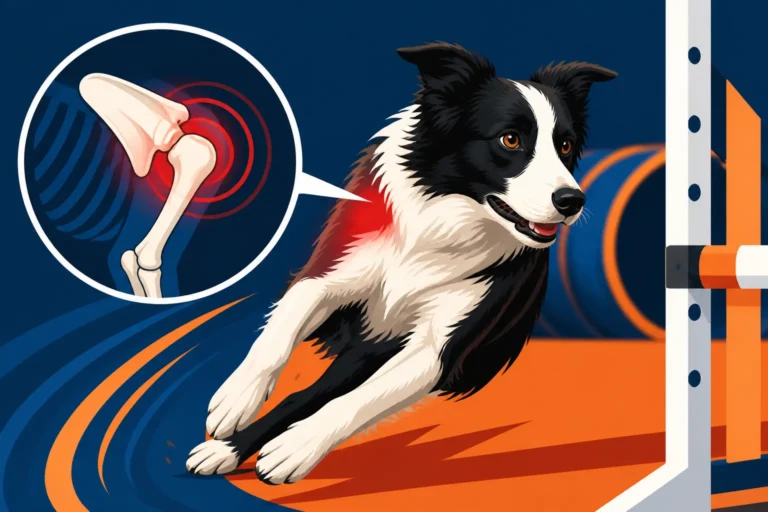
The types of activities most likely to trigger a rapid BCC episode share common characteristics: they are high-intensity, high-arousal, and involve significant mental focus. This includes things like competitive agility, flyball, intense ball fetching (especially repeated retrieves), sheep herding, or even highly stimulating training sessions where the dog is working at peak performance. For example, if your Border Collie is obsessed with frisbee and you throw it repeatedly, their body and mind are working overtime in short, explosive bursts. It's not the long, steady endurance of a hike or jog that typically triggers BCC, but rather the stop-and-go, adrenaline-fueled work. This is why preventing Repeated Ball Retrieving and Border Collie Collapse is a common recommendation for dogs known to be affected. Owners must be vigilant and understand that "work" for a Border Collie isn't just formal tasks, but any activity that demands intense physical and mental output.
Triggers Beyond Physical Exertion
While intense physical activity is the primary trigger for Border Collie Collapse, it's not always just the pure physical exertion that matters. Other factors can combine to bring on an episode even more quickly, making management a complex dance of understanding your individual dog.
The Role of Excitement and Arousal
It's a common observation among Border Collie owners that episodes can be brought on, or certainly worsened, by a dog's level of excitement or arousal. Even if the physical work itself isn't incredibly prolonged, the sheer mental intensity and adrenaline rush associated with an exciting activity can be enough to trigger a collapse. Imagine a dog at a sheepdog trial, bursting with anticipation, finally getting to work the stock. That surge of adrenaline and hyper-focus, combined with the physical demands, can be a potent recipe for a rapid onset BCC episode. This emotional component is why Excitement as a Trigger for Border Collie Collapse is so important to recognize. It's not always about pushing them too hard physically, but about managing their overall state of arousal, especially before and during activities they absolutely adore. For owners considering whether to keep their dog in work, understanding these nuances is crucial for Keeping a Border Collie With BCC in Work.
Environmental and Individual Sensitivities
Beyond excitement, other factors can subtly lower a Border Collie's threshold for collapse. While not the direct cause, things like ambient heat, humidity, and even the surface they're working on can play a role. A dog that might normally tolerate a certain level of activity on a cool, soft pasture might collapse faster on a hot, hard-packed dirt field. While it's important to remember Why Overheating Does Not Explain Border Collie Collapse as the primary cause, heat can undoubtedly make a dog more susceptible to an episode. Individual dogs also have varying thresholds; some might collapse after ten minutes, others after twenty, and some never at all, even with intense work. Genetic testing can help identify predisposed individuals. Factors like mild dehydration or electrolyte imbalances, while not direct causes, could theoretically contribute to a dog reaching their collapse threshold sooner. Pet insurance providers like Healthy Paws can offer peace of mind if your dog is diagnosed with a condition that requires ongoing vet visits, though it's always wise to check policy specifics regarding pre-existing conditions.
Managing and Mitigating Early Onset Episodes
Discovering your Border Collie is prone to rapid collapse is distressing, but there are proactive steps you can take to manage the condition and help your dog live a fulfilling life. The key is careful observation, understanding triggers, and thoughtful modification of their activity.
Immediate Steps During an Episode
If your Border Collie suddenly collapses during activity, the absolute first step is to stop all activity immediately. Move your dog to a cool, quiet, shaded area. Offer water, but don't force it. Observe them closely. Typically, most Border Collies will begin to recover fairly quickly once the activity stops, often within 5 to 30 minutes, though some may take longer. You'll often see them slowly regain coordination, though they might remain a bit wobbly or disoriented for a while. It’s important to monitor their breathing and gum color. If they are not recovering quickly, or if they show signs of extreme distress, seek veterinary attention. Documenting what the episode What a Border Collie Collapse Episode Looks Like and how quickly it occurred can be incredibly helpful for your vet. Many owners find having a dedicated pet health savings account or a robust pet insurance plan like Healthy Paws invaluable for these unexpected emergencies and diagnostic tests.
Proactive Prevention Strategies
Preventing BCC, especially rapid-onset episodes, revolves around careful management of exercise and arousal. The goal isn't necessarily to stop your Border Collie from working or playing entirely, but to adjust the type, duration, and intensity of their activities.
- Modify Exercise Protocols: Instead of long, sustained periods of high-intensity fetching, break it into shorter, less intense intervals. Incorporate more mental stimulation like scent work or trick training, which tires them without the same physical demand. Avoid prolonged, high-speed sprinting, especially in hot weather. Learn to recognize the subtle early signs of fatigue or impending collapse in your dog, such as a drop in tail carriage or a slight hitch in their gait.
- Manage Arousal Levels: For dogs highly prone to BCC, actively work on keeping their excitement levels lower before and during work. This might involve calm-down exercises, short breaks, or even using a slightly less stimulating toy. Understanding Border Collie Collapse and What Sets It Off in your individual dog is paramount.
- Cooling and Hydration: While not the cause, heat can exacerbate BCC. Always ensure your dog has access to fresh water and shade. Consider cooling vests or mats during warm weather sessions.
- Genetic Testing: If your dog hasn't been tested, consider running The Border Collie Genetic Panel and What It Screens. Identifying the genetic marker for BCC can confirm the diagnosis and help in making informed breeding decisions if applicable.
- Veterinary Consultation: Work closely with your veterinarian. They can help rule out other conditions and offer tailored advice. While there isn't a specific medication to prevent BCC, managing any underlying health issues or optimizing diet might be part of a holistic approach. When considering potential future health costs associated with any condition, including regular vet check-ups, having a comprehensive insurance policy such as offered by Healthy Paws can be a significant benefit.
By being informed, observant, and proactive, you can help your Border Collie navigate their condition, minimizing frightening episodes and ensuring they still get to enjoy the activities they love, albeit with some mindful modifications.
Disclaimer
This article is intended for informational purposes only and does not constitute professional veterinary advice. Always consult with a qualified veterinarian for any health concerns or before making any decisions related to your pet's health or treatment.