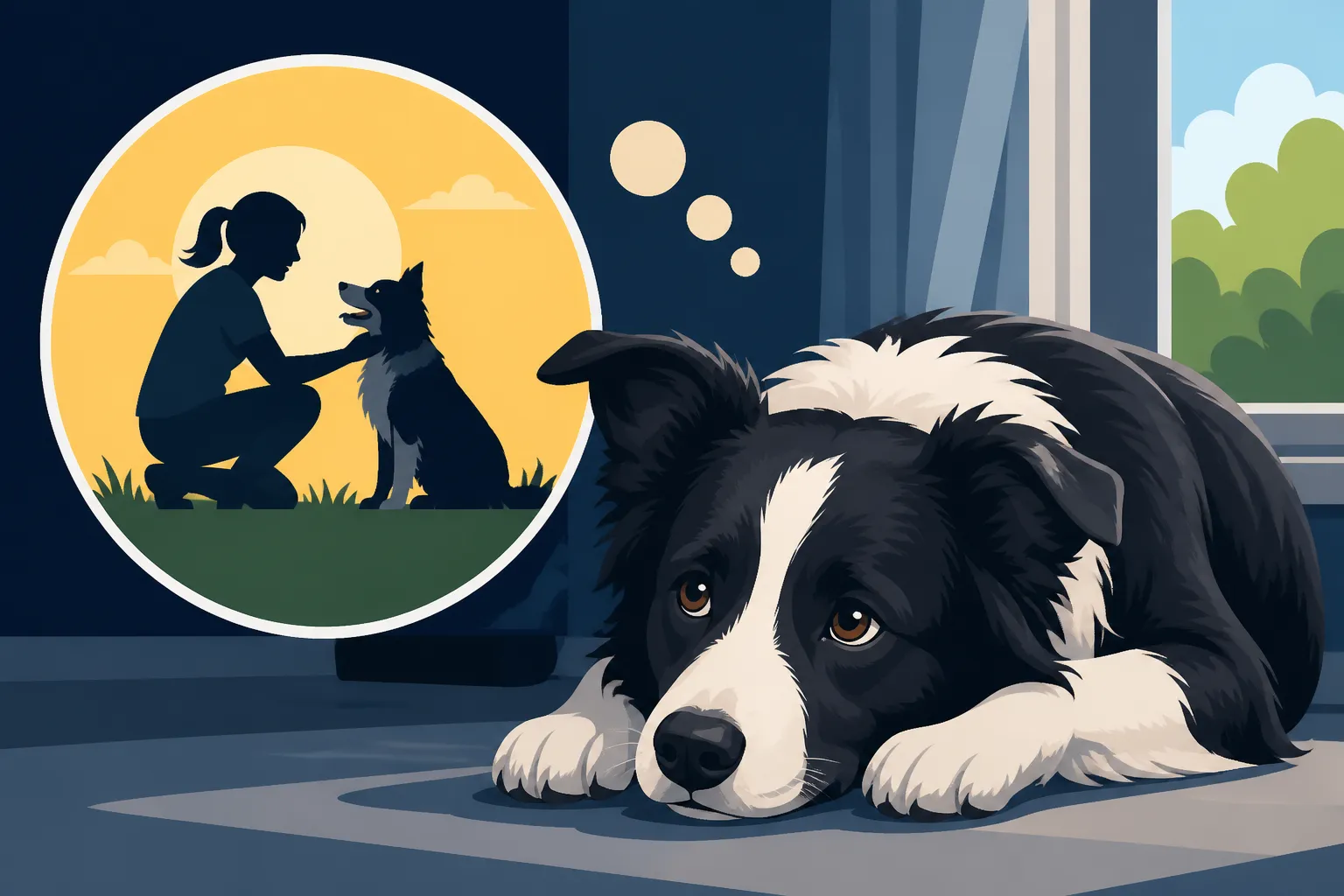
The Eight Hours a Border Collie Spends Alone
It’s a heart-wrenching moment for any Border Collie owner: looking into those intelligent, expectant eyes just before you walk out the door for a full workday. We all know these dogs thrive on activity and companionship, and the thought of leaving them for eight long hours can fill us with guilt and worry. This comprehensive guide is here to help you navigate the complexities of managing extended alone time for your Border Collie, offering practical strategies and a realistic perspective on how to keep them happy, healthy, and well-behaved while you’re away.
The Reality Check: Can a Border Collie Truly Be Left Alone for Eight Hours?
Let's be honest, the idea of a Border Collie happily napping for eight hours straight while you're at work is often a fantasy. These aren't your average couch potatoes; they were bred for intense, sustained work, demanding physical and mental engagement that most other breeds can only dream of. The challenge isn't just about can they be left alone, but how they cope and whether their needs are truly being met. Ignoring their fundamental nature for prolonged periods can lead to a host of behavioral issues that are frustrating for you and deeply unhappy for your dog.
Understanding Their Innate Drive
A Border Collie's drive isn't just about running around. It's a deep-seated need to do something, to solve problems, to herd, to engage their incredible minds. When you leave them alone for an extended period, especially eight hours, you're asking them to switch off this inherent programming. For many, this is like asking a human chess grandmaster to stare at a blank wall all day. Their minds are constantly seeking input, evaluating, and reacting. Without a constructive outlet, this powerful engine can easily shift into overdrive, creating destructive or anxious behaviors simply because their brains are desperate for an activity, any activity.
Think about a young Border Collie who has boundless energy and has only learned to use it for sheep work or agility. Suddenly, being confined to a house or yard with no purpose can feel incredibly disorienting. They might pace, bark, or start to find their own "work" – which often translates to chewing furniture legs, digging up the garden, or endlessly barking at squirrels outside the window. This isn't naughtiness; it's often a direct result of their breed-specific needs not being adequately addressed. We need to remember that these dogs are thinkers and workers first, and simply pets second, even in a companion home.
The Toll of Boredom and Isolation
Boredom isn't just a mild inconvenience for a Border Collie; it can be a significant stressor that manifests in various ways. Chronic boredom can lead to behavioral issues that are often misdiagnosed as purely "bad" behavior when, in reality, they are symptoms of an unmet need. A dog left alone for too long without adequate mental or physical stimulation might develop repetitive behaviors, like excessive licking, tail chasing, or even shadow chasing. Stopping a Border Collie Chasing Shadows and Light is a common problem rooted in this kind of unfulfilled mental energy. These behaviors can quickly become compulsive and incredibly difficult to break once established.
Beyond boredom, isolation can also breed anxiety. While some Border Collies are more independent, many thrive on companionship and routine. Being alone for eight hours, day after day, can erode their confidence and security. This might lead to classic signs of separation anxiety, such as destructive chewing, inappropriate urination or defecation, or persistent vocalization. It's a cry for help, a sign that they are genuinely distressed by your absence. It's crucial to distinguish between a dog who is simply enjoying a quiet nap and one who is suffering through your absence. Understanding these subtle cues is the first step toward effective management.
Setting the Stage: Preparing Your Home and Your Hound
If you absolutely must leave your Border Collie alone for eight hours, preparation is paramount. You can't just open the door and hope for the best. It requires a multi-faceted approach that addresses both their physical and mental needs before you even step out. A well-prepared environment and a pre-exhausted dog are your best defense against unwanted behaviors and canine distress. It’s all about setting them up for success, not just crossing your fingers.
Creating a Safe and Engaging Environment
First things first, your home needs to be a fortress of solitude and safety. This means "Border Collie-proofing" any area they'll have access to. If you choose to crate train, ensure the crate is appropriately sized, comfortable, and a positive space. For those given free-roam, remove anything valuable or potentially dangerous that could be chewed, knocked over, or ingested. This includes electrical cords, shoes, remote controls, and even certain houseplants. Remember, a bored Border Collie is an inventive Border Collie.
Beyond safety, the environment needs to offer some form of self-directed engagement. This doesn't mean leaving out a dozen toys, as many dogs will quickly lose interest. Instead, focus on things that require effort and thought. Think about placing a sturdy chew toy in a different spot each day or rotating puzzle feeders to keep things novel. Some owners use indoor agility tunnels or soft hurdles as safe ways for their dogs to burn a little nervous energy, supervised by a camera if necessary. It's about providing opportunities for appropriate engagement without overwhelming them.
Physical Exercise Before You Leave
This is non-negotiable for a Border Collie. An eight-hour stretch alone is far more manageable if they've already had a significant physical outlet. A quick walk around the block simply isn't going to cut it. We're talking about a solid hour, if not more, of vigorous activity. This could be a long off-leash run in a secure area, a session of fetch where they really stretch their legs, or a focused training session that burns both body and mind. Why Walking a Border Collie Is Not Enough is a common revelation for new owners. The goal is to send them into their alone time feeling physically satisfied and ready for a good, deep rest.
Consider your routine: could you wake up an hour earlier to take them to a dog park or a large field? Could you incorporate a bike ride with your dog running alongside, ensuring they're properly conditioned for it? The sheer amount of ground a Border Collie can cover is astounding, and tapping into that before you leave for work will make a world of difference. A dog that has genuinely exerted itself physically is far more likely to settle down and sleep through a good portion of your absence than one buzzing with untapped energy. This pre-work exercise is not just about tiring them out, but about fulfilling their primal need for movement and purpose.
Mental Marathon: Enriching Their Alone Time
Physical exercise is vital, but for a Border Collie, mental stimulation is equally, if not more, important. Their minds are constantly whirring, and if left without a task, they will invent one – often to your furniture's detriment. Providing thoughtful enrichment during your absence can turn potentially destructive hours into periods of contented problem-solving and rest. Think of it as giving them a job to do, even when you're not there.
Interactive Toys and Food Puzzles
This is where your arsenal of interactive toys comes into play. Forget the squeaky plush toys that are destroyed in minutes. You need durable, mentally challenging items. Kongs stuffed with frozen peanut butter, plain yogurt, or canned pumpkin are classics for a reason; they can keep a dog engaged for a surprisingly long time. Look for puzzle feeders that require your Border Collie to manipulate parts to get kibble or treats out. There's a wide range available on platforms like Amazon, from beginner level wobblers to more advanced puzzles that involve sliding panels or lifting pieces. Regularly rotating these toys and puzzles keeps them novel and engaging.
Some fantastic options include treat-dispensing balls that require rolling to release food, or snuffle mats where they have to use their nose to find hidden kibble. These types of activities tap into their natural foraging instincts and give their brain a workout. The key is to make it challenging enough to hold their interest but not so difficult that they become frustrated and give up. A dog that successfully solves a puzzle experiences a sense of accomplishment, which contributes to overall well-being. This kind of focused mental activity can be incredibly tiring for a Border Collie, often more so than a simple walk. Puzzle Feeders That Hold a Border Collie can be an absolute lifesaver.
Scent Work and Calm Chews
Scent work is a fantastic way to engage a Border Collie's powerful nose and mind, even when they're alone. Before you leave, you can hide small, high-value treats around a safe, designated area of the house. Start easy, then gradually increase the difficulty by using more challenging hiding spots. This encourages them to use their natural scenting abilities, providing a rewarding and calming activity. Many dogs find scent work incredibly satisfying and it can genuinely tire them out without requiring physical exertion. This is not about frantic searching; it's about focused, deliberate sniffing, which is surprisingly draining for a dog's brain.
Beyond puzzles, providing long-lasting, safe chews is another excellent strategy. These could be bully sticks, dental chews, or durable Nylabones. Always choose chews appropriate for your dog's size and chewing style, and supervise them with new types of chews initially to ensure they are safe. Chewing is a natural, stress-relieving behavior for dogs, and providing an appropriate outlet can prevent them from turning their attention to your baseboards or furniture. The act of chewing releases endorphins, making it a calming and self-soothing activity that can help them relax during your absence.
| Activity Type | Description | Engagement Level | Benefit |
|---|---|---|---|
| Kongs/Stuffables | Hollow rubber toys filled with treats (e.g., peanut butter, yogurt) and often frozen for longer duration. | High | Sustained mental effort, chewing outlet, satisfying |
| Puzzle Feeders | Devices requiring manipulation (sliding, lifting, pushing) to release food. Varied difficulty levels. | High | Problem-solving, mental fatigue, discourages fast eating |
| Scent Games | Hiding treats around the house for the dog to find using their nose. | Medium to High | Taps natural instincts, mentally tiring, builds confidence |
| Long-Lasting Chews | Durable chews like bully sticks, dental chews, or safe rawhides. | Medium | Stress relief, dental health, self-soothing |
| Lick Mats | Mats with textured surfaces where spreadable treats (e.g., yogurt, pureed fruit) are licked off. | Medium | Calming, self-soothing, good for mild anxiety |
Building Resilience: Training for Independence
Leaving a Border Collie alone for eight hours isn't just about managing the environment; it's also about proactively training them to be confident and calm in your absence. This isn't about breaking their bond with you, but rather building their emotional resilience so they can cope gracefully when you're not around. It's a foundational aspect of responsible Border Collie ownership, regardless of how long you intend to leave them.
Crate Training and Designated "Quiet" Spaces
For many Border Collies, a crate isn't a punishment but a sanctuary. When introduced properly, a crate becomes their den, a safe and secure space where they can relax without feeling the need to patrol the house or worry about every creak and groan. If your Border Collie is comfortable in a crate, it can be an invaluable tool for managing alone time. It prevents destructive behavior, keeps them safe, and can help them feel more secure. Ensure the crate is large enough for them to stand, turn around, and lie down comfortably, and always include soft bedding and access to water. You can even combine crate time with a stuffed Kong to create a positive association.
Even if you don't use a crate, establishing a "quiet place" or "settle mat" is incredibly beneficial. This is a specific bed or mat where your Border Collie learns to relax on cue. Training them to Settling a Border Collie on a Mat can be a game-changer for encouraging calm behavior not just when you're away, but also when you're home. Practice having them stay on their mat for increasing durations while you move around the house, eventually leaving the room for short periods. This teaches them that your absence is temporary and that their job is to relax in their designated spot. The ultimate goal is to foster a sense of security and self-control, reducing the anxiety often associated with being left alone.
Gradual Departure Training and Desensitization
This is perhaps the most crucial aspect of training for independence, especially if your Border Collie shows any signs of anxiety when you leave. You can't simply leave for eight hours cold turkey. You need to gradually desensitize them to your departure cues and slowly increase the time you're away. Start by performing your departure routine (grabbing keys, putting on coat) but don't leave. Repeat this until they barely react. Then, leave for just a minute, return calmly, and offer no big greeting if they are quiet. Gradually increase this time – five minutes, ten minutes, thirty minutes, an hour.
During these practice departures, ensure your Border Collie has an appropriate distraction, like a stuffed Kong or a favorite chew. The idea is for them to associate your departure with a positive, engaging activity. Avoid making a big fuss when you leave or return; this can inadvertently heighten their anxiety. A casual "be back soon" and a calm return reinforce that your absence is no big deal. If your Border Collie struggles with separation, consider enrolling in an online training program like BAXTER & Bella, which often provides structured guidance on separation anxiety and building canine confidence. This gradual approach builds trust and teaches them that your departure is predictable and that you will come back.
Troubleshooting: When Alone Time Becomes a Problem
Despite all your best efforts, sometimes leaving a Border Collie alone for eight hours simply doesn't work out. It's not a reflection of your failure as an owner, but rather a sign that your dog's individual needs or temperament might require a different approach. Recognizing the signs of distress early is key to intervening effectively and preventing problems from escalating.
Recognizing Signs of Separation Anxiety or Destructive Behavior
It's important to understand the difference between a dog that's merely bored and one that's genuinely suffering from separation anxiety. Boredom might lead to selective chewing (e.g., only your shoes, not the furniture), barking at external stimuli, or digging in the yard. While these are problems, they often respond well to increased exercise, mental enrichment, and minor training adjustments.
Separation anxiety, on the other hand, is a panic response. Signs often include:
- Persistent vocalization: Barking, howling, or whining that starts shortly after you leave and continues for extended periods.
- Destructive behavior: Especially around exit points like doors and windows, or destroying objects with strong owner scent (e.g., clothes, bedding).
- Inappropriate elimination: Urinating or defecating indoors, even if house-trained, which is not due to an underlying medical issue.
- Pacing or trembling: Visible signs of distress captured by a pet camera.
- Excessive drooling or panting: Even when the temperature is normal.
- Self-harm: Like The Border Collie That Chews Itself When Bored, this can be severe, leading to hot spots or open wounds.
If you suspect separation anxiety, installing a pet camera (many options available on Amazon) can provide invaluable insight into what your Border Collie does while you're gone. This objective data helps you understand the severity and triggers, allowing for a more targeted intervention.
Seeking Professional Guidance and Support
If your Border Collie is exhibiting severe signs of distress or if the behavioral issues are persistent and resistant to your training efforts, it's time to call in the professionals. A certified professional dog trainer (CPDT-KA) or a veterinary behaviorist can help diagnose the root cause of the problem and develop a tailored management and modification plan. They can differentiate between true separation anxiety and other behavioral issues that might mimic it, such as barrier frustration or unfulfilled exercise needs.
A behaviorist might recommend a combination of behavior modification techniques, environmental management, and, in some severe cases, medication to help reduce anxiety while the underlying training takes hold. They can guide you through advanced desensitization and counter-conditioning protocols that are difficult to implement alone. Sometimes, a completely different approach to alone time is needed, such as arranging for a dog walker, utilizing doggy daycare, or exploring options like having a trusted friend or family member visit during the day. Remember, your Border Collie isn't being "stubborn" or "difficult"; they're communicating a need that isn't being met, and professional help can provide the tools and understanding to meet it. A Border Collie in a Nine-to-Five Household often requires outside-the-box thinking and professional support.
Alternative Solutions for the Working Border Collie Owner
For many Border Collie owners with full-time jobs, simply leaving their dog alone for eight hours, even with extensive preparation, isn't a sustainable or humane solution. Thankfully, there are several viable alternatives that can bridge the gap and ensure your high-energy, high-intelligence companion remains happy and fulfilled.
Doggy Daycare and Pet Sitters
One of the most popular and effective solutions for Border Collies in a 9-to-5 household is doggy daycare. A good daycare facility provides a structured environment where your dog can socialize with other dogs, engage in supervised play, and receive mental stimulation from staff. This breaks up the long day, burns off energy, and provides much-needed companionship. When choosing a daycare, look for one that understands the needs of high-drive breeds, offers plenty of outdoor time, and has experienced staff who can manage play groups safely. Not all daycares are created equal, and some highly stimulating environments might even over-tire a sensitive Border Collie, so do your research.
If daycare isn't an option, or if your Border Collie prefers a quieter, one-on-one experience, a professional pet sitter or dog walker is an excellent alternative. A dog walker can come to your home mid-day to take your dog for a vigorous walk, a play session, or even a short training burst. This provides a crucial physical and potty break, and some human interaction. A pet sitter can offer more extended companionship and even overnight stays if you travel. Services like Wag! and Rover connect owners with vetted pet care providers, though always ensure you meet and interview any potential sitter or walker thoroughly to ensure they understand the unique needs of a Border Collie.
Flexible Work Arrangements and Shared Care
In today's evolving work landscape, more employers are offering flexible work arrangements that can be a game-changer for Border Collie owners. If possible, consider discussing options like working from home for part of the week, condensed workweeks (e.g., four ten-hour days), or staggered hours with your employer. Even coming home for a quick lunch break to let your dog out for a run and a potty break can significantly improve their well-being. This might require some negotiation, but the benefit to your dog and your peace of mind can be immense.
Another approach, particularly for those with partners or family members, is shared care. Can you and your partner stagger your work schedules so that one of you is home during part of the day? Do you have a trusted neighbor, friend, or family member who might be willing to stop by for a short visit or let your dog out? Building a community of support around your Border Collie can alleviate the pressure of an eight-hour alone stretch. Even if it's just for two days a week, breaking up that routine can make a significant difference.
Creating a Sustainable Routine for Your Border Collie
Ultimately, successfully managing a Border Collie's alone time, especially an eight-hour stint, comes down to creating a sustainable, consistent routine that prioritizes their unique needs. It's a continuous balancing act, and what works for one Border Collie might not work for another. The goal is to set them up for success, minimize stress, and ensure they are thriving, not just surviving.
The Importance of Consistency and Predictability
Border Collies are creatures of habit and thrive on routine. A predictable schedule helps them understand what to expect, reducing anxiety and uncertainty. Try to keep their pre-departure exercise, feeding times, and departure rituals consistent every workday. If they know that after their morning run and puzzle feeder, you leave, but you always come back before their evening walk, they will adapt to that rhythm. Any changes to this routine should be introduced gradually to avoid upsetting their sense of security.
This consistency extends to your behavior as well. Avoid dramatic goodbyes or overly enthusiastic greetings. Keep departures and arrivals calm and low-key. This communicates that your leaving and returning are normal, everyday events, not emotional high-points that trigger excitement or anxiety. A consistent, calm demeanor from you will instill confidence in your Border Collie and help them feel secure in your absence. Whether a Border Collie Ever Gets Tired is a common question, and a consistent routine that balances work and rest is key to helping them self-regulate.
Monitoring and Adjusting Your Approach
Managing a Border Collie that spends eight hours alone is not a one-time fix; it's an ongoing process of observation and adjustment. Regularly monitor your dog's behavior, both when you're home and when you're away (using a pet camera if possible). Are they still exhibiting unwanted behaviors? Are they sleeping soundly, or are they pacing and stressed? Pay attention to their physical condition too – are they maintaining a healthy weight and energy level?
Be prepared to make adjustments as your Border Collie ages, or if their needs change. A young puppy might not be able to hold their bladder for eight hours, while an older dog might have different exercise requirements. If you notice persistent issues, revisit your strategies. Could they benefit from more intense morning exercise? Are their puzzle toys still challenging enough? Is it time to explore a dog walker or daycare? Owning a Border Collie means being proactive and adaptable. Their happiness and well-being are a continuous conversation, and your willingness to listen and adjust will ensure a long, fulfilling life together.
Disclaimer
This article is for general informational purposes only and does not constitute professional advice. Laws, prices and regulations vary by location and change over time. Consult a qualified professional for guidance on your specific situation.