Whether a Border Collie Puppy Should Meet Sheep
Bringing a Border Collie puppy home is an exhilarating experience, often filled with dreams of that intelligent, eager dog fulfilling its natural potential. For many, that dream involves sheep, but the question of when or even if a young Border Collie should meet livestock is a real head-scratcher. It’s a common frustration to see a tiny fluffball show flashes of herding instinct, then wonder if holding them back will dull that spark, or if introducing them too early will create bad habits that are almost impossible to break. This guide will walk you through the nuances of introducing your Border Collie puppy to sheep, helping you make informed decisions that respect their development and future potential, whether as a working dog or a well-adjusted companion.
Understanding the Border Collie Instinct
The Border Collie is a breed steeped in history, purpose-bred over centuries to work sheep. This isn't just a fun hobby for them; it's often an intrinsic part of who they are, woven into their very DNA. So, it’s completely natural to wonder how to tap into that incredible herding instinct with your fuzzy little land shark. But here's the thing: "instinct" doesn't automatically mean "trained." There's a world of difference between a puppy chasing things that move, and a dog thoughtfully gathering and controlling stock with precision and respect.
Many new owners see their puppy "herding" the cat, the kids, or even stray leaves in the yard, and think, "Aha! They're ready for sheep!" While those behaviors are certainly indicators of a strong prey drive and herding potential, they aren't necessarily good herding behaviors. A Border Collie puppy’s raw instinct, if left unchecked or improperly guided, can quickly turn into undesirable habits. They might chase too hard, nip, grip, or simply panic the stock, making them ineffective and potentially dangerous. The deep, intense focus, often called The Border Collie Stare and Where It Comes From, needs careful nurturing, not just unleashed. Proper introduction is about channeling that drive, not just activating it.
The Risks of Premature or Unstructured Exposure
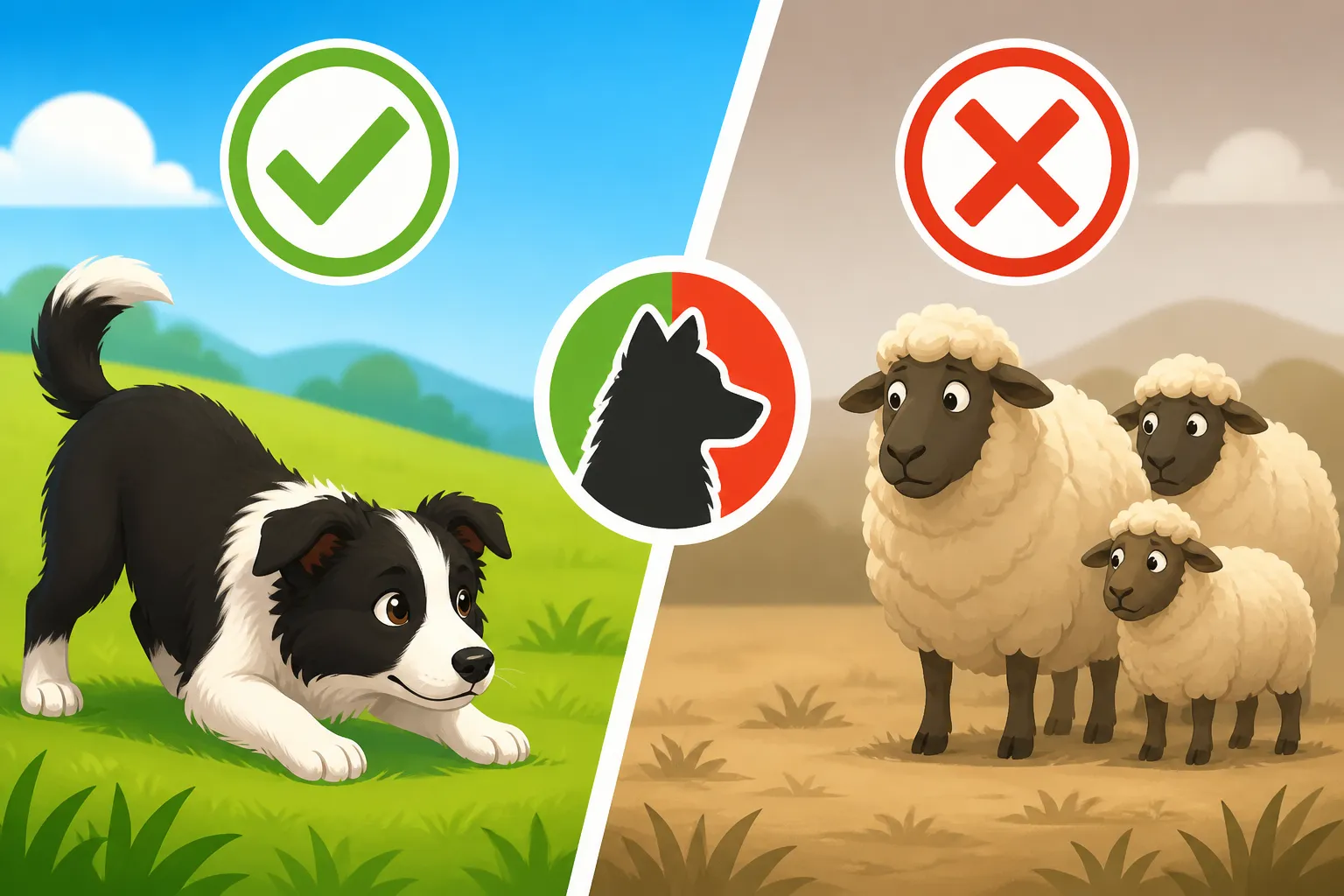
It’s easy to think that the sooner a puppy meets sheep, the better they'll be, but this can be a huge misconception. Introducing a Border Collie puppy to sheep too early, or in an uncontrolled environment, carries significant risks, not just for the puppy but for the sheep themselves. Imagine a tiny, enthusiastic whirlwind let loose in a paddock of unsuspecting sheep. What might seem cute at first can quickly escalate.
Firstly, a young puppy, particularly under six months old, might not have the physical maturity or coordination to handle the movements of sheep safely. They could get trampled, kicked, or simply overwhelmed. Their bones and joints are still developing, making them vulnerable to injury from rough terrain or sudden, sharp movements. Beyond physical risks, there's the very real danger of them learning incorrect behaviors. A puppy that's allowed to just run in and chase sheep without guidance might develop a hard mouth (gripping), become too frantic, or learn to ignore commands because the thrill of the chase is simply too overpowering. These bad habits, once ingrained, are incredibly difficult to correct and can effectively ruin a dog's potential as a working stockdog. Sheep are not toys; they are live animals that can be stressed, injured, or even killed by an untrained dog. Allowing a puppy to harass sheep can teach the puppy disrespect for livestock, making future training exponentially harder. This is why careful planning is paramount.
Benefits of a Controlled Instinct Test and Structured Introduction
Instead of throwing your puppy into the deep end, a controlled instinct test with an experienced stockdog trainer is often the best approach. These tests, typically conducted around 6-12 months of age, aren't about immediately turning your dog into a champion herder. They're about safely assessing and gently awakening the natural herding instinct in a controlled environment. The goal is to see if your dog has "the eye," the balance, and the natural desire to gather and move stock, rather than just chase them.
During an instinct test, a trainer will typically use a small, calm group of sheep (often older ewes or wethers who are "dog broke" and won't panic easily) in a small, secure pen. The puppy is introduced to the sheep on a long line or in a confined space, with the trainer observing their natural reactions. They're looking for signs like:
- Interest in the sheep, but not frantic terror or aggression.
- A natural desire to move around the sheep, rather than straight through them.
- A "pushing" instinct, where the puppy tries to keep the sheep together.
- The characteristic Border Collie stare, indicating focus.
This controlled environment ensures the safety of both the puppy and the sheep. The trainer can gently guide the puppy, stopping any undesirable behaviors before they become habits, and encouraging the natural, desirable ones. This initial experience should be positive, short, and leave the puppy wanting more, rather than stressed or confused. It's a foundational step, a discovery, not an intensive training session. This is really The First Time a Border Collie Meets Sheep in a way that sets them up for success.
| Feature | Unstructured Early Exposure | Controlled Instinct Test (with experienced trainer) |
|---|---|---|
| Age | Often too young (under 6 months) | Typically 6-12 months, based on maturity |
| Environment | Large, uncontrolled pasture; stressed or wild stock | Small, secure pen; calm, dog-broke sheep |
| Supervision | Minimal; owner with limited knowledge of stock work | Expert trainer with deep understanding of dog and stock |
| Learning Outcome | High risk of bad habits (chasing, gripping, spooking) | Assessment of natural instinct; gentle encouragement of good behaviors |
| Safety | High risk of injury to puppy or sheep | Minimized risk for both puppy and sheep |
| Future Potential | Can damage a dog's working potential irrevocably | Lays a solid foundation for future stock training |
| Goal | Satisfy curiosity or hope for instant herding | Evaluate inherent ability and guide proper development |
Timing and Developmental Considerations for Herding
So, if not immediately, when is the right time? There's no one-size-fits-all answer, as every Border Collie puppy develops at its own pace, both physically and mentally. However, generally speaking, most experienced trainers recommend waiting until a puppy is at least six months old, with many preferring to wait until closer to 9-12 months for formal introduction to stock. This allows time for crucial physical and mental development.
Physically, a puppy needs time for its growth plates to close and its musculoskeletal system to mature. Herding is a demanding physical activity, involving quick turns, sudden stops, and sustained running. Introducing such strenuous activity too early can contribute to joint issues later in life.
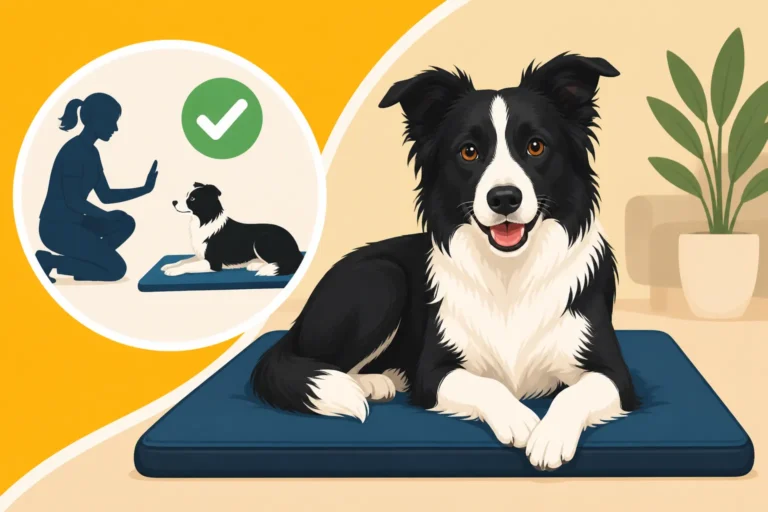
Mentally, a Border Collie puppy needs a solid foundation in basic obedience before being introduced to the intense environment of sheep. They need to understand and reliably respond to commands like "sit," "stay," "come," and "down," even under distraction. Imagine trying to teach your dog to "lie down" at a distance when their brain is screaming "CHASE!" at a moving flock. It's a recipe for frustration. Basic obedience is your remote control, and you absolutely need it to guide their instinct. BAXTER & Bella offers fantastic online puppy training programs that can help build this crucial foundation, ensuring your puppy understands core commands before you add the complexity of livestock. A solid recall, in particular, is non-negotiable when working around livestock. You want your dog to be attentive to you, not just the sheep, even when highly stimulated. Why a Border Collie Is Taught to Lie Down First is a good example of how foundational commands build critical control.
For many working lines, the true "herding brain" really starts to click around eight to twelve months. Before that, while the instinct might be present, it's often more chaotic and less refined. This is also why many stockdog trials have nursery classes for dogs under a certain age, acknowledging that even talented young dogs are still learning the ropes. When you do decide your dog is ready, seeking out a reputable stockdog trainer or clinic is paramount. They can provide a safe, structured environment and expert guidance, ensuring your Border Collie's first experiences with sheep are positive and productive. This careful consideration ultimately leads to a more balanced, controllable, and effective working dog, or a pet who understands its boundaries around animals. This is a far better approach than just hoping for the best.
What if My Border Collie Isn't Destined for Sheep?
Here's the honest truth: not every Border Collie needs to herd sheep to be happy and fulfilled. For many pet owners, especially those living in urban or suburban environments, access to sheep and a skilled trainer is simply not practical or even desired. And that is perfectly okay! Your Border Collie can still live an incredibly rich and stimulating life without ever setting a paw in a sheep pasture.
The key is to channel their intelligence, drive, and energy into appropriate outlets. Think of all the amazing dog sports and activities available:
- Agility: This sport is a fantastic way to engage their body and mind, requiring speed, focus, and intricate teamwork with you.
- Obedience and Rally: Precision obedience work can be incredibly satisfying for a Border Collie, as they thrive on learning and mastering commands.
- Scent Work/Nose Work: Border Collies have incredible noses, and searching for specific scents can be deeply fulfilling and mentally exhausting for them.
- Disc Dog or Flyball: These high-energy sports appeal to their speed and athleticism.
- Canine Freestyle/Trick Training: Their intelligence makes them superstars at learning complex tricks and routines. You can find excellent resources, from books to online courses, on Amazon for these activities.
The most important thing is that your Border Collie gets consistent, engaging mental and physical exercise every single day. This could mean long, structured walks with challenging obedience interspersed, puzzle toys that truly make them think, or vigorous play sessions with appropriate toys. Remember that Exercise, Work and What Actually Settles a Border Collie isn't just about physical exertion; it's about mental engagement. Many owners find that "big-ball herding games" with giant, inflatable exercise balls can satisfy a mild herding instinct in a safe, sheep-free way. The takeaway here is to respect their natural drives but adapt them to your lifestyle, ensuring your Border Collie is a happy, well-adjusted member of your family, whether they're moving sheep or mastering a new trick. As discussed in Whether a Pet Border Collie Should Learn to Herd, it's about responsible management and fulfillment, not just raw instinct.
Disclaimer
This article is for general informational purposes only and does not constitute professional advice. Laws, prices and regulations vary by location and change over time. Consult a qualified professional for guidance on your specific situation.