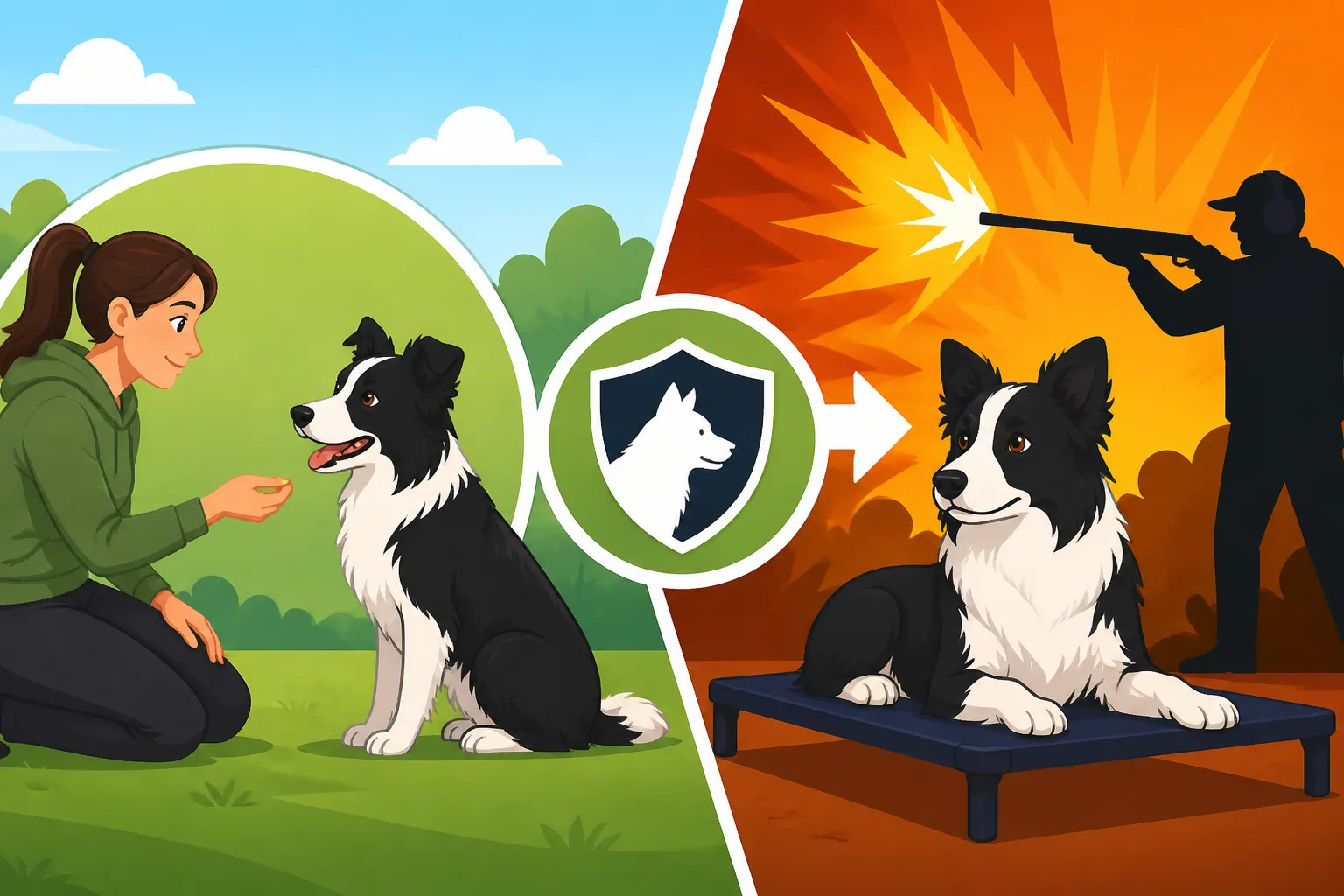
Desensitizing a Border Collie to Gunfire
Many Border Collie owners find themselves in a tough spot when their incredibly intelligent and sensitive dog reacts poorly to loud, sudden noises, especially gunfire. Whether you live near a shooting range, enjoy hunting, or just want your dog to be confident around unexpected loud sounds, dealing with this can be incredibly frustrating and even heartbreaking. This guide will walk you through a realistic, step-by-step process for desensitizing your Border Collie to gunfire, helping them build confidence and calm in a noisy world.
Understanding Why Gunfire Rattles a Border Collie So Deeply
It’s easy to feel like your Border Collie is being overly dramatic when a distant gunshot sends them into a panic, but there’s often a very good reason for their intense reaction. These dogs are finely tuned, intelligent creatures, and their genetics and experiences can make them particularly susceptible to noise phobias. It's not about being "stubborn" or "misbehaving"; it's a genuine fear response.
High Drive and Innate Sensitivity
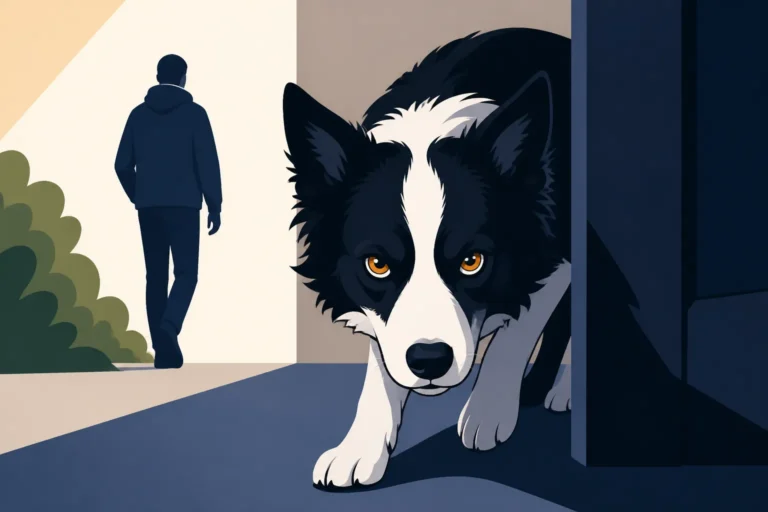
Border Collies are renowned for their incredible drive, intelligence, and hyper-awareness of their environment. These traits, which make them exceptional working dogs and partners, also mean they can be incredibly sensitive to stimuli that other breeds might barely notice. A sudden, loud bang like a gunshot isn't just a sound to them; it's a jarring, unpredictable event that their highly alert system perceives as a potential threat. Their keen hearing, combined with their propensity to analyze and react to every detail, can make them prime candidates for developing Noise Fear in a Border Collie. It's a double-edged sword: the very qualities we admire can also lead to significant anxieties.
Think about it from their perspective: they’re constantly scanning, processing, and responding. Imagine suddenly having a loud, unexpected explosion near you without warning or context. For a dog that thrives on predictability and control within its working environment, this lack of control can be genuinely terrifying. This isn't a flaw in their character; it's a byproduct of their extraordinary sensory abilities and genetic wiring, making them more prone to Whether Border Collies Are More Noise-Sensitive than many other breeds.
Learned Associations and Traumatic Experiences
While some sensitivity might be innate, a Border Collie’s fear of gunfire often develops or worsens due to learned associations. Perhaps a loud bang coincided with another scary event, like being startled, feeling unwell, or even just being alone and vulnerable. A single negative experience can imprint deeply on such an intelligent dog. For instance, a young dog might have been exposed to fireworks or a distant hunting rifle while unsupervised or undergoing stress, and that initial fright quickly generalizes to all similar sounds.
Even if they haven't had a directly traumatic experience, the absence of positive experiences with loud noises can contribute. A puppy raised in a quiet home with no exposure to loud sounds might simply not have the neural pathways to cope when an unexpected noise occurs. This is why early, careful socialization to a variety of sounds in a positive context is so crucial. If a Border Collie is expected to work near firearms, or live in an area where hunting is common, purposeful desensitization is far better than hoping they'll just "get over it."
Setting the Stage for Successful Desensitization
Before you even think about introducing the sound of gunfire, you need to create the right environment and gather the necessary tools. This isn't a quick fix or a one-and-done training session; it's a gradual, patient process that requires thought and preparation. Rushing it will only set your Border Collie back and potentially deepen their fear.
Creating a Safe, Controlled Environment
The absolute foundation of desensitization is ensuring your Border Collie feels completely safe and secure. This means choosing a quiet space where you can control all other variables. Your home, a specific room, or even a quiet corner of your yard can work, as long as it’s free from distractions and potential triggers. The goal is to isolate the sound of gunfire as the only variable you are introducing, so your dog isn't simultaneously worried about strangers, other dogs, or new environments.
Think about your dog's personal sanctuary. Do they have a crate they love? A special bed in a quiet room? This is the place to start. Make sure your dog is comfortable, perhaps even a little sleepy or relaxed, before beginning. Avoid doing this when they are already stressed, overly energetic, or hungry, as these states can heighten anxiety. A calm dog is a receptive dog. Remember, if your Border Collie typically hides from noise, this "safe space" needs to be one they choose to be in, not one they're forced into.
Gathering Your Tools and Resources
You'll need a few key items to make this process effective and manageable. Don't underestimate the importance of quality equipment here.
- Sound Recordings: This is crucial. You need clear, realistic recordings of gunshots, varying in type (rifle, shotgun, pistol, etc.) if possible. There are many sound effect libraries online, or you might find specific "gunfire desensitization" tracks designed for dogs. Ensure the sound quality is good, not tinny or distorted, as this can confuse or alarm your dog further. You can often find excellent options on platforms like Amazon, from simple MP3s to specialized sound machines.
- High-Value Treats or Toys: This is your currency for positive association. What does your Border Collie love more than anything? Cheese? Cooked chicken? A specific squeaky toy they go wild for? Whatever it is, have plenty on hand. The higher the value, the stronger the positive association you can build.
- A Sound System: A good quality speaker system is vital. You need to be able to play the sounds at a very low volume initially and gradually increase it without distortion. A phone speaker might be too small and tinny; investing in a decent Bluetooth speaker or even your home stereo system will yield much better results.
- Your Patience and Calm Demeanor: This isn't a physical tool, but it's perhaps the most important. Your Border Collie will pick up on your emotional state. If you are anxious, frustrated, or stressed, they will be too. Approach each session with a calm, positive, and patient attitude. If you're having a bad day, it’s better to postpone.
Baseline Assessment: Understanding Your Dog's Current Reaction
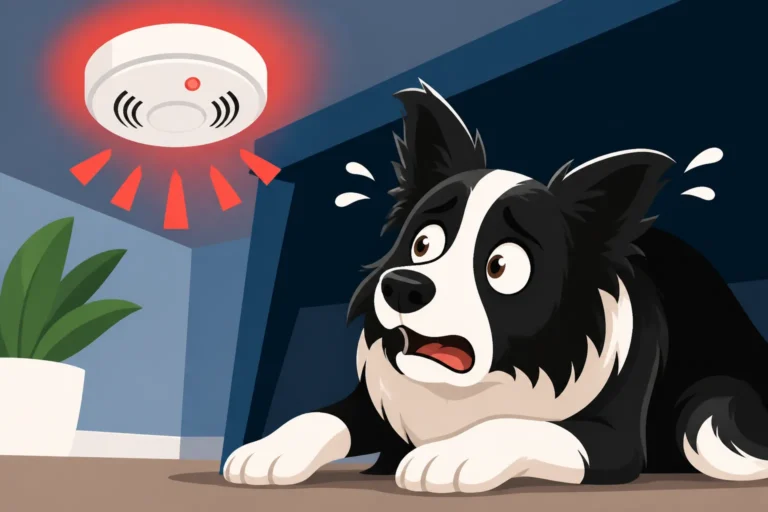
Before you start playing any sounds, observe your Border Collie's current reactions to other loud, sudden noises. Do they flinch at a dropped pan? Bolt under the bed during a thunderstorm? Show signs of stress during A Border Collie Hiding From Fireworks? Understanding their current baseline helps you gauge how far away to start and how quickly you can progress.
A helpful way to document this is to keep a journal. Note down:
- Triggers: What specific sounds (e.g., thunder, car backfiring, distant construction noise) cause a reaction?
- Intensity of Reaction: Mild startle, panting, pacing, hiding, trembling, trying to escape?
- Duration of Reaction: How long does it take for them to settle down?
- Your Response: How did you react, and did it help or hinder?
| Reaction Level | Description | Starting Point for Desensitization |
|---|---|---|
| Mild Startle | A slight twitch of ears, perhaps a brief glance. Recovers quickly. | Very low volume, moderate distance. |
| Moderate Anxiety | Pacing, panting, mild trembling, seeking reassurance. Takes a few minutes to settle. | Barely audible volume, significant distance. |
| Severe Phobia | Hiding, vocalizing, inconsolable panic, elimination issues, trying to escape. | Extremely low volume, extreme distance, perhaps even muffled sound. |
This assessment isn't just for knowing where to start; it also helps you recognize progress and when you might need to take a step back during the actual desensitization process. It's a key part of effective behavior modification.
The Step-by-Step Desensitization Protocol
Now that you're prepared, it's time to actually begin the process. Remember, slow and steady is the mantra here. This is about building positive associations, not overcoming fear through brute force exposure. Never push your Border Collie past their comfort zone.
Starting with Low-Intensity Sounds
The cardinal rule of desensitization is to start at a level where your Border Collie does not react negatively. This usually means playing the recorded gunfire sounds at an almost imperceptible volume, potentially in another room or even outside the house, far away from your dog. The idea is for them to hear it, but not be alarmed by it. It should be background noise, barely there.
For instance, you might set up your speaker in the furthest room in your house, with the door closed, and play a very short burst of gunfire sound at the absolute lowest volume setting. You should barely be able to hear it yourself. Your dog, meanwhile, should be engaged in something enjoyable – perhaps a chew toy, a puzzle feeder, or a calm petting session with you. The moment the sound plays, if they don't react negatively, immediately reward them with your high-value treat or praise. The key is that the sound itself becomes a predictor of good things. This is a form of classical conditioning, slowly changing their emotional response.
Pairing with Positive Experiences
This is where the magic happens. Every single time the sound plays at a non-threatening level, something wonderful must happen for your Border Collie. This creates a positive conditioned emotional response. Instead of "gunshot equals scary," we want "gunshot equals delicious treats and happy times."
Here’s how you might implement this:
- Play the sound (very low volume).
- Immediately give a high-value treat. A small piece of boiled chicken or a smear of peanut butter might be perfect.
- Repeat this several times in a short session (5-10 minutes).
- Stop the session before your dog shows any signs of stress or boredom. Always end on a high note.
Consistency is key. Do these short, positive sessions daily, or even twice a day, until your dog shows zero reaction to the current volume level and actively anticipates the treat when the sound plays. You might notice them looking at you with expectation when they hear the sound – that’s a win! For dogs that are engaged with a specific activity, like a session with a BAXTER & Bella online training program, you can integrate these low-level sounds into the background of their normal training, associating the sound with the positive reinforcement they're already getting.
Gradual Increase in Volume and Proximity
Only when your Border Collie is consistently relaxed and happy at the current sound level should you very slowly increase the intensity. This could mean:
- Slightly increasing the volume. We're talking one notch at a time, barely noticeable.
- Moving the speaker slightly closer. A few feet at a time, not across the room.
- Increasing the duration of the sound. From a single pop to a short volley.
Observe your dog constantly. Look for subtle signs of stress: a stiffening of the body, yawning when not tired, lip licking, ears flattening, a slight change in breathing, or a dilated pupil. If you see any of these, you’ve gone too far, too fast. This means you need to immediately dial back to the previous, comfortable level. This is not a race. It might take days or even weeks to make a seemingly small jump in volume or proximity.
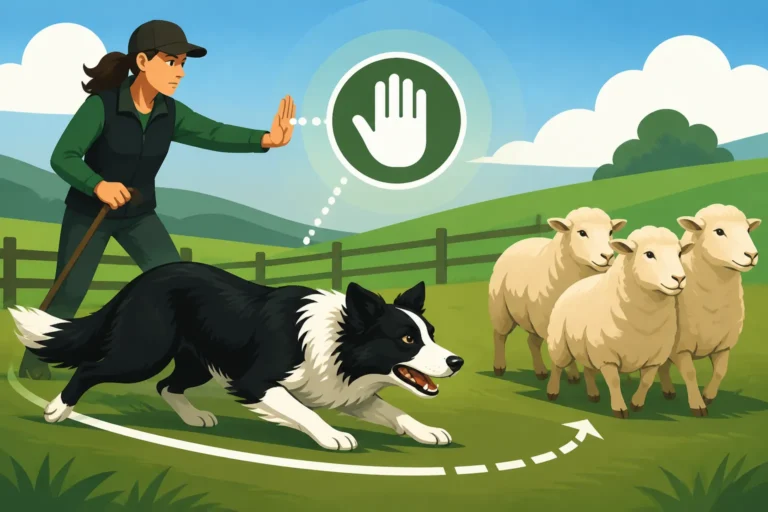
It's tempting to push, especially when you see good progress, but patience is paramount for such a sensitive breed. Each step should solidify the positive association. If you're also working on other aspects of their behavior or training, such as The First Time a Border Collie Meets Sheep, remember that any training introducing new, potentially stimulating environments should be done separately and carefully, not concurrently with intense desensitization.
Introducing Real-World Scenarios (Safely)
Once your Border Collie is completely comfortable with the recorded sounds at various volumes within your controlled environment, you can very carefully start to introduce more realistic scenarios. This must be done with extreme caution and only if you have control over the actual sound source. For most pet owners, this will involve simulating real-world conditions with your recordings rather than actual live gunfire.
Examples of simulation might include:
- Playing the recorded sounds outside while your dog is playing in the yard.
- Playing the sounds from a moving vehicle while your dog is comfortably crated inside.
- Having a trusted friend play the sound from a distance while you are engaging your dog in a game or training session.
Crucially, never expose your dog to unexpected, uncontrolled live gunfire without proper preparation. This means knowing precisely when and where the sound will occur, and having the ability to control its intensity and duration. If you hunt or live near a shooting range, you might start with incredibly distant, faint real sounds, again pairing them with incredibly high-value rewards. Always ensure you are well within legal and safety parameters for any actual firearms use.
When to Take a Step Back
There will inevitably be days when your Border Collie seems less tolerant, or a slight increase in volume causes a flicker of fear. This is normal! Do not get discouraged or frustrated. It simply means you've found their current threshold.
When this happens, immediately revert to the previous step where they were completely comfortable. Spend a few more sessions at that easier level, rebuilding their confidence before attempting to progress again. Sometimes, a dog might even regress a bit if they have an unrelated stressful experience. That’s okay. The key is to be flexible and responsive to your dog's needs, rather than sticking rigidly to a plan. Pushing through fear will only exacerbate it and make your job harder in the long run.
Long-Term Management and Continued Support
Desensitization isn't a magical cure that means your Border Collie will never react to a loud noise again. It's about building resilience and changing their emotional response. Long-term success requires ongoing management and a commitment to maintaining their comfort.
Maintaining Progress with Regular Practice
Just like any skill, desensitization requires maintenance. Don't stop practicing once your Border Collie seems comfortable. Regularly incorporate low-level gunfire sounds into your routine. This doesn't mean daily intense sessions; it could be playing a recording softly in the background once a week while they eat dinner or play with a favorite toy. This reinforces the positive association and keeps their resilience up.
Vary the context and location if possible. If you always practice in the living room, try it in the kitchen or outdoors (always safely and controlled). This helps your Border Collie generalize their newfound calm to different environments. The goal is for the sound to become irrelevant or even mildly pleasant, a signal for something good. This proactive approach helps prevent relapse and strengthens their overall coping mechanisms.
Calming Aids and Professional Help
Sometimes, desensitization alone isn't enough, especially for deeply ingrained phobias. This is where other tools and professional guidance can be invaluable.
- Calming Aids: Consider using calming pheromone diffusers, compression wraps like a Thundershirt, or even specific calming supplements. Many of these are available on Amazon. While these won't cure the fear, they can help lower overall anxiety, making your Border Collie more receptive to desensitization training. For serious cases, talk to your veterinarian about Medication for a Sound-Phobic Border Collie. Sometimes, short-term anxiety medication can help break the cycle of panic, allowing the desensitization training to be more effective.
- Professional Trainers: If you're struggling, don't hesitate to seek help from a qualified professional. A certified professional dog trainer or a veterinary behaviorist can assess your Border Collie's specific needs, develop a tailored plan, and guide you through the process. They can spot subtle signs of stress you might miss and offer strategies unique to your dog. They can also provide support for Sound Sensitivity in a Working Border Collie which can be complex to manage given the high-stress environments working dogs often encounter. Some online platforms like BAXTER & Bella offer comprehensive training courses that might include modules on desensitization, providing structured guidance you can follow from home.
Life Beyond Gunfire: General Noise Sensitivity
Remember that gunfire is just one specific type of loud noise. If your Border Collie is sensitive to gunfire, they might also be prone to fear of other loud, sudden sounds like fireworks, thunder, or even the vacuum cleaner. The principles of desensitization and counter-conditioning you've learned here can be applied to other sound sensitivities.
By tackling gunfire fear, you're not just solving one problem; you're teaching your Border Collie valuable coping skills and building their overall confidence in a noisy world. This journey takes time, patience, and a deep understanding of your incredible dog, but the reward of a calmer, happier companion is absolutely worth every effort.
Disclaimer
This article is for general informational purposes only and does not constitute professional advice. Laws, prices and regulations vary by location and change over time. Consult a qualified professional for guidance on your specific situation.