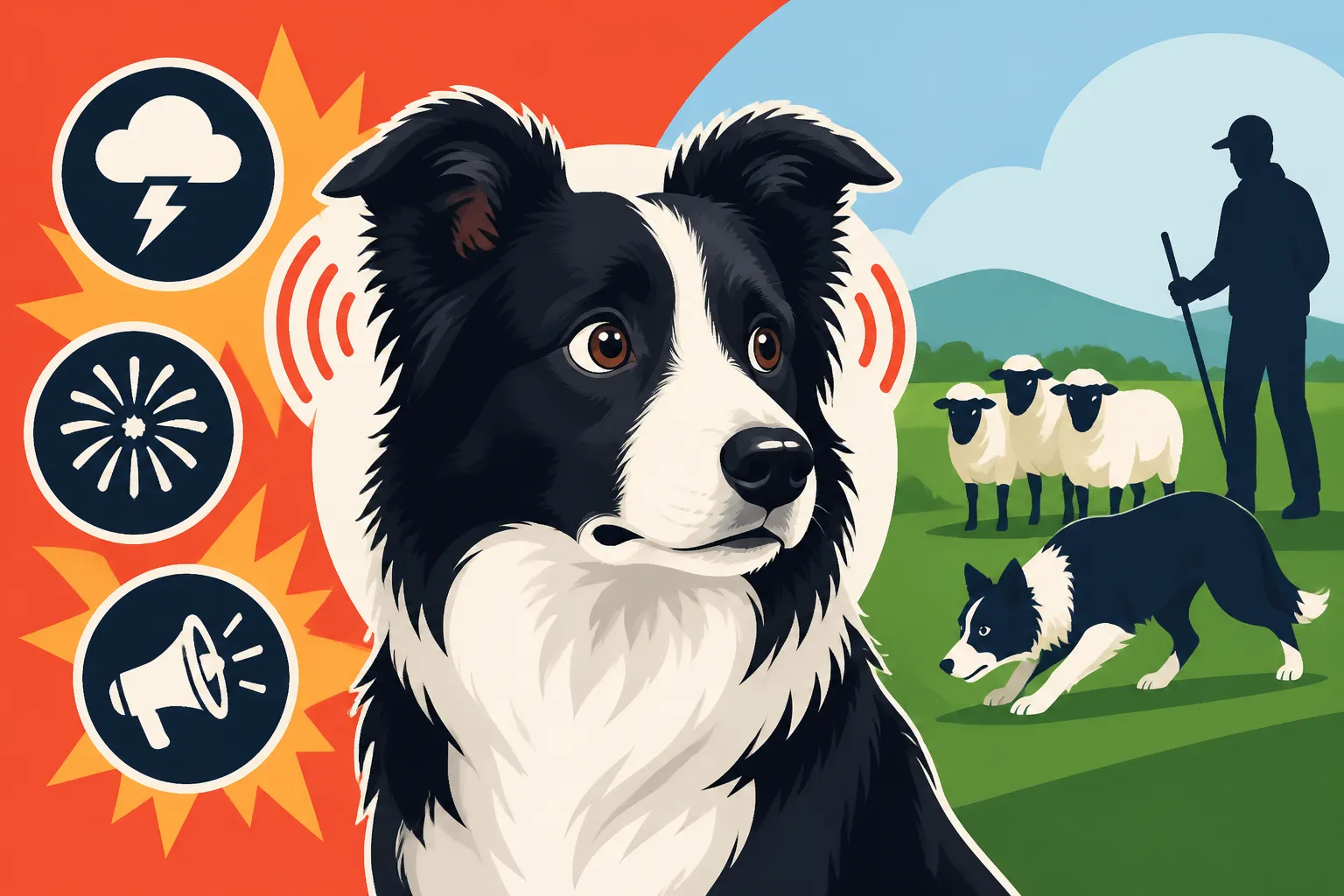
Sound Sensitivity in a Working Border Collie
It's incredibly frustrating, isn't it? You get a Border Collie, a dog renowned for its intelligence, resilience, and unwavering focus, especially in a working capacity, and then you discover they're terrified of something as common as a distant clap of thunder or the backfire of a tractor. It feels completely at odds with their strong, capable nature. This guide is here to help you navigate the tricky waters of sound sensitivity in your working Border Collie, offering insights into why it happens, how to spot it, and practical strategies to help your dog cope and thrive, even amidst the noises of a busy life.
The Unexpected Challenge of Sound Sensitivity in a Working Border Collie
When you envision a working Border Collie, you picture a dog that's unflappable, focused, and utterly devoted to its task. These are dogs bred for centuries to operate in all sorts of weather, around livestock, and in environments that are often far from quiet. So, to find your intelligent, driven partner cowering or panicking at a sudden noise can be truly baffling and disheartening. It's a disconnect that many owners struggle to reconcile.
What Exactly is Sound Sensitivity?
Sound sensitivity, or noise phobia, isn't just a dog being startled by a loud bang. It's an intense, often irrational, fear response to specific sounds or categories of sounds. For a Border Collie, this can manifest as anything from a subtle flinch and heightened awareness to full-blown panic attacks, complete with frantic attempts to escape, destructive behavior, or even aggression. It’s a profound internal struggle that goes beyond simple dislike or discomfort; it’s a genuine fear response that can hijack their ability to think, learn, and perform.
Imagine trying to concentrate on a complex task while convinced a monster is lurking just around the corner. That's a bit like what a sound-sensitive dog experiences. Their survival instincts kick into overdrive, making it impossible for them to engage with training or work, let alone relax. It's a common misconception that they're being "naughty" or "stubborn"; in reality, they are genuinely distressed.
Why it's So Counterintuitive for a Working Dog
The very essence of a working Border Collie involves a certain level of robustness. They navigate fields, negotiate livestock, and often work alongside machinery or in busy environments. We expect them to handle the rough and tumble, the unexpected shouts, the bleating sheep, and the clanking gates. Their ancestors worked in some of the most challenging conditions imaginable, often far from the quiet of a suburban home. The Border Country That Produced the Border Collie was not a silent place.
Therefore, when a dog from such a lineage displays an extreme reaction to noise, it can feel like a betrayal of their breed's heritage. Owners might feel confused, frustrated, or even guilty, wondering if they've done something wrong. The truth is, genetics can play a significant role, as can early experiences, or even underlying health issues. A dog's individual temperament, even within a strong working line, can vary. A dog might excel at intricate tasks, demonstrating incredible problem-solving skills, yet crumble when faced with an unexpected loud noise. This isn't a flaw in their working drive but rather a separate, deeply rooted physiological response that requires understanding and patience.
The Spectrum of Fear Responses
Sound sensitivity isn't a one-size-fits-all condition; it exists on a spectrum. At one end, you might have a dog that just becomes a bit "sticky" or hesitant when a specific sound occurs, maybe dropping its tail or flicking its ears. They might pause their work for a moment, look around, then tentatively resume. This is often the easiest to manage, catching it early before it escalates.
In the middle, you'll see more pronounced anxiety: pacing, panting, whining, seeking comfort, or trying to hide. These dogs are clearly uncomfortable and will often shut down from work or training if the trigger persists. They might chew inappropriately or vocalize loudly, desperate to make the scary noise stop.
At the severe end of the spectrum are full-blown phobic reactions: uncontrollable trembling, salivation, urination or defecation, frantic attempts to escape (potentially injuring themselves), and complete mental dissociation. In these cases, the dog is in an absolute state of terror, unable to respond to commands or even acknowledge your presence. Understanding where your dog falls on this spectrum is crucial for devising an effective management and training plan.
Recognizing the Early Warning Signs
Sometimes, we miss the subtle cues our dogs give us, especially when we're focused on their work. A working Border Collie is so attuned to its handler and its task that a slight shift in behavior might be overlooked. However, recognizing the early signs of sound sensitivity is key to preventing escalation and helping your dog before their fear becomes deeply ingrained.
Subtle Behavioral Cues
Before a full-blown panic attack, a sound-sensitive Border Collie will often display a range of subtle signals that indicate their discomfort or anxiety. These might be so quick or slight that you barely notice them. Look for things like a sudden stiffening of the body, ears swiveling rapidly back and forth, or a quick head turn towards the sound source. They might blink rapidly, yawn excessively (when not tired), lick their lips, or turn their head away in a displacement behavior. Their tail might drop slightly, or they might tuck it completely, even if they were wagging it moments before.
During a work session, they might hesitate, lose their focus on the sheep, or take a wider path than usual around a perceived threat. They might start Why a Border Collie Is Taught to Lie Down First to self-soothe or to try to disappear. These aren't signs of disobedience; they're your dog's way of saying, "I'm not comfortable right now." Learning to read these nuances is vital for any Border Collie owner, especially one with a working partner.
Overt Panic and Fight-or-Flight Reactions
When the sound sensitivity is more advanced, or the trigger is particularly intense, a Border Collie's reaction becomes much more obvious. You'll see classic signs of fear and panic. This could include frantic pacing, panting heavily even when not hot, excessive drooling, trembling uncontrollably, or even vomiting or having accidents indoors. They might try desperately to escape, scratching at doors, jumping fences, or trying to dig their way out of a kennel.
Some dogs will engage in destructive behaviors, chewing on furniture, crates, or even their own paws. Others might become vocal, barking incessantly, whining, or howling. In extreme cases, they might exhibit "fight" responses, snapping or growling if approached or cornered, not out of aggression, but out of sheer terror. It's a primal response where their only thought is survival, making rational thought impossible. You might see similar behaviors in A Border Collie Hiding From Fireworks or during an unexpected thunderstorm.
Physical Manifestations
Beyond the behavioral changes, sound sensitivity can also trigger noticeable physical responses in your Border Collie. You might observe a change in their gait, becoming stiff or hunched. Their pupils might be dilated, making their eyes look darker and wider. Muscle tension can be visible, particularly around their jaw or shoulders. They might shed excessively when stressed, or their coat might stand on end (piloerection) along their spine or tail.
Over time, chronic anxiety from unmanaged sound sensitivity can even impact their immune system or lead to gastrointestinal issues. It's a full-body experience for them, and these physical signs are not just external displays of fear but indicators of genuine physiological stress. Taking note of these can help you convey the severity of the issue to your vet or a behaviorist.
Common Sound Triggers in a Working Environment
For a Border Collie operating in a working capacity, the range of potential sound triggers can be broad and specific to their environment. What might be a non-issue for a pet Border Collie in a quiet suburban home could be a significant problem for a dog on a bustling farm or a busy trial circuit.
Farm Life: Motors, Gunfire, and Banging Gates
A farm is a symphony of sounds, many of which are completely alien and potentially frightening to a sensitive dog. Tractors rumbling to life, ATVs zooming across fields, chainsaws cutting wood, compressors hissing, or the loud thump of a hydraulic gate closing can all be terrifying. Even the familiar crack of a whip or the bang of a starting pistol during a hunting season can send a sensitive Border Collie into a spiral. For dogs who have never been properly habituated to these noises, or who have had a negative experience associated with them, they become triggers.
It’s easy for us to rationalize these sounds as normal parts of farm life, but to a dog experiencing noise phobia, each one is a threat. It can be incredibly difficult to manage if their work requires them to be around such noises, highlighting the need for careful, systematic desensitization. The goal isn't just tolerance, but a relaxed acceptance.
Trial Fields: Whistles, Crowds, and Collapsing Pens
The atmosphere at a sheepdog trial can be incredibly stimulating and, for a sound-sensitive dog, overwhelming. Beyond the specific command whistles that Which Whistle a Border Collie Handler Uses, there are the general commotions: the buzz of spectator chatter, the sudden applause, the loud PA system announcements, or even the distinct clank and rattle of portable pens being set up or taken down. For a dog that thrives on focus and precision, these unpredictable sounds can shatter their concentration and invoke fear.
Imagine your Border Collie, usually so sharp and responsive, suddenly flinching at the roar of the crowd after a good run, or refusing to approach a section of the field where a gate just clanged shut. This can be devastating for a handler and incredibly unfair to the dog. Managing this requires a proactive approach, preparing the dog not just for the task, but for the entire sensory experience of the trial environment.
Environmental Factors: Thunderstorms and High Winds
Beyond the man-made noises, many Border Collies struggle with natural environmental sounds, particularly thunderstorms and high winds. The sudden, unpredictable flashes of lightning, the booming thunder, the pelting rain, and the howling wind can be terrifying. For some dogs, even the change in atmospheric pressure before a storm can trigger anxiety, making them restless and clingy before the first rumble is heard. Noise Fear in a Border Collie is a widespread issue, and thunderstorms are often at the top of the list of triggers.
These events are difficult to predict precisely or control, making management a significant challenge. A dog working outside might be particularly vulnerable, unable to escape the full force of the storm. Even indoors, a working Border Collie housed in a kennel could experience intense fear if their shelter isn't adequately prepared to muffle the sounds. This is where creating a safe, sound-dampened space becomes absolutely critical.
| Common Sound Triggers | Initial Dog Reaction (Mild) | Severe Dog Reaction | Potential Working Impact |
|---|---|---|---|
| Farm Equipment | Ears pinned, slight crouch | Panic, bolting, hiding | Refusal to work, decreased focus |
| Gunfire/Fireworks | Startle, alert bark | Trembling, destructive escape attempts | Complete shutdown, potential injury |
| Loud Voices/Crowds | Hesitation, seek handler | Pacing, frantic panting | Loss of confidence, refusal to enter arena |
| Thunder/Wind | Restlessness, seeking comfort | Drooling, urination, self-harm | Inability to rest, hyper-vigilance |
| Banging Gates | Quick flinch, glance around | Whining, avoidance of area | Disrupts flow of work, increased tension |
Creating a Sanctuary: Environmental Management
One of the most immediate and effective ways to help a sound-sensitive Border Collie is to control their environment. While you can't stop a thunderstorm or silence a busy farm, you can create spaces where your dog feels safe, secure, and shielded from the worst of the noise.
Designated Safe Zones and Crates
Every sound-sensitive dog needs a sanctuary, a place they can retreat to when the world gets too loud. For many Border Collies, a crate can serve this purpose, but it needs to be introduced positively and be seen as a den, not a punishment. This crate should be covered on three or four sides with a heavy blanket or crate cover to block visual stimuli and muffle sounds. Placing it in a quiet inner room, like a laundry room or walk-in closet, further enhances its effectiveness.
Ensure this safe zone is always accessible. If your Border Collie spends time in a kennel or outdoor run, consider building or acquiring a heavily insulated dog house or structure that can provide similar protection. This isn't about isolating your dog; it's about giving them control over their environment and a place where they feel genuinely safe. Many dedicated owners go to great lengths with Fencing and Equipment a Border Collie Household Buys to ensure their dog's security and comfort.
Soundproofing and Noise Reduction Techniques
Taking steps to soundproof your dog's primary resting area can make a huge difference. Heavy curtains or blinds can block out light and some external noise. Rugs and carpets absorb sound better than hard floors. Consider placing blankets or acoustic panels on walls. Even strategically placed furniture can help.
For persistent or intense noise, you might want to use white noise machines, calming music specifically designed for dogs, or even a fan to create a consistent, low-level sound that helps mask sudden loud noises. You can find excellent options for white noise machines and diffusers designed for pets readily available on platforms like Amazon, offering a range of sounds and features to help create a more tranquil environment. Some owners have even had success with dog-specific ear protection, especially for short, predictable noise events like going to a shooting range or loud event.
Using Calming Aids and Supplements
Alongside environmental management, various calming aids and supplements can support your Border Collie's emotional well-being. These are not cures but can help reduce the overall anxiety level, making them more receptive to training and less reactive to sounds. Options include pheromone diffusers or collars, L-theanine supplements, Zylkene, or various herbal blends formulated for canine anxiety. Always consult your veterinarian before introducing any new supplement to ensure it's appropriate for your dog and won't interact negatively with any existing medications or conditions.
A quality, vet-approved calming chew or supplement can be a valuable tool, particularly when you know a potentially stressful event is approaching. For example, if a major storm is forecasted or you anticipate a day of heavy farm machinery noise, administering a calming aid an hour or so beforehand can take the edge off your dog's anxiety, allowing them to remain more settled in their safe space.
Strategic Desensitization and Counter-Conditioning
While environmental management provides immediate relief, the long-term solution for sound sensitivity often lies in carefully structured desensitization and counter-conditioning. This process gradually exposes your Border Collie to their triggers in a controlled way, while simultaneously changing their emotional response from fear to a more positive or neutral one.
The Principles of Gradual Exposure
Desensitization means exposing your dog to the feared sound at a level so low that they don't react negatively, or react only minimally. This typically involves playing recordings of the trigger sound at a very low volume. The key is to start imperceptibly, where your dog can barely hear it, or acts like they hear nothing at all. If your dog shows any signs of fear, you've gone too fast, and you need to reduce the volume or intensity.
The process is slow, gradual, and requires immense patience. You increase the volume or intensity only when your dog remains completely relaxed at the current level, over several sessions. This isn't about flooding your dog with the sound until they "get used to it" – that can actually worsen the phobia. It's about building a foundation of calm at each incremental step. Think of it like a ladder, where each rung is a slightly louder version of the sound, and your dog only steps up when they're steady.
Pairing Scary Sounds with Positive Experiences
Counter-conditioning goes hand-in-hand with desensitization. As you play the low-level trigger sound, simultaneously engage your Border Collie in something highly enjoyable. This could be feeding them their favorite high-value treats, playing a favorite game like tug, or giving them a relaxing massage. The goal is to create a new association: "When I hear that sound, good things happen!"
For a working Border Collie, this could involve short, engaging training sessions with positive reinforcement for commands like "look at me" or "settle" while the sound is barely audible. The intensity of the positive reward should match the intensity of the sound. As the sound gradually increases in volume over many weeks or months, the positive reinforcement should also remain consistent and high-value. This helps reshape their emotional response from fear to anticipation of a reward.
Engaging Professional Online Training
For effective desensitization and counter-conditioning, having a structured plan is incredibly helpful. While you can certainly research techniques on your own, working with professional guidance can make a world of difference. Online training platforms, such as BAXTER & Bella, often provide comprehensive courses and one-on-one coaching that can guide you through the intricacies of behavior modification for issues like sound sensitivity. They can offer personalized advice, help you troubleshoot challenges, and provide the accountability needed to stick with a long-term plan.
Having access to experienced trainers who understand the nuances of working dog behavior can be invaluable, especially when dealing with a problem as complex as noise phobia. They can help you identify specific triggers, design a step-by-step desensitization protocol, and offer strategies to maintain your Border Collie's working drive while addressing their fears. For persistent Noise Fear in a Border Collie, a dedicated program can truly transform your dog's quality of life.
When Professional Intervention Becomes Necessary
While environmental management and home-based desensitization can go a long way, there are times when sound sensitivity is so severe or complex that professional help is absolutely essential. Don't hesitate to seek expert guidance; it's a sign of a responsible owner dedicated to their dog's well-being.
Consulting Your Veterinarian
Your first stop should always be your veterinarian. Sound sensitivity, while often behavioral, can sometimes have underlying medical causes or be exacerbated by pain or discomfort. A thorough physical examination can rule out any health issues, such as ear infections, dental pain, or neurological problems, that might be contributing to your dog's reactivity. Your vet can also discuss potential support options, including anti-anxiety medications or supplements, to help your Border Collie cope.
It’s important to give your vet a clear picture of your dog's symptoms: when they started, what the triggers are, how severe the reactions are, and how long they last. Be honest about what you've tried and what hasn't worked. Your vet can provide prescriptions if necessary and monitor your dog's progress. They might recommend specific medications, similar to those discussed in Medicating a Border Collie Without Dulling It for other anxiety issues, which can help your dog function while you work on behavior modification.
Working with a Certified Professional Dog Trainer or Behaviorist
Once medical issues are ruled out, engaging a certified professional dog trainer (CPDT) or a veterinary behaviorist is crucial, especially for severe cases. A good trainer or behaviorist has expertise in canine learning theory and behavior modification. They can accurately assess your Border Collie's specific triggers, develop a tailored desensitization and counter-conditioning plan, and guide you through the process step-by-step.
They can teach you how to read your dog's body language more effectively, how to manage the environment, and how to implement the training techniques safely and effectively. Crucially, they can also provide support and troubleshoot when you encounter challenges. Look for professionals who use positive reinforcement methods and have experience with working breeds and fear-based behaviors. They can help you maintain your dog’s confidence and drive, even while working through their fears. You don't want to lose that spark that makes your Border Collie special.
Considering Pharmacological Support
For many Border Collies with severe sound phobias, medication, prescribed by a veterinarian, becomes an indispensable part of the treatment plan. It's not a magic bullet or a substitute for behavioral training, but it can significantly lower your dog's anxiety threshold, allowing them to be calm enough to learn and respond to desensitization techniques. Think of it as taking the edge off their intense fear, moving them from a state of blind panic to a place where they can actually process information and form new associations.
Medication might be prescribed for acute events (like a forecasted thunderstorm or a trial day) or as a daily regimen to manage generalized anxiety. Your vet will discuss the different types of medications available, their potential side effects, and how they interact with training. For more on this, you might find Medication for a Sound-Phobic Border Collie helpful. The goal is always to use the lowest effective dose for the shortest necessary duration, ideally in conjunction with ongoing behavioral modification. It's about providing your dog with the best chance to live a full, happy, and functional life, despite their sensitivities.
Disclaimer
This article is for general informational purposes only and does not constitute professional advice. Laws, prices and regulations vary by location and change over time. Consult a qualified professional for guidance on your specific situation.