Whether a Border Collie Suits Flyball
Many Border Collie owners find themselves constantly seeking outlets for their dog's boundless energy and sharp mind, often wondering if organized dog sports are the answer. Flyball, with its fast pace, team dynamic, and ball-retrieving focus, seems like a perfect fit on paper, but the reality can be more complex than simply turning up with a high-drive dog. This guide will explore whether a Border Collie truly suits Flyball, delving into the breed's inherent traits, the sport's demands, and what it truly takes to make this pairing successful.
Understanding Flyball's Appeal for Border Collies
Flyball isn't just about a dog chasing a ball; it's a meticulously structured relay race that demands speed, agility, and precise training. It’s no wonder Border Collie owners often eye the sport as a potential avenue for their canine companions.
The Basics of the Sport
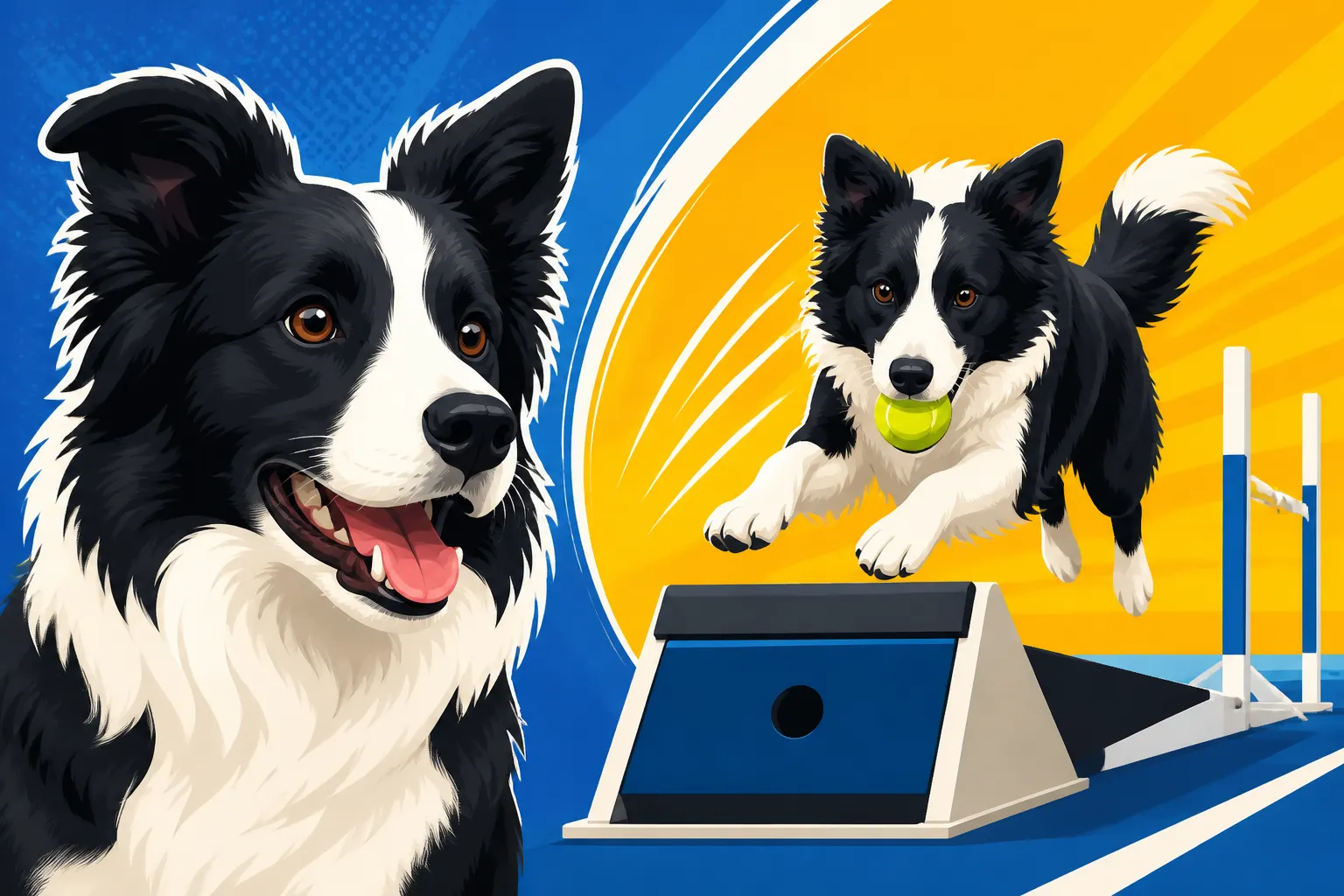
Imagine four dogs on a team, each rocketing over a series of four hurdles, triggering a spring-loaded box to release a tennis ball, catching that ball, and then tearing back over the hurdles to the start line. That's Flyball in a nutshell! It's a high-octane relay race where the timing of the dog's return is crucial for the next dog's start. This isn't just a free-for-all; it requires immense focus, a solid recall, and the ability to work under pressure, often with other excited dogs in close proximity. The dogs learn to turn quickly off the box, which is often called a "swimmer's turn" or "box turn," demanding a certain body awareness and athletic prowess. It’s a true test of speed, coordination, and the dog's ability to retrieve on command.
Why Border Collies Seem Like a Natural Fit
When you break down the elements of Flyball, it quickly becomes clear why Border Collies are so frequently seen dominating the lanes. They possess an almost innate love for retrieving, a staggering burst of speed, and an intelligence that allows them to grasp complex sequences quickly. Their herding background means they are often incredibly responsive to handler cues, eager to please, and have an unparalleled work ethic. They live for a job, and Flyball offers a concrete, measurable one. The combination of mental and physical stimulation is exactly what many Border Collies crave, preventing boredom and potential behavioral issues at home. It’s a sport that taps directly into their core drives, making it incredibly rewarding for many individuals of the breed.
Border Collie Traits That Shine in Flyball
Border Collies bring a unique set of skills and characteristics to the Flyball arena, many of which are absolutely essential for success in this demanding sport.
Drive, Focus, and That Insatiable Need to Work
If there's one thing a Border Collie has in spades, it's drive. This isn't just a desire to play; it's an intense, almost obsessive, motivation to perform a task. In Flyball, this translates into a dog that will hit the hurdles, trigger the box, grab the ball, and race back with incredible intensity. Their focus is often laser-sharp, allowing them to block out distractions that would derail other breeds. This ability to "lock on" to the task at hand is invaluable, especially in a chaotic environment with other dogs barking, people cheering, and balls flying. This isn't to say every Border Collie is born a Flyball champion, but the underlying instincts are undeniably strong. They thrive on having a purpose, and Flyball provides a clear objective to channel their incredible mental and physical energy. This deep desire to work is often what sets them apart in competitive sports.
Energy Levels: Is There Such a Thing as Too Much?
Border Collies are renowned for their high energy, and while this is a huge asset in Flyball, it can also be a double-edged sword. Yes, they have the stamina to run multiple heats and maintain impressive speed throughout, but sometimes that energy can tip over into over-arousal. A Border Collie that is too hyped up might false start, struggle with precise box turns, or even have difficulty returning the ball directly to the handler. It's a fine line between enthusiastic drive and frantic chaos. Managing these intense energy levels requires an experienced handler who understands how to channel their dog's enthusiasm productively, using appropriate warm-ups, cool-downs, and mental engagement exercises to keep them in the optimal zone. For some Border Collies, the sheer excitement of the sport can be overwhelming, necessitating careful management to prevent burnout or stress.
Physical Demands and Considerations for Border Collies
Flyball is a physically demanding sport, and while Border Collies are built for athletic endeavors, there are specific physical aspects and health considerations to keep in mind.
Speed, Agility, and Jumping Prowess
Border Collies are truly marvels of canine athleticism. Their natural speed is phenomenal, allowing them to cover the ground between hurdles in a blink. Their agility and body awareness are equally impressive, crucial for navigating the jumps fluidly and executing that quick, powerful box turn. They possess an incredible spring in their step, making jumping over the low hurdles seem effortless. This combination of speed, agility, and jumping prowess is what makes them such dominant forces in Flyball. Many Border Collies can learn to use their bodies efficiently, conserving energy while maximizing their output, which is key in a relay race where every fraction of a second counts. You'll often see them glide over hurdles, their bodies coiled and ready for the next move, a testament to their inherent athletic design.
Health and Injury Prevention
While Border Collies are generally hardy, the repetitive, high-impact nature of Flyball can take a toll. They are susceptible to common canine athletic injuries, such as Cruciate Tears in a Border Collie or shoulder strains. The powerful box turn, in particular, puts a significant amount of stress on their hocks, stifles, and spine. Proper conditioning, warm-up, and cool-down routines are not just good practice; they are essential for preventing injury. It’s vital to ensure a young Border Collie is fully mature before engaging in intense, high-impact sports like Flyball, generally waiting until they are at least 15-18 months old before significant jumping. You don't want to engage in Impact Work Before a Border Collie Turns Two. Regular veterinary check-ups, including discussions with a sports vet, are highly recommended to monitor their physical health. Investing in high-quality nutrition and joint supplements can also support their longevity in the sport.
Training a Border Collie for Flyball
Bringing a Border Collie into Flyball isn't just about showing up; it's a journey of dedicated training, understanding, and partnership.
Starting Early and Building Foundation Skills
The earlier you start building a strong foundation, the better. Even before they are old enough for hurdles and box turns, a Border Collie puppy can learn invaluable skills. Basic obedience, a rock-solid recall, and a love for retrieving are paramount. Socialization is also incredibly important, as Flyball events are noisy and busy. Enrolling in puppy classes that emphasize positive reinforcement, like those offered by BAXTER & Bella, can lay the groundwork for a confident, well-adjusted adult dog. Teach them to fetch, to drop the ball reliably, and to come when called, even when excited. Introducing them to different surfaces and teaching them body awareness exercises will also be beneficial. A solid "stay" and "wait" command are vital for managing their excitement at the start line. Don't underestimate the power of short, fun training sessions to build drive and focus from a young age.
Overcoming Common Challenges
Even with their natural aptitude, Border Collies in Flyball face challenges. Their intense drive can sometimes lead to frustration or over-arousal. They might bark excessively, false start, or become possessive of the ball, demonstrating The Border Collie That Will Not Drop the Ball. Consistency in training is key, using positive reinforcement to shape desired behaviors and gradually introduce distractions. For a Border Collie that struggles with focus, teaching them to Redirecting a Border Collie's Eye Onto a Toy can be very helpful. Some dogs might be hesitant with the box loader at first, requiring patience and desensitization. Others might struggle with the team aspect, needing to learn to ignore other dogs and focus on their handler and the task. Finding a good Flyball club with experienced trainers who understand Border Collie quirks is invaluable. Sometimes, simple equipment from Amazon, like specific tug toys or long lines, can aid in training particular aspects of the sport.
The Social Aspect of Flyball
Flyball is a team sport, and it's not just about the individual dog's performance, but how they integrate into a team environment, both canine and human.
Teamwork and Handler Connection
While dogs run individually in the lane, Flyball is fundamentally a team sport. Your Border Collie needs to be comfortable with other dogs waiting their turn at the start line and passing each other at high speed. More importantly, the bond and communication between you and your dog are paramount. Flyball is a dance between dog and handler, where precise timing and clear cues are essential. Your dog needs to trust you implicitly, especially when there's so much excitement. This strong connection ensures they return the ball directly to you for the next dog's launch, rather than getting distracted or running off. Many Border Collies thrive on this partnership, their desire to work with their human shining through. It deepens the relationship, turning training sessions into shared adventures and trials into joint triumphs.
Managing Excitement and Frustration
For a breed as high-drive as the Border Collie, managing excitement is a constant theme in Flyball. The atmosphere at a Flyball tournament is electric, filled with barking dogs, cheering people, and the thud of balls. A Border Collie can easily become overstimulated, leading to issues like excessive barking, panting, or even anxiety. Teaching them to settle quietly when not their turn, perhaps on a mat or in their crate, is a crucial skill. Strategies for preventing The Border Collie That Will Not Break Its Stare from fixed objects or other dogs are also important. Handlers must learn to read their dog's body language and recognize when they are nearing their threshold of excitement. Providing clear boundaries, consistent expectations, and opportunities for calm downtime are vital for preventing frustration from building up, ensuring the dog enjoys the sport and performs at its best.
The Reality of Flyball with a Border Collie
So, does a Border Collie suit Flyball? The short answer is a resounding "yes," for many of them. However, it's not a universal guarantee.
Flyball is a sport tailor-made for the Border Collie's strengths: speed, agility, intelligence, and an intense desire to work and retrieve. They often excel, becoming top competitors and bringing immense joy to their handlers. The sport provides a fantastic outlet for their energy, helping to keep them mentally stimulated and physically fit. What a Border Collie Does With Its Whole Day will often benefit hugely from a dedicated activity like Flyball.
However, it's critical to understand that Flyball is demanding. It requires a significant time commitment for training, travel to events, and consistent practice. It also requires a handler who is committed to positive reinforcement, patience, and careful management of their dog's intense drive. Not every Border Collie will love it, and some might find the environment too overwhelming. Some might prefer other sports, like agility or herding, which offer different types of challenges. If you're looking for an activity that truly channels their intelligence and energy, Flyball is definitely one to consider. You'll likely see how fast a Border Collie goes through toys, but their ability to learn quickly means they’ll pick up the sport faster than you think.
Here's a quick look at how Border Collie traits align with Flyball demands:
| Border Collie Trait | Flyball Demand | Suitability | Notes |
|---|---|---|---|
| High Drive & Work Ethic | Intense focus on task, sustained effort | Excellent | Border Collies live to work; Flyball provides a clear, engaging job. |
| Intelligence & Trainability | Learning complex sequences, quick cues | Excellent | Rapid learning curve, eager to please, respond well to consistent training. |
| Speed & Agility | Clearing hurdles, fast box turns, quick sprints | Excellent | Naturally fast and agile, perfectly suited for the demands of the course. |
| Retrieving Instinct | Picking up and returning the ball reliably | Excellent | Most Border Collies have a strong retrieve drive, essential for the sport. |
| Stamina & Energy | Multiple heats, sustained high-intensity output | Excellent | Possess the physical capacity to perform at a high level over extended periods. |
| Sensitivity to Environment | Handling noise, other dogs, competition stress | Variable | Some Border Collies can be over-aroused or reactive; requires careful socialization and management. |
| Physical Durability | Repetitive jumps, hard box turns | Good | Generally robust, but susceptible to impact injuries; needs proper conditioning and injury prevention strategies. The Age a Border Collie Can Start Jumping is important for joint health. |
Ultimately, Flyball can be an incredibly rewarding venture for a Border Collie and their handler. It requires commitment, understanding, and a willingness to embrace the Border Collie's unique blend of brilliance and intensity. If you're ready for the journey, many Border Collies will not only suit Flyball but truly thrive in it.
Disclaimer
This article is for general informational purposes only and does not constitute professional advice. Laws, prices and regulations vary by location and change over time. Consult a qualified professional for guidance on your specific situation.