A Border Collie That Will Not Travel by Car
It can be incredibly frustrating, and honestly, heartbreaking, when your intelligent, energetic Border Collie turns into a quivering mess or a stubborn immovable object at the mere sight of your car. You've got places to go, things to do, and your dog needs to come with you sometimes, whether it's to the vet, the hiking trails, or even just a fun outing. This guide is here to help you understand why your Border Collie might be resisting car travel and, more importantly, to give you actionable, empathetic strategies to make car rides a stress-free, even enjoyable, experience for both of you.
Understanding Why Your Border Collie Hates the Car
The first step in solving any behavioral challenge with a Border Collie is to understand why they're doing what they're doing. These dogs are incredibly sensitive and intelligent, meaning they pick up on cues and associations very quickly. Their aversion to the car isn't usually about being 'naughty'; it's often rooted in fear, discomfort, or a lack of positive experiences.
Negative Past Experiences or Associations
Imagine if every time you got into a car, something unpleasant happened. For many dogs, especially those adopted from shelters or rescues, their only previous car rides might have been traumatic: being surrendered, going to the vet for painful procedures, or being transported away from their first home. These early experiences can deeply imprint a negative association with vehicles. Your Border Collie might vividly remember a bumpy, nauseating trip or a frightening encounter that has nothing to do with you or your car, but the fear remains.
Even for dogs who've been with you since puppyhood, a few bad trips can sour their perception. Perhaps a sudden brake check sent them sliding, or a particularly scary trip to the emergency vet left a lasting impression. Their keen memory and intelligence mean they don't forget these things easily. It's not just the car itself, but the anticipation of what the car leads to that can trigger anxiety. For a Border Collie, being startled or feeling vulnerable can be a significant setback in their trust and comfort.
Lack of Early Socialization and Positive Exposure
Puppies learn about the world through exposure and positive reinforcement. If your Border Collie puppy didn't get many car rides that were short, pleasant, and led to fun places (like the park, not just the vet), they might not have developed a positive association with the car. Perhaps you live rurally, and car trips weren't a daily necessity, or maybe you simply didn't realize the importance of this specific type of socialization.
Without this early, consistent, and positive exposure, the car can become a strange, noisy, and confusing environment. The vibrations, the engine sounds, the changing scenery, and the confined space can all be overwhelming for a dog that hasn't learned to interpret them as normal or even good. Many busy owners, especially those with working-line Border Collies, focus on early livestock or sport training, sometimes unintentionally overlooking fundamental aspects like car desensitization until a problem arises. What a Border Collie Puppy Costs From a Working Breeder often comes with a strong focus on their future role, but socialization to everyday life is just as crucial.
Motion Sickness or Physical Discomfort
This is a huge one, and often overlooked. Dogs can get car sick just like people do, especially puppies and younger dogs whose vestibular systems (which control balance) are still developing. Symptoms can range from drooling and lip-licking to vomiting, lethargy, or even diarrhea. If every car ride makes your Border Collie feel nauseous, it's no wonder they'd rather stay home. They associate the car with that awful, queasy feeling, and they'll do anything to avoid it.
Beyond motion sickness, physical discomfort could also play a role. Is your dog securely restrained, or are they sliding around? Is the temperature in the car comfortable? An older Border Collie might have joint pain or Osteoarthritis in a Border Collie by Eight, making the bumps and jostling of a car ride genuinely painful. Even if it's not severe, chronic discomfort can build a strong negative association that makes them dread getting into the vehicle. Always rule out a physical cause first with your vet.
The Step-by-Step Approach to Car Training
Turning around a negative association with car travel takes patience, consistency, and a whole lot of positive reinforcement. You can't rush a Border Collie, especially one who's genuinely fearful or uncomfortable. This isn't a quick fix; it's a gradual desensitization and counter-conditioning process.
Starting Small: Car as a Neutral Space
The goal here is to transform the car from a scary metal box into a perfectly neutral, then even enjoyable, space, without ever actually moving it. Start by simply approaching the car with your Border Collie on a leash. If they show any signs of stress, back up to where they are comfortable. Reward calm behavior generously. The key is to make every step forward positive and stress-free.
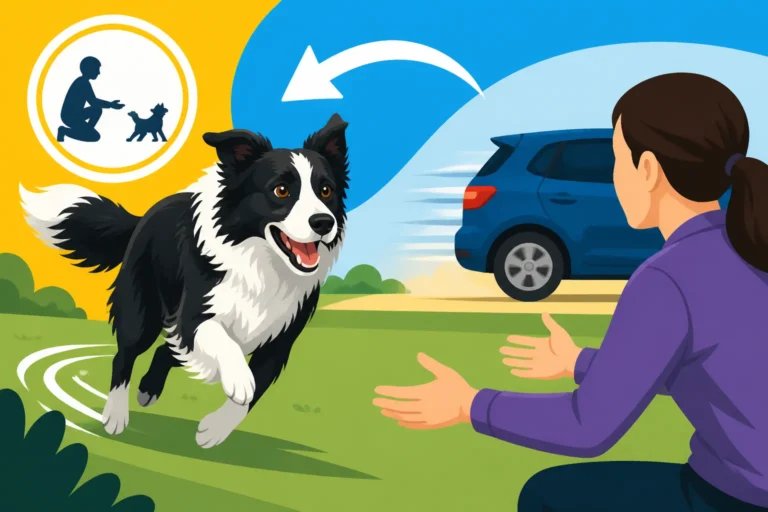
Once they're comfortable near the car, open the door. Don't push them inside. Toss a high-value treat (think cooked chicken or cheese) onto the back seat or cargo area. Let them jump in to retrieve it, and then immediately let them jump back out if they wish. Repeat this many times over several sessions, keeping the engine off. You might even feed them a small meal just inside the open car door, never forcing them to stay. The car should become a place where good things (treats!) happen, and where they always have the option to leave. This builds confidence and agency, which is incredibly important for a Border Collie.
Gradually Increasing Exposure and Duration
Once your Border Collie is happy to hop in and out for treats with the engine off, it's time to slowly increase the exposure. The next step is to sit in the car with them, still with the engine off, for short periods. Offer calm praise, gentle petting if they enjoy it, and more treats. You could even read a book or scroll on your phone while they just exist peacefully in the car with you.
When they are completely relaxed with this, try turning the engine on for just a few seconds, then turning it off, and rewarding immediately. Gradually increase the engine-on time. Eventually, move to very short trips – just backing out of the driveway and pulling back in, or driving to the end of the street and back. Make these initial "trips" lead to absolutely nothing scary. No vets, no crowded places. Maybe just a quick pee break in the yard, followed by their favorite game. The goal is to build positive experiences that slowly erase the old fears.
Making the Car a Fun Place (Beyond the Destination)
We often make the mistake of only taking our dogs in the car when we're going somewhere specific. For a fearful dog, this reinforces the idea that the car is merely a means to an end, and that end might not always be pleasant. To truly transform their perception, you need to make the car a source of direct enjoyment.
Try feeding your Border Collie their meals in the car (while parked). Introduce their favorite chew toy or a Puzzle Feeders That Hold a Border Collie inside the car. Spend time just hanging out, listening to music, and offering cuddles or quiet play. If your Border Collie enjoys grooming, a quick brush-out session in the car might work. The more positive, low-pressure experiences they have inside the car that aren't about going anywhere, the more their brain will re-categorize the car as a safe, comfortable, and even enjoyable space.
Practical Tools and Strategies to Ease Car Anxiety
Even with gradual desensitization, some Border Collies benefit from additional support. There are many tools and strategies you can employ to make car travel more comfortable and less anxiety-inducing for your canine companion.
Securing Your Border Collie Safely
One major cause of discomfort or fear can be a lack of security. A dog sliding around on the back seat, or being flung forward during a sudden stop, can quickly develop an aversion to the car. Investing in appropriate restraint is not just about safety in an accident; it's about making your dog feel safe and contained during normal travel.
| Restraint Type | Pros | Cons | Best For |
|---|---|---|---|
| Crash-Tested Crate | Excellent safety, creates den-like space | Takes up space, can be heavy | Anxious dogs, long trips, small/medium dogs |
| Car Harness | Allows some movement, less bulky than crate | Quality varies, less protection than crate | Dogs comfortable in harnesses, shorter trips |
| Booster Seat/Raised Bed | Elevated view, comfortable, secure | Best for smaller dogs, not crash-tested | Small to medium dogs, mild anxiety |
| Cargo Barrier | Keeps dog in one area, allows freedom | Not a restraint, dog can still slide | Large dogs in cargo area, minimal anxiety |
You can find a huge range of high-quality crates, harnesses, and other car safety accessories on online marketplaces like Amazon. Look for products that are crash-tested if safety is your primary concern, as not all restraints offer the same level of protection. A secure crate can become a familiar "den" that travels with them, offering immense comfort. Crate Setup Costs for a Border Collie's Off-Switch might give you an idea of investing in a good quality crate that doubles for home and car use.
Calming Aids and Comfort Measures
For some Border Collies, a little extra help to take the edge off their anxiety can be a game-changer. These aren't magic bullets, but they can lower the overall stress level, making your training efforts more effective.
- Pheromone Sprays/Diffusers: Products containing synthetic canine appeasing pheromones (like Adaptil) can have a calming effect on some dogs. You can get collars, diffusers for the car, or sprays to mist their blanket or crate.
- Calming Chews/Supplements: Many over-the-counter supplements contain ingredients like L-theanine, tryptophan, or chamomile, which can promote relaxation. Always discuss these with your vet before introducing them, especially if your Border Collie is already on Medicating a Border Collie Without Dulling It for other conditions.
- Thundershirts/Anxiety Wraps: These snug-fitting garments provide gentle, constant pressure, which can have a calming effect similar to swaddling a baby. They can be particularly useful for dogs who are sensitive to the vibrations or sounds of the car.
- Familiar Items: Always bring a familiar blanket, bed, or toy with your Border Collie. The scent of home can be incredibly comforting in a new or stressful environment.
Managing Motion Sickness
If motion sickness is the primary culprit, addressing it directly is crucial. No amount of positive reinforcement will work if your dog feels nauseous every time the car moves.
- Consult Your Veterinarian: This is the most important step. Your vet can rule out any other underlying medical issues and can prescribe anti-nausea medications specifically designed for dogs, such as maropitant (Cerenia) or dimenhydrinate (Dramamine). They can advise on proper dosage and timing.
- Feed Wisely: Avoid feeding your Border Collie a large meal right before a car trip. A light snack or no food at all a few hours prior can help. However, some dogs do better with a little something in their stomach. Experiment to see what works for your individual dog.
- Ventilation and Temperature: Keep the car well-ventilated and cool. A stuffy, hot car can exacerbate nausea. Opening windows slightly to allow fresh air in can make a big difference.
- Forward-Facing: For some dogs, being able to see out the front window (if safely secured in a booster seat or carrier) can help with motion sickness, as it allows their eyes to match the motion their body is feeling.
Addressing Specific Challenges on the Road
Even with initial training and calming aids, real-world car travel can present unique challenges. Border Collies, with their intense focus and high drive, can sometimes react strongly to external stimuli or internal discomfort.
Barking, Whining, and Destructive Behavior
If your Border Collie is barking incessantly, whining, or trying to chew their way out of a crate during a car ride, it's a clear sign of distress or boredom. This isn't just annoying; it indicates they're deeply unhappy.
- Distraction and Engagement: For barking at external stimuli (other cars, people), try redirecting their attention. Give them a long-lasting chew, a stuffed Kong, or a high-value toy (if they can settle with it). Sometimes simply playing calming classical music or a dog-specific podcast can help mask external noises.
- Counter-Conditioning: If they bark at specific triggers, try to identify them. As soon as the trigger appears (and before they bark), calmly give them a treat. The goal is for them to associate the trigger with good things, not with alarm.
- Management is Key: If destructive behavior is an issue, ensure they are safely crated or secured in a way that prevents them from damaging the car or themselves. This might mean investing in a robust travel crate. For dogs that panic when you leave them alone, even in the car, consider if they might be experiencing A Border Collie That Panics When You Leave.
- Short-Term Solutions: For immediate relief on essential trips, your vet might suggest a short-acting sedative to help calm extreme anxiety. This isn't a long-term fix but can make vital trips manageable while you work on behavioral modification.
Refusal to Get In or Out
A Border Collie digging in their heels at the car door or refusing to jump out can be incredibly frustrating. This behavior is often a remnant of past fear or discomfort.
- Positive Reinforcement (Still!): Go back to basics. Make getting in and out a game with lots of treats and praise. Place treats inside the car, just on the threshold. Reward any voluntary movement towards or into the car.
- Ramps or Steps: If physical discomfort is an issue, or if your Border Collie is older or has joint problems (like Hip Dysplasia in a Border Collie That Runs All Day), a ramp can make entering and exiting the car much easier and less painful. This removes a potential barrier to comfort.
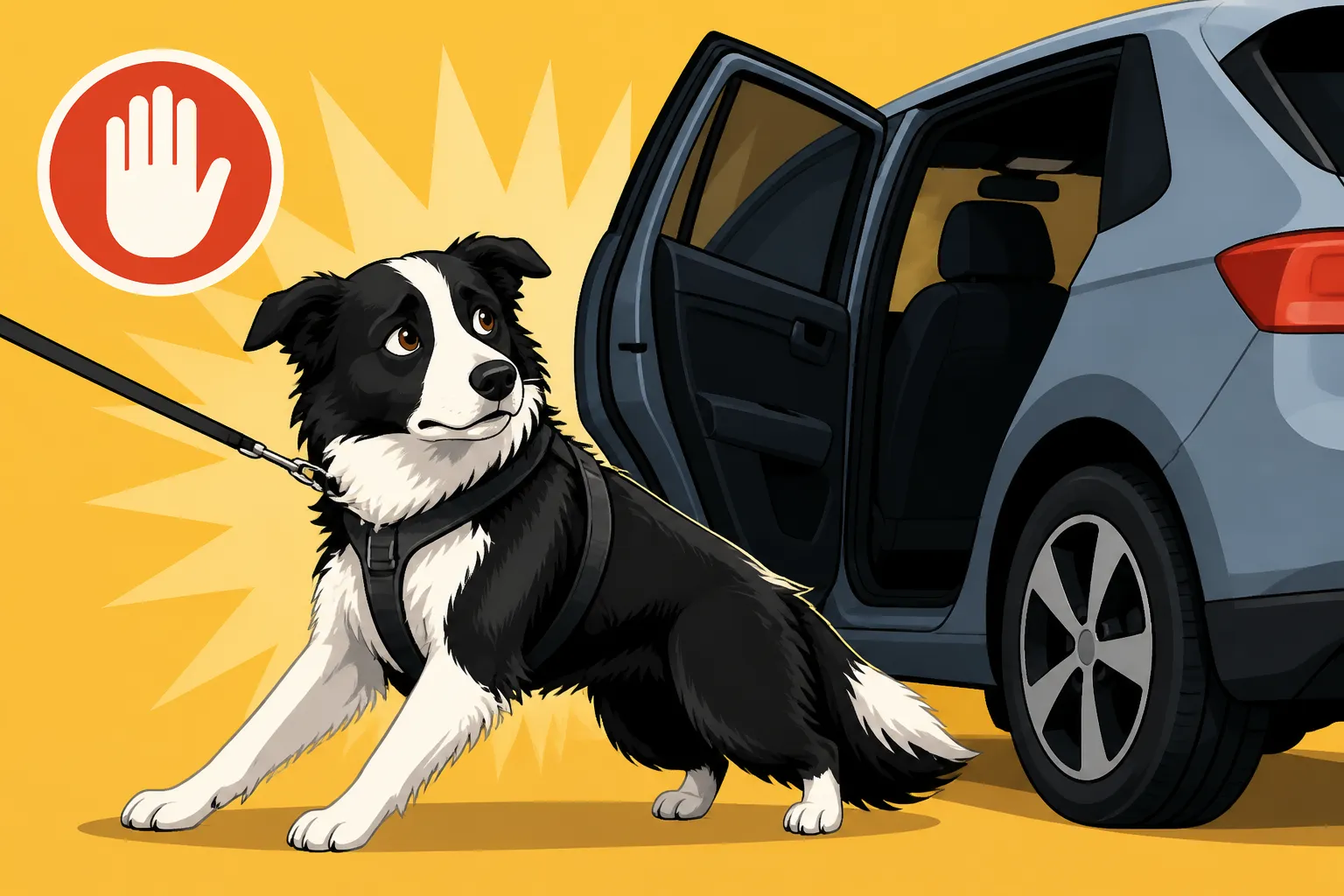
- Body Language and Patience: Never force or drag your Border Collie. This will only increase their fear and undo any progress. Use an upbeat, encouraging tone, and be patient. If they refuse, end the session calmly and try again later, breaking it down into smaller steps.
- Desensitization to the Process: Practice getting in and out without going anywhere. Make it a routine that ends with a rewarding activity unrelated to driving.
Long Journeys and Road Trips
Once your Border Collie is comfortable with shorter trips, extending to longer journeys requires careful planning to maintain their comfort and prevent relapse into anxiety.
- Planned Breaks: Frequent breaks are essential. Border Collies are active dogs and need opportunities to stretch their legs, relieve themselves, drink water, and burn off some mental energy. Aim for a break every 2-3 hours.
- Hydration: Always have fresh water available during stops. Dehydration in a Border Collie After a Day's Work can quickly set in, especially on hot days or long drives. Consider a spill-proof travel bowl for the car itself.
- Exercise Beforehand: A good walk or a mental enrichment session before the trip can help tire them out slightly, making them more likely to settle down in the car. However, avoid over-exercising a dog prone to motion sickness right before the trip.
- Familiarity: Pack their favorite bed, toys, and treats. If you're staying overnight somewhere, try to make their temporary sleeping arrangements feel as familiar and secure as possible.
- Avoid Over-Stimulation: On long drives, keep windows cracked rather than fully open to reduce wind noise and prevent excessive head-out-the-window stimulation, which can sometimes lead to an upset stomach or anxiety.
When Professional Help is Needed
Despite your best efforts, some Border Collies have deeply ingrained fears or anxiety that require a professional touch. Knowing when to seek expert help is crucial for both your dog's well-being and your peace of mind.
Identifying Red Flags for Behavioral Consultation
While some whining or pacing can be addressed with consistent training, certain behaviors are red flags indicating a deeper issue that warrants professional intervention.
- Aggression: Growling, snapping, or biting when approached near the car, or when attempts are made to get them inside, is a serious concern. This indicates extreme fear or resource guarding, and you need professional guidance to manage it safely.
- Severe Panic Attacks: If your Border Collie experiences intense drooling, uncontrollable trembling, loss of bladder/bowel control, or hyperventilating whenever the car is involved, they are in a state of panic. This level of distress requires a skilled behaviorist.
- No Progress Despite Consistent Effort: If you've diligently followed a desensitization plan for weeks or months, and your Border Collie shows no improvement, or even regresses, it's a sign that your current approach isn't sufficient.
- Self-Harm: Chewing at themselves, scratching relentlessly, or other self-destructive behaviors during car trips point to severe distress that your dog cannot cope with on their own.
How a Certified Trainer Can Help
A certified professional dog trainer or a veterinary behaviorist can provide invaluable support. They have the expertise to assess your Border Collie's specific fears and develop a tailored behavior modification plan.
- Individualized Assessment: They will observe your dog's behavior, ask detailed questions about their history and triggers, and pinpoint the root cause of the car aversion.
- Customized Training Plans: Unlike generic advice, a professional will create a step-by-step plan that addresses your dog's unique needs, often incorporating advanced counter-conditioning and desensitization techniques.
- Hands-On Guidance: They can guide you through exercises, teach you how to read your dog's subtle body language, and ensure you're applying techniques correctly and safely.
- Resource Recommendation: A good trainer can recommend appropriate tools, calming aids, and even work collaboratively with your veterinarian if medication is needed. For those seeking more structured guidance, online platforms like BAXTER & Bella offer comprehensive training programs and resources that can supplement professional in-person help, especially for foundational obedience and confidence building.
The Role of Your Veterinarian
Never underestimate the importance of your veterinarian in addressing car aversion. They are your first line of defense against medical issues and can provide crucial support.
- Ruling Out Medical Causes: As mentioned, motion sickness, pain from arthritis or injuries, or even neurological issues can manifest as car aversion. Your vet will perform a thorough physical examination, potentially including X-rays or blood tests during The Annual Exam a Border Collie Needs, to rule out any underlying health problems.
- Prescription Medications: For severe anxiety or motion sickness, your vet can prescribe medications that are stronger and more effective than over-the-counter options. These might include anti-anxiety drugs, sedatives, or long-term behavioral medications. The goal isn't to drug your dog into submission, but to lower their anxiety enough so that they can actually learn during the training process.
- Holistic Approach: Many vets are knowledgeable about behavioral issues and can offer advice on diet, supplements, and lifestyle changes that might help manage anxiety. They can also refer you to a board-certified veterinary behaviorist for complex cases. Working closely with both your vet and a certified trainer provides the most comprehensive approach to helping your Border Collie overcome their car-travel fears.
Disclaimer
This article is for general informational purposes only and does not constitute professional advice. Laws, prices and regulations vary by location and change over time. Consult a qualified professional for guidance on your specific situation.