The Age a Border Collie Can Start Jumping
It’s a natural thing, isn't it? You bring home that bouncy Border Collie puppy, full of life and an eager glint in its eye, and you start dreaming of all the amazing things you’ll do together. Agility courses, flyball competitions, maybe even just leaping over logs on a hiking trail. But then a little voice, or perhaps a seasoned friend, pipes up: "Don't let them jump too much too soon!" This guide is here to untangle that worry, explain the critical developmental stages, and give you clear, actionable advice on when and how your Border Collie can safely start jumping.
Understanding Growth Plates and Joint Development
One of the biggest concerns with young, active dogs like Border Collies is the potential damage to their developing skeletal system. It's not just a myth; there's real science behind why we need to be cautious.
The Critical Period of Puppy Growth
Think of your Border Collie puppy's bones not as solid, unchanging structures, but as works in progress. At the ends of their long bones – in their legs, shoulders, and hips – they have areas called growth plates (or epiphyseal plates). These are areas of cartilage where new bone tissue is formed, allowing the bones to lengthen as your puppy grows. They are softer than mature bone and, critically, they haven't fused yet.
These growth plates remain open and vulnerable throughout your puppy's rapid growth phase. High-impact activities, such as jumping from heights, repetitive jumping, or sudden twisting movements, can put undue stress on these soft areas. A hard landing or an awkward twist could cause a growth plate fracture, or even microscopic damage that interferes with proper bone development. Imagine a young tree branch; it's flexible but also easily snapped compared to a mature, sturdy trunk. That's essentially what we're trying to protect in your energetic puppy. The Age a Border Collie Puppy Hits Each Month can give you a clearer picture of their rapid growth spurts.
Long-Term Consequences of Early Stress
The effects of stressing open growth plates aren't always immediately obvious. You might not see a dramatic limp right after an exuberant jump, but the cumulative impact can be profound and lead to serious long-term orthopedic issues. For a breed like the Border Collie, which is already predisposed to certain joint conditions, this risk is amplified.
Conditions like hip dysplasia and elbow dysplasia can be exacerbated, or even instigated, by early, inappropriate activity. When the growth plates are damaged, the joint might not form correctly, leading to a shallow hip socket or an improperly aligned elbow. This can result in painful osteoarthritis down the line, affecting your dog's mobility and quality of life for years. Beyond dysplasia, early, high-impact activities can also lead to ligament damage, such as cruciate tears, or chronic soft tissue injuries around the joints. Prevention truly is the best medicine here, ensuring your Border Collie has the best chance at a long, sound working or sporting life. Understanding Hip and Elbow Scores in a Border Collie later on highlights the importance of this early care.
General Guidelines for Introducing Jumping
So, when can your Border Collie start jumping? It's a question that keeps many eager owners up at night, balancing their dog's boundless energy with caution. The key is understanding general guidelines and then tailoring them to your individual dog.
The "Wait Until One Year" Rule and Beyond
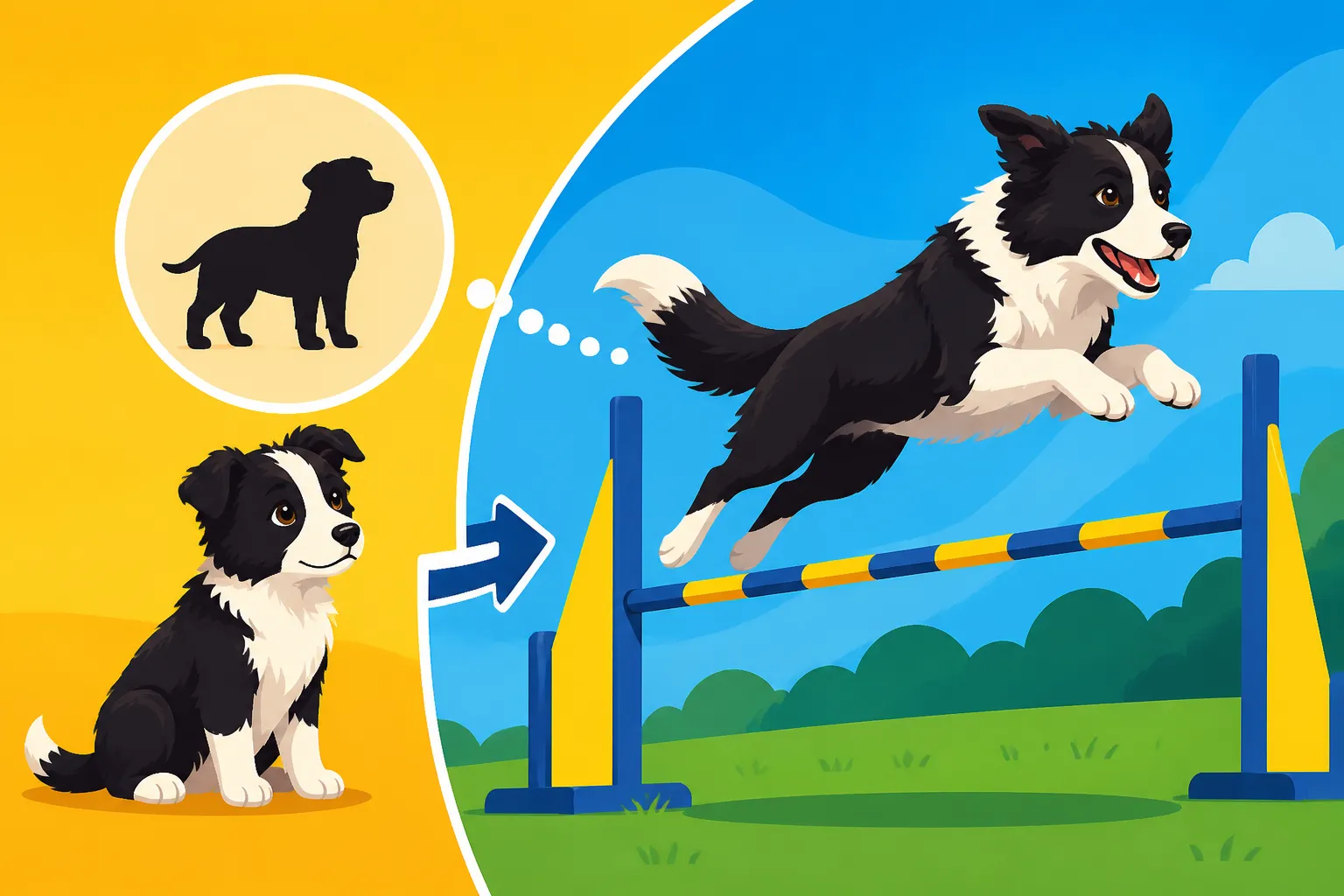
The most common and safest advice you'll hear from vets, experienced breeders, and canine rehabilitation specialists is to avoid any significant, repetitive, or high-impact jumping until your Border Collie is at least 12 months old, and ideally closer to 18 months, or even two years for intensive sport training. This guideline directly relates to the closure of their growth plates. While many growth plates fuse around 12 months, some, particularly in larger or slower-maturing breeds, can remain open until 18 months or even later. Border Collies, though not giant, are highly athletic, and their joints undergo significant development during this period.
Waiting allows those critical growth plates to fully close and ossify (turn into solid bone), significantly reducing the risk of injury. It also gives the surrounding muscles, ligaments, and tendons time to strengthen and properly support the joints. Rushing this process might save you a few months in early training, but it could cost you years of soundness with a dog suffering from chronic pain or debilitating injuries. Think of it as investing in their long-term health; patience in the puppy stages pays dividends in a resilient adult dog. This is similar to the advice often given about Holding a Border Collie Puppy Back Before a Year in general.
Building Foundational Strength Before Height
While you’re waiting for those growth plates to fuse, it doesn’t mean your puppy has to be a couch potato! This period is invaluable for building foundational strength, body awareness, and coordination – all crucial elements that will make them a better, safer jumper when the time comes.
Focus on low-impact activities that engage their core, improve balance, and strengthen their muscles without jarring their joints. Puppy push-ups (sit, down, stand), walking over cavaletti poles (laid flat on the ground initially), gentle hills, or walking on varied terrain are excellent. Introducing simple body awareness exercises using props like low platforms or wobble boards can be incredibly beneficial. Programs from places like BAXTER & Bella often incorporate these types of foundation exercises into their puppy training, helping build a strong, confident dog without high impact. These exercises teach your Border Collie where their feet are in space, how to shift their weight, and how to use their hindquarters effectively, all of which are essential for safe jumping mechanics.
Consider these early activities:
| Age Range | Recommended Activities | Avoid These Activities |
|---|---|---|
| 8 weeks – 6 months | Controlled leash walks, varied surfaces, gentle slopes, puppy kindergarten, short play sessions on soft ground, walking over ground poles. | High jumps, repetitive fetch (especially with hard stops/starts), jumping off furniture, long runs, stairs without supervision. |
| 6 months – 12 months | Longer structured walks, low cavaletti (no higher than wrist), gentle swimming, more complex obedience, body awareness exercises. | Anything over elbow height, intense agility sequencing, forced running on hard surfaces, jumping off high objects repeatedly. |
| 12 months – 18 months | Gradual introduction to low jumps (ankle/hock height), short agility tunnels, weave poles (no impact), continued conditioning. | Full height agility, competitive flyball, long-distance jumping, intense sport work without proper conditioning. |
| 18 months + | Progress to full height jumps and sport-specific training, increasing duration and intensity as condition allows. | Over-training without rest, ignoring signs of lameness, sudden increase in workload. |
Safe Jumping Progression for Your Border Collie
Once your Border Collie has reached that appropriate age, and their growth plates are closed, the real fun can begin! But just like any physical activity, introducing jumping needs to be done with care and a methodical approach to prevent injuries.
Starting Low and Controlled
When you first introduce your Border Collie to jumping, think "low and slow." Start with very low obstacles, no higher than your dog's wrist or hock. The goal isn't height initially; it's about teaching proper form, confidence, and understanding the concept of clearing an obstacle. Set up a single jump bar, perhaps a PVC pipe or a broomstick, just a few inches off the ground. Encourage your dog to walk over it, then trot, then a gentle canter. Keep it fun and positive.
Always start with straight lines. Running directly at the jump and over it minimizes twisting and awkward landings. Avoid asking them to jump off-angle or immediately turn after a jump in the early stages. Ensure the landing surface is forgiving – grass or rubber matting is ideal, much better than concrete which can be very jarring on their joints. Adjustable jumps are fantastic for this progression, allowing you to slowly increase the height as your dog gains strength and confidence. Many affordable options are available on Amazon, making it easy to set up a safe practice area in your yard. Remember, consistency in technique is far more important than achieving maximum height too soon.
Avoiding Risky Jumping Behaviors
While controlled, structured jumping can be beneficial, there are many common behaviors that can be incredibly risky for your Border Collie's joints, regardless of age.
One big culprit is jumping off furniture or out of vehicles without assistance. While a young, agile Border Collie might seem to do this effortlessly, the repeated impact of landing from a height can take a toll on their shoulders, elbows, and spine over time. Consider ramps or steps for getting in and out of cars, or for accessing furniture if it's a regular occurrence.
Another risky behavior is repetitive, high-intensity jumping, especially when driven by obsession or frustration. Think about a Border Collie endlessly leaping for a frisbee thrown too high, or compulsively springing at a fence. This kind of uncontrolled, high-impact repetition, often fueled by adrenaline, doesn't allow for proper form or muscle recovery. It increases the risk of injuries such as Cruciate Tears in a Border Collie or serious Shoulder Injuries in an Agility Border Collie. Instead, channel that drive into controlled activities and ensure they have a solid "off-switch" command.
It's also crucial to distinguish between a dog jumping because they can and a dog jumping with proper physical and mental maturity. A Border Collie might physically be able to clear a certain height, but without the developed musculature, coordination, and awareness, they're setting themselves up for injury. Always prioritize safe technique and gradual progression over showing off impressive leaps.
Different Types of Jumping Activities
Border Collies are often involved in a variety of activities that involve jumping, from structured sports to everyday occurrences. Understanding the nuances of each can help you manage the impact on your dog's body.
Agility and Performance Sports
Agility, flyball, dock diving, and even some obedience exercises frequently incorporate various forms of jumping. These sports demand not just physical prowess but also incredible body awareness, coordination, and mental focus. For these high-performance activities, the "wait until 18-24 months" rule becomes even more pertinent. Before engaging in full-height or high-repetition sport jumping, your Border Collie should have a solid foundation of muscle strength, core stability, and proprioception.
Serious sport training often involves specific conditioning programs designed to strengthen the muscles used in jumping, landing, and quick turns. This might include exercises like targeted muscle building, balance work, and low-impact plyometrics. Handlers often work closely with canine sports veterinarians or physiotherapists to develop appropriate conditioning plans. For instance, if your Border Collie is going to be a flyball star, a sport which involves intense, repetitive jumping, you’ll want to ensure they are exceptionally conditioned. You can read more about what's involved in Whether a Border Collie Suits Flyball. It's a journey that requires commitment to physical preparation, not just teaching the cues.
Everyday Jumping and Play
Beyond formal sports, Border Collies encounter jumping in their daily lives. Leaping over a small stream on a hike, clearing a fallen log on a trail, or jumping into the back of your SUV are all common scenarios. While these aren't as repetitive as sport jumping, they still involve impact and can contribute to wear and tear if not managed.
For these informal jumps, the advice remains similar: encourage sensible choices. If your dog has to clear a particularly high or awkward obstacle on a walk, assess if there’s an easier, lower-impact route. For getting in and out of the car, especially if it’s a high vehicle, consider teaching them to use a ramp or providing steps. This is particularly important as they get older to preserve their joints. During playtime, be mindful of games that involve uncontrolled, wild jumping. Instead of throwing a frisbee straight up in the air forcing them to leap and twist, throw it low and flat so they can run and catch it with minimal impact. Similarly, be careful about activities that involve Running a Young Border Collie on Concrete or other hard surfaces, as this can add significant stress. The goal is always to reduce unnecessary impact while still allowing them to enjoy their natural athleticism.
Disclaimer
This article is for general informational purposes only and does not constitute professional advice. Laws, prices and regulations vary by location and change over time. Consult a qualified professional for guidance on your specific situation.