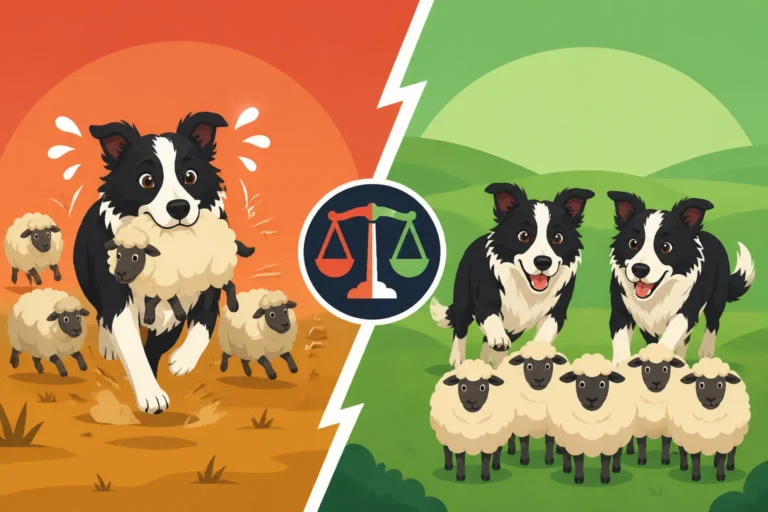
Retraining a Rescued Border Collie With No Rules
Bringing a rescued Border Collie into your home can be one of the most rewarding experiences, but sometimes, these intelligent, sensitive dogs arrive with a blank slate when it comes to manners and household expectations. They might've spent their lives with no consistent rules, leaving you feeling overwhelmed by their boundless energy and lack of boundaries. This guide is here to walk you through establishing clear structure and retraining a Border Collie that never learned the rules, turning chaos into calm.
Understanding the "No Rules" Mentality in a Rescued Border Collie
When you adopt a Border Collie who seems to operate in a world without consequences or expectations, it’s not because they’re being deliberately naughty. More often than not, it’s a direct result of their past environment. Perhaps they were a farm dog allowed to roam without much direct supervision, or a backyard dog whose owners didn't understand the depth of their intelligence and drive. Maybe they were surrendered at eighteen months because The Border Collie Surrendered at Eighteen Months and their previous family simply couldn't keep up with their needs. Whatever their history, they come to you without an internal dictionary of "right" and "wrong" in a domestic setting.
The Impact of an Unstructured Past
Imagine living your life without anyone ever telling you "no" or "stop." You'd likely develop a habit of following your impulses, wouldn't you? For a Border Collie, a breed renowned for its problem-solving abilities and intense drive, this can manifest in various ways. They might jump on people, mouth hands, counter surf, or bark incessantly at anything that moves outside a window. These aren't malicious acts; they're often simply the only behaviors the dog has learned get them what they want, or they're expressions of their innate instincts in an undirected way.
This lack of structure can also lead to anxiety. Believe it or not, a consistent routine and clear expectations actually reduce stress for dogs. Without them, a Border Collie might constantly be trying to figure out what's happening next, leading to an undercurrent of tension that can boil over into reactivity or even destructive behaviors. They crave guidance, even if they've never had it before.
Why Breed Traits Complicate Things
Border Collies are wired to work, to think, and to control. When they don't have a constructive outlet for these traits, they'll create their own "jobs." That might mean herding children, the vacuum cleaner, or even you around the house. It might mean meticulously watching shadows and lights, potentially developing obsessive behaviors like Stopping a Border Collie Chasing Shadows and Light. Their intense focus, often called "eye," can be a superpower in the field but a challenge in a home without rules, as they fixate on things that shouldn't be their concern. This powerful drive, combined with a lack of boundaries, is a recipe for a stressed dog and a frustrated owner.
Establishing Foundation Rules and Structure
Retraining a rescued Border Collie with no rules means starting from square one. Think of yourself as building a house: you need a solid foundation before you can add walls and a roof. This foundation is built on consistency, clear communication, and positive reinforcement. It's about showing your Border Collie what you do want them to do, rather than constantly correcting what you don't.
Implementing a Predictable Routine
One of the most powerful tools in retraining an unstructured dog is a predictable daily routine. Dogs thrive on knowing what to expect, and a Border Collie, especially one who has lived without routine, will visibly relax when a schedule is put in place. This means consistent times for waking up, potty breaks, meals, playtime, training sessions, and winding down for the night.
Consider creating a simple schedule like this:
| Time Slot | Activity | Purpose |
|---|---|---|
| 6:00 AM | Wake up, potty break | Start the day with a clear biological need met. |
| 6:30 AM | Breakfast, then quiet time | Fuel up, then allow digestion and a relaxed state. |
| 7:30 AM | Structured walk/mental game | Burn mental/physical energy constructively. |
| 9:00 AM – Noon | Supervised rest/crate time | Practice settling, prevent destructive behavior. |
| Noon | Potty break, short training session | Reinforce rules, break up rest period. |
| 1:00 PM – 4:00 PM | Supervised rest/crate time | Continue building independence and calm. |
| 4:00 PM | Potty break, interactive play | Physical outlet, bonding. |
| 5:30 PM | Dinner | Consistent mealtime. |
| 6:00 PM | Family time, quiet chews | Relaxed interaction, appropriate chewing. |
| 8:00 PM | Last potty break | Prevent accidents overnight. |
| 8:30 PM | Wind down, settle in crate/bed | Establish bedtime routine. |
This isn't just about managing their time; it's about teaching them self-control and that quiet times are just as important as active times. Teaching a Border Collie to Stay on Its Bed is a great command to incorporate into these quiet periods.
Crate Training as a Foundation
For a Border Collie who’s never had rules, a crate can be a sanctuary, not a punishment. It provides a safe, personal space where they can decompress and where you can enforce periods of calm. It's also an invaluable tool for potty training and preventing destructive behaviors when you can't actively supervise. Introduce the crate positively, making it a comfortable den with soft bedding and engaging chew toys. Never use it for punishment. For initial crate training, feed meals inside, offer high-value treats, and build up the time they spend in there gradually. You can find excellent, durable crates and engaging toys on Amazon that can make the crate a more appealing place for your dog.
Key Training Pillars for a Rescued Border Collie
Once a basic routine is in place, you can start layering in specific training. Focus on the core commands that create a well-mannered, safe, and happy companion. Positive reinforcement is key here – rewarding desired behaviors makes them more likely to happen again.
Mastering Recall and Name Recognition
A strong recall is non-negotiable for a Border Collie, especially one with a high prey drive and an instinct to range. If your rescued Border Collie has never learned their name or how to come when called, this is paramount for their safety and your peace of mind. Start in a quiet, low-distraction environment. Say their name enthusiastically, and as soon as they look at you, mark it with a "yes!" or a clicker, and reward with a high-value treat. Repeat this many times a day.
Once name recognition is solid, introduce the "come" command. Use a long line, perhaps 30 feet, which you can also find on Amazon. Call them, gently reel them in if they don't respond, and reward heavily when they reach you. Practice consistently in various environments, gradually increasing distractions. Remember, a Border Collie that has locked on to something, whether it's a squirrel or a moving car, needs an emergency recall that is absolutely bombproof.
Building Impulse Control and Frustration Tolerance
Border Collies have a reputation for being intense, and without rules, this intensity can quickly turn into pushiness or reactivity. Teaching impulse control is crucial. This means practicing "wait" or "stay" before going out the door, before eating their food, or before retrieving a thrown toy.
Here are a few ways to build impulse control:
- "Leave It": Teach them to ignore tempting items on the ground or counter. Start with low-value items and gradually increase the difficulty.
- "Wait" for Food: Place their food bowl down, but make them wait for a release cue before eating. This teaches them patience and that you control resources.
- Door Manners: They must sit and wait calmly before being allowed through any doorway.
- Toy Etiquette: Instead of letting them demand endless fetch, teach a "take it" and "drop it" command, and initiate play on your terms. This prevents them from becoming obsessive about toys, a common Border Collie trait. The Border Collie That Will Not Drop the Ball is a very common issue without proper training.
These exercises aren't just about obedience; they're about teaching your Border Collie that patience pays off and that you are the one making the decisions.
Teaching Leash Manners
If your rescued Border Collie has never walked on a leash properly, you might be dealing with pulling, lunging, or reacting to everything they see. A loose-leash walk is a cornerstone of good manners and allows for enjoyable exercise. Start in a quiet area. When your dog pulls, stop walking immediately. Only resume when the leash is slack. Reward heavily when they walk nicely beside you. Tools like front-clip harnesses can be incredibly helpful for managing pulling without causing discomfort. Consistency is vital; every walk is a training opportunity. For more structured guidance, you might explore online training programs such as those offered by BAXTER & Bella, which often have comprehensive modules on leash manners.
Overcoming Common Behavioral Challenges
Without rules, Border Collies can develop a range of challenging behaviors. Addressing these requires patience, understanding, and a systematic approach.
Managing Nipping and Mouthiness
Many Border Collies, especially those who haven't had clear boundaries, use their mouths to interact – whether it's puppy nipping that was never corrected or herding nips directed at moving humans. It’s important to understand that The Border Collie Puppy That Bites Hands needs redirection and clear signals.
- "No Bite" or "Enough": When they mouth too hard, give a firm verbal interrupter, immediately withdraw attention (turn away, stand up), and if necessary, leave the room for a few seconds. This teaches them that mouthing ends the interaction.
- Redirection: Always have appropriate chew toys available. When they go to mouth you, immediately redirect them to a toy. Praise heavily when they engage with the toy.
- Bite Inhibition: For stronger biters, you might need to teach bite inhibition, where you yelp loudly (like another puppy would) when they nip too hard, then withdraw. This teaches them to moderate their bite pressure.
Handling Excessive Barking and Reactivity
A Border Collie with no rules might bark at everything: passersby, squirrels, the doorbell, or even just boredom. This is often a sign of overstimulation or a lack of understanding about how to respond appropriately.
- Identify Triggers: What exactly sets them off? Understanding the trigger is the first step.
- Management: Control the environment. If they bark at the window, restrict access or use window film. If the doorbell is a trigger, use a remote doorbell trainer that rings somewhere else, or desensitize them to the sound.
- "Quiet" Command: Teach a "speak" command first (by rewarding barking on cue), then introduce "quiet" by rewarding them for stopping the barking.
- Desensitization and Counter-Conditioning: This involves gradually exposing your dog to their triggers at a distance where they don't react, while simultaneously rewarding them with high-value treats. The goal is to change their emotional response from negative (barking, fear) to positive (calm, happy because treats appear). For example, if they bark at other dogs on walks, Building a Border Collie Recall Against Moving Things and people will be essential.
Addressing Destructive Chewing and Counter Surfing
These behaviors often stem from boredom, anxiety, or a lack of understanding of household rules. A Border Collie left to their own devices will find ways to entertain themselves, and your furniture or kitchen counters might become targets.
- Mental and Physical Stimulation: Ensure your Border Collie is getting adequate Exercise, Work and What Actually Settles a Border Collie. This breed needs more than just a walk; they need mental challenges like puzzle feeders, scent work, or trick training.
- Management and Prevention: When you can't supervise, use a crate or a secure, dog-proofed area. Block access to counters. Don't leave tempting items within reach.
- Appropriate Chew Toys: Provide a variety of durable chew toys. Rotate them to keep things interesting. Again, resources like Amazon offer a vast selection of strong, engaging chews designed for powerful chewers.
- "Leave It" and "Off": Reinforce the "leave it" command for items they shouldn't chew, and teach "off" for keeping all four paws on the floor.
By understanding the "why" behind your rescued Border Collie's lack of rules, and then systematically building a foundation of routine, clear communication, and consistent training, you can help them transform into the well-adjusted, confident companion they were always meant to be. It takes time, immense patience, and unwavering consistency, but seeing a Border Collie blossom under proper guidance is truly a gift.
Disclaimer
This article is for general informational purposes only and does not constitute professional advice. Laws, prices and regulations vary by location and change over time. Consult a qualified professional for guidance on your specific situation.