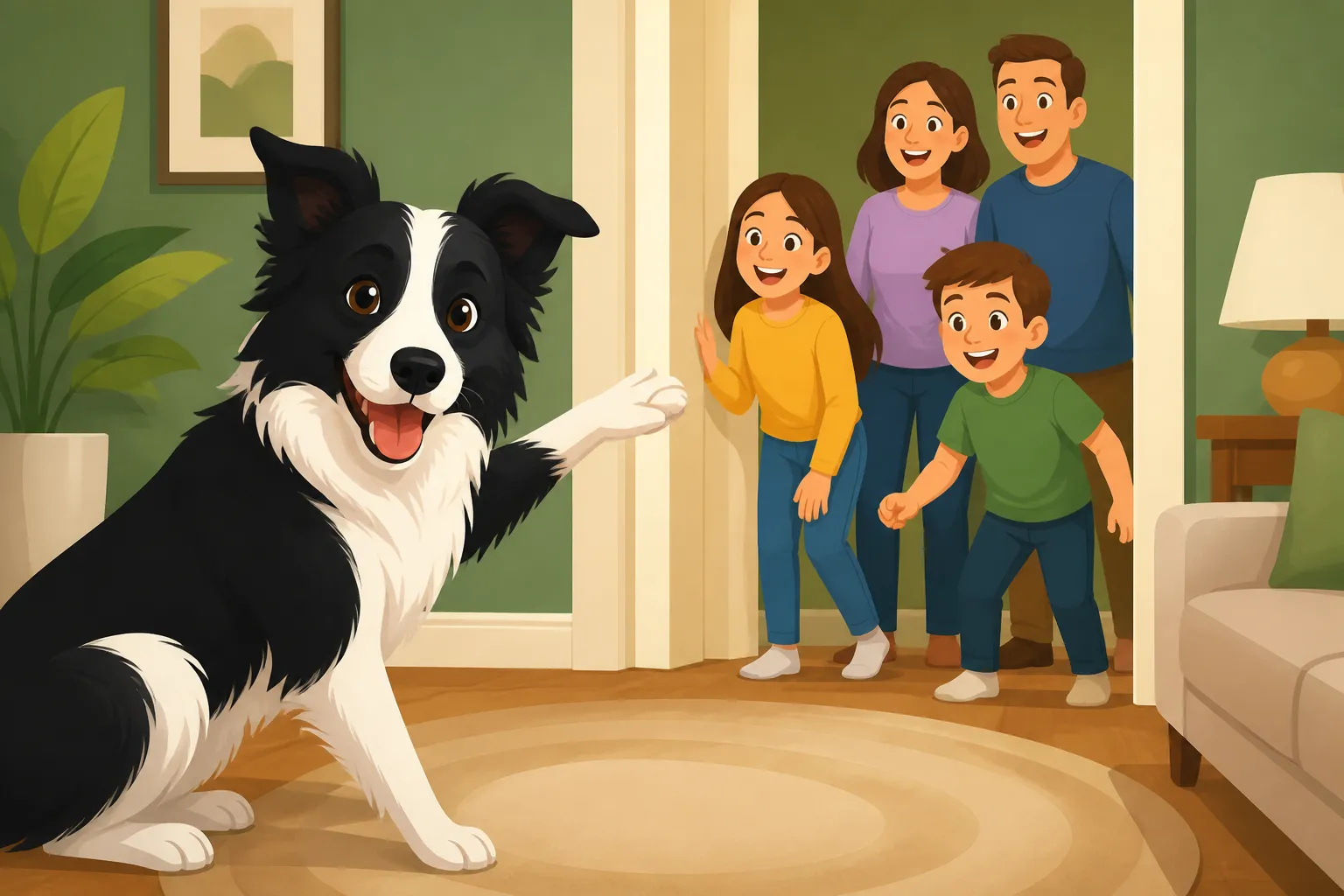
A Border Collie Gathering the Family Into One Room
It’s a scenario many Border Collie owners know all too well: you’re trying to move from the kitchen to the living room, and suddenly, your dog is circling your legs, perhaps nudging your calves, or even giving a gentle nip to an ankle. Before you know it, you, your children, or even your unsuspecting guests, find yourselves being subtly but determinedly gathered into one central location. This guide will delve into why your highly intelligent Border Collie feels the need to herd its human family members, how to recognize these behaviors, and most importantly, how to kindly and effectively redirect this powerful instinct into more appropriate channels.
The Deep-Seated Instinct to Gather
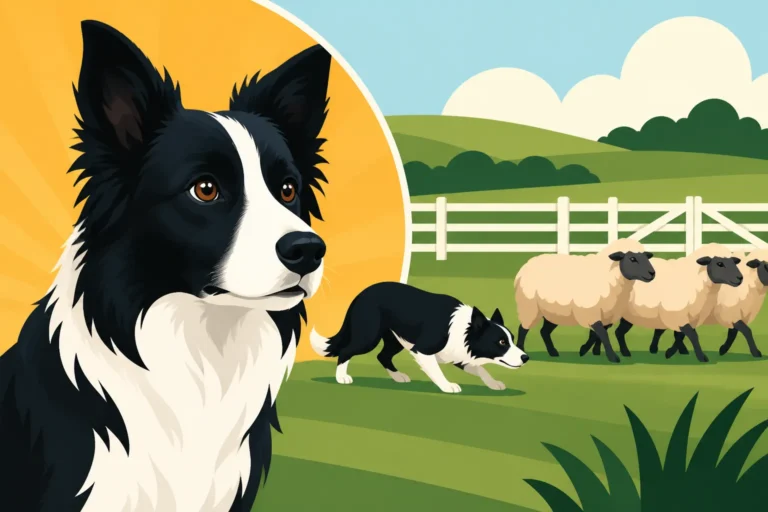
For many Border Collie owners, watching their dog try to "collect" family members can be both amusing and, at times, a little frustrating. It's important to remember that this isn't your dog being disobedient or malicious; it's a direct manifestation of centuries of careful breeding. These dogs were developed to work livestock, and that instinct runs incredibly deep, even in those who have never seen a sheep.
The Genetic Imperative
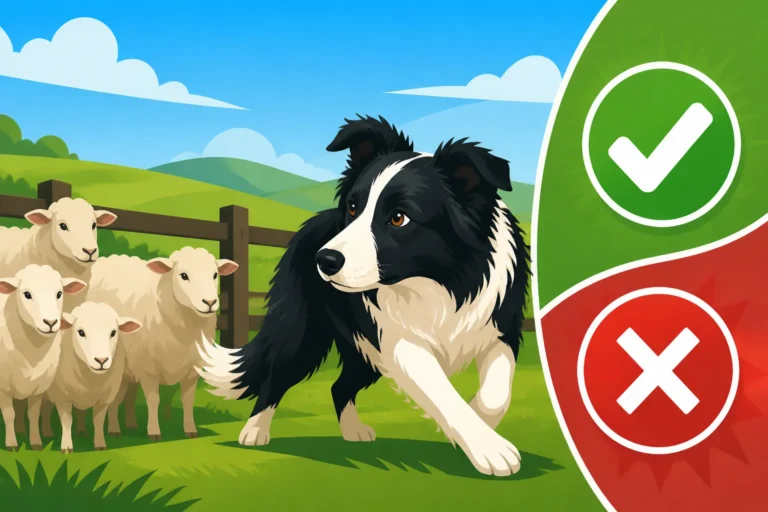
The Border Collie's very essence is tied to its role as a herding dog. They were selectively bred to gather, drive, and control livestock, and this genetic blueprint is passed down through generations. Think of it like a bird building a nest, or a squirrel burying nuts – these are behaviors hardwired into their DNA. Your Border Collie is essentially operating on a primal command to bring order to chaos, and in a domestic setting, "chaos" can simply be your family members moving independently around the house. They see movement, and their brain says, "Right, time to get this lot organized!" It’s not about being the boss, but about fulfilling an intrinsic need to perform their job. Understanding that it comes from such a fundamental place helps us approach the behavior with patience and empathy, rather than annoyance.
Many Border Collie puppies, even those from pet lines, will display this instinct early on, often by trying to "herd" their littermates or even toys. It’s part of what makes them who they are. You might see a young pup exhibiting The Border Collie Stare and Where It Comes From as it focuses intently on a sibling, ready to move them. This isn't something they can simply "turn off," but rather something that needs to be understood and channeled.
Mimicking Livestock Movement
In a Border Collie's world, fast-moving objects, scattered groups, or even just individuals moving in different directions can trigger their herding instinct. Children are particularly prone to this, as their unpredictable movements, running, and high-pitched voices can easily be misinterpreted by a Border Collie as a flock needing to be managed. Imagine a child zooming past on a scooter or playing tag in the backyard; to your Border Collie, this looks suspiciously like a sheep breaking from the flock.
The dog’s response is to intercept, circle, and attempt to bring the "stray" back to the main group. This is why you often see them trying to gather everyone into the living room or kitchen – it's the largest "pen" in their perceived territory. They're trying to contain the "herd" for safety and control, just as their ancestors did with actual sheep. This can be especially pronounced when new people enter the home, as the dog tries to integrate them into its established "flock" or manage the new, unfamiliar movements.
Seeking Control and Order
Beyond just instinct, Border Collies thrive on structure and purpose. They are problem-solvers by nature, and if they perceive a lack of order in their environment, they will often step in to create it. Herding the family into one room is, for them, a way of establishing control over their immediate surroundings and ensuring everyone is where they "should" be. This desire for order is a double-edged sword: it makes them incredibly trainable and dedicated workers, but it can also manifest as unwanted behaviors if not properly managed.
For a Border Collie, a busy household with people moving independently can feel disorganized. They might feel a compulsion to bring everyone together, believing they are helping to maintain harmony and predictability. This drive isn't about dominance in a negative sense, but rather a profound need for structure and a job to do. When they don't have a clear role, they often create one for themselves, and that role frequently involves managing their human companions. This is why providing them with a meaningful What a Border Collie Does With Its Whole Day is so crucial.
Identifying When Your Border Collie is Herding the Family
Recognizing herding behavior in your Border Collie isn't always as obvious as a full-blown "round-up." Sometimes it’s subtle, and sometimes it can escalate quickly, especially if the dog feels its efforts are being ignored or if the "sheep" (you or your family) aren't cooperating. Learning to spot these signs early can help you intervene before the behavior becomes ingrained or problematic.
Circling and Nipping Ankles
This is perhaps the most classic and widely recognized sign of a Border Collie attempting to herd people. Your dog might circle rapidly around your legs, or those of a child or guest, attempting to direct movement. They're essentially creating a moving perimeter. If the "herd" doesn't respond as desired, they may resort to nudging or even a gentle nip at the ankles or heels. It’s important to understand that this nipping is typically not aggressive; it’s a learned behavior from their working heritage, where a quick nip to a sheep's hock would encourage it to move in a desired direction.
While usually not intended to cause harm, these nips can certainly be startling and potentially painful, especially for small children. It's a clear signal that your dog is trying to control movement, and it needs to be addressed consistently. A real-life scenario might be when you're preparing dinner, and your child walks from the living room to the kitchen. Your Border Collie might immediately intercept them, circling and perhaps nipping, trying to bring them back to where the rest of the family is congregated.
Blocking Pathways
Another common herding tactic is physically blocking a person's path. Your Border Collie might stand directly in a doorway, effectively creating a barrier, or position themselves strategically in a hallway to prevent someone from moving from one area to another. This is their way of containing the "flock" within a designated space. They might use their body, or even just their intense stare, to communicate "you shall not pass."
Imagine you're trying to leave a room, and your Border Collie plants itself firmly in the doorway, gazing up at you with focused intensity. It's not necessarily begging for attention or a walk; it's actively trying to manage your movement, to keep you with the "herd." This behavior can be quite persistent, and if you try to step over or around them, they may simply reposition themselves, demonstrating their strong will and commitment to their self-appointed task. This highlights why they might seem to have an inexhaustible drive, and why Why a Border Collie Cannot Stop on Its Own can be such a challenge for owners.
The Intense "Eye"
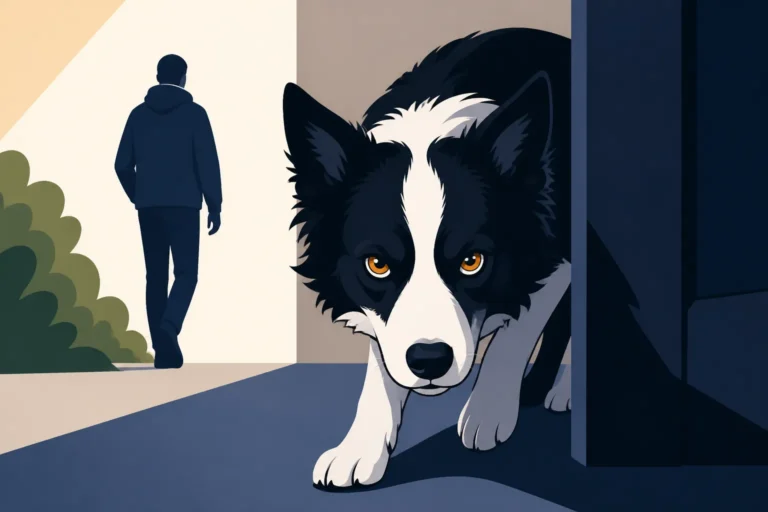
The "Border Collie Eye" is legendary – an intense, focused stare that signals their intention to control. When your dog is gearing up to herd, or actively engaging in it, this "eye" will be highly visible. Their body might be low to the ground, head down, eyes locked onto the person they're trying to move. This isn't just a casual glance; it's a deep, unwavering gaze designed to exert pressure and direct movement.
This intense stare often precedes the physical circling or blocking, acting as a silent command. If you notice your Border Collie adopting this posture and focusing on a family member, particularly one who is moving or separated from the main group, it's a strong indicator that the herding instinct is kicking in. They might be trying to gather you into the group without even touching you, simply by the sheer power of their gaze. A dog might use this eye on a teenager trying to sneak off to their room, silently but effectively conveying the message: "Stay with the group."
| Herding Behavior Characteristic | Description | Common Triggers | How it Feels to the Human |
|---|---|---|---|
| Circling/Nipping | Running around legs, nudging, or gentle nips to hocks/ankles. | Rapid movement, separation from group. | Startling, annoying, mildly painful. |
| Blocking Pathways | Standing in doorways, hallways to impede movement. | Person moving away from the "herd." | Frustrating, feeling controlled. |
| The Intense "Eye" | Low posture, fixed, unwavering stare at the "target." | Movement, perceived disorder, anticipation of action. | Unnerving, a clear sense of command. |
| Gathering Objects | Pushing toys, pillows, or even other pets into a pile. | Instinctive need to collect/organize. | Amusing, but indicates strong drive. |
| Pressure/Pushing | Leaning into a person to guide them. | Subtle redirection of movement. | Gentle but firm persuasion. |
Gentle Redirection Techniques for People-Herding
Successfully managing your Border Collie's people-herding instinct requires consistency, patience, and positive reinforcement. The goal isn't to punish the instinct out of them, which is largely impossible and unfair, but to redirect it into acceptable channels and teach them that herding people is not their job.
Teaching an "Off" or "Leave It" Command
One of the most valuable tools in your training arsenal will be a solid "Off" or "Leave It" command. This teaches your Border Collie to disengage from whatever they are focusing on, whether it's a person they're trying to herd, a dropped piece of food, or another dog. Start teaching this command in a low-distraction environment, using high-value treats. Hold a treat in a closed hand and say "Leave it!" When your dog disengages from your hand, even for a second, open your hand and reward them from your other hand. Gradually increase the distraction level.
Once your dog reliably understands "Leave It," you can apply it to people-herding. When you see your dog begin to eye a family member or start to circle, calmly say "Off" or "Leave It." As soon as they break their focus or stop the behavior, reward them with a treat or praise. The key is consistency and intervening before the behavior escalates. If they're trying to herd a guest, for instance, you can use the command, and if they respond, reward them and then perhaps give them an appropriate "job" to do, like going to their bed with a chew toy. BAXTER & Bella offers some fantastic online resources and courses that can guide you through teaching these foundational commands with clear, step-by-step instructions.
Rewarding Calmness and Proximity
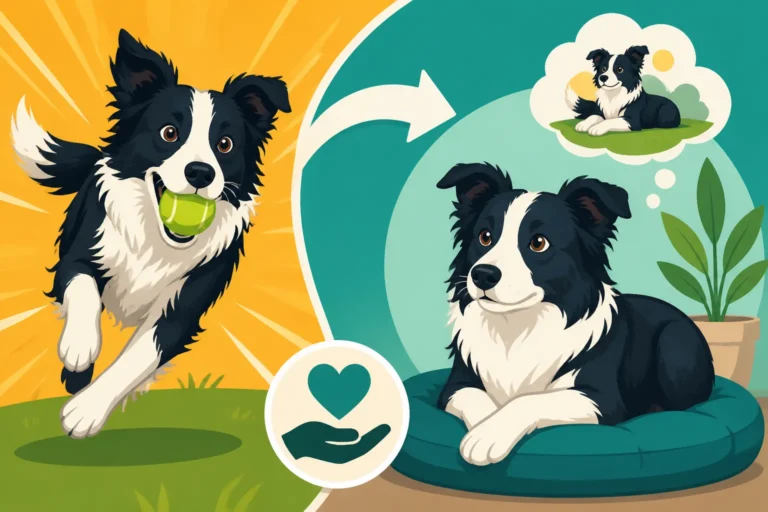
It's easy to focus only on correcting unwanted behaviors, but it's equally, if not more, important to reinforce the behaviors you do want to see. Actively reward your Border Collie when they are calm and simply existing near family members without trying to herd them. This could be when they are lying quietly at your feet while you're watching TV, or when a child walks by without them reacting.
Keep treats handy and casually drop one or offer praise when your dog is relaxed in the presence of others. The idea is to teach them that being calm and non-herding around people leads to good things. For example, if your family is gathered in one room, and your Border Collie is lying calmly on their mat or nearby, periodically reward them. This reinforces the idea that Teaching a Border Collie to Stay on Its Bed calmly while the "flock" is gathered is a highly rewarding behavior. This shifts their association from "I need to control these moving things" to "I can be relaxed and get rewards when people are moving around."
Using Leashes and Barriers
Management is a critical component, especially in the early stages of redirection. When you know situations are likely to trigger herding behavior, such as children playing or guests arriving, use a leash or a physical barrier to manage your dog’s access and prevent them from rehearsing the unwanted behavior. A house line (a lightweight leash worn indoors) allows you to gently guide your dog away from people when they start to exhibit herding signs, without having to physically grab them.
Crate training can also be invaluable. If a particularly exciting or chaotic situation is unfolding, your dog can be safely and comfortably crated with a stimulating chew toy. This prevents them from practicing the herding, and it gives them a quiet space to decompress. Similarly, baby gates or closed doors can be used to create temporary barriers, allowing your dog to observe family members from a distance without being able to intervene. For instance, if you have young children who love to run, using a baby gate to keep your Border Collie in a separate, but visible, area during peak playtimes can prevent herding attempts and protect your children while you actively supervise. Remember, preventing the behavior is often easier than correcting it after it starts.
Management Strategies to Prevent People-Herding
Effective management is all about setting your Border Collie up for success. It involves proactively structuring their environment and interactions to minimize opportunities for unwanted herding, while simultaneously teaching them appropriate behaviors.
Creating "Safe Zones" for Family Members
Designating specific "safe zones" can be incredibly helpful, particularly for children or guests who might be more vulnerable to herding attempts. These are areas where your Border Collie is not allowed to initiate herding behavior, or perhaps not allowed at all without explicit permission and supervision. For instance, a child's play area could be gated off, creating a space where the child can move freely without triggering the dog's instinct.
You can also designate a specific "place" for your Border Collie to go when family members are moving about. This could be a mat, a dog bed, or their crate. Train them to go to their place on cue and to stay there until released. This provides them with a structured alternative to herding. When your kids are running around the living room, you can ask your Border Collie to "Go to your place" and reward them for staying. This gives them a clear directive and prevents them from feeling the need to take matters into their own paws. This is also useful for when you have company; ask your dog to go to their place when guests arrive, giving everyone space to settle in.
Supervised Interactions
Close supervision is paramount, especially during the initial stages of addressing people-herding. Never leave your Border Collie unsupervised with young children or with individuals who are prone to quick, erratic movements that might trigger their herding instinct. An adult should always be present, ready to intervene with a calm "Off" or "Leave It" command, or to redirect the dog to a more appropriate activity.
Supervision isn't just about preventing bad behavior; it's also about identifying and rewarding good behavior. When your Border Collie is calmly observing, or choosing to lie down instead of engaging in herding, that’s your cue to praise and reward them. Think of it as actively coaching them through their natural urges. For example, if a child is walking slowly and calmly, and your Border Collie walks politely beside them without any herding gestures, that's a perfect moment for a quiet "Good dog!" and a small treat. This reinforces the desired interaction. If you notice your dog starting to fixate, you can gently call them away and give a Border Collie something to gather that isn't a human.
Structured Play Sessions
One of the best ways to manage herding behavior is to ensure your Border Collie gets plenty of structured physical and mental exercise. A bored or under-exercised Border Collie is far more likely to invent their own "jobs," which often includes herding anything that moves. Instead of letting them try to herd your family, redirect that incredible drive into organized play.
Activities like fetch, disc dog, or even structured tug games can burn off physical energy. Mental games, like scent work or puzzle toys, are equally important for their sharp minds. Introduce games that mimic herding but use appropriate objects. Large, inflatable herding balls (often called "push balls" or "herding balls" and readily available on Amazon) are excellent for this. Your dog can push and manipulate these without needing livestock or people. Engaging in Big-Ball Herding Games for a Border Collie can be an absolute lifesaver, allowing them to satisfy that deep-seated urge in a safe and constructive way. This kind of structured play should be a regular part of their daily routine.
Providing Appropriate Outlets for Herding Instinct
Since you can't simply remove the herding instinct from a Border Collie, the most effective long-term solution is to provide acceptable, constructive outlets for it. Giving them a "job" that taps into their natural drives will make them happier, more fulfilled dogs and significantly reduce the likelihood of them trying to herd your family.
Herding Games with Large Balls
As mentioned, large herding balls are a fantastic alternative to actual livestock. These oversized, durable balls are designed for dogs to push and maneuver, perfectly mimicking the act of herding. They satisfy the desire to gather and control without involving people or delicate objects. You can find many varieties on Amazon, specifically designed for this purpose. Look for durable materials that can withstand enthusiastic pushing.
Start by introducing the ball in an open, secure area like a backyard or a fenced park. Encourage your Border Collie to push it around, praising and rewarding them for engaging with it. You'll likely see their natural instinct kick in as they try to control its movement. This provides a physical and mental workout, channeling their focus away from your family members. A typical session might involve you rolling the ball a short distance, and your dog eagerly circling and pushing it back towards you or a designated spot. This is a game they can often play solo or with gentle guidance, and it’s a brilliant way to burn off energy and satisfy that innate drive.
Dog Sports and Activities
Border Collies excel in a wide variety of dog sports because these activities tap into their intelligence, agility, and desire to work. Engaging your dog in sports like agility, obedience, flyball, or even rally obedience can be incredibly rewarding for both of you. These sports provide a structured environment where their drive to perform, follow commands, and manage their body can shine.
Agility, for example, requires focus, speed, and responsiveness to commands, all of which are strengths of the Border Collie. Obedience training gives them a clear purpose and mental stimulation, while flyball channels their prey drive and speed into a team sport. Even if you don't plan to compete, local clubs and training centers often offer classes that provide excellent outlets. Consider looking into activities that specifically simulate aspects of herding, even if it's not traditional sheep work. Many Border Collies thrive on Two Hours of Work a Border Collie Needs Daily, and structured sports provide that intense engagement. You might even find that your local area offers beginner herding classes, using small flocks of sheep or ducks, which can be an incredible and safe way to let your Border Collie experience their true calling, even if they're a "pet" Border Collie.
Mental Stimulation and Puzzle Toys
Beyond physical activity, Border Collies require significant mental stimulation to prevent boredom and redirected behaviors. Their sharp minds need to be challenged regularly. Puzzle toys, interactive feeders, and scent work games are excellent tools for this. These activities make them "think" to earn their food or treats, engaging their problem-solving skills and keeping their minds active.
A good puzzle feeder can turn mealtime into a mental exercise, slowing down eating and engaging their brain. Scent work, where they use their noses to find hidden treats or articles, is incredibly tiring for dogs and directly taps into their innate drives. You can also teach them complex tricks or string together a series of commands. For example, instead of just "sit," teach "sit, stay, come, spin, down." This challenges their cognitive abilities and strengthens your bond. Incorporating these types of activities daily can make a huge difference in managing your Border Collie's overall behavior, reducing the likelihood of them resorting to herding family members out of sheer mental under-stimulation. Many online pet supply retailers carry a wide range of these, and a quick search on Amazon will show you just how many options there are to engage your dog's brain.
When to Seek Professional Help
While many cases of people-herding can be managed with consistent training and redirection, there are times when professional intervention is not just helpful but necessary. Recognizing when to call in an expert can prevent the behavior from escalating and ensure both your family and your dog remain safe and happy.
Persistent or Aggressive Herding
If your Border Collie's herding behavior becomes persistent, despite your best efforts at redirection, or if it starts to incorporate aggressive elements like hard nips, growling, or territorial guarding of family members, it’s time to seek professional help. While most herding nips are instinctual and not truly aggressive, repeated, harder nips that cause pain or bruising, or any sign of defensive posturing, demand immediate attention.
A professional dog trainer or a certified behaviorist can assess the underlying reasons for the behavior. Sometimes, what appears to be herding can be complicated by anxiety, resource guarding, or a lack of appropriate socialization. They can help identify triggers you might be missing and develop a tailored training plan that addresses the specific nuances of your dog's behavior. Don't feel ashamed to ask for help; even the most experienced dog owners can benefit from an outside perspective when dealing with complex behaviors in highly driven breeds.
Fear or Anxiety Triggers
Sometimes, what looks like herding might be a coping mechanism for a dog experiencing fear or anxiety. For instance, a dog might try to gather family members if they feel insecure, overwhelmed by loud noises, or anxious about strangers in the home. They might be trying to create a sense of control or safety by keeping their "pack" together. Noise Fear in a Border Collie is a common challenge, and if herding behaviors increase during thunderstorms or fireworks, it's a strong indicator that anxiety is playing a role.
If you notice that the herding behavior coincides with specific stressful situations, or if your dog displays other signs of anxiety like excessive panting, drooling, pacing, or destructive behavior, a veterinary behaviorist or a certified professional dog trainer specializing in fear and anxiety can be invaluable. They can help you identify the root cause of the anxiety and implement strategies to build your dog's confidence and reduce their overall stress levels, which in turn may alleviate the herding behavior.
Working with a Certified Professional
When looking for professional help, it's crucial to find someone qualified and experienced, especially with intelligent, high-drive breeds like Border Collies. Look for trainers or behaviorists who are certified by reputable organizations and who use positive reinforcement methods. Avoid anyone who suggests harsh corrections, punishment, or outdated dominance-based techniques, as these can severely damage your dog’s trust and worsen behavioral issues.
A good professional will conduct a thorough assessment of your dog's history, environment, and specific behaviors. They will then work with you to create a comprehensive plan that includes training exercises, management strategies, and potentially even lifestyle adjustments for your dog. They can teach you how to communicate more effectively with your Border Collie and provide the tools you need to successfully manage and redirect their herding instinct. Organizations like the Certification Council for Professional Dog Trainers (CCPDT) or the International Association of Animal Behavior Consultants (IAABC) can help you find qualified professionals in your area. They understand the unique challenges and incredible potential of the breed, and can help you navigate situations like Why Running Children Set a Border Collie Working.
Disclaimer
This article is for general informational purposes only and does not constitute professional advice. Laws, prices and regulations vary by location and change over time. Consult a qualified professional for guidance on your specific situation.