Border Collie Ads With No Health Results
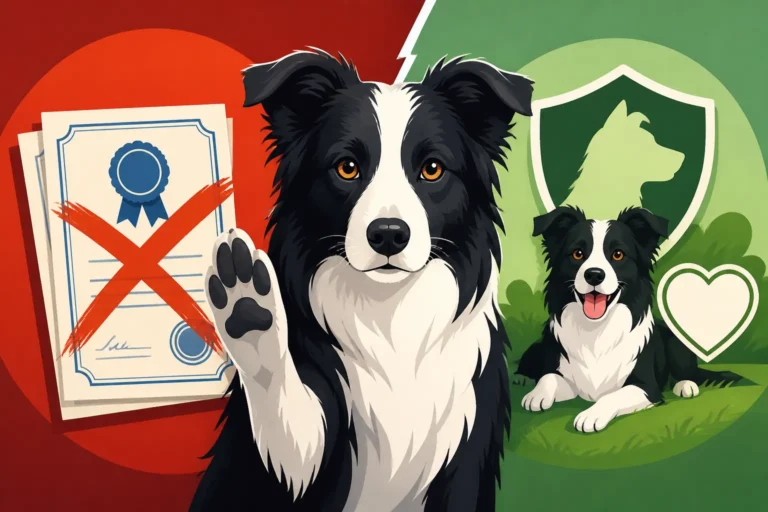
It's a familiar scenario for anyone looking for a Border Collie puppy: you scroll through ads online, or maybe you see a notice posted at a local feed store, and there it is – a cute face, an appealing price, but a glaring omission: no mention of health testing for the parents. This isn't just an oversight; it's a huge red flag that every prospective Border Collie owner needs to understand, and this guide will walk you through why it matters so much, what tests are vital, and how to protect yourself and your future companion.
The Red Flag: Why "No Health Results" is a Serious Concern
When you see an advertisement for a Border Collie without any mention of health testing, it's natural to feel a mix of excitement and apprehension. The excitement comes from the potential of a new puppy, but the apprehension should be a warning signal. In the world of responsible dog breeding, health testing isn't an optional extra; it's a fundamental commitment to the well-being of the breed and, more importantly, to the individual puppies and the families who will love them. Ignoring this crucial step can lead to heartbreaking consequences and significant financial strain down the road. It essentially means you're buying a genetic lottery ticket, and the odds might not be in your favor.
Understanding Inherited Conditions in Border Collies
Border Collies, like all purebred dogs, are prone to certain inherited health conditions. These aren't just minor inconveniences; they can be debilitating, painful, and even life-shortening. Conditions such as hip and elbow dysplasia can cause chronic pain and lameness, requiring expensive surgeries or lifelong pain management. Hip and Elbow Scores in a Border Collie is something every owner should understand, as these structural issues can severely impact a dog's active lifestyle. Then there are eye conditions like Collie Eye Anomaly (CEA) or Progressive Retinal Atrophy (PRA), which can lead to impaired vision or even blindness. Imagine the heartbreak of a young, energetic Border Collie losing its sight.
Beyond structural and ocular issues, Border Collies can also be susceptible to neurological disorders like epilepsy, which can manifest as seizures. Epilepsy in a Border Collie Between One and Five can be incredibly distressing for both the dog and its owner, often requiring daily medication and careful management. Metabolic disorders such as Trapped Neutrophil Syndrome (TNS) or Neuronal Ceroid Lipofuscinosis (NCL) are also on the list, though thankfully less common, and can lead to severe health declines in affected puppies. The reason these conditions persist is often due to breeders who don't understand genetics or simply choose not to screen their breeding stock, perpetuating these issues within the breed lines.
The Ethical Breeder's Commitment to Testing
Responsible breeders invest significant time, effort, and money into ensuring the health of their litters. For them, health testing isn't a burden; it's a moral imperative. They want to produce puppies that live long, healthy, and happy lives, true to the Border Collie's exceptional nature. This means carefully selecting breeding pairs that have been screened for known genetic and structural issues, aiming to minimize the risk of passing these conditions on to their offspring. They understand that their responsibility extends far beyond the sale of a puppy.
An ethical breeder will openly discuss their health testing protocols, often providing verifiable documentation of hip and elbow scores, eye certifications, and genetic panel results for both parents. They are transparent about what tests they've performed and why. This level of transparency is a hallmark of someone dedicated to the breed. If a breeder dodges questions, offers vague answers, or claims their dogs are "healthy because they've never been sick," that's a clear indication they are not prioritizing health, and you should walk away. It's not about guaranteeing a perfect puppy – no breeder can do that – but about significantly reducing the risk of preventable, inherited diseases.
Common Health Tests Every Border Collie Puppy Parent Should Expect
Understanding which health tests are crucial for Border Collies can feel overwhelming, especially for first-time owners. However, a responsible breeder will make this information clear and readily available. These tests fall broadly into two categories: genetic screenings that look at DNA for predispositions to disease, and physical evaluations that assess structural health. Both are equally important in painting a comprehensive picture of a breeding dog's suitability.
Genetic Panel Testing: Beyond the Basics
Genetic testing has become incredibly advanced and affordable, offering insights into a dog's DNA that were unimaginable just a few decades ago. For Border Collies, a comprehensive genetic panel screens for several significant conditions. The most common include Collie Eye Anomaly (CEA), Neuronal Ceroid Lipofuscinosis (NCL), and Trapped Neutrophil Syndrome (TNS), among others. Understanding The Border Collie Genetic Panel and What It Screens is vital for making an informed decision. These tests determine if a dog is clear, a carrier, or affected by specific genetic mutations. Carriers typically won't show symptoms themselves but can pass the gene to their offspring if bred with another carrier.
Breeders should be able to provide results from reputable labs, often showing a "clear by parentage" status for puppies if both parents are clear, or individual puppy results if one or both parents were carriers. Another crucial genetic test to ask about is for the MDR1 gene. Drug Sensitivity and the Border Collie MDR1 Rate explains why this is so important, as dogs with the MDR1 mutation can have adverse reactions to common veterinary medications, making it a critical piece of information for their lifelong care. Don't underestimate the importance of these DNA tests; they offer a window into potential health issues that aren't visible to the naked eye.
Structural Health: Hips, Elbows, and Eyes
Beyond DNA, a Border Collie's physical structure, particularly their joints and eyes, must be thoroughly evaluated. Hip and elbow dysplasia are unfortunately common orthopedic conditions that can severely impact a Border Collie's quality of life, especially for such an active breed. Reputable breeders will have their breeding dogs' hips and elbows evaluated and certified by organizations like the Orthopedic Foundation for Animals (OFA) or PennHIP. These certifications provide an objective assessment of joint health. For example, knowing What an OFA Hip Grade Means for a Border Collie helps you understand the results a breeder shares.
Eye health is another paramount concern. Border Collies should have their eyes examined by a board-certified veterinary ophthalmologist annually to screen for inherited eye diseases. This examination looks for conditions like CEA, PRA, and cataracts. Collie Eye Anomaly in a Border Collie Puppy is a specific concern that a breeder should address. Puppies often get an initial eye check at around six to eight weeks of age before they go to their new homes. These physical evaluations are critical because even if a dog is genetically clear for certain conditions, environmental factors and polygenic inheritance can still play a role in structural development. A thorough breeder leaves no stone unturned when it comes to these vital health screenings.
Table: Key Health Tests for Border Collies
| Test Category | Specific Tests Commonly Performed | Purpose | Age/Frequency | Key Organizations/Certifications |
|---|---|---|---|---|
| Genetic Panel (DNA) | Collie Eye Anomaly (CEA) | Detects genetic mutation linked to eye abnormalities | Once (for breeding stock) | OFA, Paw Print Genetics, Embark |
| Trapped Neutrophil Syndrome (TNS) | Detects genetic mutation causing severe immune deficiency | Once (for breeding stock) | OFA, Paw Print Genetics, Embark | |
| Neuronal Ceroid Lipofuscinosis (NCL) | Detects genetic mutation causing neurological degeneration | Once (for breeding stock) | OFA, Paw Print Genetics, Embark | |
| Multi-Drug Resistance 1 (MDR1) | Detects mutation affecting drug metabolism | Once (for breeding stock) | OFA, Paw Print Genetics, Embark | |
| Orthopedic | Hip Dysplasia Evaluation (X-ray) | Screens for abnormal hip joint development | After 24 months (for breeding stock) | OFA, PennHIP |
| Elbow Dysplasia Evaluation (X-ray) | Screens for abnormal elbow joint development | After 24 months (for breeding stock) | OFA | |
| Ophthalmic | Canine Eye Registration Foundation (CERF/OFA Eye) | Annual exam by a veterinary ophthalmologist for hereditary eye diseases | Annually (for breeding stock), 6-8 weeks (puppies) | ACVO, OFA Eye Certification Registry |
Navigating Advertisements: What to Look For and What to Avoid
The internet has made finding a puppy both incredibly easy and incredibly risky. While the sheer volume of available dogs might seem like a good thing, it also means you're constantly sifting through legitimate breeders, backyard breeders, and even puppy mills. When you're scanning those ads, whether on specialized websites or social media groups, knowing what signals a responsible breeder versus someone who is cutting corners is paramount. The absence of health results is, as we've discussed, a primary warning sign, but it's far from the only one.
Deciphering Breeder Claims and Red Flags
A common tactic of less-than-reputable breeders is to use vague language or outright avoid the topic of health. You might see phrases like "vet checked," which simply means a veterinarian looked at the puppy and deemed it generally healthy at that moment. It has absolutely no bearing on the genetic health of the parents or the puppy's long-term predisposition to inherited diseases. Similarly, "champion bloodlines" might sound impressive, but without verifiable health clearances, it's an empty claim. A dog can be a champion in the show ring or field but still carry genes for significant health issues. True transparency means specific certifications and documentation.
Other red flags to watch for include breeders offering multiple breeds, selling puppies on a "first come, first served" basis without a screening process, or those who pressure you for a quick sale. The price itself can also be an indicator; if a Border Collie is advertised significantly cheaper than the average for well-bred puppies, like The Border Collie Advertised Under Eight Hundred Dollars, it’s often because corners have been cut, particularly in health testing. Remember, a responsible breeder cares deeply about where their puppies go and will likely have as many questions for you as you have for them.
The Long-Term Costs of Untested Puppies
Choosing a puppy from an untested lineage might seem like a way to save money upfront, but it almost always ends up costing significantly more in the long run, both financially and emotionally. Imagine adopting a puppy only to face a diagnosis of severe hip dysplasia at a year old, requiring multiple surgeries and years of medication. The veterinary bills for treating conditions like severe hip dysplasia, epilepsy, or advanced eye disease can quickly skyrocket, potentially reaching thousands or even tens of thousands of dollars over the dog's lifetime. While pet insurance, such as policies offered by Healthy Paws, can help mitigate some of these expenses, it often has exclusions for pre-existing conditions or may not cover genetic issues if a diagnosis is made too early.
Beyond the financial burden, there's the profound emotional toll. Watching your beloved companion suffer from a preventable inherited disease is heartbreaking. The stress, worry, and time spent on vet visits and special care can be immense. This is why understanding The Untested Border Collie That Costs You at Four is so critical – those initial savings disappear quickly when you're faced with chronic illness. A healthy dog, bred from health-tested parents, is truly an investment in years of joy and companionship, rather than a gamble on potential heartache and debt.
Finding a Responsible Breeder: Your Best Defense
So, how do you navigate this landscape and find a truly responsible Border Collie breeder who prioritizes health? It requires patience, research, and a willingness to ask tough questions. It's not about finding the first available puppy, but about finding the right puppy from the right source. This diligence upfront is your best insurance policy for a healthy, well-adjusted companion who embodies the intelligence and vigor Border Collies are renowned for.
Asking the Right Questions and Expecting Documentation
When you first contact a potential breeder, be prepared with a list of questions, and expect them to be able to answer them thoroughly and confidently. Always ask about the health testing of both the sire (father) and dam (mother) of the litter. Specifically inquire about hip and elbow scores, annual eye certifications, and the results of a full genetic panel. The breeder should not only be able to tell you the results but also provide verifiable documentation from official registries like OFA, PennHIP, or a veterinary ophthalmologist. Asking a Border Collie Breeder for Test Results is not an imposition; it's your right as a prospective owner.
Furthermore, ask about their philosophy on breeding, how they socialize their puppies, and what kind of support they offer after you take a puppy home. A good breeder will be a lifelong resource. They should also inquire about your living situation and experience, ensuring their puppy is going to a suitable home. This mutual vetting process is a positive sign. Reputable breeders are proud of their health clearances and will happily share them, often having them posted on their websites or readily available to interested parties.
Beyond the Paperwork: Observing the Environment
While health documentation is crucial, it's also important to get a sense of the breeder's overall environment and practices. If possible, visit the breeder's home or facility. Observe the conditions the dogs and puppies are kept in – they should be clean, safe, and stimulating. Pay attention to the temperament of the parent dogs; they should be friendly, outgoing, and well-socialized, as temperament is also largely inherited. A shy, fearful, or aggressive parent can pass those traits on.
You should be able to see the mother with her puppies, and ideally, interact with her. A breeder who won't let you see where the puppies are raised, or who insists on meeting you in a neutral location like a parking lot, is a major red flag. They might be trying to hide unsanitary conditions or an overly large operation. Finally, consider what kind of food the puppies are being raised on. A breeder who prioritizes nutrition might opt for high-quality foods, perhaps even from services like Ollie, or recommend trusted brands available on Chewy for when your puppy comes home. This attention to detail reflects a broader commitment to the puppies' welfare, setting the stage for a Border Collie that, with luck and good care, could be one of The Border Collie That Stays Sound Into Its Teens.
Disclaimer
This article is for general informational purposes only and does not constitute professional advice. Laws, prices and regulations vary by location and change over time. Consult a qualified professional for guidance on your specific situation.