Feeling Ribs Through a Rough Border Collie’s Coat
It’s a common dilemma for us Border Collie owners, isn’t it? You’re looking at your beautiful, fluffy companion, all energy and intelligent eyes, and you just can't quite tell if they're carrying a healthy amount of weight. Their glorious, often dense, rough coat is fantastic for keeping them warm and protected, but it can also be a master of disguise, hiding a multitude of body conditions underneath. This guide is all about cutting through that fluff – literally – to help you confidently assess your rough-coated Border Collie’s physique and ensure they’re in prime condition, whether they're tearing around a trial field or simply enjoying a long hike with you.
The Challenge of the Rough Coat: A Thick Veil
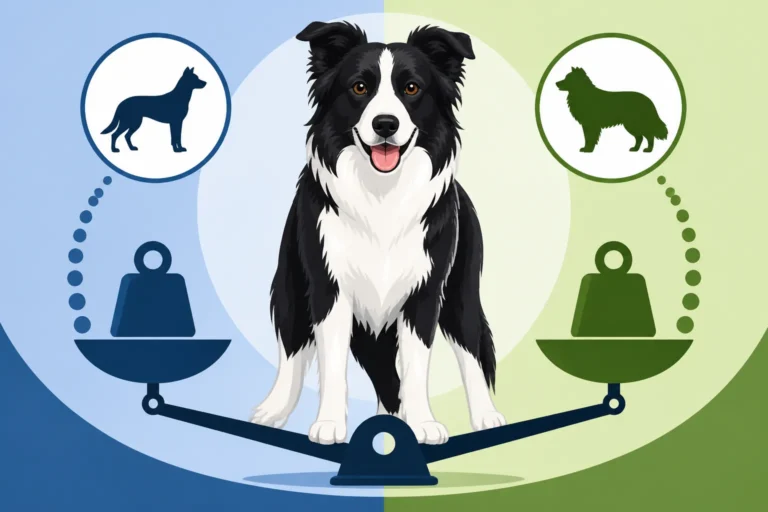
One of the defining characteristics of many Border Collies is their magnificent coat. While some Border Collies have sleek, smooth coats, the rough-coated variety boasts a lush, longer outer coat and a thick, soft undercoat. This combination, while undeniably beautiful, presents a unique challenge when it comes to assessing their body condition. It’s like trying to judge the lean muscle of an athlete through a thick winter parka – almost impossible with just your eyes.
Why Rough Coats Are So Deceptive
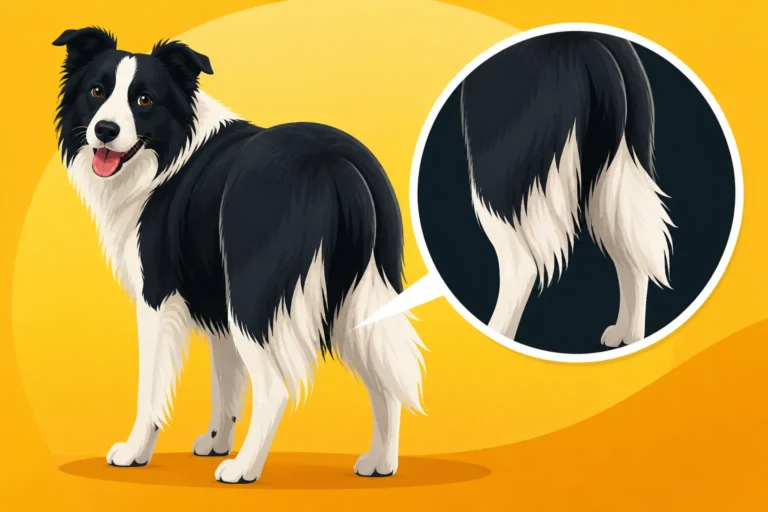
A rough Border Collie's coat is a marvel of natural engineering, designed to withstand the harsh weather of the Scottish borders where the breed originated. It’s a double coat, meaning it has two distinct layers. The outer layer consists of longer, coarser guard hairs that repel water and dirt, while the inner layer is a dense, woolly undercoat that provides insulation. This undercoat can be incredibly thick, especially during colder months or if your dog is due for a good brushing session to remove dead hair.
The deception comes into play because this voluminous coat can make a dog appear heavier than they are, or conversely, hide a dog that's actually too lean. You might look at your dog and think they look perfectly robust, only to find when you get your hands on them that they're a bit too bony or, perhaps, a little softer around the middle than you’d prefer. It's not uncommon for owners to overestimate their dog's body condition because the coat simply fills out the silhouette, creating an illusion of healthy padding where there might be none, or camouflaging excess weight that would be obvious on a smooth-coated dog. The coat adds visual bulk, obscuring the natural lines and contours of their athletic frame, which are crucial indicators of their true weight and muscle mass.
The Difference Between Visual and Tactile Assessment
Given the deceptive nature of the rough coat, relying solely on your eyes for a body condition assessment is simply not enough. It’s like trying to guess the ripeness of a peach by just looking at its fuzz – you really need to feel it. For Border Collies, and especially the rough-coated ones, a tactile assessment – meaning using your hands – is absolutely paramount. You have to get in there, past the fluff, and feel what’s underneath.
The "eye test" often fails because the coat's density and length can distort the visible waistline, obscure the prominence of hip bones, and mask the curve of the ribs. A dog might appear to have a defined waist from a distance, but closer inspection with your hands reveals a layer of fat that shouldn't be there. Conversely, a working Border Collie might look slender, almost skinny, to the untrained eye because of their lean muscle mass, but when you feel them, their ribs are perfectly palpable without being overly sharp. The purpose of this diligent assessment isn't just about aesthetics; it's about health and performance. An overweight dog is at higher risk for joint problems, heart issues, and reduced stamina, while an underweight dog might lack the energy and reserves needed for their active lifestyle. Therefore, regular, hands-on checks are essential for maintaining your Border Collie's optimal well-being.
Understanding the Ideal Border Collie Body Condition
Before you can effectively assess your Border Collie's body condition, it's vital to understand what the ideal physique should feel like. These dogs are athletes, bred for endurance, agility, and quick bursts of speed. Their bodies are designed for work, not for carrying extra cushioning.
The Working Dog Physique: Lean and Athletic
A Border Collie in prime condition should be a picture of lean athleticism. They aren't meant to be bulky or heavily muscled like some bully breeds, nor should they be delicate or overly slight. Think of a long-distance runner or a highly conditioned soccer player – strong, agile, and efficient. Their bodies are built for sustained effort, navigating uneven terrain, and quick changes in direction.
When you run your hands over an ideally conditioned Border Collie, you should feel a distinct muscle tone throughout their body. Their back should be strong, their shoulders well-defined, and their hindquarters powerful. The key is minimal fat cover. You should be able to clearly feel their ribs without having to press hard, but they shouldn't be visually prominent or feel sharp and angular, like touching knuckles. You should also be able to easily feel the points of their hips and the prominent bones at the base of their tail, again, with a slight covering of muscle and skin, but no thick layer of fat. From above, they should have a discernible waist, tapering in slightly after the rib cage, and from the side, their abdomen should tuck up somewhat, rather than hanging low. This lean build helps them maintain stamina and agility, crucial for their working heritage. Compare this to The Body Condition a Sport Border Collie Carries, where every ounce contributes to efficiency or hinders it. This is why the ideal weight for a pet Border Collie, while still lean, might have a tiny bit more cushioning than a high-level competitor, but the core principles of feeling their bone structure remain the same.
The Importance of Rib Palpation
Rib palpation is arguably the most crucial step in assessing your Border Collie's body condition, especially with that thick rough coat. It's the most reliable indicator of fat cover, as the ribs are covered by relatively thin muscle and skin compared to other parts of the body, making changes in fat easier to detect. Simply looking at your dog won't cut it, as the coat will obscure any visual cues.
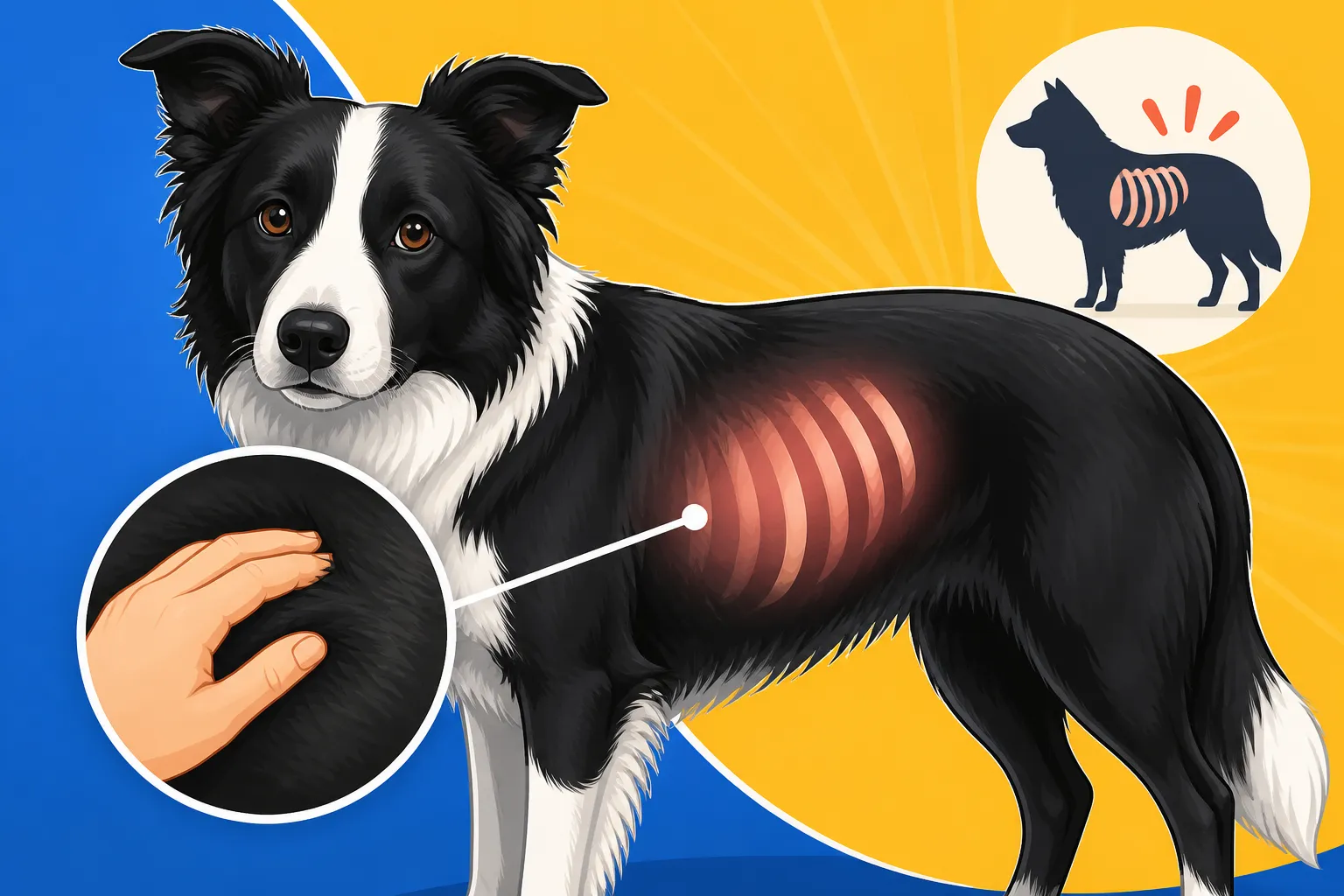
To perform effective rib palpation, you need to use your fingertips and palms to gently yet firmly feel along the side of their chest. Start by placing both hands flat on their rib cage, just behind their front legs. Then, with your fingers spread slightly, move your hands backward and forward across the ribs, applying gentle pressure. You're feeling for the individual bones, assessing how easily they can be felt.
The goal is to feel the ribs distinctly, much like running your hand over the back of your own fingers, where you can feel each knuckle but they aren't painfully sharp or exposed. If you can't feel the ribs at all without really digging, or they feel spongy and soft, your dog is likely carrying too much weight. This is akin to trying to feel your knuckles through the palm of your hand – difficult because of the padding. On the flip side, if their ribs feel sharply defined, like touching the knuckles on your closed fist with no discernible fat or muscle over them, they might be too thin. This method gives you a clear, objective measurement that visual cues often fail to provide, allowing you to make informed decisions about their diet and exercise.
Step-by-Step: How to Feel Your Border Collie's Ribs
Now that we understand the 'why,' let's get down to the 'how.' Feeling your rough-coated Border Collie's ribs effectively requires a systematic approach and a bit of practice. Don't worry if it feels awkward at first; you'll get the hang of it quickly.
Setting Up for a Successful Palpation
Choosing the right time and place can make a big difference in how accurately you can assess your dog. Pick a quiet moment when your Border Collie is relaxed and standing comfortably. If they're wiggly or overly excited, it'll be tough to get a good feel. A good time might be after a potty break, or when they're settled after some mental work but before a meal, so they're not too distracted by hunger.
Begin by gently stroking their side, getting them used to your touch in that area. Use flat hands, not poking fingers, to avoid startling them. Start with a light touch and gradually increase pressure until you can feel the underlying structures. For rough-coated dogs, you might need to part the fur slightly with your fingers or work against the lay of the coat to get a better sense of what's beneath. Sometimes, if the coat is particularly dense or matted, a good grooming session can make this task much easier. This is where topics like Brushing Out a Rough Border Collie's Feathering become relevant; a well-groomed coat is easier to assess. You want your dog to see this as a normal, pleasant interaction, not something intrusive. Consistency is key, so try to make it a regular habit, perhaps once a week or every couple of weeks, so you can track changes over time.
The "Hand Test" for Body Condition
The "hand test" is a simple yet incredibly effective way to interpret what you're feeling on your Border Collie's ribs. It gives you a tangible reference point on your own body to compare against what you're feeling on your dog.
Here's how it works:
-
Too Thin (Like Your Knuckles): Make a fist. Now, feel the knuckles on the back of your hand. They are sharp, prominent, and have very little padding over them. If your Border Collie's ribs feel like this – very distinct, sharp, and easy to see without much effort (if the coat weren't there) – they are likely too lean. You'll feel minimal fat or muscle cover, and the spaces between the ribs might feel sunken. This could indicate insufficient calorie intake or an underlying health issue.
-
Ideal (Like the Back of Your Hand): Now, open your hand flat and feel the bones on the back of your hand, just above your knuckles. You can feel the individual bones distinctly, but they have a light covering of skin and tissue, making them feel smooth rather than sharp. This is what you're aiming for with your Border Collie's ribs. You should be able to easily feel each rib with gentle pressure, but they shouldn't be visually obvious or feel "bony." There's a subtle layer of muscle and a thin layer of fat. This indicates a healthy, athletic weight.
-
Too Fat (Like Your Palm): Now, turn your hand over and feel the palm of your hand. The bones in your palm are much harder to feel because of the thicker padding of muscle and fat. If you have to press firmly to even locate your Border Collie's ribs, or they feel soft and covered by a spongy layer, they are likely overweight. The individual ribs might be indistinguishable, feeling like a broad, flat surface. This excess fat can obscure their natural waistline and lead to a host of health problems.
Once you've assessed the ribs, don't stop there. Gently move your hands along their spine, feeling the bony projections. In an ideal dog, you should be able to feel the individual vertebrae with light pressure, but not see them sharply defined. Then, move to their hip bones – the two prominent points at the back of their pelvis. Like the ribs, they should be easily palpable but not jutting out. Remember, consistency in your technique will improve your accuracy over time.
Interpreting Your Findings and Taking Action
Once you've honed your tactile assessment skills, the next step is to interpret what you're feeling and decide if any changes are needed. It's a continuous process, not a one-time check.
When Your Border Collie Is Too Lean
If, after performing the hand test, you find that your Border Collie's ribs feel sharp and prominent, like your knuckles, and you can easily see their hip bones or the individual bumps of their spine even through their coat, they might be too lean. Beyond just feeling bony, you might notice other signs such as a lack of energy, a dull coat, or perhaps an increased appetite without corresponding weight gain.
Several factors can contribute to a Border Collie being underweight. The most common is often insufficient calorie intake for their activity level. These dogs burn an incredible amount of energy, especially if they're working sheep, participating in agility, or just having a very active day. What seems like a reasonable amount of food for another breed might be woefully inadequate for a driven Border Collie. Another possibility could be underlying health issues, such as parasites, dental problems that make eating painful, or metabolic conditions that prevent nutrient absorption. This is why a vet consultation is always a good idea if you suspect your dog is underweight.
To address a lean physique, the first step is to critically evaluate their diet. Are you feeding a high-quality food appropriate for active dogs? Are you feeding enough? For a Border Collie that works two hours a day, their caloric needs can be significantly higher than a sedentary dog's. Feeding a Border Collie That Works Two Hours a Day involves carefully calculated rations. You might consider increasing their meal portions slightly, or switching to a more calorie-dense food. Brands like Ollie, known for fresh, human-grade ingredients, can sometimes offer a more nutrient-dense option that supports healthy weight gain and muscle maintenance. Always make dietary changes gradually to avoid upsetting their stomach. Remember, the goal isn't to make them fat, but to build healthy muscle and a slight, protective fat layer. If you're pondering Whether a Thin Border Collie Is Underfed or Just Fit, remember that "fit" still means palpable ribs with a slight covering.
When Your Border Collie Is Carrying Too Much Weight
On the other end of the spectrum, if you're struggling to feel your Border Collie's ribs, or they feel soft and padded like the palm of your hand, and you notice a lack of a distinct waistline, they are likely carrying too much weight. This is a common issue even with active breeds, often due to overfeeding, too many treats, or a slight decrease in activity as they age or during off-seasons.
The risks associated with excess weight in Border Collies are significant. Extra pounds put unnecessary strain on their joints, predisposing them to conditions like hip and elbow dysplasia or accelerating the onset of Osteoarthritis in a Border Collie by Eight. It can also exacerbate issues like Border Collie Collapse, reduce their stamina, and make them more susceptible to overheating. Overweight dogs simply cannot perform at their best, and their overall lifespan and quality of life can be severely impacted.
The primary approach to managing excess weight is through a combination of diet modification and appropriate exercise. Reducing their daily food intake and being scrupulous about measuring portions is crucial. Don't forget to account for treats in their daily calorie allowance. If your Border Collie is getting a lot of training treats, consider using their regular kibble or very low-calorie options. While increasing exercise might seem like the obvious solution, it needs to be done carefully, especially if your dog is already overweight, as too much impact can stress already burdened joints. Instead, focus on consistent, moderate activity and mental stimulation. You might find useful insights in Taking Weight Off a Border Collie Without Cutting Work. Consulting your veterinarian is highly recommended to rule out any medical reasons for weight gain and to help create a tailored weight loss plan, including specific dietary recommendations and a safe exercise regimen. They might suggest a prescription weight-management food or simply guide you on portion control for their current diet.
Maintaining Optimal Weight Through Diet and Exercise
Achieving and maintaining your Border Collie's optimal weight is a continuous effort that weaves together thoughtful nutrition and consistent, appropriate exercise. It’s a dynamic balance that changes with age, activity level, and even the seasons.
Tailoring Nutrition for Your Border Collie
Nutrition is the bedrock of good health and plays the most significant role in weight management. Border Collies, particularly those engaged in regular work or sport, have high energy demands, but these demands aren't static. A young, actively trialing Border Collie will have vastly different caloric needs than a retired senior or a pet who enjoys daily walks.
Choosing a high-quality food is paramount. Look for brands that list real meat as the first ingredient and have a balanced blend of protein, fats, and carbohydrates. For active dogs, a "performance" or "active dog" formula, often higher in fat and protein, might be necessary. You can dive deeper into this topic with Feeding a Border Collie on a Performance Diet. However, even with the best food, portion control is key. Don't just "eyeball" it; measure your dog's food with a precise cup or a kitchen scale. This is especially true if you are trying to manage weight, as even small overestimations daily can lead to significant weight gain over time. Many owners find it helpful to purchase food in bulk from online retailers like Chewy or Amazon, ensuring they always have their preferred diet on hand.
Remember that treats, chews, and food puzzles also contribute to daily calorie intake. These aren't "free" calories. If your Border Collie is prone to weight gain, you might need to reduce meal portions slightly to accommodate training treats, or opt for very low-calorie alternatives like small pieces of carrot or green bean. During the off-season, when activity levels might drop, it's essential to adjust their food accordingly. Adjusting a Border Collie's Food in the Off Season is a critical skill for any owner. Regularly check their body condition and adjust their food intake in small increments as needed, always observing their energy levels and stool quality.
The Role of Consistent Exercise
While diet controls calories in, exercise influences calories out and, equally important, builds and maintains the lean muscle mass that defines a healthy Border Collie physique. However, not all exercise is created equal, especially for these intelligent dogs.
Simply letting a Border Collie run around a large yard, while it might burn some calories, often isn't enough to truly satisfy their physical and mental needs. They need structured, purposeful activity. This can take many forms: herding practice, agility training, flyball, disc dog, long hikes, or even advanced obedience work. The intensity and duration of exercise should be tailored to your individual dog's age, fitness level, and overall health. A young, fit Border Collie might thrive on a couple of hours of intense work daily, while an older dog might benefit more from shorter, more frequent walks and mental games.
Crucially, mental stimulation is just as important as physical exercise for a Border Collie. A dog that is physically tired but mentally bored can still engage in destructive behaviors or develop compulsive habits. Incorporating puzzle toys, scent work, or learning new tricks can burn mental energy, which, surprisingly, often tires them more effectively than purely physical exertion. Exercise, Work and What Actually Settles a Border Collie explores this balance in depth. If your dog gets bored with just running around, consider Mental Work That Tires a Border Collie Faster to keep them engaged. Consistent, varied exercise not only helps maintain a healthy weight by burning calories but also keeps their muscles toned, ligaments strong, and minds sharp, all contributing to a vibrant and healthy life.
Regular Monitoring and Professional Guidance
Maintaining your Border Collie's optimal body condition is an ongoing commitment. It requires vigilance, consistency, and knowing when to seek professional help.
Making Body Condition Assessment a Routine
The key to preventing significant weight fluctuations is regular monitoring. Don't wait until you notice a drastic change in your dog's appearance; by then, the problem might be more established. Instead, make the tactile body condition assessment a routine part of your dog's care.
Consider doing a quick "rib check" weekly or at least every two weeks. This could be part of your regular grooming session, or perhaps after a walk when they're relaxed. By checking frequently, you'll become more attuned to subtle changes in their body. For instance, you might notice their ribs are becoming slightly harder to feel, indicating a slight weight creep, or conversely, feeling a bit more prominent, suggesting they might be burning more calories than they're taking in. Keeping a simple log, even mental notes, can help you track these changes over time. You might jot down "ribs good" or "a little soft" to give you a reference point. This proactive approach allows you to make minor dietary or exercise adjustments early on, preventing small shifts from becoming bigger issues down the road.
When to Consult Your Veterinarian
While regular home assessments are incredibly valuable, they are not a substitute for professional veterinary advice. There are certainly times when a vet's expertise is absolutely essential.
You should always consult your veterinarian if you notice any rapid or unexplained weight changes, whether it's significant gain or loss. A sudden drop in weight, especially if accompanied by changes in appetite, energy levels, or stool, could indicate an underlying medical condition such as dental disease, gastrointestinal issues, metabolic disorders, or even certain cancers. Similarly, unexpected weight gain, even with consistent diet and exercise, could point to hormonal imbalances, fluid retention, or other health concerns. Your vet can perform a thorough physical examination, recommend diagnostic tests like Yearly Bloodwork for a Border Collie, and help identify the root cause. They can also provide personalized dietary recommendations, calculate precise calorie needs, and advise on safe exercise plans, especially if your Border Collie has pre-existing conditions or injuries. Never hesitate to reach out to your vet if you have any concerns about your Border Collie's body condition or overall health. They are your best partner in ensuring your intelligent companion lives a long, healthy, and happy life.
| Body Condition | Ribs (Tactile) | Waist (Visual) | Spine/Hips (Tactile) | Action Needed |
|---|---|---|---|---|
| Too Thin | Easily visible, sharp, no fat cover (knuckles) | Highly prominent, deep tuck | Bones very prominent, easy to see/feel | Increase food, vet check for underlying issues |
| Ideal | Easily palpable, slight fat cover (back of hand) | Clearly discernible, gentle tuck | Easily palpable, slight cover | Maintain current diet & exercise |
| Overweight | Hard to feel, covered by fat (palm) | Minimal to no waist, straight or bulging | Hard to feel, covered by fat | Reduce food, increase appropriate exercise, vet check |
Disclaimer
This article is for general informational purposes only and does not constitute professional advice. Laws, prices and regulations vary by location and change over time. Consult a qualified professional for guidance on your specific situation.