How Often a Rough Border Collie Needs Brushing
Oh, the rough-coated Border Collie! You bought into that stunning, flowing coat, didn't you? And now you're wondering just how much brushing it actually needs to stay looking magnificent and, more importantly, stay healthy and mat-free. It's a question many Border Collie owners wrestle with, especially when that glorious double coat starts its seasonal "explosion." This guide will help you navigate the nuances of rough coat maintenance, ensuring your Border Collie's beautiful fur doesn't become a source of frustration for either of you.
The Rough Coat: A Masterpiece of Nature, a Challenge for Owners
Let's be honest, that lush, flowing coat on a rough Border Collie is part of their undeniable charm. It makes them look like magnificent, wild creatures. But that beauty comes with its own unique set of demands. Unlike their smooth-coated cousins, rough-coated Border Collies have a longer outer guard coat and a dense, soft undercoat. This combination is brilliant for keeping them warm in winter, cool in summer, and protected from the elements while working stock, but it's also a magnet for burrs, dirt, and, most famously, mats.
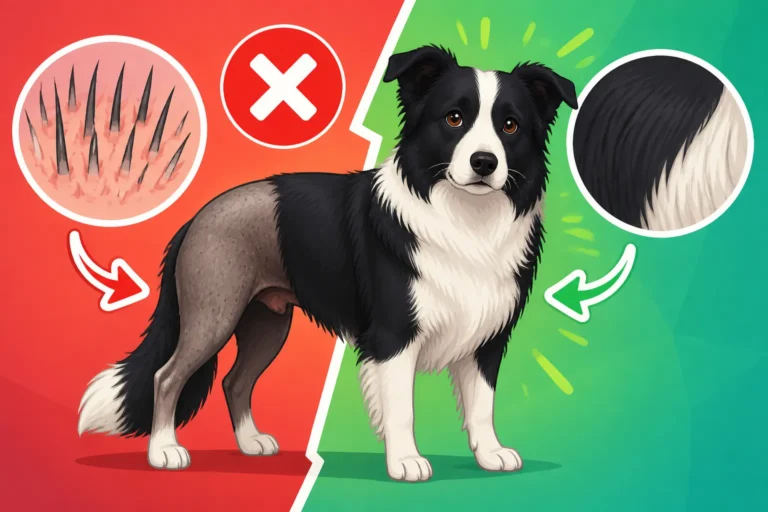
Imagine your Border Collie, full of life, tearing through tall grass or brambles. Every single one of those long outer hairs and dense undercoat fibers is designed to catch and hold debris. While a smooth coat might let things slide off, a rough coat acts like a natural Velcro suit. Owners often face the frustration of finding twigs, leaves, and burrs practically woven into the coat after a single outing. Then there's the shedding. Oh, the shedding! It's not just a seasonal event; it's a year-round reality, intensifying to a veritable snowstorm during the spring and fall molts. If that dead hair isn't removed, it quickly compacts, forming painful mats that pull at the skin and can hide skin infections or parasites. This isn't just about aesthetics; it's about your dog's comfort and well-being.
How Often to Brush: Finding Your Routine
So, how often is often enough? There’s no single magic number, but think of it this way: consistent, preventative maintenance is far less work than battling a fully matted coat. For a rough-coated Border Collie, "as needed" is actually quite frequent, often meaning daily or every other day, especially during certain times of the year or after specific activities.
The Baseline: Weekly Maintenance
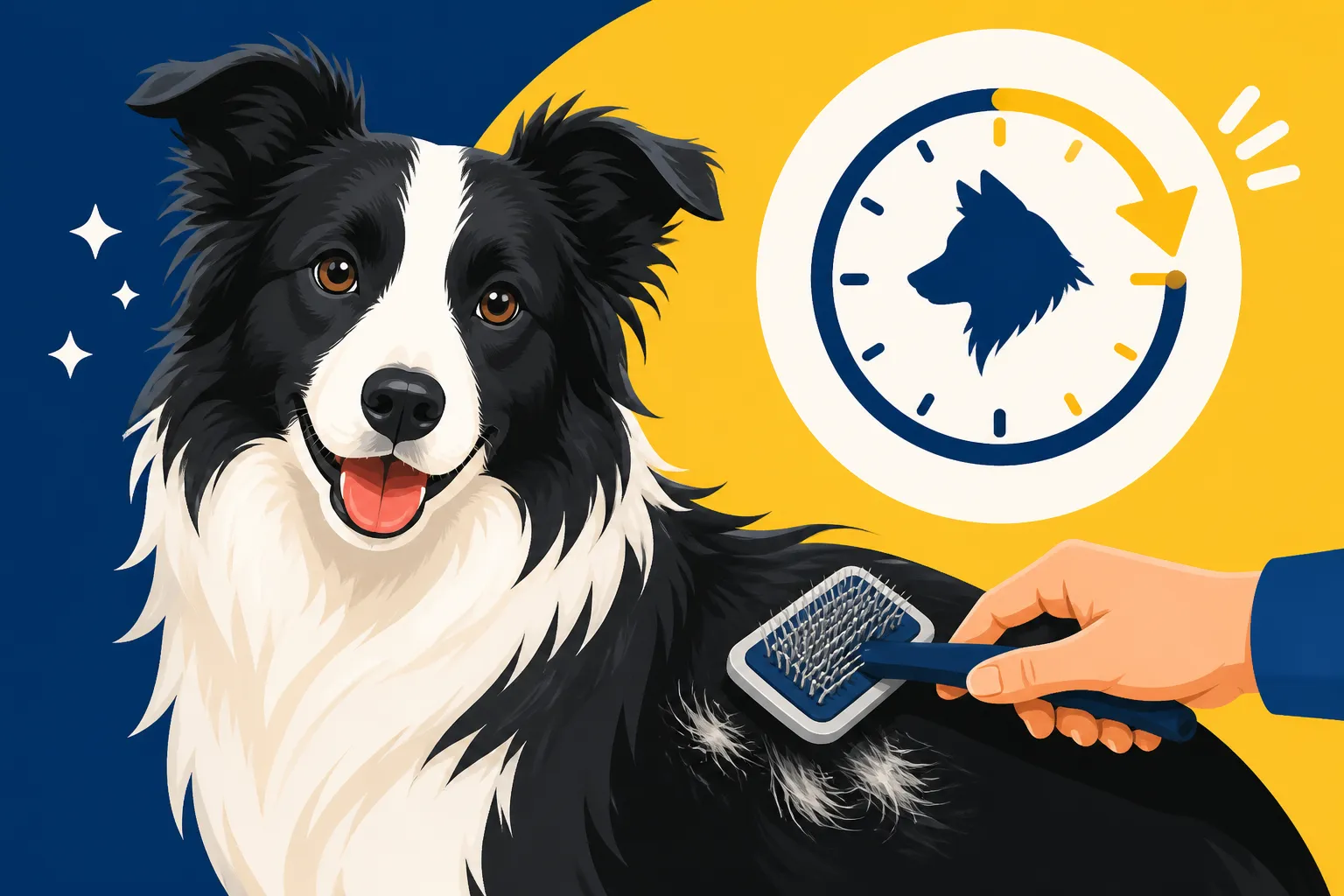
Even when your Border Collie isn't actively shedding its coat in chunks, a thorough weekly brushing session is the absolute minimum. This isn't a quick once-over with a brush; this is a dedicated grooming time where you systematically work through the entire coat. Pay particular attention to areas prone to matting: behind the ears, under the armpits, the "trousers" on their hind legs, and their feathered tail and legs. These are spots where friction is common, and the hair tends to be finer, making it much more susceptible to tangles. Regular weekly sessions allow you to catch small knots before they become major problems. It also helps distribute natural oils, keeping the coat healthy and shiny, and gives you a chance to do a full body check for any bumps, cuts, or parasites. Think of it as a little spa treatment that doubles as a health check.
Shedding Seasons: The Daily Grind
Twice a year, typically in spring and fall, rough-coated Border Collies "blow" their undercoats. This is when they shed dramatically, preparing for warmer or cooler weather. During these periods, brushing needs to become a daily ritual. If you skip a day or two, you'll find yourself drowning in dog hair and battling massive tangles. An undercoat rake is your best friend during this time, helping to pull out vast quantities of dead, loose undercoat that would otherwise clump together. This daily effort during heavy shedding isn't just about keeping your house clean; it actively helps your dog regulate its body temperature and prevents serious matting that can lead to skin irritation. It might feel like a chore, but it prevents much bigger problems (and vet bills!) down the line. You can find excellent undercoat rakes and slicker brushes at pet supply stores or online retailers like Chewy and Amazon, which can be invaluable tools during these intense shedding periods. Remember to be gentle, as too much force can cause brush burn.
After Outdoor Adventures: The Spot Check
If your Border Collie is true to its nature, it's probably spending a fair amount of time outdoors, whether herding, hiking, or just exploring the backyard. Any time they've been romping through brush, tall grass, mud, or snow, they need an immediate post-adventure check and targeted brushing. Combing Sticky Seed Heads Out of a Border Collie is a task you'll become very familiar with. Burrs, foxtails, twigs, and mud can instantly turn a healthy coat into a tangled mess. Focus on the feathering on their legs, their tail, and behind their ears. Snow can also be a particular challenge; it forms painful ice balls in the long hair, especially on the legs and between the paw pads. Removing these promptly prevents discomfort and keeps the coat from matting as the snow melts. This isn't about a full grooming session, but a quick, thorough spot-check and detangle is vital to prevent minor issues from becoming major ones.
The Right Tools for the Job
Having the correct grooming tools makes all the difference when tackling a rough Border Collie coat. Trying to get by with a single brush designed for short-haired dogs is like trying to build a house with a butter knife – frustrating and ineffective.
Essential Brushes and Combs
Your grooming kit for a rough Border Collie should ideally include:
- Slicker Brush: This brush has fine, wire bristles clustered together on a flat or curved head. It's excellent for removing loose hair, detangling surface mats, and fluffing the coat. Use it with light strokes, especially on sensitive areas. It’s a great general-purpose brush.
- Undercoat Rake: This is arguably the most crucial tool for a rough coat, especially during shedding season. It has long, widely spaced teeth designed to penetrate the topcoat and pull out the loose undercoat without damaging the guard hairs. This tool will save you from mountains of dog hair in your home. Which Brush Suits a Rough Border Collie's Coat will often highlight the undercoat rake as indispensable.
- Metal Comb (Greyhound Comb): A sturdy metal comb with both wide and narrow-spaced teeth is perfect for finishing work, checking for missed tangles, and working out small knots gently. It's also excellent for delicate areas like behind the ears or on the feathering.
- De-matting Tool/Mat Splitter: For those inevitable, stubborn mats that form, a de-matting tool can be a lifesaver. These tools have sharp, inwardly curving blades that slice through mats without pulling excessively on the skin. Always use them with extreme caution and follow directions to avoid injuring your dog.
Brushing Techniques for Success
It's not just about the tools, but how you use them. "Line brushing" is a technique often recommended for double-coated breeds. This involves parting the hair in small sections and brushing from the skin out, layer by layer. This ensures you're reaching the undercoat and not just skimming over the top.
Here’s a simplified approach:
- Start with the undercoat rake: Work in small sections, always going in the direction of hair growth. Pay close attention to the thicker areas like the "trousers" and the mane. You'll be amazed at how much dead undercoat comes out.
- Follow with the slicker brush: Use this to smooth the coat, remove any remaining loose hair, and work out surface tangles.
- Finish with the metal comb: Use the wide teeth first to check for any hidden knots, then the finer teeth to ensure there are no snags. This is especially good for Mats Behind a Rough Border Collie's Ears and the feathering on the legs.
- Positive Reinforcement: Make brushing a positive experience from a young age. Use treats, praise, and gentle handling. Short, frequent sessions are better than long, unpleasant ones.
Preventing Mats and Managing the Shedding Avalanche
Beyond regular brushing, there are other strategies to keep your rough Border Collie's coat in top condition and manage the never-ending shedding. A healthy coat is less prone to matting and excessive shedding, so what goes into their body matters too.
Diet and Coat Health
A high-quality diet plays a significant role in coat health. Look for foods rich in omega-3 and omega-6 fatty acids, often derived from fish oils or flaxseed. These essential fatty acids contribute to healthy skin and a shiny, resilient coat that's less prone to dryness and breakage, which can contribute to matting. Some owners swear by specific performance foods, especially if their Border Collie is very active. While I can't name specific brands or guarantee results, many premium dog food brands focus on ingredients that support skin and coat health. Always talk to your vet about the best nutritional plan for your individual dog, especially if you're considering supplements. Brands like Ollie, known for its fresh, human-grade food, can be worth exploring for overall health, which often reflects in coat quality.
Dealing with Stubborn Mats
No matter how diligent you are, some mats might still sneak in. The key is to address them immediately. Never try to brush out a large, tight mat with a slicker brush, as this will only pull at the skin and cause pain. Instead:
- Patience is paramount: Get your dog comfortable and grab a treat or two.
- Isolate the mat: Hold the hair at the base of the mat close to the skin to minimize pulling.
- Use a mat splitter or blunt-nosed scissors: Carefully, and I mean carefully, use a mat splitter to slice through the mat in the direction of hair growth. If using scissors, point them away from the skin and only snip into the mat itself, never straight across.
- Work it out: Once split, you can often gently tease the mat apart with your fingers or the wide-toothed side of a metal comb.
- When in doubt, shave it out: For large, tight, or painful mats, sometimes the kindest option is to have a professional groomer or your vet carefully shave them out. It's better to have a bald spot for a while than to put your dog through unnecessary pain.
Seasonal Shedding Strategies
During the heavy shedding seasons, you'll need to step up your game. Daily brushing with an undercoat rake is non-negotiable. Consider bathing your Border Collie with a good quality deshedding shampoo. These shampoos are formulated to help release dead hair. After bathing, use a high-velocity force dryer (if you have one, or visit a professional groomer who does) to blow out an incredible amount of loose undercoat. This can significantly reduce shedding inside your home and help prevent new mats from forming. It's also the time when The Spring Molt That Fills a Border Collie's Kennel becomes a real problem, so a good routine is essential.
In summary, a rough Border Collie needs consistent attention to its coat. Weekly thorough brushings are a must, escalating to daily sessions during shedding seasons or after rigorous outdoor activities. Investing in the right tools and knowing how to use them gently and effectively will make the experience much more pleasant for both you and your loyal companion.
Grooming Schedule and Tools at a Glance
| Aspect | Frequency | Key Tools | Focus Areas | Benefits |
|---|---|---|---|---|
| Routine Maintenance | Weekly | Slicker brush, metal comb | Entire coat, behind ears, armpits, "trousers" | Prevents small tangles, distributes oils, health check |
| Heavy Shedding | Daily (Spring/Fall) | Undercoat rake, slicker brush | Entire coat, especially dense undercoat areas | Removes dead hair, prevents mats, regulates temperature |
| Post-Adventure | As needed (after outdoor play) | Metal comb, fingers, mat splitter (if needed) | Feathering, tail, behind ears, paw pads, high-friction spots | Removes burrs, twigs, debris; prevents matting |
| Mat Prevention | Consistent brushing, good diet | All tools, mat splitter, grooming scissors | High-friction areas, fine hair areas | Avoids painful skin pulling and potential infections |
| Bathing | Every 4-6 weeks (or as needed) | Deshedding shampoo, force dryer (optional) | Entire coat | Cleans, helps release dead hair, maintains skin health |
Disclaimer
This article is for general informational purposes only and does not constitute professional advice. Laws, prices and regulations vary by location and change over time. Consult a qualified professional for guidance on your specific situation.