The Smooth-Coated Border Collie and What Its Coat Needs
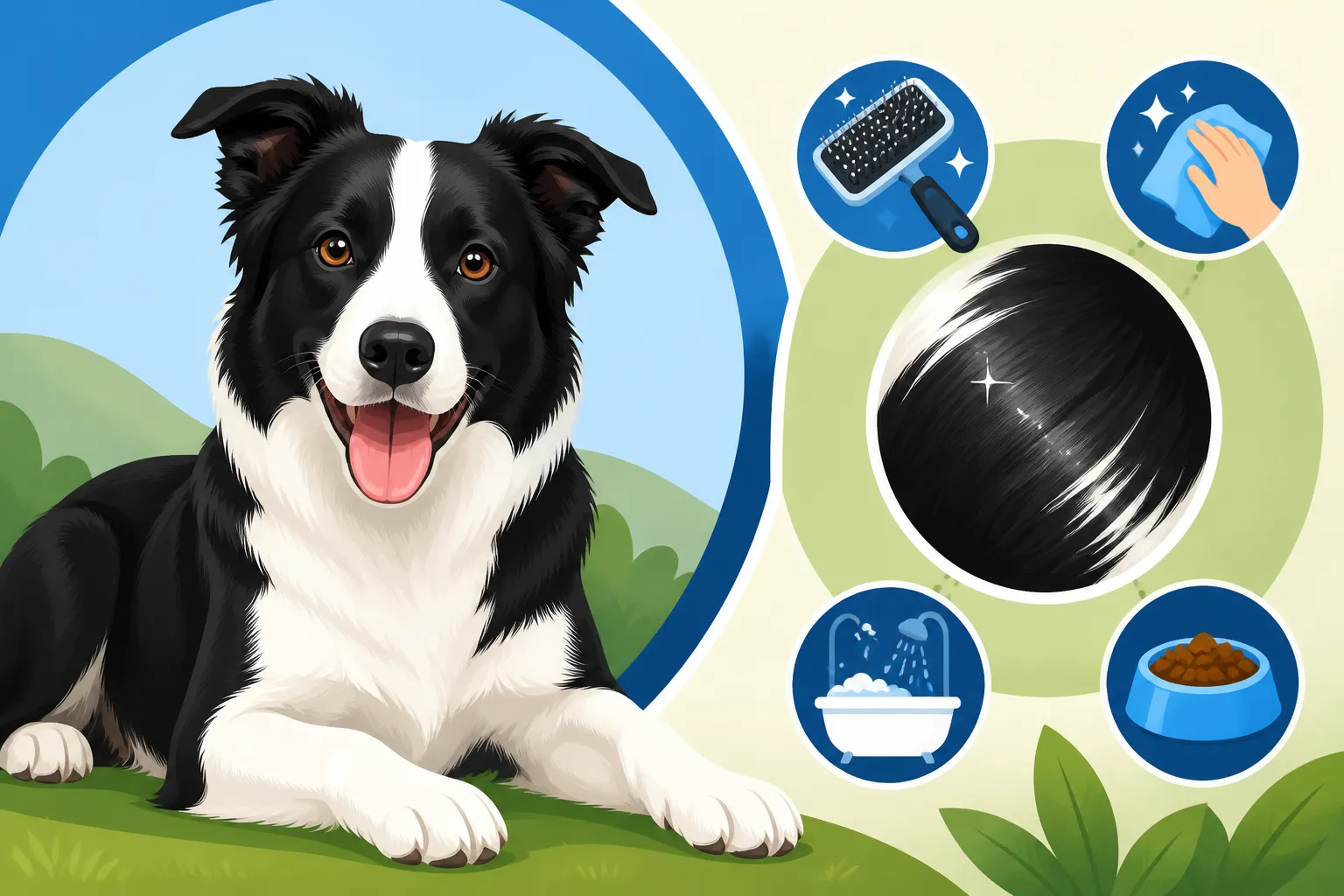
Many people bring home a smooth-coated Border Collie thinking they’ve got the easy end of the stick when it comes to grooming. After all, compared to the shaggy, feathered rough coats, a smooth coat looks like a breeze, right? Well, if you're already living with one, you know the truth: their sleek, short fur still has very distinct needs, and overlooking them can lead to skin issues, discomfort, and a surprisingly hairy house. This guide is here to shed light on exactly what your smooth-coated Border Collie's coat needs, dispelling myths and providing practical, deep-dive advice to keep them healthy, comfortable, and looking their absolute best.
Understanding the Smooth Coat: More Than Just Short Hair
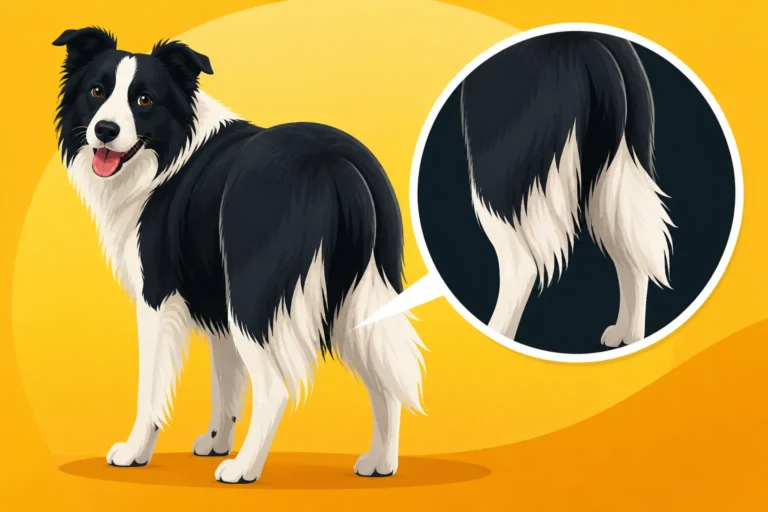
When you picture a Border Collie, you might immediately think of the long-haired, rough-coated variety, with their elegant feathering and bushy tails. But the smooth-coated Border Collie is just as authentic to the breed, often favored by working handlers for practical reasons. Their coat is short, dense, and lies close to the body, giving them that sleek, athletic appearance. However, "short" doesn't mean "simple." This coat type is perfectly adapted for shedding water and dirt, protecting them from the elements, and allowing for excellent mobility in the field, but it still requires specific attention.
The Anatomy of a Smooth Coat
Unlike single-coated breeds, most Border Collies, regardless of length, possess a double coat. This means they have a soft, insulating undercoat beneath their coarser, protective outer guard hairs. For a smooth coat, both layers are significantly shorter than on their rough-coated cousins, but they are absolutely present and vital for temperature regulation and skin protection. The guard hairs are resilient and waterproof, while the undercoat provides warmth in winter and helps regulate body temperature by preventing overheating in summer. It’s a remarkable natural design built for function, not just aesthetics.
This double layer is why even a smooth-coated Border Collie can handle varied weather conditions out on the farm or during long hikes. It’s also why, despite their appearance, they can still shed a surprising amount of fur, particularly during seasonal changes. Understanding that this dense, two-layered system is at play helps us appreciate why their grooming needs, while different from a rough coat, are still crucial.
Why Smooth Coats Are Often Misunderstood
The biggest misconception about smooth-coated Border Collies is that they require minimal grooming. Many assume that because the hair is short, it won't tangle, won't shed much, and doesn't need regular attention. This couldn't be further from the truth. While you won't be battling mats behind the ears or spending hours brushing out feathering, you will be dealing with a constant, fine layer of shedding hair if not managed, and a coat that can still get surprisingly dirty and matted with fine debris.
The smooth coat is efficient at what it does, but it's not a self-cleaning marvel. Owners often find themselves wondering why their dog seems to be leaving tiny, stiff hairs everywhere, or why their skin looks dull. It’s usually a sign that the coat isn't getting the consistent, appropriate care it needs. A smooth coat is less about intricate styling and more about maintaining health, cleanliness, and comfort – which means regular, targeted effort.
The Surprising Reality of Smooth Coat Shedding
Prepare yourself: smooth-coated Border Collies shed. A lot. It's often a shock to new owners who expected a "low-shedding" experience compared to their long-haired counterparts. The difference is in the type of hair and how it sheds. Rough coats tend to drop larger clumps of noticeable fur, while smooth coats release a constant flurry of short, stiff hairs that seem to embed themselves into every fabric imaginable. This isn't a sign of ill health, but a normal, natural process that requires regular management.
Seasonal "Blows" and Year-Round Shedding
Like all double-coated breeds, smooth Border Collies experience seasonal "coat blows," typically in spring and fall. During these periods, they shed their entire undercoat to prepare for the upcoming temperature changes. In spring, they ditch their thick winter coat for a lighter summer layer, and in fall, they shed the summer layer to grow in a denser winter one. These periods can last for several weeks and can be intense. You'll find yourself wondering how such a small dog can produce so much fur!
Beyond these major seasonal events, smooth coats also shed a certain amount of hair year-round. This continuous shedding is their body's way of replacing old or damaged hairs and maintaining coat health. Factors like diet, stress, and indoor heating can also influence the amount of shedding. Don't underestimate the sheer volume of hair these dogs can produce; it’s a constant battle if you don’t have a plan.
Effective Deshedding Strategies
The key to managing smooth coat shedding is regular and consistent deshedding. Waiting until your couch looks like a fuzzy blanket is too late. You need tools that can effectively reach and remove the loose undercoat without damaging the healthy guard hairs or irritating the skin.
One of the most valuable tools for a smooth-coated Border Collie is a good deshedding brush or comb. Tools like a short-toothed rake or a curry comb with rubber nubs are excellent for gently lifting out dead undercoat. For particularly heavy shedding periods, a specialized deshedding tool can work wonders. The trick is to use it gently and frequently, maybe a few times a week, rather than one intense session a month. You want to ease the hair out, not yank it. Remember, consistency is your best friend here. Regular, short brushing sessions will be far more effective and less stressful for your dog than sporadic, marathon grooming sessions. Many owners find a wide range of suitable deshedding tools available on Chewy, making it easy to find the right fit for your dog's specific coat density.
Bathing Your Smooth-Coated Border Collie
While smooth coats don't get the same kind of mud-caked, matted mess as a rough coat, they still need regular bathing. Their short, dense fur can trap dirt, pollen, skin oils, and environmental allergens, which can lead to skin irritation or a dull, greasy coat if not addressed. The goal of bathing is to cleanse without stripping natural oils, leaving their skin healthy and their coat clean and shiny.
How Often to Bathe
There's no hard and fast rule for how often to bathe a smooth-coated Border Collie, as it largely depends on their lifestyle. A working dog who spends hours out in the fields might need a bath more frequently than a pet who mostly enjoys walks around the neighborhood. Generally, once every 4-8 weeks is a good baseline for most smooth coats. If your dog has allergies or sensitive skin, your vet might recommend a specific shampoo or a more frequent bathing schedule.
Over-bathing can strip essential oils, leading to dry, itchy skin, so it’s a balance. If your dog is just a bit dusty, a quick rinse with plain water or a wipe-down with a damp cloth might be enough between full baths. Pay attention to how your dog's skin and coat react; they'll tell you what they need.
Choosing the Right Shampoo and Conditioner
For smooth coats, selecting the right shampoo is crucial. Look for a gentle, pH-balanced dog shampoo that is specifically formulated for sensitive skin or for deep cleansing without harsh chemicals. Avoid human shampoos, as their pH levels are different and can disrupt your dog’s skin balance. If your Border Collie has any skin issues, such as dry patches or mild itching, a colloidal oatmeal shampoo or one with aloe vera can be very soothing.
Following up with a light conditioner is also beneficial. It helps to rehydrate the skin, restore moisture to the coat, and can make shedding a little easier by softening the fur. For smooth coats, a rinse-out conditioner that you thoroughly wash out is usually sufficient. Remember to rinse very thoroughly until the water runs clear and there are no suds left. Any residue can irritate the skin and dull the coat. Sensitive Skin in a Border Collie can often be managed with careful product selection.
Dealing with Dirt, Debris, and Odors
Smooth coats might not pick up burs and tangles as easily as rough coats, but their dense fur and active lifestyle mean they're magnets for dirt, dust, and all sorts of outdoor "treasures." From mud splashes to a lingering farmyard aroma, keeping a smooth coat truly clean goes beyond just the occasional bath. It’s about daily maintenance and quick clean-ups that prevent bigger issues.
Quick Clean-Ups Between Baths
Let's be realistic: you can't give your Border Collie a full bath every time they roll in something interesting or come in covered in mud after a rain shower. That’s where quick clean-ups become invaluable. Keep a supply of dog-specific wet wipes handy for cleaning muddy paws and wiping down their belly and legs. A damp towel is also your best friend. For stubborn dirt, a quick spray with a waterless shampoo or a pet-safe deodorizing spray can help freshen them up without the full bath commitment.
Consider placing old towels near entryways, especially during wet weather. A quick rub-down before they come fully into the house can save your floors and furniture a lot of grime. For specific dirt, like sticky tree sap or burrs that somehow cling to the short hair, a fine-toothed comb might gently remove them, followed by a warm, damp cloth.
Tackling Odors
Sometimes, it's not the visible dirt, but the smell, that becomes the problem. Active dogs, especially those who love to swim or roll in damp leaves, can develop a distinct "doggy odor." This can also be a sign of skin issues, so rule out any underlying health concerns first. Assuming it's just normal dog funk, regular brushing helps distribute natural oils and removes dead hair that can trap odors.
Between baths, a good quality pet deodorizing spray can help. Look for natural, non-irritating formulas. Ensure their bedding is washed regularly, as this can be a major source of lingering smells. Sometimes, simply airing out your dog's crate or bed outside on a sunny day can work wonders. If the odor is persistent and unpleasant, it's worth a trip to the vet to rule out yeast infections or other skin problems.
Paw and Nail Care: Essential for an Active Collie
For any Border Collie, but especially for those with smooth coats who are often highly active, paw and nail care is paramount. Their paws are their primary interface with the ground, taking the brunt of every sprint, turn, and jump. Neglecting their nails or pads can lead to pain, injury, and affect their gait, ultimately impacting their ability to work or play.
The Importance of Trimmed Nails
Long nails are not just an aesthetic issue; they're a health hazard. When a dog's nails grow too long, they push against the ground, forcing the paw to splay and altering the dog's natural gait. This can lead to discomfort, joint pain, and even long-term orthopedic issues like Hip Dysplasia in a Border Collie That Runs All Day or Osteoarthritis in a Border Collie by Eight. Overgrown nails are also more prone to catching and tearing, which is incredibly painful and often requires veterinary attention.
Aim to trim your Border Collie's nails every 2-4 weeks, depending on how quickly they grow and how much natural wear they get from their activities. You should be able to slide a piece of paper under their nails when they're standing on a flat surface; if not, they're too long. If your dog is nervous about nail trims, introduce it slowly with positive reinforcement. Many owners find a dremel-style grinder to be less intimidating than clippers, as it shaves down the nail gradually and reduces the risk of cutting the quick. Consistency is key to keeping them comfortable with the process.
Protecting and Caring for Paw Pads
Border Collies' paw pads are tough, but they're not invincible. Rough terrain, hot pavement, ice, and chemicals can all take their toll, leading to cracks, cuts, and irritation. For an active dog, healthy paw pads are non-negotiable.
After outdoor activities, especially on rough ground or in extreme weather, inspect your dog's paw pads. Look for cuts, abrasions, redness, or any foreign objects lodged between the toes. Grass seeds, thorns, and small pebbles are common culprits. Regularly trim the hair between their paw pads to prevent matting and to allow better airflow, which helps prevent yeast and bacterial infections. For very active dogs, a paw balm or wax can offer an extra layer of protection, particularly in harsh weather conditions or on very abrasive surfaces. Products like Musher's Secret are widely available on Amazon and are popular for protecting working and sport dogs' paws. Remember to check for Pad Damage on a Border Collie Working Stubble if your dog works on agricultural land.
Seasonal Considerations for Smooth Coats
While the smooth coat provides excellent year-round protection, its effectiveness can be enhanced or compromised by environmental factors. Understanding how your Border Collie's coat interacts with different seasons—and adapting your care routine accordingly—is vital for their comfort and health.
Winter Weather Care
In colder months, a smooth-coated Border Collie's dense undercoat does a fantastic job of insulating them. However, if they are spending extended periods outdoors in very cold, wet, or snowy conditions, they can still feel the chill, especially if they are standing still rather than actively working. Their short coat offers less physical barrier against snow and ice than a rough coat.
During winter, watch for signs of discomfort like shivering. While rare for a healthy, active Border Collie, if temperatures plummet or if they are less active, a dog coat or sweater can be beneficial, particularly for older dogs or those with a leaner body condition. Keep their paws protected from ice, salt, and de-icing chemicals, which can cause irritation or even chemical burns. Consider dog boots for extended outdoor adventures in harsh conditions. Always dry your dog thoroughly after being out in wet or snowy weather to prevent skin irritation and chilling.
Summer Heat Management
When summer temperatures rise, many assume a smooth coat is inherently better for heat regulation. While it doesn't trap as much heat as a long, thick coat, a smooth-coated Border Collie is still a double-coated breed, and their undercoat provides insulation against both cold and heat. This means you should never shave a double-coated dog in an attempt to cool them down. Shaving removes their natural protective layer, making them more susceptible to sunburn and actually less efficient at regulating their body temperature, as the undercoat also helps trap cool air next to the skin. Why a Clipped Border Collie's Coat Grows Back Wrong is a common concern among owners.
Instead of shaving, focus on effective deshedding to remove dead undercoat, allowing better airflow. Provide plenty of shade, fresh water, and avoid strenuous activity during the hottest parts of the day. A cooling vest or a damp towel can help them stay comfortable. Be vigilant for signs of overheating, especially if they are exercising hard. Even a smooth-coated Border Collie can suffer from Heat Stroke in a Border Collie That Kept Working if pushed too far in warm weather.
Common Misconceptions and Troubleshooting
Despite their "easy" reputation, smooth-coated Border Collies come with their own set of grooming challenges and common misunderstandings. Addressing these proactively can save you a lot of headache and ensure your dog remains happy and healthy.
"My Smooth Coat Doesn't Need Brushing"
This is perhaps the most prevalent misconception. While you won't be detangling massive knots, ignoring brushing for a smooth coat is a recipe for disaster. As discussed, they shed continuously, and that dead hair needs to be removed. If left to its own devices, it will accumulate, dulling the coat, irritating the skin, and leading to an even greater mess of embedded hairs in your home.
Think of brushing a smooth coat as more about maintenance and prevention. Regular brushing stimulates the skin, distributes natural oils, and helps you bond with your dog. It also allows you to perform a quick health check, noticing any new lumps, bumps, or skin irritations early. A rubber curry brush or a fine-toothed shedding blade, used regularly, will be your most valuable tools here. It’s not about making them look pretty, it’s about making them feel good and preventing problems.
Dull Coat or Dry Skin Issues
A healthy smooth coat should be sleek, shiny, and vibrant. If your Border Collie's coat looks dull, feels greasy, or if they have dry, flaky skin, it's often a sign that something is amiss. Poor nutrition is a common culprit. A high-quality diet rich in omega fatty acids can dramatically improve skin and coat health. Many owners consider fresh food options like Ollie to ensure their active dogs receive optimal nutrition for a healthy coat from the inside out.
Environmental factors like dry indoor air or harsh shampoos can also contribute to dry skin. Ensure you're using appropriate bathing products and consider adding a fish oil supplement to their diet. If the problem persists, or if you notice excessive scratching, redness, or hair loss, consult your veterinarian. These can be symptoms of allergies, parasites, or other underlying health conditions that require professional diagnosis and treatment.
Tackling Mats in a "Smooth" Coat
Wait, mats in a smooth coat? Yes, it can happen! While not as common or severe as in rough coats, smooth coats can still develop small, stubborn mats, particularly in areas where there's friction, such as behind the ears, under the collar, or in the "armpits" where the front legs meet the chest. These mats usually consist of shed undercoat that has become compacted and felted.
To prevent this, pay extra attention to these friction points during your regular brushing sessions. A metal greyhound comb or a fine-toothed flea comb can be surprisingly effective at finding and gently working out these small tangles before they become problematic. If you do find a small mat, try to work it out gently with your fingers, then use the comb. If it’s very tight, a blunt-nosed scissor can be used carefully, parallel to the skin, to cut into the mat from the outside edge (not across it) to break it up before combing. Always prioritize your dog's comfort and safety.
| Grooming Task | Smooth Coat Frequency | Key Tools | Notes |
|---|---|---|---|
| Brushing/Deshedding | 2-3 times/week (more in shed) | Rubber curry comb, deshedding brush, fine-toothed comb | Focus on removing loose undercoat and stimulating skin. |
| Bathing | Every 4-8 weeks | Gentle dog shampoo, light conditioner | Adjust based on activity and skin needs; rinse thoroughly. |
| Nail Trimming | Every 2-4 weeks | Nail clippers or dremel grinder | Essential for paw health and gait. Introduce slowly if dog is wary. |
| Paw Pad Inspection | Daily (after outdoor activity) | Damp cloth, paw balm, blunt scissors | Check for cuts, debris, trim inter-digital hair. |
| Ear Cleaning | Weekly or as needed | Pet-safe ear cleaner, cotton balls | Check for redness, odor, wax buildup. |
| Dental Care | Daily | Dog toothbrush, enzymatic toothpaste | Crucial for overall health; can prevent costly vet visits. |
The "Low Maintenance" Myth: Setting Realistic Expectations
The idea that a smooth-coated Border Collie is "low maintenance" is one of the biggest myths outour. While their grooming routine might differ from that of a rough-coated dog, it is by no means less demanding. It simply requires a different kind of consistent attention. Expecting anything less is not only unfair to your dog but will lead to frustration for you and potential health issues for them.
Why Grooming is More Than Just Aesthetics
Grooming isn't just about making your Border Collie look pretty; it's a fundamental part of their health and well-being. Regular grooming helps prevent skin infections by removing dirt and dead hair, it allows for early detection of parasites or skin abnormalities, and it supports overall coat health. Well-maintained nails prevent pain and orthopedic problems, while clean ears and teeth ward off infections and other serious health issues.
Furthermore, grooming sessions are incredible opportunities for bonding. These moments of quiet, focused attention strengthen the trust between you and your dog. For a breed as intelligent and handler-focused as the Border Collie, this connection is invaluable. It’s an investment in their physical and emotional health that pays dividends.
Equipping Yourself for Success
To truly meet the needs of your smooth-coated Border Collie, you need to be prepared. This means investing in the right tools: a good quality deshedding brush, a rubber curry comb, nail clippers or a grinder, gentle shampoo and conditioner, and maybe a few good towels. It also means setting aside dedicated time for grooming, not just when you notice a problem.
For example, a quick 5-10 minute brush-down a few times a week, combined with a weekly ear check and nail trim, is far more effective than trying to cram everything into one overwhelming session once a month. Make it a positive experience with treats and praise. The more routine it becomes, the more accepting your Border Collie will be. Remember, a well-groomed smooth-coated Border Collie is a comfortable, healthy, and happy dog, ready for whatever work or adventure comes their way. Just as important is ensuring their overall diet supports their active lifestyle, whether they are a working dog or a sport dog, as outlined in Feeding a Border Collie That Works Two Hours a Day.
Disclaimer
This article is for general informational purposes only and does not constitute professional advice. Laws, prices and regulations vary by location and change over time. Consult a qualified professional for guidance on your specific situation.