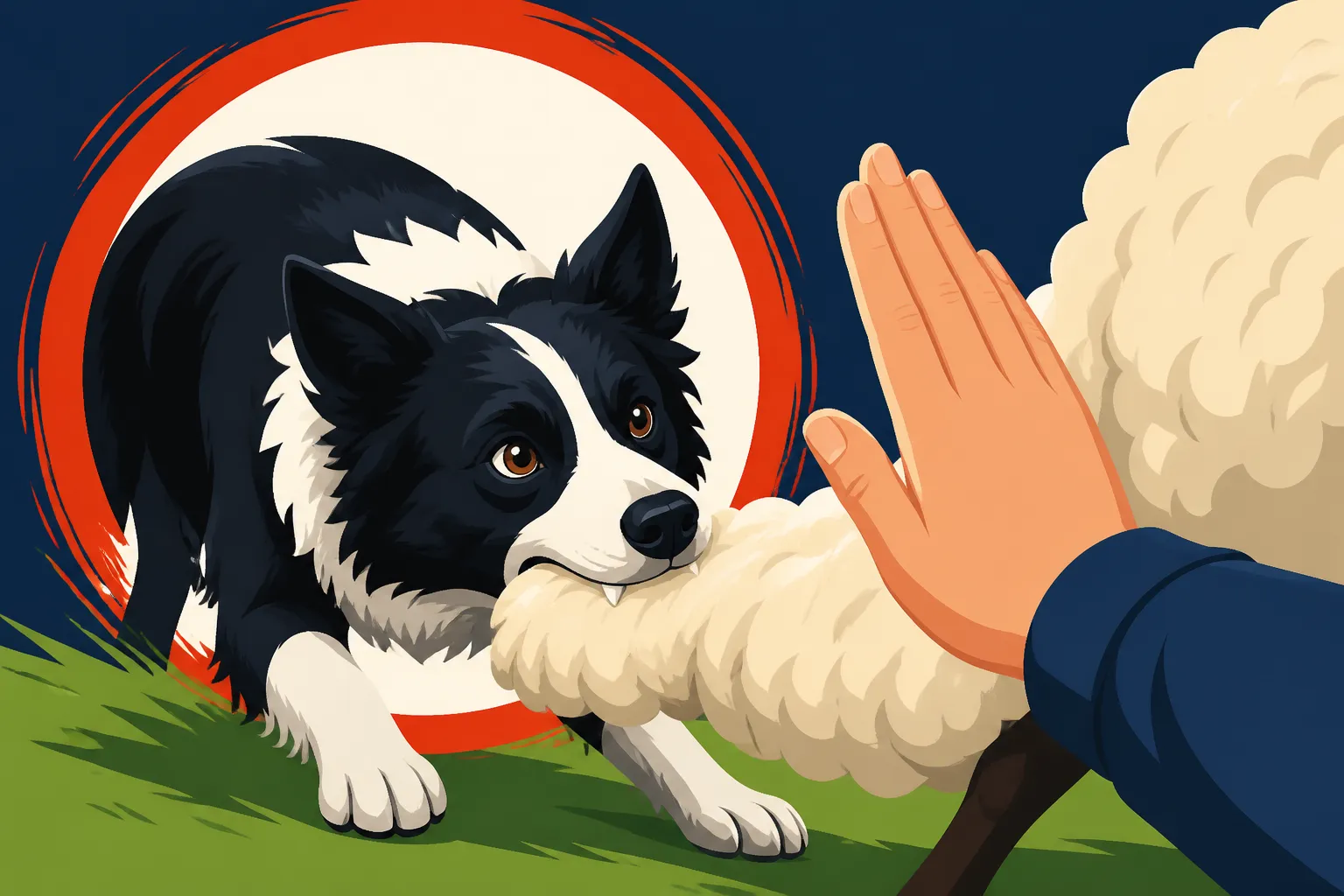
Stopping a Border Collie Gripping Wool
The sight of your Border Collie working sheep, with that intense focus and silent communication, is truly a thing of beauty. But when that focused intent veers into gripping the wool, it can be incredibly frustrating – and potentially harmful to the livestock. This guide is here to help you understand why your Border Collie might resort to gripping, how to prevent it, and effective strategies for correcting this deeply ingrained behavior, ensuring a safer and more harmonious working relationship.
Understanding Why Your Border Collie Grips Wool
It’s easy to feel disheartened or even angry when your otherwise brilliant Border Collie starts to grip the wool of a sheep. You might think they're being disobedient or aggressive, but often, it's a deeply rooted instinct taking over. To tackle this, we first need to understand the 'why' behind it.
The Instinctual Drive to Control
Border Collies possess an incredibly strong predatory sequence, albeit a modified one. Unlike their wild ancestors, who would typically stalk, chase, bite, and kill, Border Collies were selectively bred to interrupt this sequence at the "stalk and chase" phase, allowing them to gather and control livestock without harm. The "eye" – that intense, fixed stare – is their primary tool for intimidation and control, mimicking a predator without having to engage in the physical acts of aggression.
However, sometimes, when sheep are particularly stubborn, flighty, or simply not responding to the dog's eye and pressure, a Border Collie’s instinct to control can push further along that predatory sequence. Gripping, nipping, or even biting the wool (or skin, in more severe cases) becomes an attempt to physically enforce their will and move the animal. It’s a very natural, though undesirable, escalation of their herding instinct. It's not necessarily aggression in the malicious sense, but rather a strong, often desperate, impulse to bring the situation back under their perceived control. For the handler, it feels like the dog is blowing off commands, but for the dog, it might feel like the only way to get the job done.
When Gripping Becomes a Problem
While a Border Collie's natural instinct to interact with stock is powerful, there's a huge difference between effective herding pressure and outright gripping. Not all "grips" are equal, but all have the potential to become serious problems.
We talk about a "soft mouth" versus a "hard mouth." A soft mouth might involve a quick, almost accidental nip at the wool, often out of frustration or momentary lapse in control, and the dog immediately releases. A hard mouth, on the other hand, involves a sustained, deliberate bite, often drawing blood or pulling out significant chunks of wool. Even a soft mouth, if not corrected, can escalate. The primary concerns are injuries to the sheep, which can range from minor nicks to deep lacerations, leading to infection or even death. This is obviously unacceptable from an animal welfare perspective, and it can also have significant financial implications for farmers.
Beyond physical harm, gripping signals a breakdown in the dog's control and discipline. A dog that grips is not working cooperatively; it's imposing its will, which makes nuanced tasks like shedding or penning almost impossible. In sheepdog trials, gripping is a major fault and will often lead to disqualification. It tells the judge that the dog is not under the handler's control and cannot be trusted with stock. This is why addressing this behavior is paramount, not just for the sheep's safety but for the integrity of the dog's work and your relationship with them. This is also why many working dog breeders strive to breed dogs with naturally less "hard" mouths, prioritizing temperament and biddability alongside strong working instinct.
Early Intervention and Prevention Strategies
The old adage "an ounce of prevention is worth a pound of cure" holds especially true when it comes to a Border Collie gripping wool. Starting off on the right foot, even before your dog ever sees sheep, can make a world of difference.
Starting Right with a Puppy or Young Dog
The journey to preventing gripping starts long before you ever step foot in a pasture. It begins with responsible breeding choices and careful early exposure. A good working breeder will not only health test their dogs but also have a keen understanding of their lines' temperaments, including their "mouthiness" on stock. While no guarantee, choosing a puppy from parents known for a biddable nature and a naturally "softer" mouth can give you a head start. Ask breeders about their dogs' working style and how they handle pressure on stock.
Once you have your puppy, the groundwork begins. Before introducing them to sheep, ensure they have a solid foundation in basic obedience. This means a reliable recall, a strong "wait" or "stay," and a rock-solid "leave it" command. These aren't just parlor tricks; they are crucial safety nets. When you do introduce your young Border Collie to sheep for the first time, do so in a highly controlled environment with experienced, "dog-wise" sheep. These are sheep that are used to working with dogs and won't panic excessively, which can sometimes trigger a dog's gripping instinct.
The goal in these early sessions is to foster a positive, controlled interaction. Reward calm, focused attention on the sheep. If the puppy shows too much intensity or even hints at pushing in too hard, gently redirect them. You want them to learn that controlling the sheep happens through their presence and movement, not through physical contact. This early conditioning sets the stage for a lifetime of appropriate herding behavior. For more on positive early training, resources like BAXTER & Bella often emphasize building a strong foundation of trust and understanding before more advanced, high-drive activities. They focus on teaching the 'how' of training, which is invaluable for any owner, especially those preparing for specialized work like herding.
Building a Solid Foundation of Obedience
Before a Border Collie can effectively work stock without gripping, they need to understand and respect commands in all situations. This isn't just about showing off; it's about establishing clear communication and control. A truly reliable recall, for instance, means your dog will stop chasing that squirrel in the park or, more critically, disengage from a stubborn sheep when you ask. Practice your recall relentlessly, even using a long line in open spaces, available through retailers like Amazon, to ensure you have a safety tether while building that reliability. The command "off" or "leave it" is equally vital. Your dog needs to understand that when you say "off," whatever they are focused on (be it a toy, another dog, or a sheep's rear end) is no longer their concern.
Think about it: if your dog can't consistently perform these basic commands in low-distraction environments, how can you expect them to execute them perfectly when their prey drive is fully engaged around moving livestock? General obedience is the bedrock upon which all specialized training, including herding, is built. It teaches your Border Collie impulse control, patience, and that you are the decision-maker. Without this foundation, any attempt to correct gripping on stock will feel like a losing battle, as the dog simply lacks the underlying discipline to process and respond to your commands under pressure. Remember, a dog that understands boundaries and listens to its handler in various contexts is far less likely to resort to undesirable behaviors like gripping when its instincts kick in.
Practical Techniques for Correcting Gripping Behavior
Once gripping behavior has started, it can be challenging to stop, but it's certainly not impossible. It requires consistency, precise timing, and often a shift in your training approach.
Immediate Corrections on Stock
When your Border Collie grips, the timing of your correction is everything. You need to interrupt the behavior as it happens or ideally, just before it happens. Correcting even a few seconds after the grip occurs will be less effective, as your dog might not associate the correction with the unwanted action.
Here's how to approach it:
- Verbal Correction: A sharp, firm verbal correction like "HEY!" or "NO GRIP!" delivered with conviction can be effective. The key is to make it startling but not terrifying. You're interrupting, not punishing.
- Handler Presence: Your physical presence is a powerful tool. If your dog is gripping, step in immediately. Block their access to the sheep, get between them, or move them physically away from the sheep's rear. This teaches them that gripping results in their loss of position and opportunity to work.
- Check/Stop Command: If your dog has a strong "stop" or "lie down" command, use it the instant you see them about to grip or have just made contact. This forces them to break their focus and revert to a neutral position.
- Leash or Long Line: For dogs that are new to stock or prone to gripping, keeping them on a long line, even if you’re not actively holding it, gives you an immediate way to intervene. A quick, firm tug on the line at the moment of the grip can serve as an effective physical interruption, bringing their attention back to you.
The goal is to make gripping an immediately undesirable action. It should result in an unpleasant consequence (the correction) and a cessation of the activity they enjoy (working the sheep). Importantly, always maintain your composure. Frustration or anger from the handler can confuse the dog and make the situation worse. Calm, clear, and consistent correction is key. You might find useful guidance on Stopping a Border Collie Before an Episode Starts or That'll Do and Ending a Border Collie's Work in ensuring timely interruption and managing intense focus.
Using Tools and Aids Effectively
Beyond verbal commands and physical presence, certain tools can be incredibly useful in managing and correcting gripping behavior, though they should always be used judiciously and with proper understanding.
- Long Line: As mentioned, a long line (15-30 feet) is invaluable, especially in the early stages of training or when re-training a dog with a gripping habit. It provides a physical connection and allows you to enforce commands and prevent gripping from a distance. You can easily find various lengths and materials for long lines on Amazon.
- Muzzles: For dogs with a severe gripping problem that consistently injure stock, a basket muzzle can be a temporary safety measure during training. It allows the dog to continue to learn and work, but eliminates the potential for harm to the sheep. This isn't a long-term solution to the behavior itself, but a crucial management tool to protect the stock while you implement training corrections.
- E-collars (Electronic Collars): E-collars are a controversial tool and should only be used under the guidance of an experienced, reputable stock dog trainer. In the right hands, an e-collar can provide a precisely timed, consistent correction at a distance, which is crucial for interrupting gripping. However, improper use can create fear, anxiety, or even worsen the behavior. If you choose this route, absolute professional oversight is non-negotiable. The goal is communication, not punishment, and the stimulation should be set at the lowest effective level.
Remember, tools are aids, not solutions. They facilitate communication and control, but the underlying work of teaching your Border Collie not to grip, and to use appropriate pressure, still rests on your consistent training and understanding of their instincts. You might want to explore Whistles and Training Gear for a Border Collie for other effective communication tools.
Reinforcing the Right Way to Work
While it's critical to correct gripping, it's equally important to reinforce and reward the desired behaviors. Your Border Collie needs to understand what you do want them to do, not just what you don't.
- Reward Soft, Controlled Work: Actively praise and reward your dog when they are working the sheep with good eye, appropriate pressure, and no physical contact. A calm "good dog," a gentle pat, or a moment of cessation from work can be incredibly reinforcing.
- Shaping Desired Behaviors: Break down herding tasks into smaller, manageable steps. Reward successes, no matter how small. For example, if your dog tends to grip during a "shed" (separating sheep), start by rewarding them for simply holding their position calmly near the sheep without trying to take a chunk of wool. Gradually increase the difficulty.
- Gradual Increase in Pressure: Don't throw your dog into high-pressure situations before they're ready. Start with one or two calm sheep, then gradually increase the number, speed, or stubbornness of the stock as your dog's control improves. This helps them build confidence in their ability to work without resorting to gripping.
- Clear End to Work: Make sure your "that'll do" or "all done" command is clear and absolute. When the work is over, it’s over. This helps your dog decompress and prevents them from carrying that intense work focus and potential for gripping into inappropriate situations. A predictable routine helps manage their high drive and provides structure.
When to Seek Professional Help and Why
Sometimes, despite your best efforts, gripping behavior can persist or even escalate. This isn't a failure on your part; it simply means it's time to call in the experts. Recognizing when you're out of your depth is a sign of responsible dog ownership.
Recognizing When You're Out of Your Depth
There comes a point where dealing with a Border Collie gripping wool moves beyond what a dedicated owner can manage alone. If you're seeing consistent injuries to your livestock, no matter how minor, it's a huge red flag. This isn't just about training; it's about animal welfare and your responsibility. If you find yourself constantly frustrated, angry, or feeling like you're losing control during every session, that emotional toll can actually hinder your progress and damage your relationship with your dog.
Another indicator is if the gripping behavior extends beyond just the wool, escalating to actual skin nips or bites, or if the dog seems genuinely aggressive towards the stock rather than just overly keen. Also, if your dog is showing signs of stress, fear, or confusion due to your corrections, it's a clear signal that the current approach isn't working, and you need a different strategy. Serious, persistent gripping isn't just a minor training hiccup; it can prevent your dog from ever being a safe and effective working partner. Understanding Whether a Border Collie Is Really the Smartest Breed highlights their intelligence, but also the complexity of their drives, which sometimes requires expert guidance.
Finding the Right Trainer or Mentor
When you realize you need help, don't just pick any dog trainer. For a Border Collie and gripping wool, you need a specialist. Look for trainers who:
- Specialize in Stock Dogs: General obedience trainers, while excellent at what they do, often lack the specific knowledge and experience with herding instincts and livestock management. You need someone who understands the nuances of a Border Collie's drive and how to channel it properly.
- Emphasize Ethical and Effective Methods: Seek out trainers who use positive reinforcement balanced with fair, clear corrections. Avoid anyone who relies solely on harsh punishment or fear-based methods, as this can break your dog's spirit and worsen the problem in the long run.
- Offer Hands-On Guidance: The best stock dog trainers will work with you and your dog directly, observing your interactions and providing real-time feedback. They'll also have access to appropriate livestock and a safe training environment.
- Are Good Communicators: A good trainer will explain why they're suggesting certain techniques and help you understand your dog's behavior. They should be someone you feel comfortable asking questions of and learning from.
Don't be afraid to interview potential trainers, ask for references, and watch them work with other dogs. This is an investment in your dog's future and your peace of mind. Clinics and lessons, such as those detailed in Herding Lesson Rates for a Border Collie, can be invaluable resources.
Managing a Dog with a Predisposition to Gripping
Even with expert help, some Border Collies may always have a stronger predisposition to grip than others. In these cases, it's important to be realistic and responsible. This might mean accepting that your dog may never be a competition-level sheepdog or even a reliable working dog on your farm without very close supervision.
- Focus on Other Outlets: If stock work proves to be too challenging or risky due to persistent gripping, consider channeling your Border Collie's immense energy and intelligence into other dog sports or activities. Agility, flyball, obedience, scent work, or even advanced trick training can provide excellent mental and physical stimulation without the risk of harming livestock.
- Strict Management: For dogs that will continue to work, albeit with limitations, strict management is essential. This might involve always working them on a long line, using a muzzle during certain tasks, or only allowing them to work specific, more docile sheep.
- Ethical Responsibility: Ultimately, as owners, we have an ethical responsibility to protect the welfare of the livestock. If your Border Collie's gripping cannot be reliably controlled, it may be necessary to remove them from working stock entirely. It's a tough decision, but it's the right one for the safety of the animals.
Remember, a Border Collie is a partner. While their instincts are powerful, it's our job to guide them to be effective and humane in their work.
Here’s a quick overview of different types of "grip" and their implications:
| Type of "Grip" | Description | Potential Cause | Severity & Action Required |
|---|---|---|---|
| Air Nip / Snap | Dog lunges or snaps at the air near the sheep, usually without contact. | Frustration, warning, strong instinct to pressure. | Low physical risk, but high behavioral risk. Correct immediately. |
| Wool Nip / Pinch | Gentle contact with wool, sometimes pulling a small tuft, no skin breakage. | Testing boundaries, mild frustration, accidental. | Low physical risk, but shows lack of control. Correct immediately. |
| Hard Wool Grab | Sustained bite on wool, often pulling larger chunks, sometimes light skin contact. | High frustration, defiance, strong instinct to control. | Moderate physical risk (pulling, bruising). Requires firm, immediate correction and professional guidance. |
| Skin Nip / Bite | Direct contact with the sheep's skin, potentially breaking it or drawing blood. | Severe frustration, true aggression, uncontrolled predatory instinct. | High physical risk (injury, infection). Requires immediate cessation of work, professional intervention, and possibly muzzle use. |
| Leg / Hock Grip | Targeting the legs or hocks to stop movement. | Instinct to disable prey, extreme frustration. | High physical risk (lameness, severe injury). Immediate and severe intervention needed. Often indicates a dog unsuitable for stock. |
Disclaimer
This article is for general informational purposes only and does not constitute professional advice. Laws, prices and regulations vary by location and change over time. Consult a qualified professional for guidance on your specific situation.