The Kennel Club Standard of 1977
It's incredibly easy to get lost in the jargon of dog breeding, especially when you start looking into specific breed standards. If you've ever found yourself scratching your head, wondering what a "standard" even means for a breed as diverse as the Border Collie, or how something from 1977 could still be relevant, you're not alone. Many aspiring owners and even experienced enthusiasts find these historical documents a bit opaque. This guide is here to unravel the mysteries of the Kennel Club Standard of 1977 for the Border Collie, explaining what it meant then, what it aimed to achieve, and why understanding it still offers valuable insight into the breed's journey.
Understanding Breed Standards and Their Purpose
Before we dive into the specifics of the 1977 Kennel Club Standard for the Border Collie, it's really important to understand what a "breed standard" actually is and why these organizations even bothered to write them down. Think of it as a detailed blueprint or a written ideal for a specific breed. It describes the perfect specimen of the breed, covering everything from appearance to temperament and gait. It’s not a legal document, but rather a guiding principle for breeders and judges, aiming to preserve the characteristics that define a breed.
What is a Breed Standard, Really?
A breed standard isn't some arbitrary list of rules designed to make things complicated. Instead, it's a comprehensive description of the ideal dog of that particular breed. It covers physical traits like height, weight, coat type, color, eye shape, ear set, and even the way the tail is carried. But it doesn't stop there; it also delves into the dog's temperament, its characteristic movement, and its overall balance and proportion. The idea is to create a consistent vision for what the breed should look like and how it should behave, ensuring that dogs bred to the standard maintain these core characteristics over generations. For a breed like the Border Collie, whose very essence is tied to its working ability, a standard tries to capture that form-follows-function principle, even in a show ring context.
The Historical Context: The Kennel Club and the Border Collie
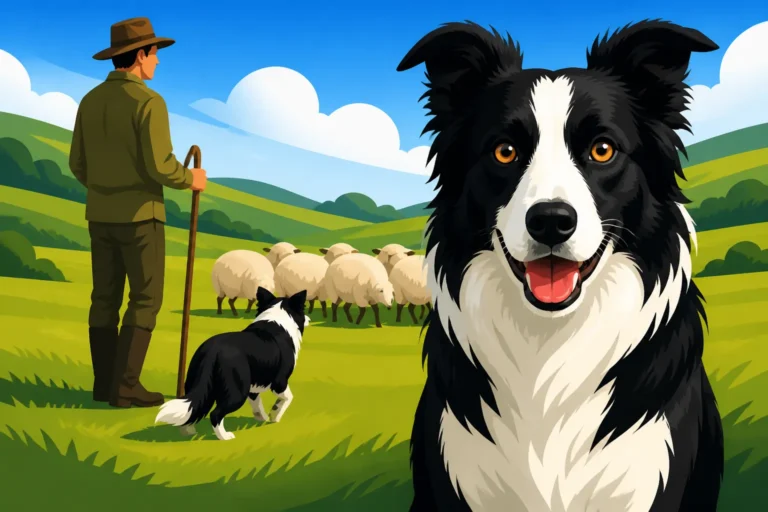
The Kennel Club in the UK, much like the AKC in the US, is a registry and governing body for purebred dogs. Their role includes establishing and maintaining breed standards. When it comes to the Border Collie, however, this wasn't always a straightforward path. For a very long time, the Border Collie was primarily recognized and registered by working dog organizations, like The International Sheep Dog Society, Founded 1906, which focused purely on working ability, not appearance. The Kennel Club's formal recognition of the Border Collie, and the subsequent creation of a written standard, marked a significant shift. The 1977 standard specifically attempted to codify the breed's appearance, bringing it into line with other recognized breeds that were judged in conformation shows. This was a pivotal moment, as it laid the groundwork for the "show Border Collie" as distinct from the "working Border Collie," a division that many breeders fought passionately against. Why Working Breeders Fought AKC Recognition delves into some of these historical tensions.
Why Standards Exist: Guiding Breeders and Preserving Type
So, why go to all this trouble? The primary purpose of a breed standard is to guide breeders in their efforts to produce dogs that embody the breed's specific traits. Without a standard, breeds could quickly diverge, losing the uniformity and characteristics that make them unique. For judges, the standard is the objective benchmark against which every dog in the show ring is evaluated. They're looking for how closely a dog conforms to this ideal blueprint. It's about preserving "type," which means maintaining the overall look, structure, and character that makes a Border Collie unmistakably a Border Collie. This helps ensure that the breed's heritage and function are not lost, even if the focus shifts slightly from the field to the show ring. It also creates a common language among enthusiasts, allowing for discussions about ideal structure, movement, and temperament.
Physical Characteristics Defined by the 1977 Standard
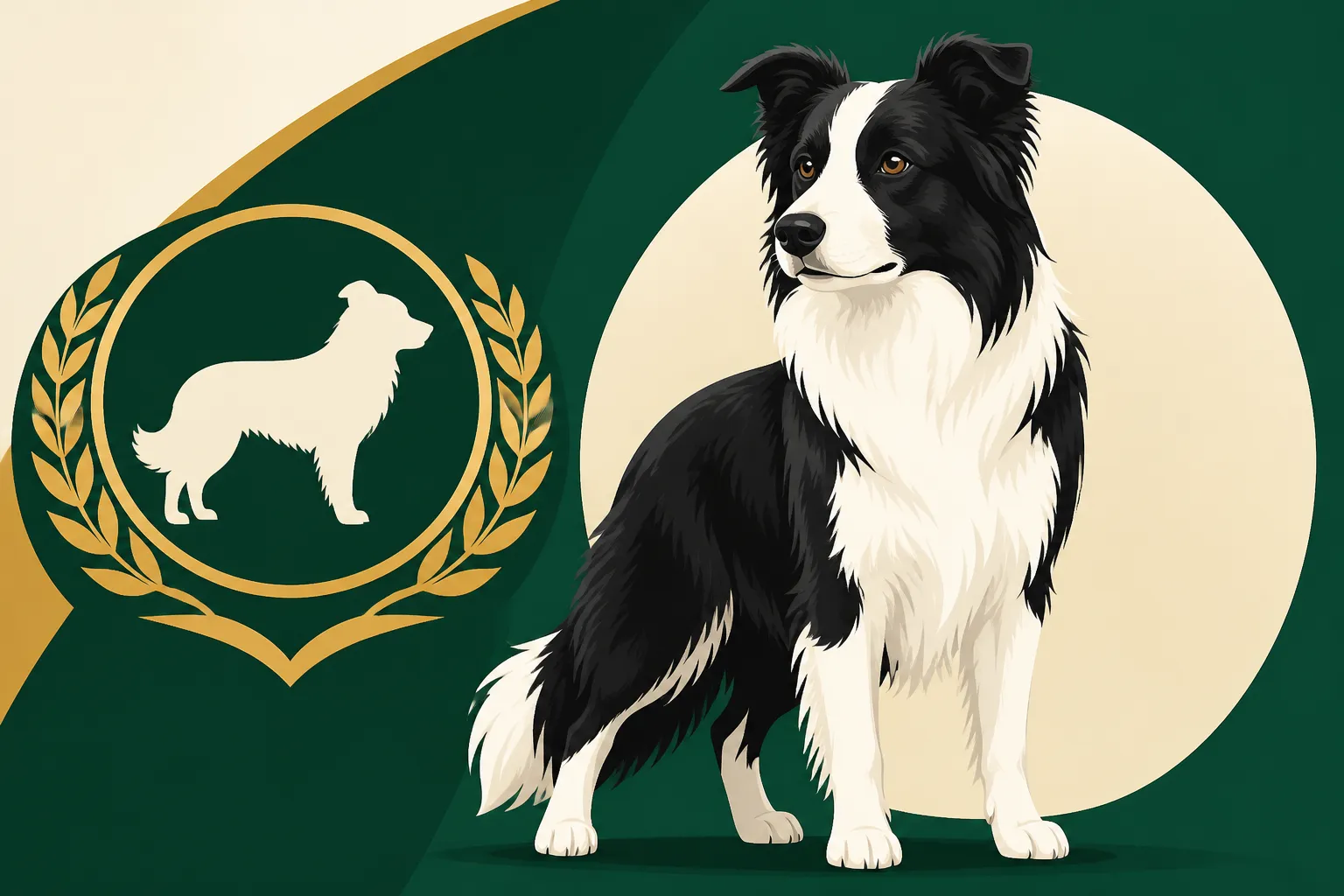
The 1977 Kennel Club Standard laid out very specific details about the Border Collie's physical appearance. It was a comprehensive document, leaving little to the imagination for judges and breeders aiming for the ideal show dog. From their general outline to the specifics of their coat, every aspect was meticulously described to create a picture of a dog that was both beautiful and inherently capable of its traditional work.
Size and Build: The Ideal Outline
The standard specified an ideal size, aiming for a dog that was neither too leggy nor too stocky, embodying agility and endurance. The typical height for dogs was given as approximately 53 cm (around 21 inches) at the shoulder, with bitches being slightly less. While it didn't give a specific weight, it emphasized proportionality and balance. The overall build was described as athletic, strong, and active, free from any coarseness or weakness. It called for a body that was longer than it was tall, giving that classic rectangular silhouette, with well-sprung ribs and a deep chest. This emphasis on a balanced, medium-sized physique was crucial, as it reflected the demands of a working dog, capable of long days in the field. Too heavy, and they'd lack speed; too light, and they'd lack stamina. This carefully considered build is also discussed in more detail in The Athletic Build a Border Collie Standard Describes.
Coat, Color, and Markings: The Aesthetic Vision
When it came to coat, the 1977 standard recognized two main types: the medium-length rough coat and the shorter, smooth coat. Both were described as dense and weather-resistant, with a soft undercoat to provide insulation. The rough coat, with its longer feathering on the legs, chest, and tail, was perhaps the more iconic image of the Border Collie for many. Shedding is a reality with both coat types, especially during seasonal changes, and having the right grooming tools, perhaps from a selection on Chewy, is always a good idea. As for color, the standard allowed for a wide range, but explicitly stated that white should never predominate. Black and white was, and still is, the most recognized combination, but dogs could be tri-color, merle, red, blue, or sable. The position and extent of markings were also considered, though less critical than the overall structure. The key was that the dog should look like a Border Collie, not a white dog with a few splashes of color. You can learn more about the accepted shades in Black and White and the Other Border Collie Colors.
Head, Eyes, and Expression: The Defining Features
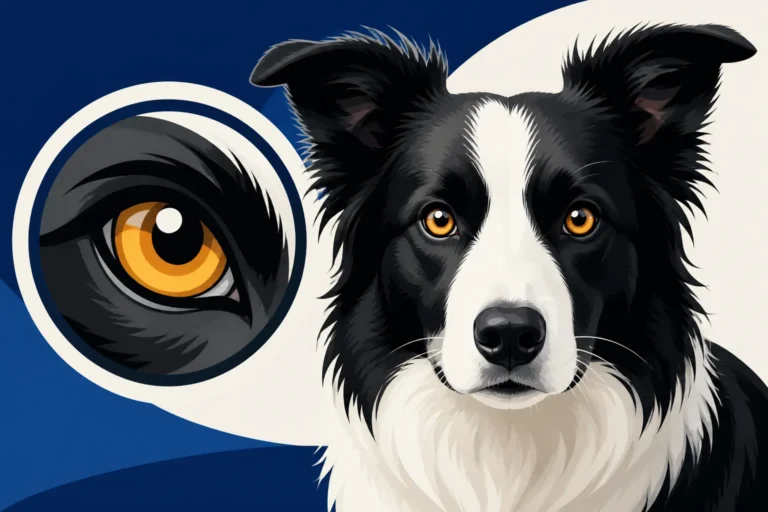
The head was described as broad in the skull, with a distinct but not exaggerated stop, tapering to a strong muzzle. The eyes were perhaps the most critical feature, often referred to as the "windows to the soul" of the Border Collie. They were expected to be set well apart, oval in shape, and of moderate size. The color could vary with the coat, but brown was preferred, with blue or partial blue eyes permissible only in merles. The expression was paramount: intelligent, alert, keen, and eager. This isn't just about beauty; it speaks volumes about the dog's readiness to work and its innate intelligence. The ears could be either erect or semi-erect, a characteristic shared with many working breeds. A distinctive feature for many Border Collies, as outlined in The Half-Pricked Ear a Border Collie Carries, is that slightly bent tip, giving them an inquisitive and attentive look. The overall head conformation contributes significantly to the breed's unmistakable identity.
Temperament and Movement as Described in the 1977 Standard
Beyond the physical appearance, the 1977 Kennel Club Standard put significant emphasis on the Border Collie's temperament and its characteristic movement. For a breed so inherently linked to work, these aspects were not mere footnotes but integral components of what made a Border Collie truly a Border Collie. A dog could have the perfect coat and structure, but if it lacked the correct disposition or moved inefficiently, it would fall short of the ideal.
The Desired Disposition and Working Capacity
The temperament section of the standard is where the breed's working heritage truly shines through. It described the Border Collie as keen, alert, intelligent, and eager to please, without any signs of nervousness or aggression. The phrase "eager to please" is so central to the breed's disposition, hinting at their incredible trainability and desire for a job. This isn't just about being a good pet; it reflects their drive to partner with a handler and execute complex tasks. While the standard was for a show dog, it explicitly stated that the temperament should be that of a working sheepdog. This means a dog with boundless energy, a sharp mind, and an intense focus. A Border Collie that was dull, fearful, or overly aggressive would be considered a serious fault, as these traits would render it unsuitable for its original purpose. This inherent drive for work is precisely why a Border Collie needs a purpose, whether that's herding, agility, or advanced obedience.
Gait and Action: The Efficient Mover
The Border Collie's movement is a poetry of efficiency and purpose. The 1977 standard detailed a gait that was free, smooth, and tireless. It emphasized that the dog should move with great stealth and speed, indicative of its herding style. When moving at a fast trot, the feet were expected to converge towards the center line of the body, a hallmark of efficiency designed to conserve energy over long distances. The powerful drive from the hindquarters and the flowing, unrestricted reach of the forelegs were crucial. This isn't about flashy, high-stepping action; it's about ground-covering movement that suggests endurance and agility. A Border Collie needs to be able to change direction instantly, stop on a dime, and cover uneven terrain without tiring. Any stiffness, choppiness, or awkwardness in gait would be considered a major deviation from the standard, as it would directly impede the dog's ability to perform its traditional duties. The standard sought to capture the effortless, flowing movement seen in a top working dog.
The Border Collie Stare and Its Significance
While not explicitly a "temperamental fault" or "gait description," the intense "eye" or "stare" is such a fundamental characteristic of the Border Collie that it implicitly underpins both temperament and action. The 1977 standard's emphasis on an alert, keen expression directly relates to this. That powerful, focused gaze is a primary tool for controlling livestock, allowing the dog to move sheep with minimal physical intervention. It's a manifestation of their intense focus and intelligence. Even if a show dog isn't working sheep, that underlying intensity in its gaze is a hallmark of the breed's working capacity. It speaks to their desire to observe, process, and react. A dull or distracted expression would simply not fit the mental image of a Border Collie described by the standard. You can learn more about this captivating trait in The Border Collie Stare and Where It Comes From. This intense focus is why many Border Collie owners turn to interactive toys and puzzles, often found on platforms like Chewy, to provide mental stimulation even when physical work isn't an option.
Points of Emphasis and Disqualification in the 1977 Standard
Any breed standard will highlight what is considered desirable and what is seen as undesirable. The 1977 Kennel Club Standard for the Border Collie was no different, laying out clear guidelines for what judges should emphasize and what would lead to a dog being penalized or even disqualified. These points reveal the values placed on different aspects of the breed's form and function within the context of conformation showing.
What Judges Valued in the Ring
Judges in the conformation ring were tasked with finding the Border Collie that most closely matched the ideal described in the standard. This meant a keen eye for overall balance, correct proportions, and the efficient, tireless movement that spoke of working ability. They would look for that intelligent, alert expression, the correct head shape, and the well-laid-back shoulders combined with strong hindquarters. Correct coat type and condition were important, reflecting the breed's need for weather protection. While specific markings were less critical than structure, a harmonious distribution of color was generally preferred. Essentially, judges were looking for a dog that, even without sheep in front of it, still looked like it could go out and work all day. Every part of the dog had to contribute to an impression of agility, stamina, and intelligence. The summary of where points are typically lost can be found in Where a Border Collie Loses Points in the Ring.
Faults and Serious Disqualifications
Of course, not every dog is perfect, and the standard outlined various faults that would detract from a dog's score. These could range from minor deviations to more serious issues. For instance, an incorrect ear set, a soft or sparse coat, a timid or aggressive temperament, or an unsound gait would all be considered faults. Excessive white on the body, particularly if it predominated, was also penalized, as it could be linked to certain health issues or simply stray too far from the traditional appearance. Serious structural flaws that would genuinely impede a dog's working ability, such as poor angulation or a weak back, would be heavily penalized. Disqualifications were reserved for fundamental deviations from the breed type, such as known disqualifying colors or conditions, or an overtly uncharacteristic temperament. The overarching principle was to avoid anything that would compromise the dog's health, soundness, or ability to perform its historical function.
The Role of Proportions and Balance
Perhaps one of the most subtly important aspects of the standard was the emphasis on proportions and balance. This wasn't just about individual features being correct, but how all those features fit together to create a harmonious whole. A dog might have perfect ears and eyes, but if its body was too short or its legs too long for its build, it would lack balance. The standard called for a dog whose length from shoulder to buttock was slightly greater than its height at the shoulder. This slightly rectangular build provides the agility and endurance needed for herding. Every angle, every curve, every joint had to work in concert to allow for effortless movement and functional efficiency. This concept of overall balance is what truly separates a good Border Collie from an excellent one in the eyes of a judge. It ensures that the breed remains functional, even as it achieves aesthetic perfection.
| Feature Area | Desired Trait (1977 KC Standard) | Undesired Trait (Fault/DQ) | Purpose/Significance |
|---|---|---|---|
| Overall Build | Athletic, balanced, medium size | Coarseness, weakness, disproportionate | Agility, stamina, endurance for work |
| Height | Approx. 53cm (dogs), slightly less (bitches) | Too tall, too short, lacking balance | Efficient ground coverage, traditional working size |
| Coat | Rough or smooth, dense, weather-resistant | Sparse, overly fine, lacking undercoat | Protection from elements in diverse working conditions |
| Color/Markings | Any color, white not predominant | Predominantly white, atypical colors | Breed identity, health considerations |
| Head | Broad skull, distinct stop, strong muzzle | Narrow skull, weak muzzle, exaggerated stop | Intelligence, bite strength, breed expression |
| Eyes | Oval, moderate size, brown (merle may have blue) | Round, small, widely set, non-merle blue eyes | Keenness, intelligence, 'eye' for herding |
| Ears | Erect or semi-erect | Fully dropped, fully erect and stiff | Alertness, responsiveness |
| Temperament | Keen, alert, intelligent, eager to please | Nervous, aggressive, dull, timid | Trainability, partnership, working drive |
| Gait | Free, smooth, tireless, efficient | Stiff, choppy, awkward, lacking drive | Endurance, speed, agility in the field |
The Impact and Legacy of the 1977 Kennel Club Standard
The introduction of the 1977 Kennel Club Standard for the Border Collie was more than just a piece of paper; it was a defining moment that irrevocably shaped the breed's trajectory. It formalized a vision of the Border Collie that, for the first time, focused heavily on aesthetics within a structured show environment. This move, while well-intentioned for many, also created a distinct divergence within the breed that continues to be a topic of discussion today.
Shaping the Show Border Collie
With a written standard, breeders and judges finally had a concrete guide for what constituted an "ideal" Border Collie in the conformation ring. This led to a focused effort to breed dogs that excelled in appearance, gait, and temperament as defined by the standard. Over the years, this has naturally resulted in a lineage of "show Border Collies" that often boast exquisite coats, striking markings, and a very specific build that conforms to these aesthetic ideals. While the standard always tried to nod to working ability, the ultimate goal in the show ring is conformity to that visual blueprint. This emphasis has produced many beautiful dogs that are wonderful companions, often found in pet homes where their striking looks and manageable temperaments (compared to the most intense working lines) are highly prized.
Divergence from Working Line Ideals
However, this focus on a written, aesthetic standard often created a rift with the traditional working Border Collie community. For generations, working breeders prioritized one thing above all else: working ability on stock. If a dog could gather, drive, and pen sheep effectively and efficiently, its appearance was secondary. This meant that working dogs might come in all shapes, sizes, and coat lengths, as long as they had the brain and the grit for the job. The 1977 Kennel Club Standard, by codifying specific physical traits, inevitably led to some working lines feeling that the "essence" of the Border Collie was being diluted or misunderstood. They feared that form would begin to take precedence over function, potentially breeding out the very traits that made the Border Collie the world's premier sheepdog. This historical tension is crucial to understanding the breed's development, as further explained in The Working and Show Split in Border Collies.
Modern Interpretations and Evolution of Standards
While the 1977 standard was influential, breed standards are not immutable. They are periodically reviewed and updated to reflect new understanding, health concerns, or evolving preferences within the breed community. What remains consistent, however, is the standard's foundational role. Today, breeders and enthusiasts navigate these historical documents, understanding that they represent a snapshot in time. Many still appreciate the clarity the 1977 standard brought to the breed's aesthetics, even while acknowledging the working dog's heritage. The conversation continues about how to best preserve the Border Collie's remarkable intelligence and working drive, whether through strict adherence to conformation standards or through a continued focus on field performance. It highlights the ongoing debate within many working breeds: how do we preserve what makes them special, in all their varied expressions?
Living with a Border Collie Bred to a Standard
So, what does all this mean for you, the everyday person considering bringing a Border Collie into your life? Understanding the 1977 Kennel Club Standard, or any breed standard for that matter, helps you appreciate the history and the goals of certain breeding programs. A Border Collie bred to a conformation standard might present a slightly different set of expectations than one from a purely working line, but their core needs remain powerfully present.
Matching a Standard-Bred Dog to a Family Home
A Border Collie from lines bred to a Kennel Club standard often possesses a stunning appearance—those signature markings, luxurious coats (which will definitely require good grooming tools, perhaps even a special de-shedding brush available on Chewy), and balanced proportions. However, it's a common misconception that because a dog is bred for show, it will automatically be "calmer" or "easier" than a working line dog. While some show lines might have a slightly less intense drive than a top-tier sheepdog, they are still Border Collies through and through. They are incredibly intelligent, energetic, and require significant mental and physical engagement. Expect a dog that needs a job, even if that job isn't herding sheep. They thrive on routine, learning, and interaction. This isn't a breed for a sedentary lifestyle, regardless of its pedigree.
Exercise and Mental Stimulation Needs
No matter if your Border Collie comes from show lines or working lines, its innate need for exercise and mental stimulation is paramount. The intelligent, eager-to-please temperament described in the 1977 standard isn't just for the show ring; it translates to a dog that needs to use its brain. This means daily, vigorous exercise—think long runs, bike rides, or engaging games of fetch (though be mindful of obsessive tendencies, and vary up activities!). But physical exercise alone won't cut it. Mental stimulation is just as, if not more, important. Puzzle toys, scent work, advanced obedience training, agility, flyball, or even learning complex tricks are all fantastic ways to engage their brilliant minds. A bored Border Collie, even one with a beautiful show-quality coat, is a recipe for destructive behaviors. They will find a job, and you might not like what they choose to do with their ample free time if you don't provide appropriate outlets.
Understanding Health Testing in Relation to Standards
Responsible breeders, whether they focus on working ability or conformation, will prioritize the health of their dogs. The 1977 standard implicitly called for soundness, and modern breeding practices build upon this with extensive health testing. Breeders aim to eliminate or minimize the incidence of genetic conditions common in the breed, such as hip and elbow dysplasia, eye anomalies, and various neurological conditions. For any Border Collie, understanding these health considerations is vital. When looking for a puppy, always ask about the parents' health clearances, including hip and elbow scores, eye certifications, and genetic panel results. This due diligence ensures you're bringing home the healthiest possible companion, regardless of whether their ancestors graced a show ring or a sheep pasture. Reputable breeders, whether their focus is on the ring or the field, will be transparent about their health testing protocols and should be able to provide all relevant documentation.
Disclaimer
This article is for general informational purposes only and does not constitute professional advice. Laws, prices and regulations vary by location and change over time. Consult a qualified professional for guidance on your specific situation.