The International Sheep Dog Society, Founded 1906
It's easy to look at a Border Collie and just see a super-smart, high-energy dog. But beneath that intelligent gaze and boundless drive lies a history deeply rooted in a very specific purpose, nurtured and protected by an organization many outside the working dog world might not even know exists. This guide is going to peel back the layers and introduce you to the International Sheep Dog Society, founded in 1906, and explain exactly how this pivotal organization shaped the Border Collie as we know and love them today.
The Genesis of the International Sheep Dog Society
Before the formal establishment of the International Sheep Dog Society (ISDS), the world of sheepdogs, particularly in the border regions of Scotland and England, was a fascinating but somewhat unorganized landscape. Shepherds relied on their dogs as indispensable partners, but there wasn't a unified system for acknowledging or promoting the best working qualities. It was a time of immense practical need, where a dog's worth was measured purely by its ability to gather, drive, and control sheep efficiently and quietly.
The Border Country and Its Needs
Imagine the rugged, often harsh terrain of the Anglo-Scottish borderlands, where sheep farming was not just a livelihood, but a way of life. The flocks roamed vast, unfenced areas, often spanning miles of hill and dale. A shepherd, working alone, simply couldn't manage these thousands of animals without an exceptional canine assistant. They needed dogs with incredible stamina, keen intelligence, natural herding instinct, and an unshakeable desire to work in partnership with their human. These weren't pets; they were essential tools for survival.
The conditions demanded a dog that could think for itself, make quick decisions, and demonstrate initiative, all while being exquisitely biddable to the shepherd's commands. A dog that lacked the "eye" to control sheep, or the stamina to work an entire day, was simply not fit for purpose. It was this intense practical pressure that inadvertently began to shape the breed we now call the Border Collie, long before any formal registry existed. The best dogs were bred to the best dogs, purely based on their prowess in the field, creating a lineage defined by raw working talent.
Early Trials and Disorganization
Sheepdog trials, informal at first, began to emerge as a way for shepherds to showcase their dogs' abilities and for breeders to identify superior stock. The very first recorded sheepdog trial, for example, took place in Bala, Wales, way back in 1873. These early events were thrilling demonstrations of skill, proving the incredible capabilities of these dogs. However, they also highlighted a growing problem: a lack of consistency and standardized evaluation.
Without a governing body, rules varied wildly from one trial to the next. What constituted a "good" run in one area might be seen differently elsewhere. More importantly, the focus began to shift in some quarters towards appearance, or "fancy points," rather than purely working merit. This was a concern for many working shepherds who saw their dogs as integral to their profession, not as show animals. They feared that if aesthetics began to overshadow ability, the very essence of their beloved working collies would be diluted. This growing tension and the desire to preserve the true working dog laid the groundwork for a more formal organization to step in and safeguard the breed's future. For more on this, you might find The 1873 Sheepdog Trial Before the Border Collie an interesting read.
Founding Principles and Purpose
The year 1906 marked a turning point. A group of visionary shepherds and enthusiasts, acutely aware of the need to protect the working qualities of their dogs, came together to form the International Sheep Dog Society. Their mission was clear and unwavering: to foster and promote the working sheepdog, ensuring that its natural intelligence, herding instinct, and biddability remained paramount.
Prioritizing Working Ability Above All
The ISDS was founded on a bedrock principle that has remained unchanged for over a century: working ability is everything. Unlike many kennel clubs that base breed standards on physical appearance, the ISDS explicitly rejected such an approach. They understood that the unique genius of the Border Collie wasn't in its coat color, ear set, or tail carriage, but in its mind, its drive, and its genetic predisposition to herd.
For the ISDS, a dog's value was demonstrated in the field, working stock with precision and intelligence. This meant that the criteria for registration and recognition were solely performance-based. A dog had to prove its worth by successfully working sheep, often in the challenging environment of a trial, before it could be considered for ISDS registration. This fierce dedication to function over form ensured that breeders registered with the ISDS continued to select for the traits that made the Border Collie such an extraordinary partner to the shepherd. It was a pragmatic approach, born of necessity, but one that has profoundly influenced the breed's development.
The Registration System and Its Impact
The ISDS developed a registration system designed to track and preserve the pedigrees of proven working dogs. This wasn't about simply recording birthdates; it was about creating a documented lineage of exceptional working talent. To be registered with the ISDS, a dog typically had to demonstrate its working ability, either by performing well in trials or by being the offspring of two ISDS-registered working parents. This rigorous approach created a distinct separation between working-line Border Collies and those bred primarily for appearance.
This system had a monumental impact. It allowed breeders to reliably trace the working lines of their dogs, ensuring they were breeding from stock known for intelligence, instinct, and sound temperament. For someone looking for a serious working partner, or even a highly driven sport dog, an ISDS pedigree offered a strong assurance of potential. It became the gold standard for working Border Collies, globally recognized as a mark of genuine working heritage. You can learn more about this process in How Border Collies Are Registered on Merit. This meticulous record-keeping, focused on performance, solidified the breed's reputation as the premier sheepdog.
Old Hemp's Enduring Legacy and the ISDS
You simply cannot discuss the history of the Border Collie or the International Sheep Dog Society without talking about Old Hemp. This remarkable dog, born in 1893, became the embodiment of the very qualities the ISDS would later champion and seek to preserve. His influence on the breed is immeasurable, and his unique working style became the blueprint for what we now recognize as the quintessential Border Collie.
Old Hemp: The Progenitor's Influence
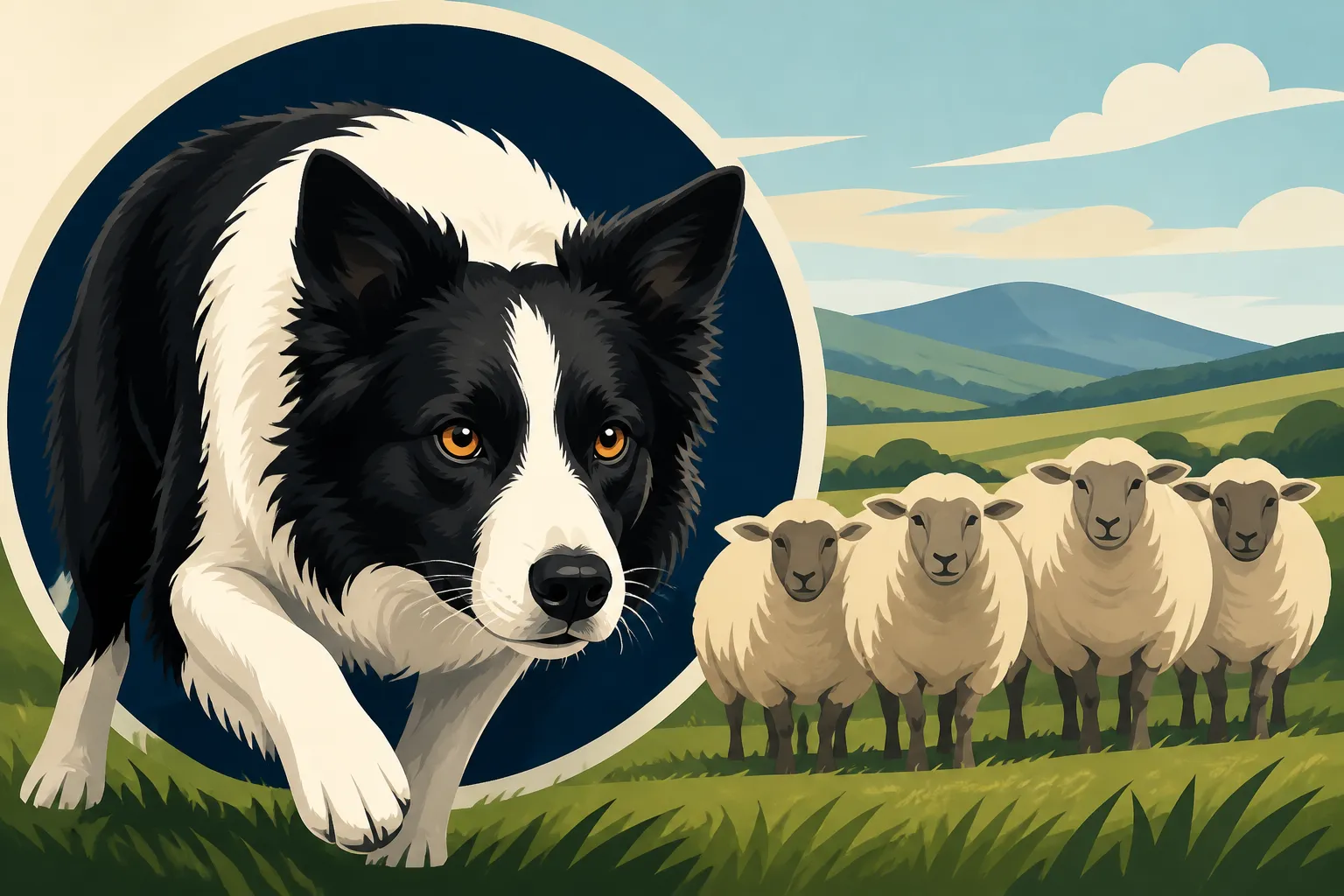
Old Hemp was a dog of incredible presence and an utterly revolutionary working style. Before Hemp, many collies worked sheep with a more aggressive, barking, and chasing style. Hemp, however, was noted for his quiet, intense "eye" and his uncanny ability to control sheep with minimal fuss or force. He would crouch low, staring intently at the sheep, moving them with subtle shifts of his body and an almost telepathic connection to his handler. This calm, authoritative approach was a game-changer for shepherds.
His owner, Adam Telfer, a shepherd from Northumberland, recognized Hemp's extraordinary talent. Hemp's progeny inherited his remarkable traits, proving that his working genius was genetic. He was a prolific sire, and it's widely believed that nearly every Border Collie alive today can trace its lineage back to Old Hemp. He didn't just win trials; he redefined how sheepdogs worked, showing that intelligence and quiet control were far more effective than brute force. He became the living proof of the ISDS's philosophy before the society was even formed. For a deeper dive, check out Old Hemp and Every Border Collie Alive Today.
Defining the Border Collie Standard
The ISDS, in its quest to preserve the best working sheepdogs, essentially adopted Old Hemp's style as the unofficial "standard" for what a Border Collie should be. While they never created a physical standard based on looks, they effectively created a performance standard based on the efficiency, quietness, and intelligence exemplified by Hemp. When a dog was evaluated for ISDS registration or competed in trials, judges and handlers were looking for that same controlled "eye," the fluid movement, the biddability, and the drive that characterized Hemp's work.
This functional standard meant that the physical characteristics of the Border Collie were a secondary consideration, only important insofar as they contributed to working ability. A sound structure, good stamina, and weather-resistant coat were naturally selected for, as these were vital for a dog working long hours in varied conditions. But there was no arbitrary dictate on ear carriage or coat color. This is why you see such a diverse range of looks within ISDS-registered Border Collies, yet a remarkable consistency in their working aptitude. The ISDS solidified Hemp's legacy, ensuring that generations of Border Collies continued to embody his legendary working prowess. Understanding How Old Hemp's Style Became the Standard really helps paint a picture of this influence.
The ISDS vs. Kennel Club Controversy
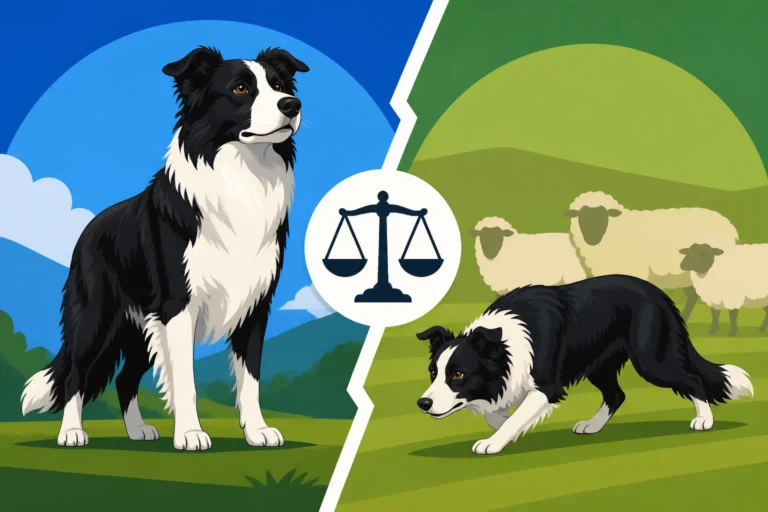
While the ISDS was meticulously building its reputation around working ability, other canine organizations, primarily kennel clubs, operated with a different set of priorities. This divergence eventually led to a significant and often heated philosophical divide over the true identity and future of the Border Collie. It's a split that continues to influence breeding and ownership decisions to this day.
A Battle for the Breed's Soul
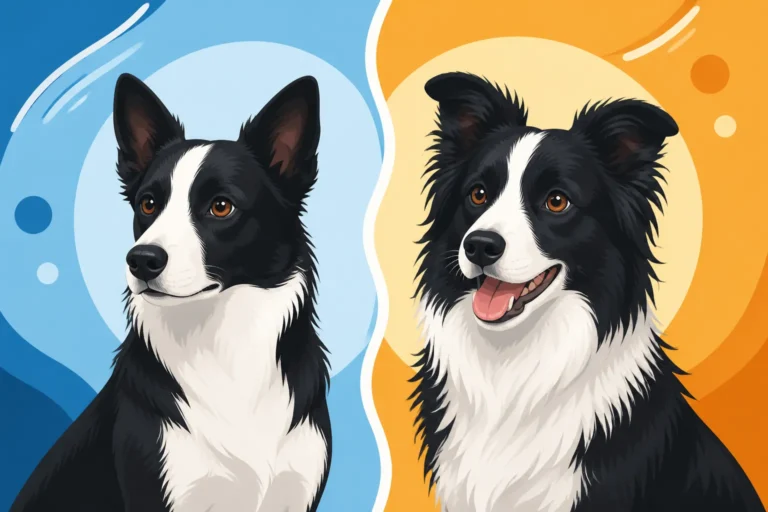
The core of the conflict arose when kennel clubs, like the American Kennel Club (AKC) and The Kennel Club (UK), began to consider recognizing the Border Collie as a breed. Kennel clubs traditionally establish detailed physical standards for breeds, and dogs compete in conformation shows where their appearance is judged against these standards. For the ISDS and many working Border Collie handlers, this was anathema. They feared that if the breed was recognized by a kennel club, breeders would inevitably start selecting for "show points" – a perfectly marked coat, a certain ear set, specific angulation – rather than the critical working traits.
This wasn't just a minor disagreement; it was seen as a threat to the very essence of the Border Collie. The working community believed that introducing conformation standards would dilute the gene pool of working ability, leading to dogs that looked like Border Collies but lacked the inherent drive, intelligence, and biddability that made them exceptional sheepdogs. It was a battle, as many saw it, for the very soul of the breed, a choice between form and function. This passionate stance underlines the depth of their commitment to the working dog.
The Impact on Border Collie Breeding
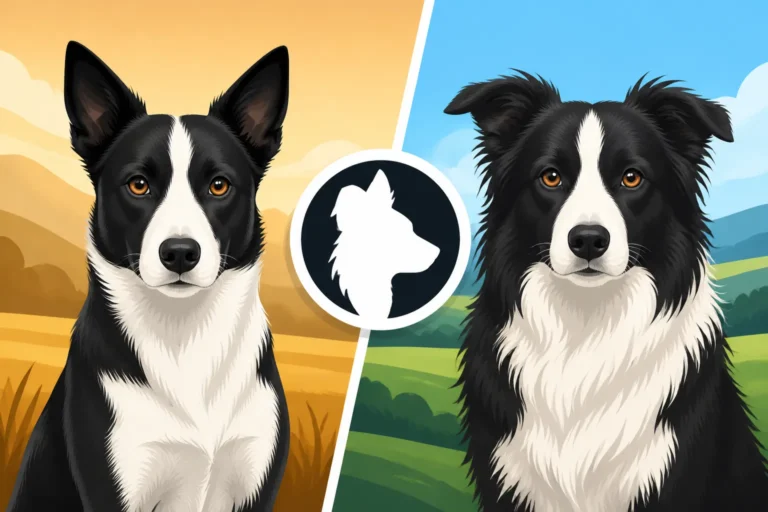
When the AKC eventually recognized the Border Collie in 1995, despite strong opposition from the working community (including the ABCA, the American Border Collie Association, which also maintains a working registry), the breeding landscape became significantly more complex. We now have what is often referred to as the "working line" and "show line" split within the Border Collie breed.
ISDS/Working Lines:
- Focus: Predominantly working ability, instinct, intelligence, biddability.
- Appearance: Secondary, wide variation in looks.
- Temperament: High drive, intense focus, requires significant mental and physical work.
- Purpose: Herding, dog sports, active companionship for experienced owners.
AKC/Show Lines (Conformation):
- Focus: Conformance to a physical breed standard.
- Appearance: Specific coat types, colors, structure.
- Temperament: May be bred for a slightly less intense drive, more suitable for typical pet homes, though still smart and active.
- Purpose: Conformation showing, family pets, some still excel in sports.
This split means that potential owners now face a choice. Do they seek a dog from strong working lines, likely registered with the ISDS or ABCA, understanding the immense commitment required to meet its needs? Or do they opt for a dog from conformation lines, which might be a better fit for a less demanding pet home, but still retains that classic Border Collie intelligence? It's a critical consideration for anyone bringing one of these amazing dogs into their lives. Many working breeders actively fought against AKC recognition, fearing exactly this outcome, and you can delve into that more with Why Working Breeders Fought AKC Recognition. When you're looking for toys or food for your Border Collie, whether working or show line, remember that their energy levels will likely be high, and places like Chewy offer a robust selection of durable toys and high-quality performance foods to keep them healthy and engaged.
| Feature | International Sheep Dog Society (ISDS) Registered Border Collie | Kennel Club (e.g., AKC) Registered Border Collie (Conformation) |
|---|---|---|
| Primary Focus | Working ability, herding instinct, biddability, intelligence | Physical appearance, adherence to a written breed standard |
| Registration Criteria | Proven working ability (trials) or parentage from proven working dogs | Pedigree from registered parents, often focusing on conformation titles |
| Breeding Goals | Enhance and preserve working traits, sound structure for work | Produce dogs that excel in conformation shows, maintain desired look |
| Appearance Standards | No specific physical standard; diverse looks are common | Strict physical standards (coat, color, size, structure, gait) |
| Typical Temperament | High drive, intense focus, sensitive, needs a job | Can range from high drive to more moderate, generally intelligent |
| Activities Encouraged | Herding trials, advanced dog sports (agility, obedience, flyball), working farm dogs | Conformation shows, dog sports, active companion homes |
| Global Recognition | Premier registry for working sheepdogs globally | Recognized by national kennel clubs; primarily for show and pet lines |
The ISDS Today: Upholding Tradition
Over a century after its founding, the International Sheep Dog Society remains a vibrant and essential organization, dedicated to its original mission. In a world where many breeds have seen their working origins fade into history, the ISDS actively ensures that the Border Collie's incredible herding talent is not just remembered, but continually practiced and perfected.
Modern Trials and Continued Focus
The heart of the ISDS's work today lies in its sheepdog trials. These aren't just competitions; they are rigorous tests of a dog's natural instinct, training, and partnership with its handler. From local club trials to national and international championships, ISDS events showcase the pinnacle of working dog ability. Handlers and their Border Collies navigate complex courses, gathering, driving, shedding, and penning sheep with precision and grace.
These trials serve several crucial functions. Firstly, they identify the top working dogs, influencing breeding decisions and ensuring that the most talented individuals pass on their genes. Secondly, they educate handlers and the public about the incredible capabilities of these dogs, fostering a deeper appreciation for their heritage. Lastly, they simply provide an unparalleled spectacle of partnership and skill. The focus remains steadfastly on the dog's ability to work sheep quietly and effectively, upholding the tradition laid down by Old Hemp himself. For anyone curious about the mechanics, The Border Collie in Sheepdog Trials explains a lot. It's truly breathtaking to watch.
Global Influence and Preservation
While rooted in the UK, the influence of the ISDS extends far beyond its geographical borders. Many working Border Collie breeders and enthusiasts around the world look to ISDS pedigrees as a benchmark of quality and working potential. Its principles of selecting for working merit have been adopted by similar organizations globally, all striving to preserve the Border Collie's integrity as a working sheepdog.
The ISDS also plays a vital role in educating new generations of handlers and maintaining the traditional methods of training and working these dogs. They recognize that owning a Border Collie is a huge commitment, and that simply living with one requires understanding their unique needs and drives. They advocate for responsible ownership that provides these intelligent dogs with sufficient mental and physical engagement, whether that's on a farm, in competitive dog sports, or through structured activities. When you see ISDS registration on a Border Collie's papers, it tells you that dog comes from a legacy committed to intelligent, driven, and capable working stock. It's a commitment to preserving the very essence of what makes a Border Collie a Border Collie, a legacy that continues to impact canine culture worldwide. If you're looking for high-quality training equipment, from long lines to treat pouches, check out Chewy's selection to support your Border Collie's development.
Disclaimer
This article is for general informational purposes only and does not constitute professional advice. Laws, prices and regulations vary by location and change over time. Consult a qualified professional for guidance on your specific situation.