The Year Old Hemp Was Born and Died
One of the most profound figures in Border Collie history is Old Hemp, a dog whose lineage and unique working style shaped the breed we know and love today. Many enthusiasts, and even seasoned handlers, often wonder about the specific timeline of this legendary dog, curious about when he first graced the fields and when his impactful life concluded. Understanding his birth and death years isn't just about historical trivia; it's about appreciating the relatively short span in which he revolutionized sheepdog work and cemented the genetic foundation for nearly every Border Collie alive today. This guide will delve into Old Hemp's pivotal years, exploring his origins, the incredible influence he wielded during his lifetime, and the enduring legacy of his relatively brief but utterly transformative existence.
The Birth of a Legend: Old Hemp's Origins
Every great story has a beginning, and for the Border Collie breed, that beginning is inextricably linked to a small, unassuming dog named Hemp. Born into a world where sheepdog trials were still finding their footing and working styles varied wildly, Hemp arrived as a beacon of what was truly possible. His birth was not merely a date on a calendar; it was the genesis of a canine phenomenon that would redefine the art of herding.
The Year 1893 and His Pedigree
Old Hemp entered the world in 1893, on the farm of Adam Telfer in West Woodburn, Northumberland, England. This was a time when the rough, biting, and often aggressive herding styles were still common, and shepherds were constantly seeking dogs that could manage their flocks with more finesse and less force. Hemp's parents were integral to his genetic makeup. His sire was a tri-color dog named Roy, known for his strong working drive and intensity. His dam was a black-and-tan bitch named Meg, who, despite being described as rather quiet and soft, possessed a powerful "eye"—that intense, fixed gaze Border Collies use to control sheep. It was this potent combination of strong instinct and quiet control that would manifest so powerfully in their son.
Imagine the bustling farm life of late 19th-century Northumberland. The air would have been filled with the bleating of sheep, the calls of shepherds, and the eager barks of working dogs. Into this rugged landscape, Hemp was born, one pup in a litter, seemingly unremarkable at first glance. Yet, from an early age, it became clear he was different. His owner, Adam Telfer, quickly recognized something special. The qualities of both Roy and Meg seemed to merge in Hemp, creating a dog with an uncanny natural ability to gather and control sheep without the need for harsh corrections. This was a significant departure from many of the "collies" of the era.
Early Development and Unique Working Style
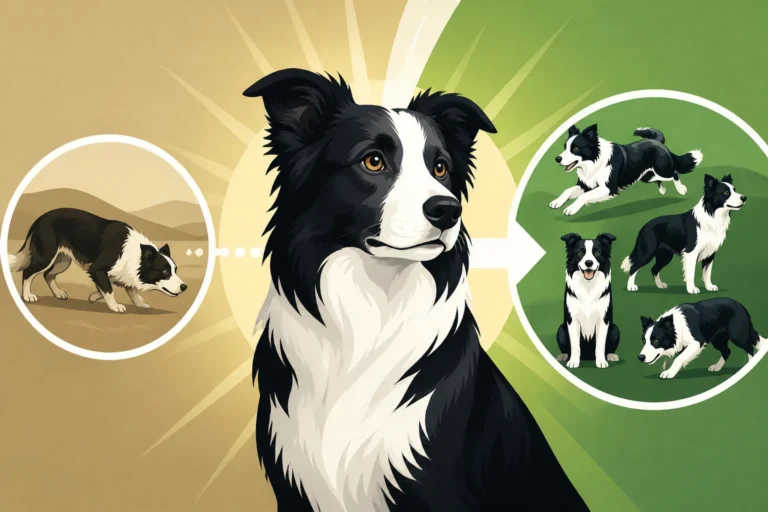
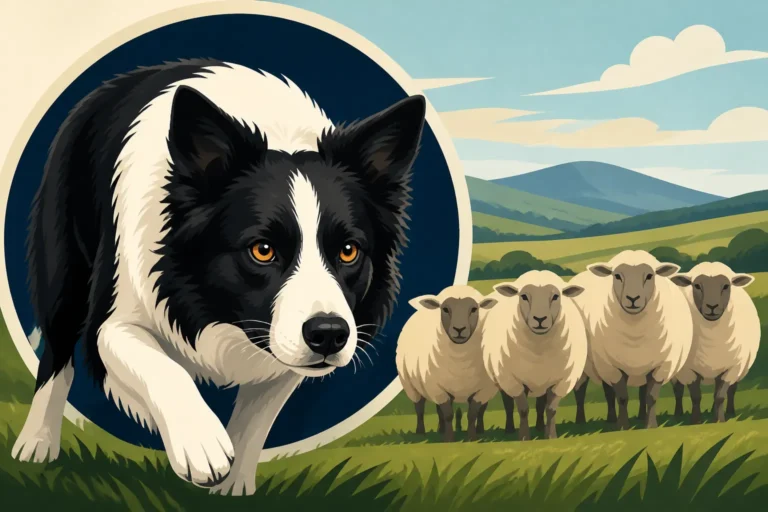
From the moment he was old enough to show interest in sheep, Hemp displayed a precocious talent. Adam Telfer himself noted that Hemp worked "in a way entirely his own." Unlike other dogs who might rush, bark, or nip at the sheep, Hemp exhibited a calm, steady demeanor. He utilized an incredibly strong but silent "eye," holding the sheep with his gaze rather than physical intimidation. This quiet intensity allowed him to move sheep with minimal fuss, reducing stress on the flock and making the shepherd's job far more efficient. It was a revelation, a method of working that was both powerful and gentle.
This gentle, yet firm, approach was revolutionary. Farmers and handlers were tired of dogs that scattered sheep or caused injuries. Hemp's natural ability to gather and control with such precision meant fewer lost sheep, less stress during handling, and ultimately, a more profitable operation. He wasn't just working sheep; he was communicating with them, understanding their movements, and guiding them almost telepathically. This innovative approach quickly gained him renown beyond Adam Telfer's farm. People traveled from far and wide to see Hemp work, and even more importantly, to breed their bitches to him, hoping to capture some of his unparalleled genius in their own pups. His influence on How Old Hemp Worked Differently From Other Dogs was undeniable, shaping the very definition of an effective sheepdog.
A Life of Influence: Old Hemp's Working Career and Progeny
While his life was relatively short by modern standards, Old Hemp packed an incredible amount of influence into his working years. He wasn't just a good dog; he was a paradigm shift, changing how shepherds thought about herding and forever altering the genetic landscape of the Border Collie. His impact during his lifetime was so profound that it continues to resonate in every working Border Collie you see today.
Dominance in the Field and Stud Record
Old Hemp was reportedly never beaten in a sheepdog trial. This isn't just a testament to his individual skill, but to the effectiveness of his revolutionary working style. Imagine the scene: a trial field, with handlers and their dogs moving flocks, often with a lot of noise and commotion. Then, Hemp would step onto the field, and with quiet intensity and an almost hypnotic gaze, he would effortlessly gather and drive the sheep. His calm, controlled approach contrasted sharply with the more boisterous methods common among other collies. This natural ability to work without excessive force or aggression quickly made him the benchmark for excellence.
Beyond his individual triumphs, Old Hemp's real legacy lies in his prolific stud career. During his active years, he sired over 200 pups. This was an astonishing number for the time, and it speaks volumes about his reputation. Shepherds and handlers recognized that Hemp carried something special, a genetic predisposition for superior working ability, and they eagerly sought to incorporate his lines into their own. Each of these pups carried a piece of Hemp's genius, spreading his working style and temperament throughout the burgeoning population of working collies. In fact, it is widely accepted that Old Hemp and Every Border Collie Alive Today can trace their lineage back to this foundational dog. You can even find historical texts and breed studies that delve into this fascinating genetic spread, sometimes available through resources like Chewy, for anyone keen to explore the origins of the breed in more detail.
Shaping the Breed Standard
Hemp's influence extended far beyond individual trial wins and progeny counts; he literally defined what a "Border Collie" should be. Before Hemp, the term "collie" referred to a range of shepherd's dogs without a unified standard. It was Hemp's consistent demonstration of exceptional herding talent, combining strong eye with a calm and intelligent approach, that began to solidify the ideal characteristics for the breed. His style became so revered that it implicitly (and later explicitly) informed the development of what would become the Border Collie breed standard.
This wasn't an overnight change, but a gradual recognition of his unparalleled effectiveness. Handlers started to look for dogs that possessed "Hemp's qualities"—the quiet intelligence, the intense gaze, the ability to work stock with minimal fuss. When the International Sheep Dog Society (ISDS) was founded in 1906, just a few years after Hemp's passing, their initial goals and criteria for registering working sheepdogs were heavily influenced by the type of dog Hemp represented. He set the bar, becoming the archetype of the perfect working collie. Without his foundational contribution, the Border Collie as a distinct, globally recognized herding breed might have developed very differently. He laid the groundwork for How Old Hemp's Style Became the Standard that persists to this day.
The End of an Era: Old Hemp's Passing
No life, no matter how influential, lasts forever. Old Hemp's remarkable journey came to an end, marking the close of a chapter but opening an even larger one for the breed he so profoundly shaped. Understanding the year of his death helps us frame his impact within a specific, albeit short, historical context.
The Year 1901 and His Age
Old Hemp passed away in 1901. This means he lived for approximately eight years, from his birth in 1893 to his death in 1901. For a working dog of that era, living primarily outdoors and engaged in demanding physical labor, eight years was a respectable, though not exceptionally long, lifespan. Modern Border Collies, with advancements in veterinary care, nutrition, and management, often live well into their teens. However, in the late 19th and early 20th centuries, a dog that lived and worked effectively for eight years was considered to have had a full and productive life.
It's important to reflect on what he accomplished in those eight years. He wasn't just a dog that existed; he was a force of nature, an innovator, and a progenitor. His life wasn't measured in mere years, but in the sheer volume of his progeny and the indelible mark he left on canine working methodology. Every year of his life was filled with purpose, either working the flocks or passing on his exceptional genes. His death, while undoubtedly mourned by Adam Telfer and many others who admired him, didn't signify an end to his legacy but rather a transition from living legend to immortal icon.
Legacy Forged in a Short Lifespan
Even though his physical presence was removed from the world in 1901, Hemp's spirit and genetic blueprint continued to thrive. His impact was solidified because his offspring were already demonstrating the same remarkable working traits he possessed. They were carrying on his quiet, intelligent herding style, and proving the validity of his methods. Had he not been such a prolific and successful sire, his passing might have been a more significant setback for the development of his unique line. But because he had already produced so many excellent successors, his influence was assured.
His relatively short lifespan perhaps even contributed to the urgency and focus on propagating his lines. Handlers knew what they had in Hemp, and they acted quickly to ensure his genetic material was widely dispersed. This foresight meant that by the time of his passing, the seeds of the modern Border Collie breed were already firmly planted, growing vigorously across the Anglo-Scottish borderlands and beyond. You can still see his legacy today in the strong "eye" and keen intelligence of working dogs, whether they are on a sheep farm or competing in agility. Many enthusiasts look to the historical accounts of Old Hemp to understand the fundamental drive that makes their own Border Collies tick, and resources like Chewy can even offer advanced tools for understanding canine genetics and lineage.
Why Old Hemp's Dates Matter Today
Understanding Old Hemp's birth and death dates isn't just an exercise in historical recollection. It provides crucial context for appreciating the Border Collie breed's rapid development and the foundational impact of a single, extraordinary dog. His timeline helps us grasp the speed at which his unique traits were recognized, disseminated, and ultimately codified into the breed we cherish.
The Foundation of the Modern Breed
Old Hemp's lifetime, particularly his working years between 1893 and 1901, represents the formative period for the Border Collie. It was during this specific window that his distinctive herding style became not just admired, but universally sought after. His birth year, 1893, marks the true beginning of the breed's modern lineage, as it's from him that the characteristic intelligence, intense eye, and quiet control truly became dominant. Before him, "collies" were a more varied group, but after him, there was a clear, desired type.
The rapid proliferation of his offspring in those eight years meant that by the time of his death, his genetic influence was widespread. This allowed for a relatively quick establishment of a consistent "type" that would eventually lead to the formal recognition of the Border Collie as a distinct breed. The International Sheep Dog Society, Founded 1906 was established just a few years after his death, a clear indication that the need for a standardized working dog, largely defined by Hemp's qualities, had become paramount. Even today, responsible breeders conducting Which DNA Tests a Border Collie Breeder Should Have Run are indirectly paying homage to the foundational genetics laid down by dogs like Old Hemp.
Informing Breeding Decisions and Genetic Understanding
Knowing Old Hemp's dates and his historical significance directly influences modern breeding philosophies. Breeders aiming to preserve the working integrity of the Border Collie still look back to his lineage. They understand that the qualities he embodied—natural herding instinct, biddability, and sound temperament—are what define the breed's purpose. His lifespan, though not exceptionally long, demonstrates that a dog doesn't need to live for decades to leave an indelible mark. What matters is the quality and consistency of their traits and their ability to pass them on.
| Aspect | Detail | Significance |
|---|---|---|
| Birth Year | 1893, West Woodburn, Northumberland, England | Marks the beginning of Old Hemp's life and the modern Border Collie lineage |
| Parents | Sire: Roy; Dam: Meg | Combination of strong drive and quiet eye led to his unique herding style |
| Working Style | Quiet, strong eye, gentle control, minimal barking/nipping | Revolutionized herding, set the standard for efficiency and humane stock work |
| Working Lifespan | Approximately 8 years (1893-1901) | Accomplished immense influence in a relatively short period |
| Progeny | Over 200 pups sired | Ensured widespread dissemination of his superior genetic traits |
| Death Year | 1901 | End of his physical life, but cemented his status as a breed founder |
| Enduring Legacy | Genetic foundation of most Border Collies, influence on ISDS, breed standard | His impact continues to define the breed's characteristics and purpose |
For anyone considering bringing a Border Collie into their lives, understanding this history is vital. It’s not just about getting a "smart dog"; it's about connecting with centuries of carefully cultivated instinct and intelligence. When you search for information on Border Collies, whether it's for training guides or even just the best food for an active dog on sites like Chewy, remember that you are tapping into a lineage that traces back to this one incredible animal. The emphasis on inherited working ability, often checked through extensive DNA panels (like The Border Collie Genetic Panel and What It Screens), directly reflects the lessons learned from Old Hemp's powerful, yet brief, existence. His story is a powerful reminder that sometimes, the greatest impact comes not from longevity, but from profound influence concentrated within a few pivotal years.
Disclaimer
This article is for general informational purposes only and does not constitute professional advice. Laws, prices and regulations vary by location and change over time. Consult a qualified professional for guidance on your specific situation.