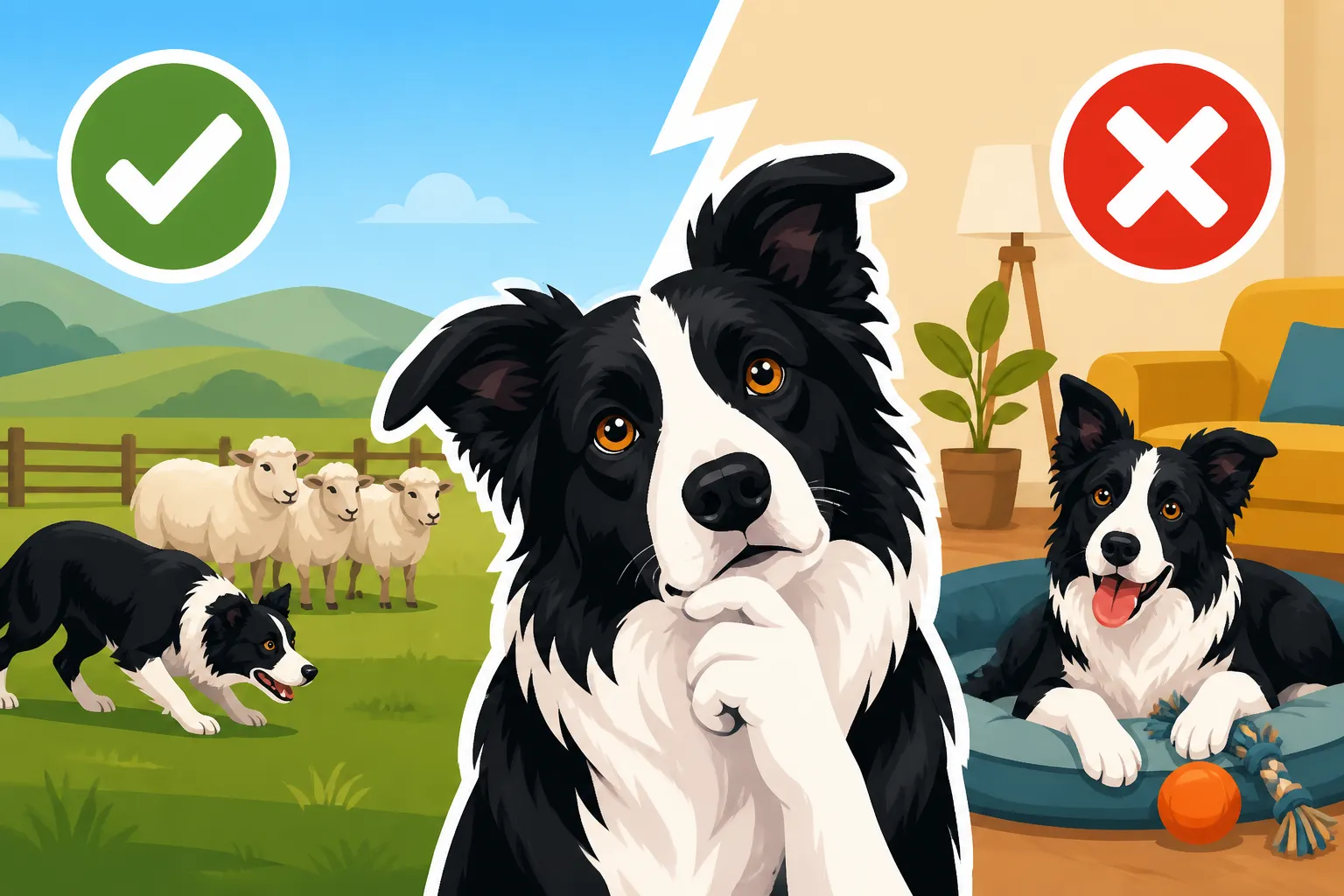
Whether a Pet Border Collie Should Learn to Herd
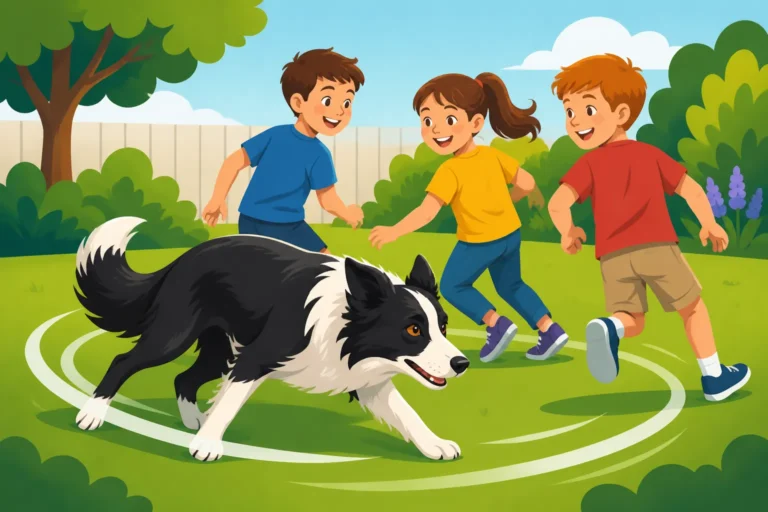
It’s a familiar scenario for many Border Collie owners: you bring home that intelligent, energetic puppy, and before you know it, it's meticulously gathering your slippers, circling the kids in the yard, or even trying to "herd" the vacuum cleaner. This innate drive is powerful, and it leaves many pet owners wondering if they should actively cultivate it with formal herding lessons or seek other outlets. This guide will help you navigate that complex decision, exploring the benefits, challenges, and practicalities of introducing your pet Border Collie to herding, as well as excellent alternatives.
Understanding Your Border Collie's Innate Drive
Border Collies aren't just intelligent; they're bred for a very specific job that's deeply ingrained in their DNA. This isn't just a quirk; it's fundamental to who they are, and understanding it is the first step in deciding how to manage it in a pet home.
The Deep Roots of the Herding Instinct
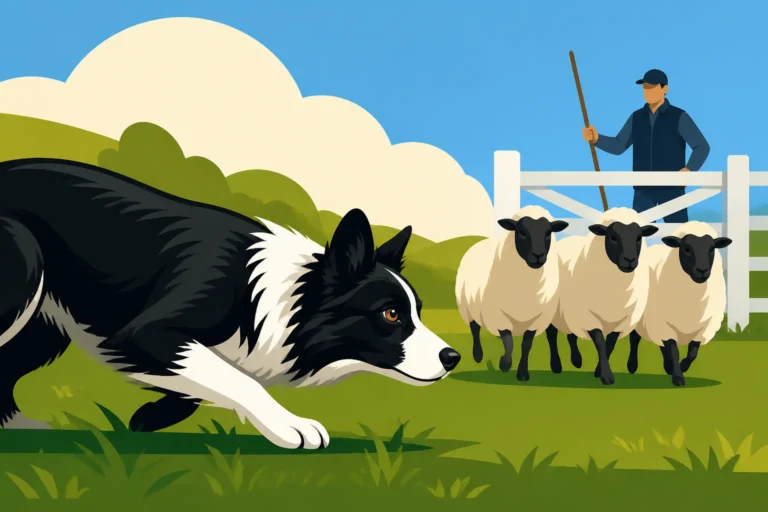
Imagine the windswept hills of the Anglo-Scottish border, where shepherds relied on their dogs to manage vast flocks of sheep across rugged terrain. These dogs, the ancestors of our modern Border Collies, needed an intense focus, an ability to read and control stock, and the stamina to work all day. This selective breeding over centuries forged an unparalleled herding instinct. Every movement, every "eye" — that intense stare they fix on something — is a echo of their working heritage. The Border Country That Produced the Border Collie delves deeper into this fascinating history.
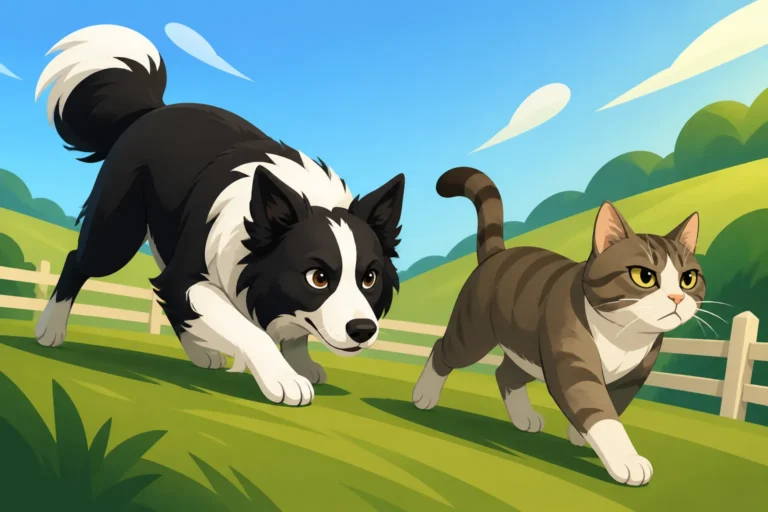
In a pet home, this powerful instinct doesn't just disappear. It manifests in various ways that can be both endearing and exasperating. Your Border Collie might meticulously collect all the toys into one pile, gently nudge family members together, or even try to manage the flow of traffic outside your window. Sometimes, it can be directed at less-than-ideal targets: chasing bicycles, trying to "flank" other dogs at the park, or nipping at the heels of running children. It's not malice; it's simply their brain telling them there's a job to be done, and they're hardwired to do it. Many owners find themselves asking, "Why does my Border Collie crouch and stare?" and the answer almost always comes back to this profound instinct.
Why Ignoring the Instinct Can Lead to Problems
When a Border Collie's profound instinct for work isn't recognized or channeled, it often finds its own, less desirable, outlets. It's like having a high-performance sports car and only ever driving it in traffic. The engine is still there, roaring to go, but it's frustrated and misdirected. This can lead to a host of behavioral issues that are often misunderstood as "bad behavior" rather than unfulfilled potential.
Common frustrations for pet owners include incessant barking at perceived "stock" (squirrels, cars, passersby), destructive chewing out of boredom and mental under-stimulation, or even obsessive behaviors like shadow chasing or tail spinning. Stopping a Border Collie Chasing Shadows and Light is a great resource if you're already seeing this. These dogs aren't being naughty; they're often experiencing profound mental and emotional frustration because their highly intelligent minds and bodies are not being put to use in a way that satisfies their genetic programming. Simply walking them around the block, even for a long time, often isn't enough. They need to think and problem-solve, and herding provides this in spades. Without it, anxiety, hypervigilance, and even aggression can emerge as they try to impose order on their environment in the only ways they know how.
The Benefits of Introducing Your Pet Border Collie to Herding
For many pet Border Collie owners, tapping into that herding drive can be a transformative experience, not just for the dog, but for the entire household. It's about giving them a job that truly resonates with their deepest nature.
Fulfilling Instincts Safely and Constructively
The primary benefit of introducing your pet Border Collie to herding is the profound satisfaction it offers them. Imagine finally allowing a bird dog to point, or a retriever to fetch. For a Border Collie, herding is that fundamental, instinctual expression. When they get to work stock in a controlled environment, you'll often see a visible change in their demeanor. They become calmer, more focused, and deeply content after a session. This isn't just physical exercise; it's an intense mental workout that taps into their problem-solving abilities, their spatial awareness, and their deep desire to control and move.
Controlled herding lessons provide a safe and constructive outlet for this powerful drive, preventing it from spilling over into unwanted behaviors at home. It channels their energy, builds immense confidence, and strengthens the bond between you and your dog as you learn to communicate in a shared, meaningful activity. It’s not just about moving sheep; it’s about reading your dog, understanding their intent, and guiding their innate talent. Many beginners start with an "instinct test," which is a supervised introduction to sheep to see if your dog has the natural aptitude and interest. This can be an incredibly eye-opening experience for owners. If you're looking for resources to build a strong foundation of obedience and communication before diving into specialized activities like herding, online training platforms like BAXTER & Bella offer comprehensive programs that can be invaluable.
Practical Considerations and the Right Approach
Deciding to explore herding with your pet Border Collie isn't something to jump into lightly, but it's also not as daunting as it might seem initially. The key is to approach it realistically and with the right expectations. First and foremost, seek out professional guidance. This isn't something you can teach yourself from YouTube videos, especially when livestock is involved. A good instructor will ensure the safety of both your dog and the sheep, and teach you how to read your dog and guide them effectively.
The type of "herding" you engage in can vary significantly. It might range from simple instinct tests and introductory lessons with a few docile sheep to more advanced training aimed at trial competition. For most pet owners, the goal is simply enrichment and instinct fulfillment, not necessarily becoming a champion handler.
Here’s a quick comparison of what formal herding offers versus other common Border Collie activities:
| Feature | Formal Herding Training | Agility/Obedience/Scent Work | Backyard Fetch/Walks |
|---|---|---|---|
| Instinct Fulfillment | Direct, primal fulfillment of genetic drive | Indirectly satisfies drive through structure/tasks | Minimal to none, primarily physical |
| Mental Engagement | Very High (problem-solving, reading stock/handler) | High (sequences, complex commands, discrimination) | Low (repetitive, predictable) |
| Physical Demands | Moderate to High (running, flanking, stopping) | High (jumping, weaving, quick turns) | Moderate (running, walking) |
| Handler-Dog Bond | Deepens through shared, instinctual work | Strengthens through teamwork and communication | Variable, depends on interaction quality |
| Time/Cost | Moderate to High (lessons, travel to farms) | Moderate to High (classes, equipment, travel) | Low (equipment minimal, readily available space) |
| Accessibility | Limited (requires access to sheep, instructors) | Widely available in most areas | Very High (can do almost anywhere) |
As you can see, herding offers a unique depth of fulfillment. Access to sheep and qualified instructors is perhaps the biggest hurdle for pet owners. Look for local herding clubs, farms offering lessons, or even "instinct test" clinics that periodically pop up in rural areas. Don't be afraid to travel a bit; a good instructor is worth their weight in gold. The First Time a Border Collie Meets Sheep can give you a clearer picture of what to expect during initial exposure.
Potential Drawbacks and Alternatives for Pet Owners
While the idea of tapping into your Border Collie's natural abilities is appealing, it's crucial to consider the full picture. Formal herding isn't for every dog or every owner, and there are many wonderful ways to engage your intelligent companion.
The Commitment Required for Formal Herding Training
Let's be realistic: formal herding training is a significant commitment. It requires not just time, but often travel to rural locations where livestock is available, and a considerable financial investment in lessons. Unlike a weekly agility class at the local dog training center, herding lessons might be less frequent and require driving a good distance. You'll need to be consistently available, willing to learn yourself, and prepared for the unpredictable nature of working with live animals.
Moreover, once you truly awaken that powerful herding instinct with actual sheep, managing it might become more challenging if you can't provide regular, consistent outlets. A taste of "the good life" can sometimes make a dog even more frustrated when they're confined to a suburban backyard. It’s a bit like giving someone a Ferrari and then asking them to stick to a 25 mph speed limit indefinitely. You also need to accept that not every Border Collie, even from strong working lines, will take to herding with the same passion or talent, or be capable of progressing to advanced levels. Some might enjoy it for a bit but ultimately prefer other activities. For instance, Whether a Pet Border Collie Should Learn to Herd is a common question, and sometimes the answer, after trying it, is "not really for us," and that's perfectly fine. The main goal is always to provide a happy, fulfilling life for your dog.
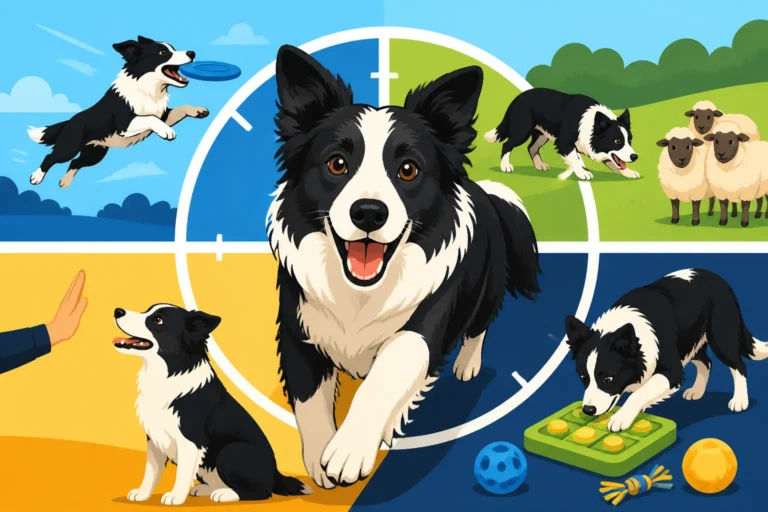
Engaging Alternatives to Keep Their Minds and Bodies Busy
If formal herding isn't feasible or doesn't feel right for you and your Border Collie, please don't despair! There are countless other ways to channel their incredible intelligence and energy. Remember, the core need is for mental stimulation and a "job," not necessarily herding sheep.
- Dog Sports: This is often the first alternative people consider, and for good reason. Sports like agility, flyball, disc dog, and dock diving are fantastic for Border Collies. They require immense focus, physical prowess, and teamwork, hitting many of the same buttons as herding. Choosing a Sport for a Border Collie can help you explore options.
- Scent Work/Nose Work: These activities are phenomenal for engaging a Border Collie's brain. They use their natural scenting abilities to solve puzzles and find hidden odors, providing deep mental satisfaction without high physical impact. It's often called "the thinking dog's sport."
- Advanced Obedience and Trick Training: Border Collies excel at learning. Pushing beyond basic commands into complex sequences, competitive obedience, or teaching a vast array of tricks can be incredibly rewarding. Think about dogs like Chaser, the Border Collie who knew over 1,000 words! You can find endless resources for trick training on platforms like Amazon or through online courses.
- Puzzle Feeders and Interactive Toys: Don't underestimate the power of these tools for daily mental enrichment. Invest in high-quality puzzle feeders that require problem-solving to release food, or interactive toys that challenge their intellect. Rotate these regularly to keep them fresh and engaging.
- Canine Freestyle/Musical Dog Sports: This combines obedience with creative movements, set to music. It's a wonderful way to express your dog's athletic grace and intelligence.
- Canicross or Bikejoring: For the physically active owner, these sports involve your dog pulling you while you run or bike. It provides an excellent physical outlet and fulfills their desire to work as a team. Whether a Border Collie Can Run Beside a Bike is a good read if you're considering this.
The key is variety, consistency, and making sure the activities you choose truly challenge your Border Collie's formidable intellect.
Making the Decision: Is Herding Right for Your Border Collie?
Ultimately, the decision to pursue herding with your pet Border Collie is a personal one, influenced by both your dog's innate qualities and your lifestyle. There's no single right answer, only what's best for your unique situation.
Assessing Your Dog and Your Lifestyle
Before committing to herding lessons, take an honest look at your dog and your own life.
Consider your dog's temperament:
- How strong is their prey drive/herding instinct? Do they constantly fixate on moving objects, circle people, or try to gather things?
- Are they generally confident or timid? Working livestock requires a degree of confidence and resilience.
- How do they react to new environments and challenges? Herding can be intense and require adaptability.
- What is their current physical condition? Herding is demanding, and your dog needs to be sound and healthy.
Consider your lifestyle:
- Do you have the time? Herding lessons are usually a weekly or bi-weekly commitment, plus practice.
- Are you willing to travel? Access to sheep and instructors often means driving to more rural areas.
- What's your budget? Lessons, travel, and potentially entry fees for trials can add up. Herding Lessons and Clinic Prices for a Border Collie can give you an idea of the financial commitment.
- Are you prepared for the commitment if the instinct is truly awakened? Can you provide ongoing outlets if your dog thrives on it?
- Do you have the patience and desire to learn alongside your dog? Herding is as much about handler skill as it is about the dog.
It’s crucial to be realistic. If you're struggling to even manage basic obedience or recall, or if you only have an hour a day for your dog, formal herding might not be the best fit right now. Focus on foundational training first. Many online platforms, including BAXTER & Bella, provide excellent resources for building a strong training base that will serve you well in any activity you choose.
Finding Qualified Instructors and Resources
If you decide that exploring herding is the right path, finding a qualified and ethical instructor is paramount. Not all herding instructors are created equal, and a bad experience can be detrimental to your dog's confidence and enjoyment.
Look for instructors who:
- Emphasize safety for both the dog and the sheep.
- Use positive reinforcement and humane methods. Avoid anyone who suggests harsh corrections or force.
- Understand different Border Collie personalities and tailor their approach.
- Have experience with pet owners (not just seasoned trial handlers).
- Are recommended by local Border Collie clubs or other reputable dog sports enthusiasts.
Start by searching for local herding clubs or individual instructors online. Websites like the American Border Collie Association (ABCA) or the United States Border Collie Handlers' Association (USBCHA) often have directories or can point you to regional resources. Attend a local sheepdog trial to observe different handlers and dogs, and talk to people there. Where to Send a Border Collie Cheek Swab might be relevant if you're looking into genetic predispositions that could impact performance or health in active dogs, although it's not directly related to finding a trainer.
Don't be afraid to audit a lesson or two without your dog to see an instructor's style. Ask questions about their philosophy, their training methods, and what a typical beginner's session looks like. The goal is to make sure it's a positive, enriching experience for both you and your remarkable Border Collie.
Disclaimer
This article is for general informational purposes only and does not constitute professional advice. Laws, prices and regulations vary by location and change over time. Consult a qualified professional for guidance on your specific situation.