Whether Working Lines Produce a Bigger Border Collie
It's a common thought among prospective Border Collie owners: do those hard-working farm dogs, the ones you see tirelessly herding sheep, grow up bigger than their show-ring cousins? Many people imagine a stockier, more robust build for a dog bred purely for function. This guide is here to unravel the truth behind these assumptions, delving into the nuances of Border Collie lines and what truly dictates a dog's size.
Understanding Border Collie Lines: Working vs. Show
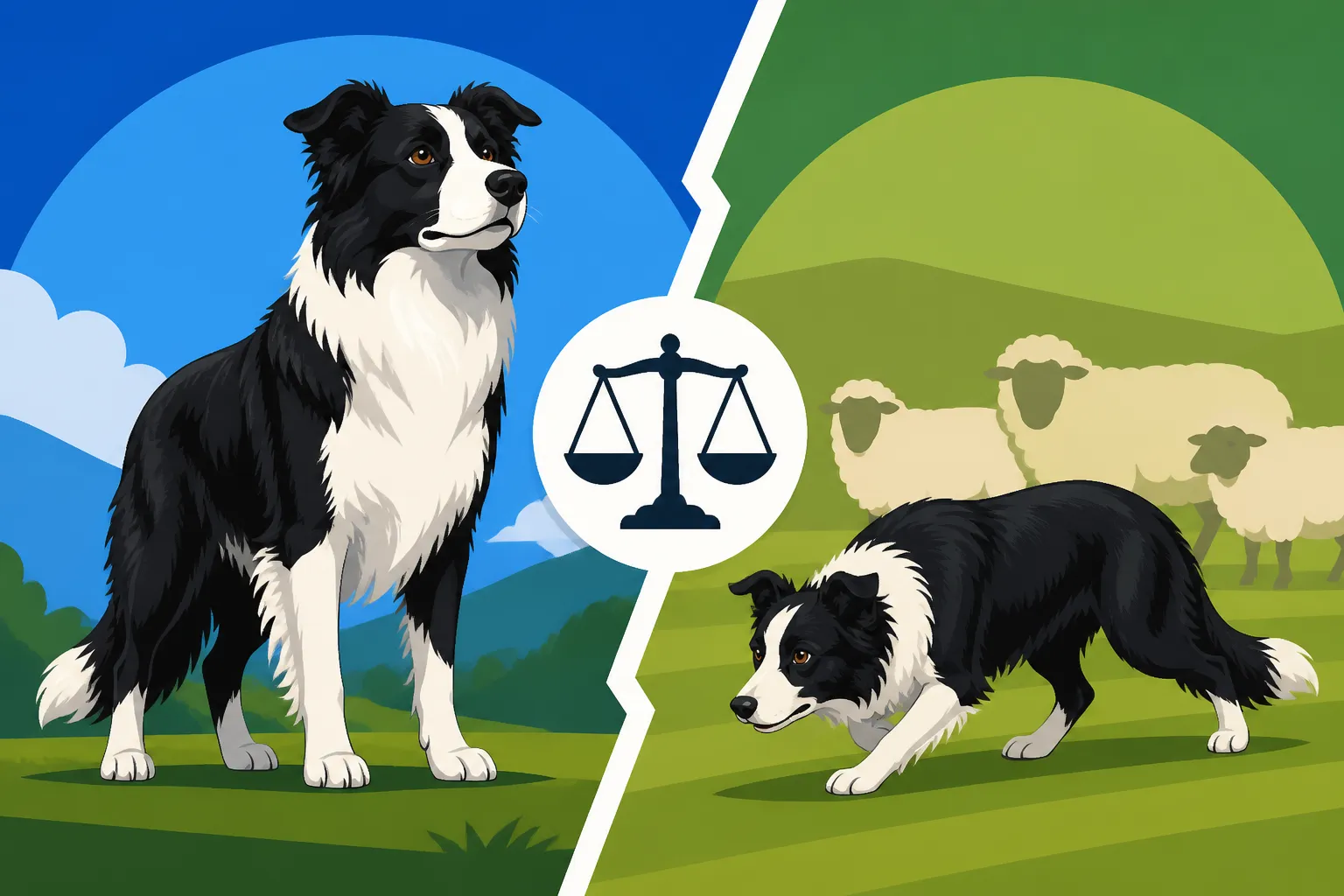
When we talk about Border Collies, it's crucial to understand that there isn't just one type of Border Collie, especially regarding purpose. Over the decades, distinct lines have developed, primarily separating into "working lines" and "show lines." This split has led to some differences in appearance, temperament, and, sometimes, perceived size.
The Core Purpose of Working Lines
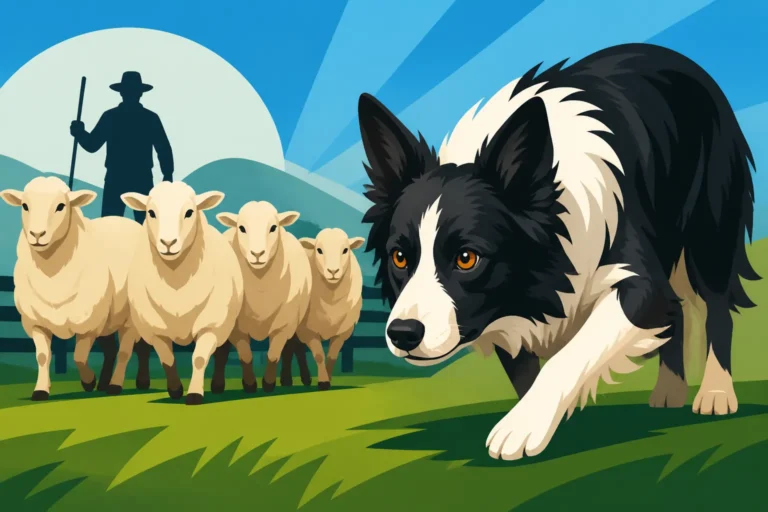
Working line Border Collies are bred first and foremost for their ability to work livestock. Their breeders prioritize instinct, intelligence, stamina, and biddability. These are the dogs whose lineage is filled with champion sheepdogs, dogs that can navigate vast pastures, read sheep, and respond to complex commands from hundreds of yards away. Their physical traits are secondary to their working prowess, meaning that while a breeder might aim for a sound, athletic dog, they won't sacrifice working ability for a specific look.
Think of a working Border Collie on a remote farm: it needs to be agile, quick, and possess incredible endurance. A slightly longer leg, a more compact body, or a different coat type doesn't matter as long as the dog can do its job effectively and tirelessly. They're bred to be tough, resilient, and capable of long days in all kinds of weather. Breeders of these lines are often less concerned with the rigid appearance standards that govern conformation shows. Instead, they focus on proven working genetics, looking for dogs that have excelled in trials or on the farm, like those described in What Happens at a Sheepdog Trial With a Border Collie.
The Goals of Show Lines
Show line Border Collies, on the other hand, are bred to conform to a specific written breed standard. This standard dictates everything from ear set and tail carriage to coat type, color, and, of course, size and overall body structure. The primary goal for these breeders is to produce dogs that excel in the conformation ring, where judges assess how closely a dog matches the ideal appearance outlined in the standard.
While show line dogs still possess the inherent intelligence and athleticism of the breed, their working instinct might be less pronounced or channeled differently. Their physical appearance, including their proportions, angulation, and movement, is paramount. This doesn't mean they aren't capable or healthy dogs; it simply means the selection criteria prioritize aesthetics as defined by the breed club. A dog from these lines might have a slightly fuller coat, or perhaps a more "balanced" look that judges favor, which could sometimes give the impression of being heavier or more substantial, even if their actual height and weight are within the standard's range. It's a different kind of focus entirely, as highlighted in discussions around The Working and Show Split in Border Collies.
Size and Conformation: What the Standards Say
When examining whether working lines produce a bigger Border Collie, it's essential to consult the official breed standards and understand the practical realities of a working dog's build.
Official Breed Standards and Ideal Size
The official breed standards, such as those set by the American Kennel Club (AKC) or the International Sheep Dog Society (ISDS), provide guidelines for the ideal Border Collie. For instance, the AKC standard typically describes an ideal height range for both males and females. Generally, males are cited as being between 19-22 inches (48-56 cm) at the shoulder, and females 18-21 inches (46-53 cm). Weight is usually proportionate to height and build, rather than a strict number. These guidelines aim for an athletic, medium-sized dog. You can learn more about these specifics in The Height and Weight a Border Collie Standard Sets.
It's important to recognize that these are ideals. Within any breed, there will always be individual variation. A working line breeder might have a fantastic working dog that's an inch or two outside the AKC height range, but if that dog excels at its job and is structurally sound, those inches aren't a concern. For a show breeder, those inches could be the difference between winning best in show or placing lower. Therefore, show breeders might be more inclined to select for dogs that fit squarely within the standard's stated dimensions, whereas a working breeder might prioritize other traits, even if it results in a dog slightly outside the "ideal" size. The standard's emphasis on an agile, graceful, and powerful dog is crucial, regardless of whether it's for the ring or the field, as detailed in The Athletic Build a Border Collie Standard Describes.
Practicalities in Working Dog Build
From a practical standpoint, extreme size, whether too big or too small, can be a disadvantage for a working Border Collie. An overly large dog might lack the agility and quick turns needed to manage stubborn stock or navigate difficult terrain. Imagine a dog that's too heavy trying to dart around a flock of sheep, or one that has to jump over obstacles all day. Conversely, a dog that is too small might struggle with the sheer stamina and presence needed to move larger, more powerful sheep or cattle.
Working dogs need a build that allows for endurance, speed, and durability. This usually means a balanced, medium-sized frame, strong bones, and well-muscled hindquarters for propulsion. They are often lean, not heavy, and every ounce of their muscle is there for a purpose. This functional build is what gives them their incredible capability. While a working dog might appear lighter due to its lean muscle and perhaps less dense coat, this doesn't necessarily mean it's physically smaller in height or length. It just means it's built for efficiency, not for a plush, voluminous aesthetic. The difference isn't so much in absolute size, but in the distribution of weight and muscle, and the absence of superfluous coat that might be prized in some show lines.
Factors Influencing a Border Collie's Size
Beyond the general distinction between working and show lines, several other factors play a significant role in determining a Border Collie's ultimate size and build.
Genetics Beyond Lineage
While "working line" or "show line" gives us a general idea, genetics are far more complex. Within both categories, there's a huge spectrum of individual genetic makeups. A dog's parents, grandparents, and even further back in its pedigree all contribute to its genetic potential for size. This includes genes for bone structure, muscle development, and overall growth rate. Just like in humans, two parents within a "normal" size range can produce offspring that are at the larger or smaller end of the spectrum. This is where researching a specific breeder and their individual dogs becomes vital.
A breeder will ideally have a good understanding of the average size of the dogs they produce. Looking at the parents of a puppy you're considering is a far better indicator of its potential adult size than simply knowing if it comes from "working" or "show" lines. Some working lines might consistently produce slightly larger, more substantial dogs, while others might favor a more compact build, depending on the specific traits their particular stock requires. The same applies to show lines; some may lean towards a slightly heavier bone, while others might prefer a finer build that still meets the standard. It all comes down to the individual genetic blueprint of that particular dog.
Nutrition and Growth
Beyond genetics, proper nutrition during puppyhood and adolescence is paramount for healthy growth and reaching a dog's full genetic potential for size. Puppies from both working and show lines need a high-quality diet specifically formulated for large breed puppies, though Border Collies are generally considered medium-sized. This helps ensure steady, controlled growth, which is critical for joint health, especially in a breed prone to orthopedic issues like hip and elbow dysplasia. Overfeeding a puppy, or feeding a diet too high in certain nutrients, can lead to excessively rapid growth, putting undue stress on developing bones and joints.
Conversely, underfeeding a growing puppy can stunt its growth and prevent it from reaching its genetically predetermined size. It’s a delicate balance. Reputable brands found at stores like Chewy often offer specific puppy formulations that cater to the needs of growing active breeds. Owners often wonder about Feeding a Border Collie Puppy Through Fifteen Months to ensure they're doing it right. Providing consistent, balanced nutrition throughout their developmental stages is key to ensuring their body develops optimally, allowing them to carry the weight and muscle that their genetics intend.
Sex and Individual Variation
It's a general rule across many dog breeds that males tend to be larger and heavier than females, and Border Collies are no exception. A male Border Collie will typically be an inch or two taller and can weigh anywhere from 5 to 15 pounds more than a female from the same lineage. This natural physiological difference means that if you're comparing a large female working line dog to an average male show line dog, the male might still be larger, blurring the lines of the "working vs. show" size debate. Understanding What a Male Border Collie Weighs Against a Female is important in this context.
Furthermore, within the same litter, there can be significant individual variation. You might have a "runt" that is always smaller, and a "giant" that is consistently larger, despite both being from the same parents and receiving the same care. These individual differences are just part of nature. It's not uncommon for working dogs to appear leaner or more "rangy" due to their constant high-energy demands. Their body condition is often a true reflection of their activity level and efficient metabolism. Therefore, a working dog might look less substantial than a more heavily coated, well-conditioned show dog, even if their skeletal size is identical. For those passionate about performance, maintaining The Body Condition a Sport Border Collie Carries is often a priority to ensure peak physical form and health.
To help visualize some of the general differences, here's a table comparing common perceptions and realities:
| Feature | Working Line Border Collie (General Tendencies) | Show Line Border Collie (General Tendencies) |
|---|---|---|
| Primary Breeding Goal | Working ability, instinct, biddability, stamina | Conformation to breed standard, aesthetics, soundness |
| Typical Build | Athletic, lean muscle, often lighter bone, built for endurance and agility | More emphasis on "balanced" proportions, sometimes heavier bone, slightly fuller |
| Coat Type | Varies widely (smooth to rough), often less focus on density/length | Often favors a more luxuriant, dense rough coat to meet standard |
| Perceived Size | Can appear slightly smaller or "rangier" due to leanness and functional build | Might appear slightly more substantial or "fuller" due to coat and specific proportions |
| Actual Height/Weight | Falls within standard ranges; variation based on individual genetics & working demands | Tends to fall strictly within standard ranges due to selection pressure |
| Focus on Soundness | Essential for durability and long working life | Essential for movement and overall health within the show ring |
So, do working lines produce a bigger Border Collie? Generally, no. In fact, they might sometimes appear leaner due to their intense exercise regimen and focus on functional athleticism. While some individuals within working lines may be larger, this is more due to individual genetic variation rather than a consistent trend across all working lines. Both working and show lines aim for a medium-sized, athletic dog, though their priorities for achieving that ideal differ. The "size" is often more about body condition, coat, and proportion than actual height and weight. For Border Collies of all backgrounds, whether they're fetching cattle or ribbons, proper care and nutrition are key. This means ensuring they get the right amount of calories, especially for those highly active individuals, something you can explore further in Feeding a Border Collie That Works Two Hours a Day.
Ultimately, regardless of line, a Border Collie's size will be influenced by its genetic heritage, the care it receives as it grows, and its sex. Focus on finding a healthy, well-bred puppy from a reputable breeder who prioritizes temperament and health, and whose dogs have a structure suitable for the activities you plan to enjoy together.
Disclaimer
This article is for general informational purposes only and does not constitute professional advice. Laws, prices and regulations vary by location and change over time. Consult a qualified professional for guidance on your specific situation.