Stiffness in a Border Collie After a Long Day
It's incredibly disheartening, and often downright alarming, to see your typically boundless Border Collie move with stiffness after a long day of work, training, or play. These dogs are practically synonymous with endless energy and agile movement, so when they start to favor a leg, struggle to stand up, or seem generally sore, it triggers a deep worry. This guide aims to help you understand why your Border Collie might be stiff, how to differentiate between normal fatigue and potential injury, and what steps you can take to keep their incredible working bodies feeling good.
Decoding Post-Exertion Stiffness in Border Collies
When your Border Collie has put in a full day, whether it's chasing frisbees, navigating an agility course, or putting sheep where they need to go, some degree of muscle fatigue and stiffness is normal. Just like us after a strenuous workout, their bodies need time to recover. However, understanding the nuances between simple soreness and something more concerning is key to their long-term health.
The Difference Between Muscle Soreness and Joint Pain
Muscle soreness, often referred to as delayed onset muscle soreness (DOMS), typically appears 12-24 hours after intense activity and can last for a day or two. It's caused by microscopic tears in muscle fibers and the subsequent inflammatory response, which is a natural part of the strengthening process. Your Border Collie might seem a bit stiff, move a little slower, or hesitate slightly with certain movements, but generally, they will still be eager to engage, albeit at a reduced capacity. The stiffness usually improves with gentle movement and rest.
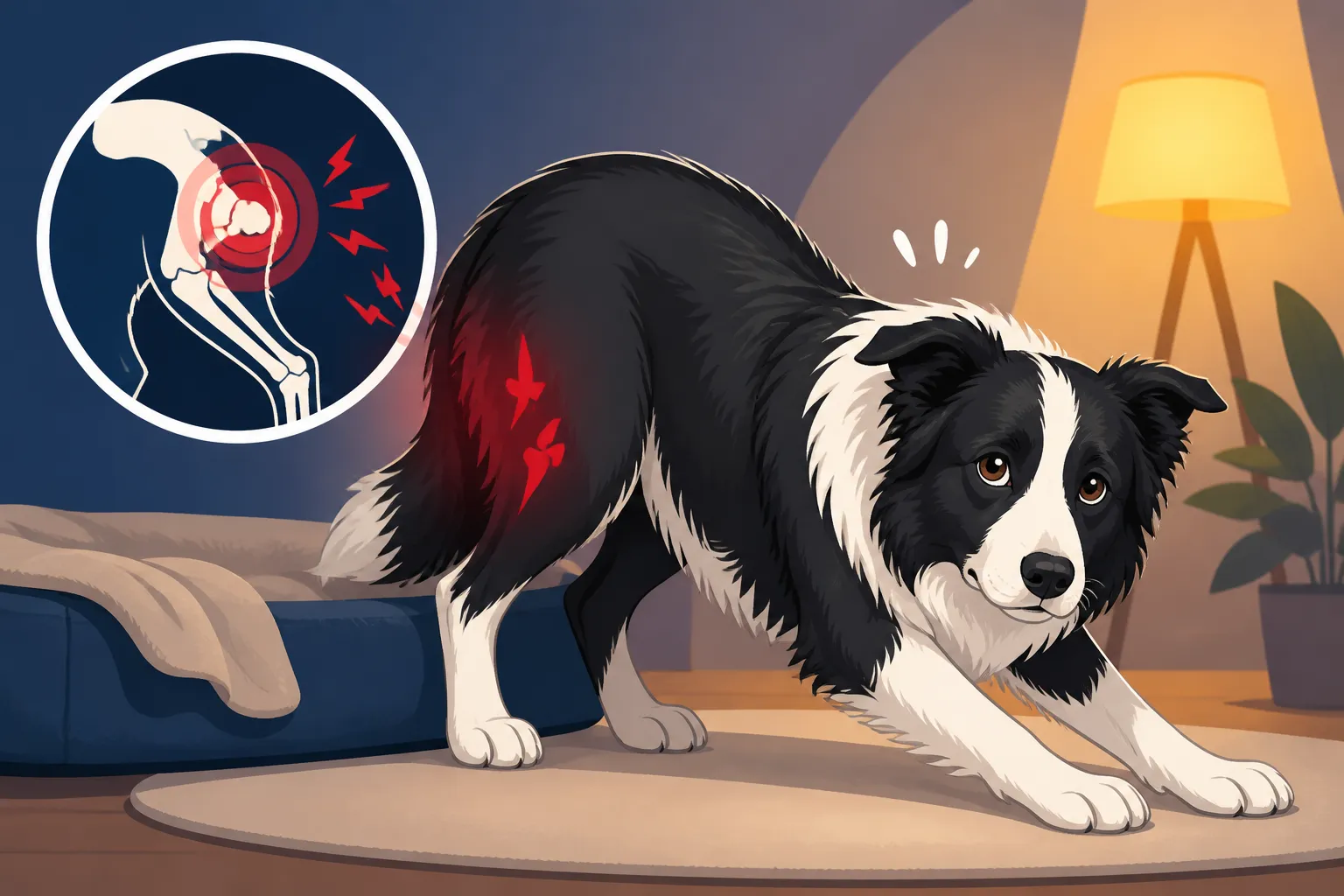
Joint pain, on the other hand, often feels different. It tends to be more localized, sharper, or more persistent. If your Border Collie is consistently limping, avoiding putting weight on a limb, or showing pain when a specific joint is palpated or moved, that's a strong indicator that the issue might be joint-related rather than just muscle fatigue. They might struggle more with specific actions like getting up from a lying position, climbing stairs, or jumping into the car. This distinction is crucial because muscle soreness usually resolves with rest, but joint pain might indicate an underlying issue that requires veterinary attention. Hip Dysplasia in a Border Collie That Runs All Day or Elbow Dysplasia and the Border Collie Forelimb are common concerns that can manifest as joint pain.
Common Causes of Temporary Stiffness
Beyond the normal lactic acid buildup that comes from intense activity, several factors can contribute to temporary stiffness in a Border Collie. One common culprit is simply overexertion – pushing too hard, too fast, or for too long without adequate conditioning. A Border Collie's drive often means they'll work themselves past their physical limits if you let them. This can lead to muscle strains, mild sprains, or just general body aches. Think of it like us trying to run a marathon without training; everything hurts the next day.
Dehydration can also play a role, as muscles need proper hydration to function optimally and clear waste products. Even mild dehydration can lead to cramps and stiffness. Exposure to cold or damp weather after intense exercise can also make muscles feel tighter and more uncomfortable. Many handlers notice their dogs are more prone to stiffness after a cold, wet trial day compared to a warm, dry one. Ensuring your Border Collie has plenty of water and a warm, dry place to rest after work can make a big difference.
When Stiffness Signals Something More Serious
While some post-activity stiffness is par for the course with such a driven breed, it’s vital to be vigilant for signs that point to something more than just tired muscles. Ignoring these signals can lead to chronic issues or worsen an existing injury.
Identifying Red Flag Symptoms of Injury
When stiffness isn't just a general achiness that fades with a good night's sleep, it’s time to pay closer attention. Red flag symptoms that suggest an actual injury rather than just temporary fatigue include a persistent limp that doesn't improve after a day or two of rest, sudden refusal to put weight on a particular leg, or vocalizations of pain when moving or being touched. Swelling, heat, or tenderness around a joint or muscle area are also immediate causes for concern.
A significant change in gait, such as a noticeable head bob, bunny hopping, or an unwillingness to jump or climb, should not be ignored. If your Border Collie, usually so eager to work, suddenly shows a reluctance to engage in their favorite activities, or if their personality seems dulled by discomfort, these are strong indicators that something is amiss. This kind of acute pain or persistent lameness warrants a prompt visit to your veterinarian to rule out anything from a muscle tear to a Cruciate Tears in a Border Collie.
Chronic Conditions and Their Role in Post-Activity Stiffness
Sometimes, the stiffness isn't just an acute injury but a symptom of an underlying chronic condition that's being exacerbated by exertion. Older Border Collies, for example, are highly susceptible to Osteoarthritis in a Border Collie by Eight. This degenerative joint disease can make movement painful, and a long day of activity will naturally worsen their discomfort. You might notice them being slower to rise, exhibiting a "creaky" gait, or having trouble on slippery floors.
Other chronic issues include conditions like hip or elbow dysplasia, even if they've been managed for years. An intense day can inflame existing joint issues, leading to pronounced stiffness. Neurological conditions or spinal issues can also present as stiffness or an altered gait, especially after exercise. If you notice a pattern of stiffness that seems to worsen over time, or if it's accompanied by other subtle changes like muscle wasting or weakness, it's crucial to discuss these observations with your vet. Early diagnosis and management of chronic conditions can significantly improve your Border Collie's quality of life and working longevity.
| Symptom | Normal Post-Exertion Soreness | Potential Injury/Chronic Condition |
|---|---|---|
| Onset | 12-24 hours after activity | Immediately or within hours |
| Duration | 1-2 days, improves with rest | Persistent, may worsen |
| Location | General muscle groups | Specific joint or muscle area |
| Limping | Mild, intermittent | Pronounced, consistent, or non-weight bearing |
| Swelling/Heat | Generally absent | Present around joint/muscle |
| Vocalization | Rare | Present with movement/touch |
| Activity Level | Reduced but still eager | Reluctant or unwilling to move/engage |
| Gait Changes | Subtle, slightly slower | Noticeable limp, head bob, bunny hop |
Holistic Approaches to Support Joint and Muscle Recovery
Supporting your Border Collie's body, especially after a demanding day, involves more than just rest. A holistic approach that integrates proper nutrition, thoughtful warm-ups and cool-downs, and adequate recovery time is essential for their long-term well-being and performance.
Nutritional Strategies for Active Dogs
What you feed your Border Collie plays an enormous role in their ability to recover and maintain strong joints and muscles. For active dogs, a diet rich in high-quality protein is paramount to repair and rebuild muscle tissue. Look for foods where meat is the primary ingredient. Beyond protein, specific supplements can be incredibly beneficial. Glucosamine and chondroitin sulfates are widely recognized for their role in cartilage health, helping to maintain joint lubrication and reduce inflammation. Omega-3 fatty acids, especially EPA and DHA, found in fish oil, are powerful natural anti-inflammatories that can significantly reduce joint pain and stiffness. You can find many reputable joint supplements on platforms like Chewy or Amazon.
Some owners also explore fresh food diets, like those offered by services such as Ollie, believing that less processed foods provide better nutrient absorption and overall health benefits, which can indirectly support recovery and reduce inflammation. Antioxidants, like vitamins C and E, also help combat oxidative stress that intense exercise can induce. Always discuss any significant dietary changes or supplement additions with your veterinarian to ensure they are appropriate for your individual dog's needs and don't interfere with any medications. Joint Supplements for a Border Collie Doing Agility discusses these options in more detail.
Importance of Warm-ups, Cool-downs, and Rest
Just like human athletes, Border Collies need proper preparation before and after strenuous activity. A gradual warm-up, consisting of 5-10 minutes of light trotting, walking, and dynamic stretches (like leg raises or gentle body twists), increases blood flow to muscles and prepares joints for impact. This reduces the risk of strains and sprains. Skipping a warm-up is a common oversight that can lead directly to injury or excessive soreness.
Equally important is the cool-down. After a high-intensity session, don't immediately crate your dog. Instead, allow for 10-15 minutes of slow walking and gentle stretching. This helps to gradually bring their heart rate down, dissipate lactic acid from muscles, and prevent blood from pooling in the extremities. Following the cool-down, adequate rest is non-negotiable. This means not just a few hours, but sometimes a full day or two of lower-impact activity, allowing the body to fully repair and regenerate. Pushing a stiff dog back into intense work too soon is a recipe for disaster and can lead to chronic problems. Consider scheduled rest days as part of their training regimen.
Managing Long-Term Joint Health in Your Border Collie
Given their high-energy lifestyle, proactively managing your Border Collie's joint health is a continuous commitment, not just a reaction to stiffness. A strategic, long-term approach can significantly extend their working life and keep them comfortable well into their senior years.
Preventative Care and Regular Veterinary Check-ups
Regular veterinary check-ups are foundational to long-term joint health. Your vet can perform thorough physical exams, assessing gait, joint range of motion, and muscle condition. For a working or sport Border Collie, these exams might be more frequent than for a sedentary pet. Early detection of subtle lameness or changes in gait can allow for intervention before a minor issue becomes a major problem. It’s also an opportunity to discuss any stiffness you've noticed, even if it seems minor.
Many proactive owners also consider baseline X-rays for hips and elbows as their Border Collie matures, even if no signs of lameness are present. This provides valuable information about joint structure and can help guide activity levels and preventative strategies down the line. Maintaining a healthy weight is another crucial aspect of preventative care. Excess weight puts undue stress on joints, exacerbating conditions like arthritis. Even a few extra pounds can make a significant difference in a dog's comfort and mobility. The Annual Exam a Border Collie Needs is an excellent discussion point with your vet.
Therapeutic Interventions and Physical Rehabilitation
When stiffness points to a more persistent issue, or as a preventative measure for highly active dogs, therapeutic interventions and physical rehabilitation can be game-changers. Options like canine massage, acupuncture, and chiropractic adjustments can help alleviate muscle tension, improve circulation, and restore proper joint alignment. These modalities, when performed by certified professionals, can dramatically improve comfort and mobility.
Physical rehabilitation, often under the guidance of a certified canine rehabilitation therapist, offers a structured program of exercises designed to strengthen supporting muscles, improve balance, increase flexibility, and reduce pain. This might include hydrotherapy, therapeutic exercises with equipment, or specific stretches. For a Border Collie recovering from a Sport Injuries a Border Collie Picks Up or managing a chronic condition, a rehab program can make all the difference in their recovery and return to activity. Don't be afraid to ask your vet for a referral to a local rehab specialist; they are invaluable resources for keeping your agile companion moving well.
Tools and Techniques for At-Home Comfort
Beyond veterinary care and professional therapies, there are many things you can do right in your own home to provide comfort and support for your Border Collie's tired and stiff body. These everyday practices can make a world of difference in their recovery and overall well-being.
Supportive Gear and Environmental Adjustments
Ensuring your Border Collie has a comfortable place to rest is fundamental. Orthopedic beds, especially those made with memory foam, can provide superior support for tired joints and muscles, reducing pressure points. These are particularly beneficial for older dogs or those prone to stiffness. You can find excellent options for orthopedic beds on platforms like Chewy or Amazon that cater to larger, active breeds.
Consider environmental adjustments, too. If your home has slippery floors, consider placing rugs or runners in high-traffic areas to provide better traction, reducing the strain on joints when your dog stands up or moves quickly. Ramps or pet stairs can also be incredibly helpful for accessing elevated surfaces like beds or cars, preventing painful jumps that can exacerbate stiffness or injury. For cold weather, a warm dog coat can help keep muscles from tightening up after exertion, especially when waiting between runs at a trial. These small changes can significantly contribute to your dog's daily comfort.
Gentle Massage and Stretching Protocols
Learning some basic canine massage and stretching techniques can be a wonderful way to provide immediate relief and strengthen your bond with your Border Collie. After a cool-down walk, a gentle full-body massage can improve circulation, reduce muscle soreness, and identify any tender spots that might need closer attention. Start with long, sweeping strokes, then use your fingertips to gently knead larger muscle groups like the shoulders, back, and thighs. Pay attention to their reactions; if they flinch or show discomfort, ease off.
Gentle stretches, again, after muscles are warmed up, can improve flexibility and range of motion. For example, you can slowly extend each leg forward and backward, holding for 10-15 seconds, being careful not to overextend. You can also gently stretch their neck and back by luring their nose to their hip or shoulder. Always be mindful not to force any movement or push beyond their comfortable range of motion. There are many excellent online resources and books that demonstrate safe and effective canine massage and stretching techniques. Regular, gentle sessions can be a powerful preventative measure against stiffness and a great way to unwind after a busy day.
Disclaimer
This article is for general informational purposes only and does not constitute professional advice. Laws, prices and regulations vary by location and change over time. Consult a qualified professional for guidance on your specific situation.