The Tuck a Fit Border Collie Should Show
One of the most common pitfalls for Border Collie owners, whether they're seasoned handlers or brand new to the breed, is misunderstanding what "fit" truly looks like for these athletic, hard-working dogs. Many of us, myself included at times, can inadvertently let our dogs carry a little too much weight, thinking they're just "solid" or "big-boned." But for a Border Collie, that extra padding isn't just cosmetic; it significantly impacts their ability to move, work, and stay healthy throughout their lifespan. This guide is dedicated to helping you understand and achieve the optimal body condition, particularly focusing on that crucial "tuck" that signifies a truly fit Border Collie.
Understanding the "Tuck" in a Fit Border Collie's Physique
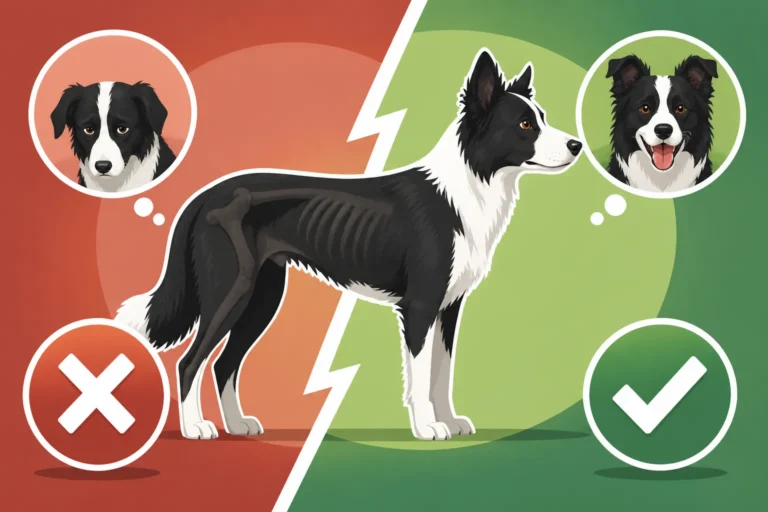
When we talk about the "tuck" in a Border Collie, we're referring to the noticeable upward slope of their abdomen as it transitions from the bottom of the rib cage towards the hind legs. It's not about an empty stomach or a gaunt appearance; rather, it’s about a lean, athletic build where the belly isn't hanging low or appearing distended. Imagine looking at your dog from the side: you should see a clear curve going up from just behind their ribs. This abdominal tuck is a key indicator that your Border Collie isn't carrying excess fat around their midsection, which is vital for a breed designed for intense, agile movement.
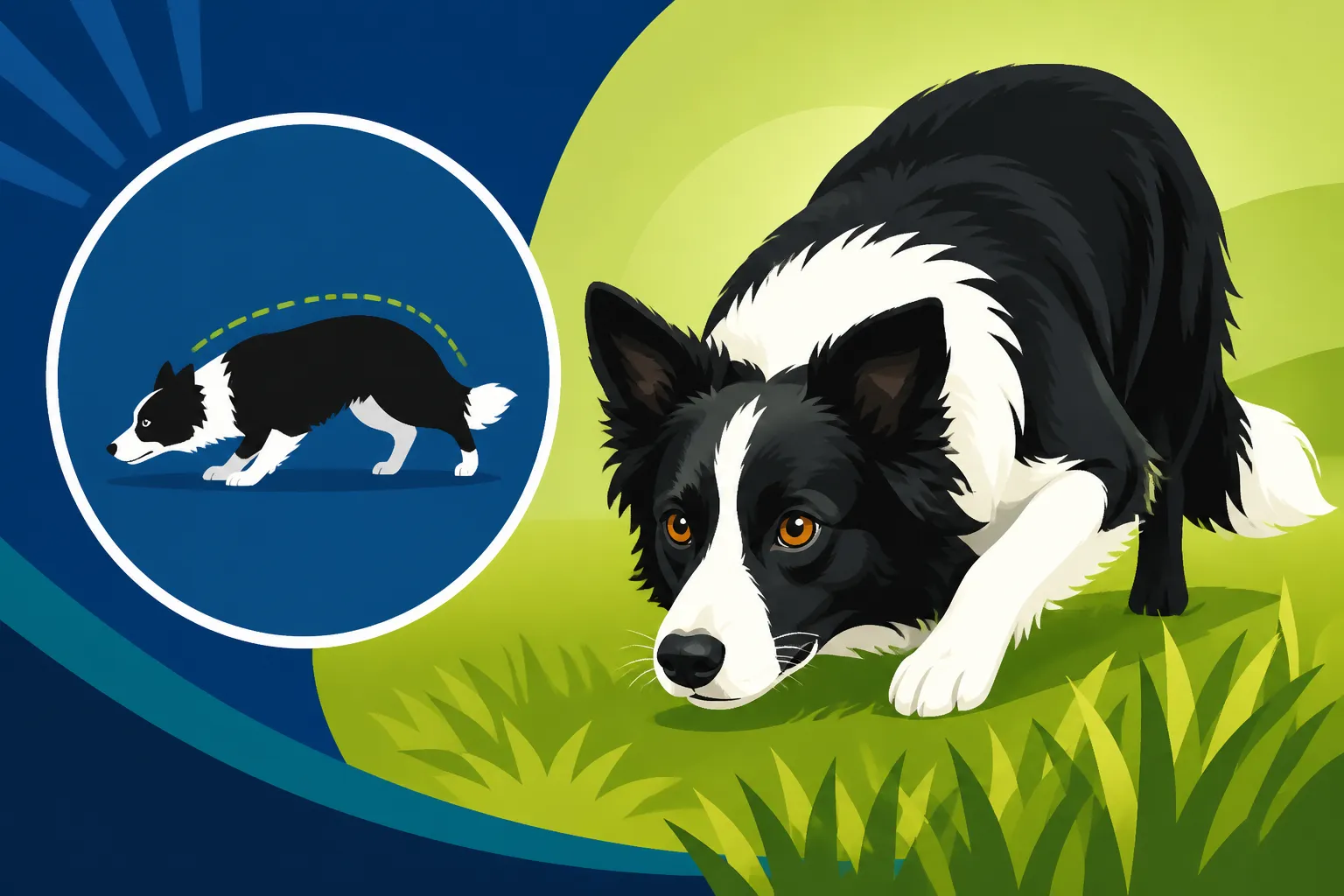
This characteristic physique isn't just about aesthetics; it's deeply rooted in the Border Collie's history and function. These dogs were bred for endurance and speed across varied terrain, often needing to change direction on a dime, crouch low, and spring into action. A heavy midsection would hinder these natural movements, making them slower, less agile, and prone to injury. Think of it like a finely tuned athlete; every ounce of their body is there for a purpose. A fit Border Collie's tuck tells you they are ready for the demands of their work, whether that's gathering sheep, excelling in agility, or simply keeping up with an active family on long hikes. It reflects a body that's efficient and unburdened, allowing them to perform at their best and reduce strain on their joints.
Why the Ideal Tuck is Crucial for Your Border Collie's Health and Performance
The ideal body condition, marked by that healthy abdominal tuck, is more than just a preference; it’s a cornerstone of your Border Collie's long-term well-being and their ability to live up to their genetic potential. When a Border Collie is at its optimal weight and conditioning, every system in its body benefits, from its skeletal structure to its cardiovascular health. Overweight dogs, even by a few pounds, experience a cascade of negative effects that can significantly shorten their lifespan and diminish their quality of life.
Protecting Joints and Preventing Injuries
One of the most critical reasons to maintain a lean physique with a noticeable tuck is to safeguard your Border Collie's joints. These dogs are incredibly active, engaging in high-impact activities like running, jumping, and rapid changes in direction. Every extra pound your dog carries adds significant stress to their hips, elbows, and other joints, accelerating wear and tear. This increased strain can lead to or worsen conditions like Hip Dysplasia in a Border Collie That Runs All Day or Elbow Dysplasia and the Border Collie Forelimb, potentially causing pain, lameness, and premature osteoarthritis. A healthy tuck means less burden on these crucial structures, allowing them to distribute weight efficiently and absorb impact more effectively during their strenuous activities. Without this protection, you might find yourself facing hefty vet bills and seeing your energetic companion struggle with mobility far too soon.
Enhancing Performance and Stamina
A Border Collie without the ideal tuck is like a high-performance sports car hauling a heavy trailer – it simply can't perform as intended. Excess weight makes them less agile, slower to react, and more prone to overheating. Their powerful engines, their hearts and lungs, have to work harder to move a heavier body, reducing their stamina and endurance. This is especially vital for working dogs or those involved in competitive sports like agility or flyball. A lean dog can sprint faster, jump higher, and maintain focus for longer periods without tiring. If you've ever seen a truly fit Border Collie work, you know it's a thing of beauty – fluid, powerful, and relentless. That level of performance is directly tied to their conditioning. A dog that is constantly carrying extra weight can't sustain the kind of intense, joyful activity that defines the breed, and you might notice their drive drops earlier than you'd expect, even if they still want to work.
Preventing Other Health Complications
Beyond joint issues and reduced performance, carrying excess weight opens the door to a host of other serious health problems for your Border Collie. Diabetes, heart disease, respiratory issues, and certain types of cancer are all more prevalent in overweight dogs. The fat itself acts as an endocrine organ, releasing hormones that can contribute to inflammation and metabolic dysfunction throughout the body. Furthermore, an overweight dog might have trouble regulating its body temperature, making them more susceptible to heat stroke, particularly if they're still trying to work hard in warmer weather. A healthy tuck is a sign of good metabolism, proper diet, and sufficient exercise, all of which contribute to a strong immune system and overall vitality, helping to prolong your dog's How Long a Border Collie Lives. It's about proactive care that prevents issues before they start, ensuring your Border Collie remains vibrant and healthy for as many years as possible.
How to Accurately Assess Your Border Collie's Body Condition Score and Tuck
Knowing what a healthy tuck looks like is one thing, but actually assessing your own Border Collie can feel a bit subjective. It's easy to look at a furry dog and think they're fine, especially with a thick coat. That's where understanding the Body Condition Score (BCS) comes in handy. It’s a standardized tool used by veterinarians, and it's something every Border Collie owner should become familiar with. The BCS isn't just about looking at the tuck; it involves a combination of visual inspection and hands-on assessment to determine if your dog is at an ideal weight, too thin, or overweight.
The Visual Cues: Ribs, Waist, and the Abdominal Tuck
Start by observing your Border Collie from the side. This is where the abdominal tuck is most evident. In a fit Border Collie, you should clearly see that upward slope of the belly from the rib cage. If their belly hangs low or is parallel to the ground, they're likely carrying too much weight. Next, look at them from above. You should see a distinct waistline, an hourglass shape, where their body narrows just behind the ribs. If they look like a continuous cylinder from ribs to hips, or if their sides bulge out, they are probably overweight.
Finally, visually inspect their ribs. You shouldn't see individual ribs protruding sharply, which might indicate they're too thin, but you should be able to faintly see the last few ribs, especially when they move or stretch. This is often harder with rough-coated Border Collies, as their thick fur can hide a lot. This is where the hands-on assessment becomes crucial. Don't be fooled by fluff; get your hands on your dog and learn what a healthy body feels like beneath the coat.
The Hands-On Check: Feeling for Ribs, Spine, and Hip Bones
This is arguably the most important part of assessing your Border Collie's condition. Gently run your hands along their sides, feeling for their ribs. In an ideal Border Collie, you should be able to easily feel their ribs with minimal pressure, almost like feeling the back of your hand. If you have to press firmly to feel them, or can't feel them at all, they're likely carrying too much fat. If the ribs are visibly prominent and feel sharp without any pressure, they might be too thin.
Next, run your hands along their spine. You should be able to feel the bumps of their vertebrae, but they shouldn't feel sharp or jagged. There should be a thin layer of muscle and fat covering them. Similarly, feel for their hip bones. You should be able to feel them easily, but they shouldn't be sticking out dramatically. This entire process should be comfortable for your dog. Make it a regular part of your grooming or petting routine so you can notice changes quickly. A good rule of thumb is that if you can easily feel the bones without seeing them, and your dog has a good tuck and waist, they're probably in great shape.
To put it all together, here's a simplified Body Condition Score guide:
| BCS Score (1-9 Scale) | Description | Visual Cues | Palpation (Feeling) Cues | Action Needed |
|---|---|---|---|---|
| 1-3 (Too Thin) | Emaciated to Underweight | Ribs, spine, hip bones very prominent; no muscle | No fat covering ribs, spine, hips; bones feel sharp | Increase food, consult vet for underlying issues |
| 4-5 (Ideal) | Lean and Athletic | Waist visible, good abdominal tuck; last few ribs possibly visible | Ribs easily felt without excess fat; spine and hips easily felt with light covering | Maintain current diet & exercise |
| 6-7 (Overweight) | Moderate to Heavy Overweight | Waist disappears, slight or no tuck; broader appearance | Ribs felt with moderate pressure; thick fat layer over spine/hips | Reduce food, increase exercise, monitor closely |
| 8-9 (Obese) | Severely Overweight to Obese | No waist, sagging abdomen; very round | Ribs difficult to feel under thick fat; substantial fat deposits | Urgent weight loss program with vet guidance |
Remember, every Border Collie is an individual. What's ideal for a smaller, compact working female might look different from a larger, male agility competitor, but the principles of the tuck, palpable ribs, and visible waist remain consistent for The Body Condition a Sport Border Collie Carries. If you're ever unsure, your veterinarian is the best resource to help you accurately assess your dog's BCS and guide you toward a healthy weight. Many vets offer regular weight checks as part of their The Annual Exam a Border Collie Needs.
Strategies for Achieving and Maintaining That Perfect Working Dog Tuck
Achieving and maintaining the ideal tuck and overall lean body condition for your Border Collie is a continuous commitment, not a one-time fix. It involves a careful balance of diet, exercise, and consistent monitoring. Think of it as a lifestyle rather than a strict regimen. For a breed as active and intelligent as the Border Collie, getting this balance right is key to their happiness and longevity.
Tailoring Nutrition to Their Energy Needs
Diet plays an enormous role in managing your Border Collie's weight. These are not dogs that can free-feed or get away with table scraps. Their high metabolism means they burn a lot of calories, but it also means excess calories can quickly turn into unwanted fat. The first step is to choose a high-quality dog food appropriate for active breeds. Look for foods with good protein sources and balanced fats, avoiding excessive fillers. For working dogs, specifically, you might need a performance-oriented diet. Many excellent brands offer such formulas, and you can find a wide selection on platforms like Chewy or Amazon.
Portion control is absolutely paramount. Don't just follow the bag's recommendations blindly; those are often generalized. Use a measuring cup and, for true accuracy, a kitchen scale to weigh out their food. This ensures you're feeding the exact amount needed. Consider breaking their daily ration into two meals to support a steady energy level throughout the day, especially if they are highly active. If you're training heavily or your dog works long hours, adjust their intake accordingly – Feeding a Border Collie That Works Two Hours a Day is very different from a dog with a more sedate lifestyle. Some owners find success with fresh food delivery services like Ollie, which can offer precisely portioned, customized meals based on your dog's age, weight, and activity level. If you're dealing with a Border Collie that is already overweight, your vet might recommend a specific weight-loss formula or advise on Taking Weight Off a Border Collie Without Cutting Work by carefully calculating their new daily calorie intake.
Providing Consistent, Appropriate Exercise
No amount of diet control will fully compensate for a lack of appropriate exercise with a Border Collie. These dogs were bred to move, and they thrive on physical and mental stimulation. Simply letting them out into a backyard, even a large one, isn't enough. They need structured activity that engages both their bodies and their minds. Aim for at least Two Hours of Work a Border Collie Needs Daily, which can include a combination of brisk walks, running, fetch, flirt pole play, and specific training sessions. Think about activities that mimic their natural herding instincts, like "big-ball herding" games in a securely fenced area.
For those involved in dog sports, regular training sessions are a built-in part of their exercise routine. Agility, flyball, obedience, and scent work all provide excellent outlets for their energy. Even if your Border Collie isn't a competitive athlete, regular training sessions that involve movement and problem-solving, like advanced obedience or trick training, can contribute significantly. Consistency is key here. A Border Collie that gets sporadic bursts of intense exercise followed by long periods of inactivity is more likely to struggle with weight management and potentially develop behavioral issues stemming from pent-up energy. Adapt your exercise routine to the weather; on hot days, opt for early morning or late evening sessions, and always provide plenty of water and opportunities for rest to prevent overheating.
Regular Monitoring and Veterinary Partnership
Establishing a routine of regularly checking your Border Collie's weight and body condition is essential. Weekly or bi-weekly weigh-ins on a reliable scale can help you catch small fluctuations before they become significant problems. You can also perform the visual and hands-on BCS assessment weekly. This allows you to make minor adjustments to their food or exercise schedule as needed, perhaps during seasonal changes when activity levels might naturally shift, or if you notice a slight change in their tuck.
Beyond your home checks, partner with your veterinarian. They can provide an objective assessment of your Border Collie's BCS during routine check-ups and offer professional guidance. Discuss your dog's diet, exercise routine, and any changes you've noticed. Your vet can rule out any underlying medical conditions that might be affecting their weight, such as thyroid issues, and help you develop a safe and effective weight management plan if needed. Remember, maintaining that healthy tuck is an ongoing journey that ensures your Border Collie remains the vibrant, energetic, and healthy companion they're meant to be.
Disclaimer
This article is for general informational purposes only and does not constitute professional advice. Laws, prices and regulations vary by location and change over time. Consult a qualified professional for guidance on your specific situation.