Feeding a Border Collie Through an Injury Layoff
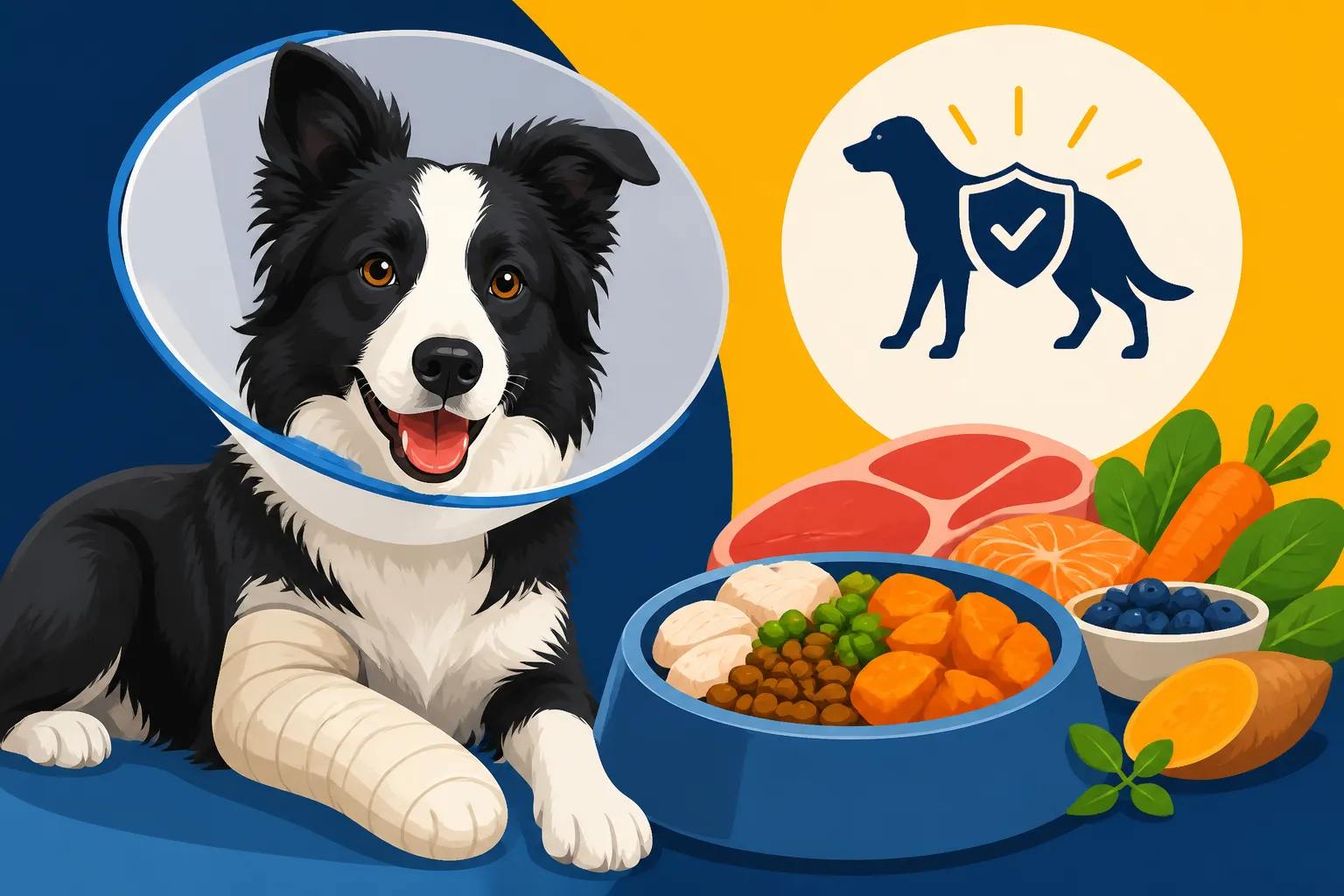
Oh, the sheer heartache of seeing your whirlwind Border Collie suddenly laid up with an injury! One minute they're tearing across the field, eyes blazing with purpose, and the next they're confined, perhaps to a crate or restricted leash walks. It’s a tough situation for both ends of the leash, and one of the biggest challenges isn't just managing their endless energy, but also their diet. Suddenly, that dog who could eat seemingly anything without gaining an ounce is at risk of packing on the pounds, which can seriously hinder their recovery. This guide will walk you through how to thoughtfully adjust your Border Collie's feeding plan during an injury layoff to support their healing, maintain a healthy weight, and keep their clever minds occupied.
The Nutritional Tightrope: Why Injury Layoffs Are Tricky for Border Collies
Border Collies are renowned for their incredible athleticism and boundless energy. These aren't dogs that just "go for a walk"; they work. They run, they leap, they turn on a dime, often for hours on end, whether it's gathering sheep, excelling in agility, or just playing an intense game of fetch. Their bodies are finely tuned machines, burning a huge amount of calories just to maintain their daily antics. So, when an injury suddenly forces them into a period of enforced rest, their entire metabolic system is thrown into disarray.
The Metabolism Shift: From High-Octane to High-Risk
Think about your own active habits. If you regularly run marathons, you likely eat a lot more than someone who prefers lounging on the couch. The same principle applies, but with even greater intensity, to a Border Collie. A working Border Collie can easily burn through thousands of calories in a day, keeping them lean and powerful. Their digestive systems are accustomed to processing a high volume of nutrient-rich food to fuel that output.
When that intense activity stops – whether due to a nasty sprain, a torn cruciate, or recovery from surgery – their body’s caloric needs plummet dramatically. But their appetite? That often stays exactly the same, or sometimes, out of boredom and habit, might even seem to increase! This sudden disparity between caloric intake and energy expenditure is a recipe for rapid weight gain. Your previously sleek, athletic partner can quickly start to look, and feel, heavy. It feels unfair, doesn't it? You're doing your best to keep them comfortable and still, but their body is just storing every extra calorie as fat, something it rarely did before.
The Weight Gain Trap: More Than Just Aesthetics
Allowing your Border Collie to gain weight during an injury layoff isn't just about them looking a bit chunky; it carries serious implications for their recovery and long-term health. Imagine trying to heal a broken bone while carrying a heavy backpack all day – that's essentially what you're asking your dog to do. Extra weight puts additional strain on healing tissues, especially if the injury is orthopedic. For instance, if your Border Collie is recovering from a Cruciate Tears in a Border Collie, even a few extra pounds can place immense stress on the knee, potentially leading to slower healing, re-injury, or compensatory issues in other limbs.
Beyond the immediate injury site, excess weight can increase inflammation throughout the body, hindering the healing process. It can also strain cardiovascular and respiratory systems, making it harder for them to return to their peak fitness once cleared for exercise. What starts as a temporary layoff can become a much longer, more complicated recovery. Furthermore, those added pounds can contribute to the development or worsening of conditions like Osteoarthritis in a Border Collie by Eight down the line, shortening their active lifespan. It's a vicious cycle that, with careful nutritional management, you can help prevent.
Strategic Dietary Adjustments for Optimal Recovery
So, how do we tackle this challenge? The goal isn't just to cut calories, but to do so intelligently, ensuring your Border Collie still receives all the vital nutrients they need for healing, muscle maintenance, and overall well-being. This requires a thoughtful approach that goes beyond simply feeding less of the same old food.
Calorie Reduction: Less Food, Not Less Nutrition
The first, and often most intuitive, step is to reduce the amount of food. However, simply scooping out less of their regular kibble can sometimes lead to nutrient deficiencies if their food isn't highly concentrated. For a Border Collie, whose body is already under stress from injury, nutrient density becomes paramount. We're aiming for a "less energy, same or more nutrients" approach.
A common pitfall is to just halve their portions of their usual performance-oriented kibble. While this does reduce calories, it also reduces their intake of essential vitamins, minerals, and amino acids necessary for tissue repair and immune function. Instead, consider switching to a high-quality food designed for less active adult dogs, or a specific weight-management formula. These foods typically have a lower caloric density but maintain a balanced nutritional profile. When choosing a food, look for ingredients like lean proteins (chicken, turkey, fish) as the primary components, and ensure it's not packed with excessive fillers. Brands like Chewy often have a wide selection of these specialized diets, making it easier to compare options and read reviews.
Alternatively, if you're feeding a fresh or home-cooked diet, this is where you can really fine-tune the ingredients. Increase the proportion of lean protein sources, add more low-calorie, high-fiber vegetables (like green beans, carrots, or broccoli – steamed, never raw as a primary diet), and reduce the carbohydrate and fat content slightly. Remember, the goal is to keep them feeling full without providing excess energy they can't burn off.
Supporting Healing with Targeted Nutrients
Beyond general calorie reduction, certain nutrients can play a direct role in supporting your Border Collie's healing process. Think of it as providing building blocks and anti-inflammatory agents to aid recovery. This is particularly important for injuries where inflammation is a key component.
Omega-3 fatty acids, found in fish oil, are powerful anti-inflammatory agents. Supplementing with a good quality fish oil can help reduce inflammation at the injury site, potentially easing discomfort and speeding up healing. This is beneficial for soft tissue injuries, joint issues, and even overall systemic inflammation. Joint Supplements for a Border Collie Doing Agility are often packed with ingredients like glucosamine and chondroitin, which are vital for cartilage health. Even if the injury isn't strictly joint-related, these supplements can offer broad support, especially if the dog is compensating or if the injury has put extra strain on other joints. These can often be found at pet stores or online retailers like Amazon.
Additionally, antioxidants like vitamins C and E can help combat oxidative stress, which often increases with injury and inflammation. A high-quality diet should provide these, but sometimes a targeted supplement might be recommended by your vet. Always discuss any supplements with your veterinarian, as they can provide guidance tailored to your dog's specific injury and overall health status. They can help you navigate the myriad of options and ensure you're giving appropriate dosages.
Keeping Their Minds Engaged When Their Bodies Can't Move
One of the most agonizing parts of an injury layoff for a Border Collie owner is witnessing the sheer boredom and frustration of a dog built to do. Their minds are still sharp, their drive is still intact, but their bodies are betraying them. This mental frustration can lead to destructive behaviors, excessive barking, or even self-mutilation. While you can't allow physical exertion, you absolutely can, and should, engage their brilliant minds, especially around meal times.
Mealtime as Mental Enrichment
Gone are the days of gulping down a meal in sixty seconds flat. Now, mealtime is an opportunity for mental work. Puzzle feeders are your best friend during this period. These aren't just toys; they are sophisticated tools that force your Border Collie to use their problem-solving skills to extract their food. This not only slows down eating, preventing them from feeling ravenous after a tiny meal, but also provides valuable mental stimulation that can actually tire them out more effectively than a short walk.
There's a vast array of options available: treat-dispensing balls, intricate puzzle toys with sliding compartments, or even simple snuffle mats where they have to sniff out their kibble. You can find excellent options on platforms like Amazon or Chewy. Another fantastic tool is a slow feeder bowl, which has ridges and mazes that prevent rapid eating. For an even greater challenge, consider freezing a portion of their meal (or a low-calorie wet food) inside a Kong. This can keep them happily occupied for an extended period, working diligently to lick every last bit out. Puzzle Feeders That Hold a Border Collie can turn a five-minute meal into a twenty or thirty-minute mental workout. The satisfaction they get from "earning" their food can be a huge mood booster.
Smart Snacking: Treats for Training and Comfort
Treats are often a core part of training and bonding with a Border Collie. During an injury layoff, you might be using them to reinforce calm behavior, reward cooperation during rehabilitation exercises, or simply to offer a bit of comfort. The key is smart snacking.
Instead of high-calorie, fatty biscuits, opt for very small, low-calorie training treats. Many brands offer "mini" or "lite" versions specifically for this purpose. You can also use small pieces of their regular kibble as treats; this is an excellent way to avoid adding extra calories while still providing positive reinforcement. If your Border Collie is on a special diet, you can even use small portions of prescription wet food as high-value treats.
For longer-lasting chews, discuss with your vet if they are appropriate for your dog's specific injury. Some softer, digestible dental chews might be fine, offering a prolonged chewing experience without excessive calories. However, avoid hard bones or chews that might encourage vigorous movement or put undue strain on their jaw or body. The focus should be on gentle, engaging activities. Remember, every treat counts towards their daily caloric intake, so adjust their main meals accordingly. When your Border Collie is feeling down or frustrated by their limitations, a carefully chosen, low-calorie treat can go a long way in boosting their spirits and maintaining that crucial bond between you.
Monitoring Progress and Adapting the Plan
Managing an injured Border Collie's diet isn't a "set it and forget it" task. Their needs can change as they heal, and regular monitoring is essential to ensure they're on the right track. You want them to emerge from their layoff healthy, not overweight, and ready to gradually rebuild their fitness.
Regular Body Condition Scoring at Home
The best way to monitor your Border Collie's weight isn't just with a scale (though that's useful too!), but by performing regular body condition scoring (BCS). This involves both visual assessment and gentle hands-on examination. Border Collies, especially the rough-coated variety, can be masters at hiding weight gain under their luscious fur, leading to the challenge of Whether a Rough Coat Hides a Fat Border Collie.
Ideally, you should be able to easily feel your Border Collie's ribs without pressing hard, like feeling the knuckles on your hand with your palm flat. There should be a noticeable waist when viewed from above, and an abdominal tuck when viewed from the side. If you can't feel the ribs, or if their waist has disappeared, they are likely gaining too much weight. Keep a weekly log of your observations, perhaps even taking a photo from the side and top, to track changes over time. This objective assessment helps you make small, timely adjustments to their diet rather than waiting for a significant weight problem to develop. Consistency is key here; make it a regular part of your routine.
The Vet's Role: When to Seek Professional Nutritional Advice
While this guide provides general advice, nothing beats the personalized expertise of your veterinarian or a board-certified veterinary nutritionist. They are invaluable resources, especially when dealing with a Border Collie's unique metabolism and specific injury.
Your vet understands the nuances of your dog's injury, recovery timeline, and any medications they might be taking. For example, some medications, like those used for Medicating a Border Collie Without Dulling It or other conditions, can sometimes affect appetite or metabolism, requiring specific dietary adjustments. Your vet can advise on the optimal caloric intake for your dog's precise circumstances, factoring in their current weight, ideal weight, and activity level (even if that level is currently zero). They can also recommend appropriate supplements, discuss specific dietary brands, and help you create a gradual re-feeding plan as your Border Collie begins to return to activity. Don't hesitate to reach out to them if you're struggling to manage your dog's weight, if they're not healing as expected, or if you simply need reassurance that you're making the best nutritional choices for your best friend. Regular check-ups, like The Annual Exam a Border Collie Needs, become even more crucial during a recovery period.
Disclaimer
This article is for general informational purposes only and does not constitute professional advice. Laws, prices and regulations vary by location and change over time. Consult a qualified professional for guidance on your specific situation.