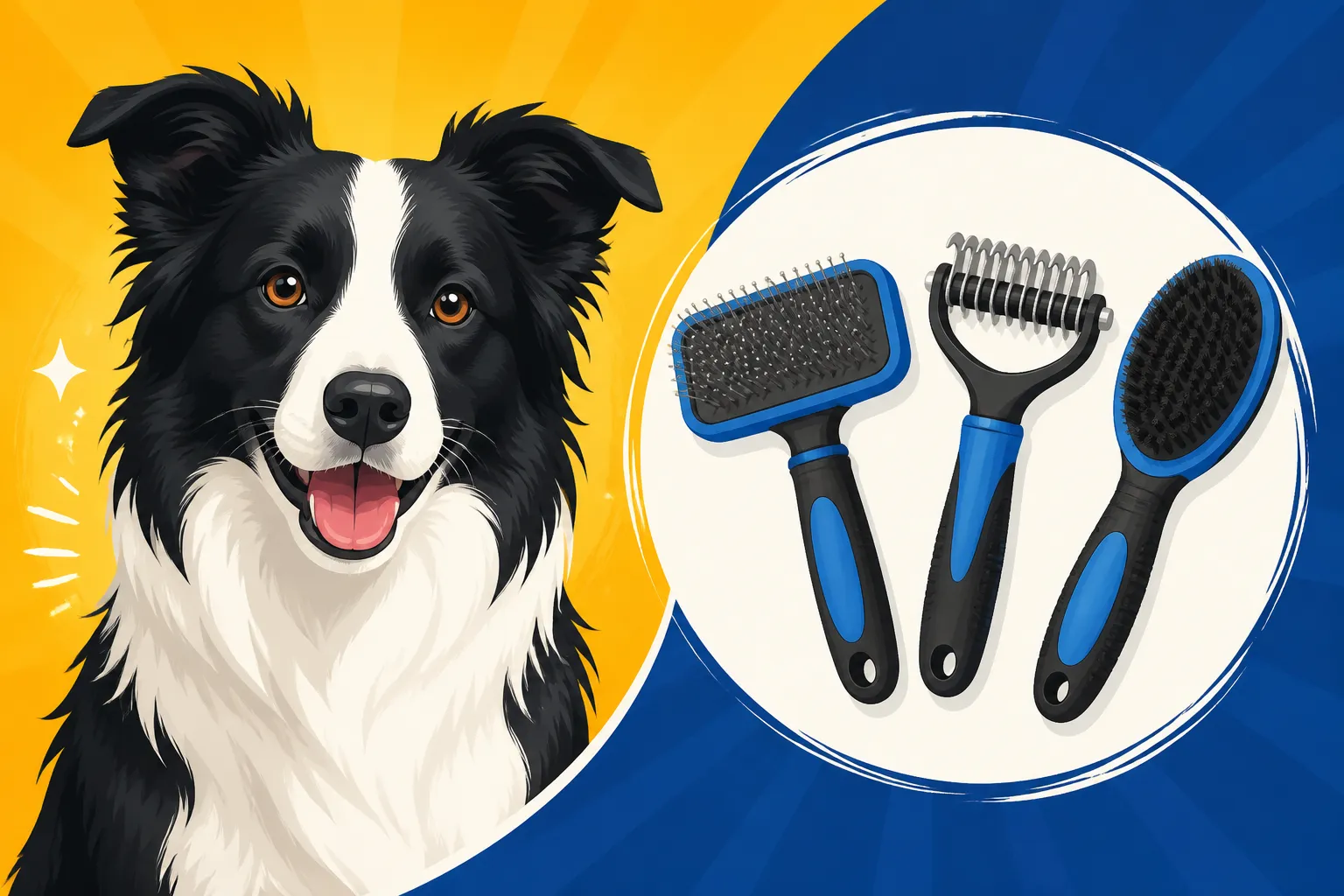
Which Brush Suits a Rough Border Collie’s Coat
If you've ever found yourself staring at your beautiful, fluffy rough-coated Border Collie, brush in hand, and wondered if you're even making a dent in that magnificent mane, you're not alone. The sheer volume of hair, the way it seems to trap every bit of dirt, burr, and loose strand, can make grooming feel like an uphill battle. This guide is here to unravel the mystery of the rough Border Collie coat and help you choose the right tools to keep your dog looking sharp, feeling comfortable, and staying healthy without the endless frustration.
Understanding the Rough Border Collie Coat
The rough coat on a Border Collie is a marvel of nature, designed for protection in harsh weather, whether it's the biting winds of the Scottish Borders or the blistering sun of a working farm. But that very functionality comes with its own set of grooming challenges. It's not just a single layer of fur; it's a complex system that requires understanding to properly care for.
Anatomy of the Rough Coat
A rough-coated Border Collie typically boasts a double coat: a soft, dense undercoat that provides insulation, and a longer, coarser outer coat (or guard hairs) that repels water and dirt. The length of the outer coat can vary significantly, from a medium length that's quite manageable to a full, feathery display on the legs, belly, and tail, often referred to as "feathering" or "trousers." This double layer is what makes them so resilient, but it's also why they shed so much and are prone to matting if not regularly maintained. Think of it like a natural all-weather jacket that needs consistent upkeep to perform its best.
This protective layer is absolutely crucial for their comfort and health. It keeps them warm in winter and actually helps to cool them in summer by regulating their body temperature, provided it’s kept clean and free of mats. Many new owners mistakenly think shaving a rough-coated Border Collie will help in summer, but this can actually hinder their natural cooling process and expose their delicate skin to sunburn. The coat is an integral part of their working physiology.
Common Rough Coat Challenges
The beauty of a rough coat often comes with a host of common challenges that every owner, especially those new to the breed, quickly discovers. Mats and tangles are arguably the biggest headache. They typically form in high-friction areas like behind the ears, in the armpits, on the belly, and particularly in the dense feathering on the legs and tail. These mats aren't just unsightly; they can pull on the skin, causing discomfort, pain, and even skin infections if left untended. Imagine having a knot in your hair that constantly pulls when you move – that's what a mat feels like to your dog.
Then there's the shedding. Oh, the shedding! Rough-coated Border Collies are notorious for it, especially during seasonal changes when they "blow their coat" in spring and autumn. During these periods, the undercoat detaches in earnest, and if not removed, it can create a dense, felt-like layer close to the skin. This not only exacerbates matting but also diminishes the coat's insulating properties and can make your dog incredibly itchy. You'll find tumbleweeds of Border Collie fur making their way across your floors and clinging to every surface imaginable. It’s a rite of passage for any rough-coat owner.
Beyond mats and shedding, rough coats are magnets for outdoor debris. If your Border Collie spends any time romping in fields, woods, or even just a grassy backyard, you'll inevitably be pulling out burrs, grass seeds, twigs, and mud. These can quickly become embedded, especially in the feathering, and if missed, can migrate into the skin, causing irritation or infection. Regularly checking Burrs Caught in a Border Collie's Tail and Grass Seeds in a Border Collie's Feet should be part of your routine.
Essential Brushes and Tools for Rough Coats
Navigating the world of dog grooming tools can feel overwhelming, with countless options promising to be the best. For a rough-coated Border Collie, you don't need every gadget on the market, but a few key tools are absolutely indispensable. Each brush serves a specific purpose, and understanding their function will make your grooming sessions far more effective and less stressful for both you and your dog.
The Mighty Slicker Brush
If there's one brush you must have for a rough-coated Border Collie, it's a good quality slicker brush. These brushes typically have fine, short, wire bristles packed closely together on a flat or curved surface. Their primary job is to get through the topcoat and into the dense undercoat to remove loose hair and gently detangle smaller mats.
When using a slicker brush, always use a light, gentle hand. Don't press hard, as the wire pins can scratch your dog's skin. Work in small sections, always brushing in the direction of hair growth. For areas prone to matting, like the "trousers" on their hind legs or behind their ears, you might need to hold the base of the hair near the skin to prevent pulling. A good slicker brush will effortlessly pull out handfuls of loose undercoat, especially during shedding season. You can often find a wide selection of effective slicker brushes on platforms like Amazon or Chewy, making it easy to compare features and read reviews.
The Indispensable Undercoat Rake
While the slicker brush handles surface mats and general shedding, an undercoat rake is your secret weapon for the really heavy shedding and preventing serious matting in the undercoat. These tools typically have one or two rows of teeth that are longer and more widely spaced than a slicker brush, designed to penetrate deep into the dense undercoat without damaging the topcoat.
An undercoat rake is particularly effective when your Border Collie is "blowing its coat," that intense period of shedding where vast amounts of undercoat are released. By using an undercoat rake a couple of times a week during these periods, you can dramatically reduce the amount of loose hair flying around your house and prevent the undercoat from packing down and creating large, felted mats. Remember to use it with gentle, long strokes, ensuring the teeth don't drag on the skin. This tool makes a world of difference in keeping that insulating layer healthy and functional. Without it, you're constantly fighting a losing battle against the shedding. Stripping a Border Collie's Undercoat Out by Hand is an option, but a good rake makes it much easier.
The Versatile Pin Brush
A pin brush looks a lot like a human hairbrush, featuring widely spaced metal pins with rounded tips. This brush is fantastic for finishing touches, fluffing up the coat, and gently smoothing the outer layer of fur. It's not designed for deep deshedding or serious mat removal, but rather for general maintenance and comfort.
Use a pin brush after you've used your slicker and undercoat rake to ensure all tangles are gone and the coat is flowing freely. It's also excellent for sensitive areas where the wire pins of a slicker might be too harsh, or for puppies getting used to being groomed. Many owners find it’s the perfect tool for working through the delicate Feathering on a Border Collie's Front Legs or the longer hair on their tail. It's also a great daily brush for those quick tidy-ups or just to give your Border Collie a nice, relaxing brush. A few minutes with a pin brush can help distribute natural oils, leaving their coat shiny and healthy.
Other Useful Tools
Beyond the core trio, a few other tools can be incredibly helpful for a rough-coated Border Collie:
- Mat Splitter/Dematter: For those stubborn mats that refuse to budge, a mat splitter (which looks like a small rake with razor-sharp blades) can carefully slice through the mat, making it easier to brush out. Use these with extreme caution, always putting a finger between the tool and your dog's skin to prevent cuts. They are for splitting, not shaving.
- Detangling Spray: A good detangling spray can make a world of difference when dealing with snags and knots, especially in the feathering. Spritzing a little onto a tangled area before brushing helps lubricate the hair, allowing the brush to glide through more easily and minimizing discomfort for your dog.
- Blunt-nosed Scissors: These are handy for carefully trimming small, unreachable mats that are too tight to brush out or split, particularly around the ears or between paw pads. Again, exercise extreme caution. Sometimes, a tiny mat behind the ear, where the skin is very thin and folds, is best snipped out carefully with blunt-nosed scissors rather than pulling with a brush. Mats Behind a Rough Border Collie's Ears are notoriously difficult to remove.
- Grooming Comb: A wide-toothed metal comb is invaluable for checking your work after brushing. Run it through the coat to catch any small tangles or mats you might have missed. A fine-toothed end can be useful for detailing around the face and eyes.
Having these tools at the ready means you're prepared for whatever your Border Collie's coat throws at you, from a routine brush-out to tackling an unexpected burr invasion after a day out on the trails.
Grooming Techniques and Best Practices
Having the right tools is only half the battle; knowing how to use them effectively is key. Regular and proper grooming isn't just about aesthetics; it's vital for your rough-coated Border Collie's health and comfort, preventing painful mats and skin issues. Establishing a consistent routine early on will make the process much more pleasant for both of you.
Establishing a Routine
For a rough-coated Border Collie, a daily or every-other-day quick brush-through is ideal, especially for dogs that spend a lot of time outdoors. This helps catch loose hairs and minor tangles before they become major problems. Think of it as preventative maintenance. During peak shedding seasons (spring and autumn), you might need to increase this to daily, with a deeper session using the undercoat rake two to three times a week.
Consistency is far more effective than sporadic, marathon grooming sessions. If you only brush once a month, you'll be spending hours untangling large mats, which will be painful for your dog and frustrating for you. Short, positive sessions, perhaps five to ten minutes each day, are much better. Make it a bonding experience, using treats and praise. Starting this routine when they are a puppy will get them accustomed to the process, making it much easier as they grow. Early positive experiences with grooming help them accept it as a normal part of their life.
Step-by-Step Grooming Session
Here's a breakdown of how to approach a thorough grooming session for your rough-coated Border Collie:
- Prepare Your Space: Choose a calm, comfortable area. A non-slip mat on a table can elevate your dog to a comfortable working height and prevent them from trying to escape. Gather all your tools – slicker, undercoat rake, pin brush, comb, detangling spray, and treats.
- Initial Inspection and Detangling: Start by gently running your hands over your dog's entire body. Feel for any lumps, bumps, hot spots, or obvious mats. If you find a mat, spray it with detangling spray. Gently work at it with your fingers first, trying to loosen the edges. Then, use the corner of your slicker brush or a mat splitter, working from the outside of the mat inward, rather than pulling directly through the center. Always support the skin at the base of the mat to minimize pulling.
- Slicker Brush for General Shedding: Once any major mats are addressed, use your slicker brush over the entire coat, working in sections. Start from the head and work your way back, then down the legs and tail. Brush layer by layer – lift the top layer of hair and brush the under layer, then lay the top layer back down and continue. This ensures you're reaching the dense undercoat. Pay extra attention to the areas where mats commonly form, like the armpits, behind the ears, and the "trousers" on the back legs.
- Undercoat Rake for Deep Shedding: After the slicker has removed the bulk of the loose hair and detangled most knots, switch to the undercoat rake. Use long, firm but gentle strokes, again working section by section. You’ll be amazed at how much more hair this tool pulls out, especially during shedding season. This step is crucial for preventing the undercoat from packing down too tightly.
- Pin Brush for Finishing: Once you're confident you've removed all loose hair and tangles, use your pin brush to smooth and fluff the coat. This helps distribute natural oils and leaves the coat looking glossy and tidy.
- Comb Check: Finally, take your metal comb and run it through the entire coat. If the comb glides through easily from skin to tip, you've done a great job! If it snags, go back with your slicker or rake to address the remaining tangle.
- Paw Pad and Ear Check: Don't forget to check their paw pads for excess hair that can collect dirt or ice balls in winter. Trim carefully if needed. Also, inspect their ears for cleanliness and any signs of irritation or infection, especially under those adorable folded ears. You’ll find more details on general grooming in Grooming a Rough-Coated Border Collie.
Common Grooming Mistakes to Avoid
Even with the best intentions, it's easy to fall into common grooming traps that can make the experience unpleasant for your Border Collie or damage their coat.
One of the biggest mistakes is trying to brush a severely matted coat without first working on the mats. Brushing directly through large mats is incredibly painful for your dog and will quickly make them hate grooming time. Always try to detangle and separate mats first. Another common error is not getting down to the skin. Many owners only brush the top layer of the coat, leaving the undercoat to become a dense, felted mess underneath. This is why tools like the undercoat rake are so critical; they force you to work through the entire depth of the coat.
Skipping the regular routine is another pitfall. Waiting until your Border Collie is a matted mess makes the job much harder and more painful. Consistent, shorter sessions are always better. Lastly, using the wrong tools or using them incorrectly can cause damage. For instance, using a sharp deshedding tool on a dry, tangled coat can break healthy hair. Always ensure your tools are clean and in good condition, and use them as intended – gently and with patience. Investing in quality grooming supplies from reputable vendors like Chewy or Amazon will also make a difference.
Maintaining Coat Health Beyond Brushing
Grooming isn't just about brushing; it's a holistic approach that includes diet, overall health, and regular checks for issues. A healthy coat is a reflection of a healthy dog, and for a rough-coated Border Collie, maintaining that impressive mane goes beyond just disentangling knots.
The Role of Nutrition
A shiny, healthy coat starts from the inside out. What your Border Collie eats plays a huge role in the quality of their skin and fur. A diet rich in high-quality protein and essential fatty acids, particularly Omega-3s and Omega-6s, is crucial. These nutrients help maintain skin hydration, reduce inflammation, and promote strong, lustrous hair growth. If their diet is lacking, you might notice a dull, brittle coat, excessive shedding, or dry, flaky skin.
Consider talking to your vet about adding fish oil supplements to your Border Collie's diet, especially if their coat seems dry or their skin is flaky. Many high-performance dog foods are formulated with these needs in mind, providing a balanced nutritional profile for active breeds. A well-fed Border Collie will naturally have a more resilient coat that's easier to maintain, sheds less excessively, and is better equipped to protect them. Remember that Feeding a Border Collie That Works Two Hours a Day requires specific nutritional consideration to support their energy and coat health.
Regular Health Checks During Grooming
Grooming time isn't just about making your dog look good; it's a fantastic opportunity to perform a full-body health check. As you brush, feel your Border Collie's body for anything unusual. Look for:
- Lumps, Bumps, or Skin Tags: Any new growths should be noted and monitored, and brought to your vet's attention.
- Redness, Rashes, or Hot Spots: These can indicate allergies, insect bites, or skin infections. Early detection can prevent them from worsening.
- Parasites: Check for fleas, ticks, or any other unwanted hitchhikers, especially if your dog spends time in tall grass or wooded areas. Tick Cover for a Border Collie Working in Cover is essential.
- Sores or Cuts: Border Collies are active, and minor injuries can occur. Grooming allows you to find and address them before they become infected.
- Ear Cleanliness: Look inside their ears for dirt, wax buildup, or signs of infection (redness, odor, discharge).
- Paw Pad Health: Inspect the pads for cracks, cuts, or foreign objects embedded between their toes. Regularly trimming hair between pads also helps prevent matting and debris collection.
Catching these issues early can save you a lot of worry and potentially expensive vet bills down the line. It's another way grooming becomes an act of care, not just vanity. For details on regular maintenance, check out The Weekly Once-Over a Working Border Collie Gets.
Protecting the Coat from Environmental Factors
Your Border Collie's coat is their first line of defense against the elements, but it still needs help. If your dog is frequently out in rough terrain, consider protective gear for sensitive areas. For example, some working dogs wear boots to protect their pads from harsh surfaces, which also helps keep debris out of their paw hair. During wet, muddy conditions, you might find that a quick rinse with plain water and a towel dry after outdoor excursions prevents mud from drying into painful clumps in their feathering.
In harsh winter conditions, ice balls can form in the long hair of their feet and feathering. A thin layer of paw balm or protective wax can help prevent snow and ice from sticking. Always ensure your dog has access to shade and fresh water in summer to prevent overheating, as a thick coat can contribute to heat stress if not managed properly. While you shouldn't shave a rough-coated Border Collie, understanding how to manage their body temperature in extreme weather is crucial.
Grooming a rough-coated Border Collie can seem like a big job, but with the right tools, a consistent routine, and an understanding of their unique coat, it becomes a manageable and rewarding part of dog ownership. Your Border Collie will thank you with a comfortable, healthy coat and plenty of happy cuddles.
Disclaimer
This article is for general informational purposes only and does not constitute professional advice. Laws, prices and regulations vary by location and change over time. Consult a qualified professional for guidance on your specific situation.