Whether a Smooth Border Collie Sheds Less
One of the most common questions I hear from folks considering a Border Collie, especially when they’re weighing coat types, is whether a smooth-coated Border Collie actually sheds less than its rough-coated counterpart. It’s a completely understandable thought process – shorter hair must mean less shedding, right? Unfortunately, for many enthusiastic but perhaps less-informed hopefuls, this assumption often leads to a hairy surprise! This guide will delve deep into the realities of shedding across both Border Collie coat types, explaining why the amount of hair you find on your furniture might not be what you expect, and how to manage it.
Understanding Border Collie Coat Types
Before we dive into the nitty-gritty of shedding, it’s crucial to understand the fundamental difference and, more importantly, the similarity between the two primary Border Collie coat types. Both rough and smooth coats are designed for function, built to protect these tireless working dogs from the elements, whether they're rounding up sheep in the Scottish Borders or competing in agility trials in the American Midwest.
The Rough Coat: Feathering and Volume
The rough-coated Border Collie is what many people picture first: a dog with medium-length hair that can be straight or slightly wavy. This coat features distinct feathering on the legs, chest, and tail, giving them that classic, fluffy appearance. Think of a dog that looks like it could have just stepped out of a shampoo commercial, even if it's been rolling in mud. This longer outer coat, combined with a dense, soft undercoat, provides excellent insulation against both cold and heat, as well as protection from scrapes and brambles in the field. Grooming a Rough-Coated Border Collie often involves dealing with these longer hairs and the impressive volume they can achieve.
The rough coat isn't just about aesthetics; it's a meticulously engineered piece of canine apparel. The longer guard hairs deflect water and dirt, preventing it from soaking down to the skin, while the thick undercoat acts like a thermal blanket. This design is paramount for a dog that might spend hours outdoors in various weather conditions. However, this natural engineering comes with its own set of grooming challenges, especially when it comes to keeping it free of tangles and burs, which can quickly turn into uncomfortable mats if not addressed.
The Smooth Coat: Sleek and Close-Fitting
On the other hand, the smooth-coated Border Collie sports hair that is much shorter and lies close to the body. Some might describe it as sleek, almost like a Labrador's coat, but typically with a slightly coarser texture. While it lacks the obvious feathering of the rough coat, it is not a single-layered coat. This is a crucial distinction. Like its rough-coated cousin, the smooth Border Collie still possesses a double coat: a short, dense outer coat of guard hairs and a softer, equally dense undercoat. The Smooth-Coated Border Collie and What Its Coat Needs is often underestimated by new owners.
This compact coat type offers its own advantages in a working environment. It's less prone to picking up burrs and stickers, and it dries much faster after a dip in a stream or a sudden rain shower. For dogs working in dense underbrush or needing to shed water quickly, the smooth coat can be incredibly practical. While it might look less "fluffy," don't let that fool you; the density of the smooth coat's underlayer is still substantial, providing vital protection for a dog that's expected to perform regardless of the climate.
The Reality of Shedding: Double Coats Mean Double Trouble
Here’s the plain truth that many new Border Collie owners discover with a sigh and a vacuum cleaner: both rough-coated and smooth-coated Border Collies are double-coated breeds, and both shed. The idea that a smooth coat means significantly less shedding is largely a myth, primarily because the shedding process is tied to the presence of that crucial insulating undercoat, which both types possess.
Why Double Coats Shed So Much
A double coat consists of two layers: the protective outer guard hairs and the soft, insulating undercoat. The undercoat is what primarily "blows" or sheds seasonally, but guard hairs are also replaced regularly. This shedding cycle is a natural process, allowing the dog to adapt to temperature changes by growing a thicker undercoat in winter and shedding it out in preparation for summer. It’s their built-in climate control system, essential for their working heritage.
The key to understanding why Border Collies shed so much lies in their genetics and purpose. They were bred to be hardy, adaptable working dogs, often spending long hours outdoors in diverse weather conditions. This necessitated a robust coat that could protect them from cold, heat, and moisture. That thick, insulating undercoat is incredibly effective, but it needs to be managed through regular shedding. If that old, dead undercoat isn't released, it can trap heat, prevent air circulation, and lead to skin issues.
Debunking the "Less Shedding" Myth for Smooth Coats
When people say a smooth-coated Border Collie sheds less, they're usually mistaking visibility of shed hair for volume of shed hair. A smooth coat's shed hairs are shorter, yes, but they are often quite stiff and needle-like. They embed themselves stubbornly into carpets, upholstery, and clothing, making them incredibly difficult to remove. You might not see large clumps of fur rolling across your floor, but you’ll certainly feel those short, prickly hairs sticking to everything you own, often year-round. It’s not necessarily less hair, it’s just different hair, and in some ways, it can be more pervasive and irritating to clean up.
Imagine wearing a dark pair of trousers and having a light-colored smooth-coated Border Collie lean against you for a moment. You might not see big tufts, but you'll probably feel a thousand tiny, sharp hairs almost immediately. This is the daily reality for smooth coat owners. The volume of hair lost might be comparable, but its insidious nature makes it feel like it's everywhere, all the time.
Seasonal Shedding and Border Collies
While both coat types shed continuously, Border Collies, like many double-coated breeds, also experience seasonal "coat blows" where they shed a significant amount of undercoat over a relatively short period. These intense shedding periods can be a real challenge for even the most dedicated owner.
The Spring Molt That Fills Your Home
The most dramatic shedding event typically occurs in spring, when the thick winter undercoat is replaced by a lighter summer coat. This "spring molt" can feel like a blizzard of fur. During this time, you might find yourself filling entire grocery bags with the hair you brush off your dog. Even smooth-coated Border Collies will go through this process, although the discarded undercoat might be less obvious in fluffy clumps and more like a constant rain of short hairs. The Spring Molt That Fills a Border Collie's Kennel is a topic many owners can relate to.
Managing this influx of fur requires diligence. Daily brushing, sometimes multiple times a day, becomes essential to help remove the dead undercoat before it has a chance to settle throughout your home. Special deshedding tools can be incredibly helpful during these times, working to gently pull out loose undercoat without damaging the healthy guard hairs.
The Autumn Shed
While less intense than the spring molt, many Border Collies will also experience a lesser coat blow in the autumn as they shed their summer coat and grow in a thicker winter layer. This is usually not as dramatic as the spring event, but it's still a noticeable increase in shedding activity. During this time, you might find your dog's coat looking a bit thin or patchy in places as the old hair makes way for the new.
This autumn shed is equally important for your dog's comfort and health. Ensuring the old coat is removed allows the new, denser winter coat to grow in properly, providing maximum insulation for the colder months ahead. Neglecting this shedding can lead to compacted undercoat, which can become uncomfortable, restrict movement, and even lead to skin irritation.
Managing Shedding in Both Coat Types
Regardless of whether your Border Collie is rough or smooth, proactive grooming is your best friend when it comes to managing shedding. There’s no magic bullet to stop a double-coated dog from shedding, but there are plenty of ways to keep the hair in your home to a minimum and keep your dog’s coat healthy.
Essential Grooming Tools
Having the right tools makes all the difference. For both coat types, a good slicker brush is indispensable for detangling and removing loose surface hair. For the undercoat, a deshedding tool or an undercoat rake is invaluable, especially during seasonal blows. These tools are specifically designed to reach down into the dense undercoat and pull out dead hair without cutting the healthy topcoat. You can find a wide variety of these tools on platforms like Amazon or at specialty pet stores.
For rough coats, a wide-toothed comb is also useful for working through longer feathering and preventing mats behind the ears and in the "trousers" on their hind legs. Which Brush Suits a Rough Border Collie's Coat is a common question, and the answer often involves a combination of tools. For smooth coats, a rubber curry brush can be very effective at dislodging those short, stubborn hairs and giving your dog a nice massage in the process.
Regular Brushing Routine
Consistency is key. Daily brushing, even for just 10-15 minutes, can dramatically reduce the amount of hair shed around your home. For rough coats, this helps prevent mats and keeps the longer hair from tangling. For smooth coats, it helps to capture those short, stiff hairs before they have a chance to embed themselves in everything. During seasonal blows, you might need to increase brushing sessions to twice a day to keep up with the volume of shedding.
Brushing isn't just about removing hair; it's also a wonderful bonding activity. Many Border Collies enjoy being groomed, especially if it's introduced positively from a young age. It's a quiet time to connect, and you can also use these sessions to check your dog for any lumps, bumps, or skin irritations that might otherwise go unnoticed.
| Coat Type | Shedding Characteristics | Grooming Frequency | Key Tools | Notes |
|---|---|---|---|---|
| Rough Coat | Sheds year-round, significant seasonal "blows." Hair is longer, forms visible clumps. | Daily, especially during seasonal molts. | Slicker brush, undercoat rake, wide-toothed comb. | Prone to matting, feathering collects debris. |
| Smooth Coat | Sheds year-round, less dramatic "blows" but consistent. Hair is short, stiff, easily embeds. | Daily. | Slicker brush, deshedding tool, rubber curry brush. | Less matting, but short hairs are hard to remove from fabric. |
The Power of a Good Bath
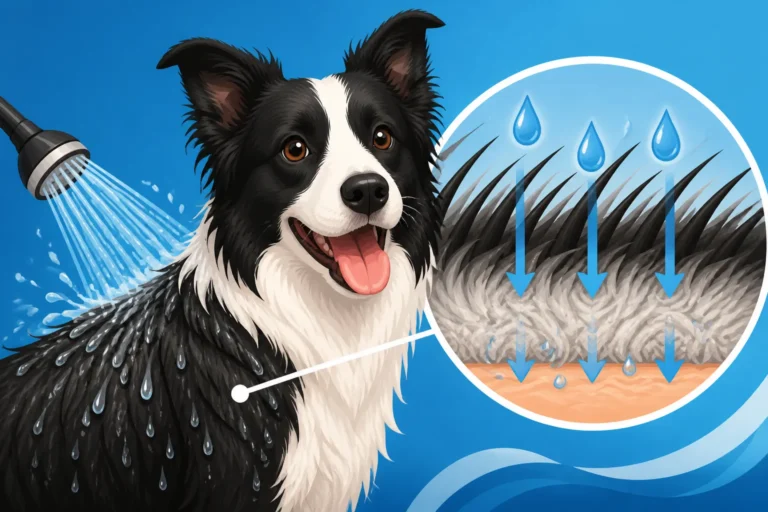
While not a daily affair, regular bathing can also play a significant role in managing shedding. A good bath, particularly with a deshedding shampoo, can help loosen and wash away a lot of dead undercoat. Follow up with a thorough rinse and a powerful dog-specific blow dryer (if your dog tolerates it) to help push out even more loose hair. Bathing a Border Collie That Works in Mud is an art form in itself! Just be careful not to over-bathe, as this can strip natural oils from the skin and coat. Using a quality shampoo that doesn't over-dry the skin is important. Shampoo That Does Not Strip a Border Collie's Oils ensures coat health.
After a bath, especially for rough coats, ensure your dog is completely dry to prevent skin issues and mats. For smooth coats, drying is generally quicker, but a good towel-off and a brush while damp can still help release more loose hairs. Consider looking at Chewy or Amazon for specialized deshedding shampoos and conditioners that can aid in loosening the undercoat.
Nutrition and Coat Health
Diet plays a huge, often underestimated, role in the health of your Border Collie's coat and skin, which in turn influences shedding. A well-nourished dog with a healthy coat tends to shed less excessively and maintains a better quality coat overall.
High-Quality Diet for a Healthy Coat
Feeding a high-quality, balanced diet rich in essential fatty acids (like Omega-3 and Omega-6) is paramount. These nutrients are vital for skin elasticity and coat luster. Look for dog foods that list real meat as the first ingredient and contain healthy fats. Some owners find that adding a fish oil supplement to their dog's diet can also make a noticeable difference in coat health and reduction in shedding.
Think of your dog's coat as an outward reflection of their internal health. A dull, dry, or excessively shedding coat can sometimes be an indicator that something isn't quite right with their diet or overall health. Brands like Ollie, which focus on fresh, human-grade ingredients, might offer benefits for skin and coat health, though it's always best to discuss specific dietary changes with your vet.
Hydration Matters
Just like humans, dogs need adequate hydration for healthy skin and hair. Ensure your Border Collie always has access to fresh, clean water, especially if they are an active working or sport dog. Dehydration can lead to dry skin and a brittle coat, which can exacerbate shedding. In warmer weather or after intense exercise, it’s even more critical to monitor their water intake.
A Border Collie that works hard, such as one participating in Working an Epileptic Border Collie on Stock or Doing Agility With an Epileptic Border Collie, will certainly need a diet that supports high energy expenditure and provides the necessary nutrients for coat health and recovery. The demands on their body, including their skin and coat, are considerable.
Environmental Considerations and Practical Solutions
Beyond grooming and diet, there are several environmental factors and practical solutions that can help you manage Border Collie shedding, regardless of their coat type.
Regular Cleaning and Vacuuming
This might seem obvious, but consistent cleaning of your home is crucial. Invest in a good quality vacuum cleaner designed for pet hair; it will be your most used appliance. Regular vacuuming, dusting, and washing of pet bedding will help keep shed hair from accumulating and spreading. Fabric lint rollers are also indispensable for quick touch-ups on clothing and furniture before you head out the door.
For furniture, consider using washable covers or throws that you can easily remove and clean. If your Border Collie has a favorite spot on the couch, designating it with a specific blanket can save your upholstery from becoming permanently coated in fur.
Containment and Designated Spaces
While Border Collies are often cherished family members who are allowed throughout the home, creating designated "dog zones" can sometimes help manage the hair. This might include a crate or a specific bed that your dog is encouraged to use, especially after coming in from outside. Making these spaces comfortable and inviting can encourage your dog to settle there, concentrating the shed hair in easier-to-clean areas. What a Border Collie's Off-Switch Crate Setup Costs might be a good investment if you're serious about managing household fur.
You might also find that training your Border Collie to stay on a mat or bed during certain times, like when you’re eating or have guests, can significantly reduce the spread of hair. Teaching a Border Collie to Stay on Its Bed is a valuable skill for many reasons, including managing mess.
Addressing Allergies and Skin Issues
Sometimes, excessive shedding can be a symptom of an underlying health issue, such as allergies, skin infections, or parasites. If you notice a sudden, dramatic increase in shedding, accompanied by itching, redness, or bald patches, it's essential to consult your veterinarian. They can rule out medical causes and suggest appropriate treatments. Addressing these issues not only improves your dog's comfort but can also bring their shedding back to normal levels. Allergies in a Border Collie can sometimes manifest as excessive shedding or skin irritation, so it's always worth investigating with a professional.
Ultimately, while the smooth-coated Border Collie might appear to shed less due to its shorter hair, the reality is that both coat types are prolific shredders. The key to living harmoniously with a Border Collie (and its hair) is understanding the shedding process, investing in the right grooming tools, maintaining a consistent routine, and providing a top-notch diet. Embrace the fluff, keep that vacuum handy, and enjoy your amazing, if a bit hairy, companion!
Disclaimer
This article is for general informational purposes only and does not constitute professional advice. Laws, prices and regulations vary by location and change over time. Consult a qualified professional for guidance on your specific situation.