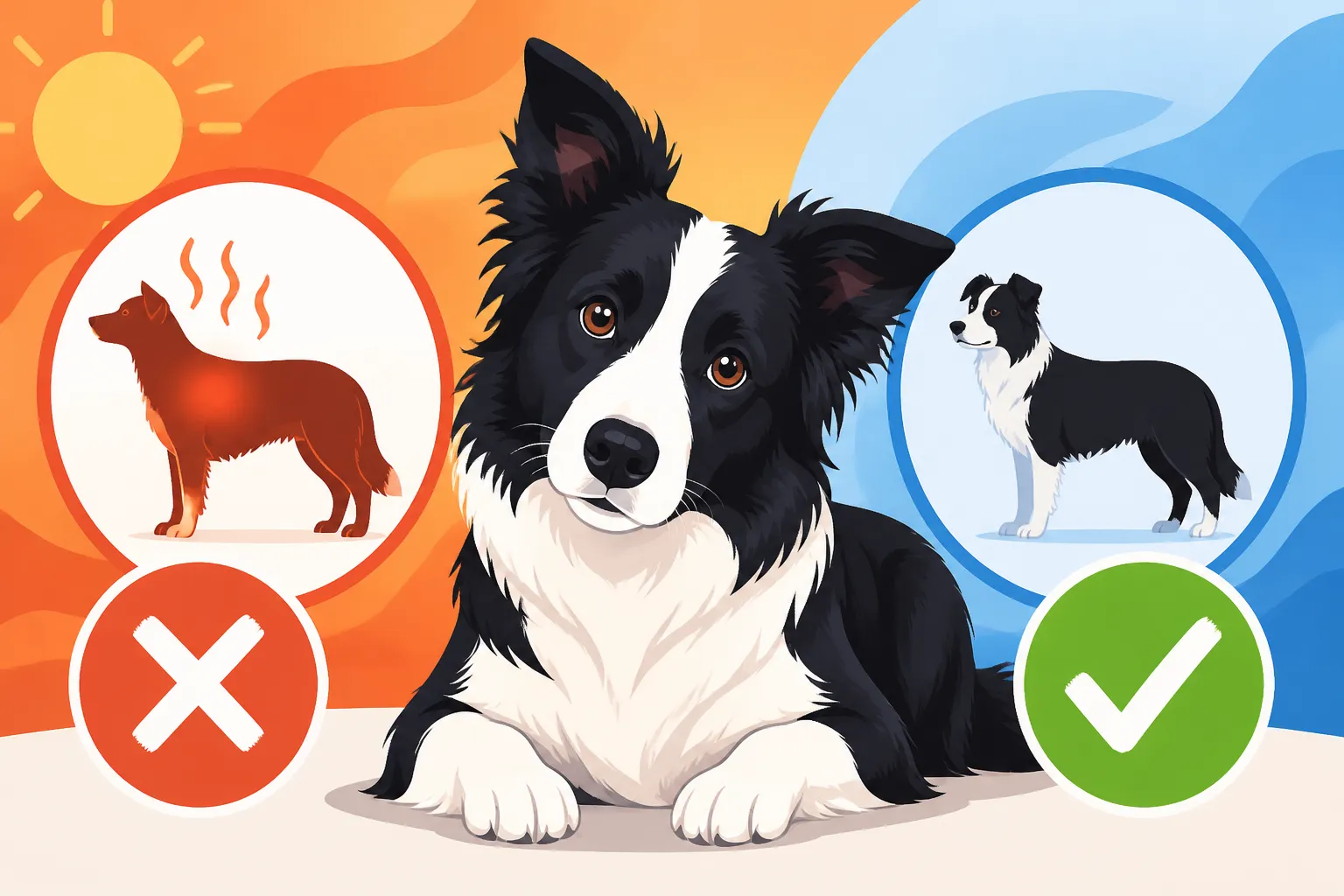
Whether a Border Collie Knows to Stop in Heat
It’s a concern that keeps many a Border Collie owner up at night, especially as the summer months roll in: does that intense, focused, never-say-die dog of yours actually have an internal off-switch when the heat gets dangerous? The painful truth is that while their drive is magnificent, it rarely includes a self-preservation mechanism for extreme temperatures. This guide will walk you through why Border Collies are particularly susceptible to overheating, how to spot the subtle and not-so-subtle signs of heat stress, and most importantly, what practical steps you can take to protect your beloved canine partner.
The Instinctual Drive Versus Environmental Reality
Border Collies are renowned for their intelligence, athleticism, and an almost superhuman work ethic. This breed was developed to work long hours in varying conditions, often in the challenging terrain of the Anglo-Scottish border country. This ingrained desire to work, to please, and to complete a task, even when uncomfortable, is precisely what makes them so extraordinary and, paradoxically, so vulnerable to the dangers of heat.
Why Border Collies Don't Self-Regulate Like Other Dogs
Unlike some breeds that might naturally slow down or simply lie in the shade when they start to feel warm, a Border Collie's genetic programming often overrides these basic comfort signals. Their high pain tolerance and immense focus mean they can push past what would make another dog stop. Imagine a Border Collie on a trial field, working sheep with an intensity that borders on hypnotic. The mental and physical exertion involved, coupled with their sheer determination, means they often ignore the rising discomfort of their body temperature. They are wired to continue until the job is done or until you tell them to stop. This is a critical distinction that owners must understand: you are your Border Collie's thermostat and common sense in hot conditions. It's not about them being stubborn; it's about their incredible drive being a double-edged sword when environmental conditions turn hazardous. The Border Collie That Keeps Working Past Its Limit is a very real scenario, not just a hypothetical one.
The Dangers of Overexertion in Heat
When a Border Collie overexerts itself in hot or humid weather, its body temperature can quickly escalate to dangerous levels. Dogs primarily cool themselves through panting, which works by evaporating moisture from their respiratory tract. However, if the ambient temperature is too high, or the humidity makes evaporation difficult, this system becomes ineffective. Furthermore, the act of panting itself generates heat through muscle activity. This can lead to a vicious cycle where the dog tries harder to cool down but inadvertently heats up more. Overexertion can lead to heat exhaustion, which, if not addressed quickly, can spiral into full-blown heatstroke. Heatstroke is a medical emergency that can cause organ damage, brain injury, and even death. It's a terrifying thought, but understanding the mechanism helps us be better advocates for our dogs.
Recognizing the Red Flags of Overheating and Heatstroke
Knowing what to look for is your first and best defense against heat-related illness in your Border Collie. These dogs are masters at masking discomfort, especially when they are "in the zone," so a vigilant eye is paramount.
Early Warning Signs to Watch For
Catching the signs early can make all the difference. Don't wait until your dog collapses. Here are some early indicators that your Border Collie might be overheating:
- Excessive Panting: While all dogs pant when hot, look for panting that is unusually heavy, rapid, or labored, even after a short burst of activity. Reading a Border Collie's Panting After Hard Work can help you distinguish normal exertion from distress.
- Bright Red Gums/Tongue: Their gums and tongue might appear darker red than usual due to increased blood flow attempting to cool the body.
- Thick, Ropy Saliva: Instead of normal drool, their saliva might become thick, stringy, and excessive.
- Increased Heart Rate: You might notice their heart pounding faster than normal.
- Subtle Changes in Behavior: They might seem a little more clumsy, less responsive to commands, or perhaps slightly disoriented. They might also appear more agitated or restless.
- Seeking Shade/Water: Though less common in intensely driven Border Collies, some might start to actively seek shade or a water source more deliberately than usual.
Differentiating Heat Exhaustion from Heatstroke
It's crucial to understand the difference between heat exhaustion and heatstroke, as the latter requires immediate, aggressive intervention.
Heat Exhaustion is essentially the early stage of overheating. The dog's body is struggling to cool down, but it hasn't yet reached a critical, life-threatening temperature. Symptoms include the early warning signs mentioned above, possibly some mild weakness or lethargy. They might still be able to drink water and follow commands, albeit sluggishly.
Heatstroke is a severe, life-threatening condition where the dog's body temperature rises to dangerous levels (typically above 104°F or 40°C), and their cooling mechanisms completely fail. At this point, cell damage starts occurring. Signs of heatstroke include:
- Collapse or Staggering Gait: This is often one of the most alarming and immediate signs. The Wobbling Gait a Collapsing Border Collie Shows is a clear indicator of a severe problem.
- Vomiting and Diarrhea: This can sometimes be bloody.
- Mental Dullness or Unconsciousness: Your dog may become unresponsive, confused, or even pass out.
- Seizures: Uncontrolled muscle spasms are a grave sign.
- Bruising on Gums (Petechiae): Small, pinprick-like bruises may appear on their gums, indicating capillary damage.
- Dark Red or Purple Gums: Much more pronounced than with heat exhaustion.
The Critical Role of Body Temperature
While not always feasible in the field, taking your dog's rectal temperature is the most definitive way to assess their status. A normal canine temperature is typically between 101°F and 102.5°F (38.3°C and 39.2°C). If your Border Collie's temperature climbs above 104°F (40°C), you are dealing with a dangerous situation, and anything over 106°F (41.1°C) is a full-blown emergency requiring immediate veterinary care. Knowing How Hot a Border Collie Gets After Ten Minutes can highlight just how quickly these situations can escalate.
Proactive Measures to Keep Your Border Collie Safe
Prevention is always better than cure, especially with something as serious as heatstroke. As responsible Border Collie owners, it's our job to create an environment where their drive can thrive without putting them at risk.
Adjusting Work Schedules and Intensity
This is perhaps the most fundamental adjustment you can make. During warmer months, especially in the peak heat of the day, intense activity must be scaled back or eliminated entirely.
- Early Morning or Late Evening Work: Shift your training, herding, or high-energy play sessions to the coolest parts of the day. Working a Border Collie in the Early Morning isn't just a suggestion; it's a necessity in summer. The ground itself can retain heat, so consider that even after the sun goes down, pavement or artificial turf might still be radiating heat.
- Reduce Duration and Intensity: Instead of a long, vigorous fetch session, opt for shorter, less intense periods of mental stimulation like puzzle toys or scent work indoors. If you're herding, keep runs brief and allow for ample rest.
- Know Your Dog's Limits: Every dog is an individual. A young, fit Border Collie might tolerate slightly more than an older dog or one with underlying health conditions. Always err on the side of caution. Remember that a fitter Border Collie may be able to push itself longer, but this does not make them immune to overheating, it just means they might last longer before showing signs.
- Factor in Humidity: High humidity makes it much harder for dogs to cool down, even if the temperature isn't exceptionally high. Pay close attention to the "real feel" temperature, not just the number on the thermometer.
Hydration and Cooling Strategies
Keeping your Border Collie hydrated and providing opportunities for active cooling are non-negotiable in warm weather.
- Constant Access to Fresh Water: This sounds obvious, but it's often overlooked. Always have fresh, cool water available. If you're out and about, carry a portable water bottle and bowl. Consider adding ice cubes to their water bowl at home. For dogs that aren't big drinkers, you can add a splash of low-sodium broth to their water to entice them. Proper hydration is critical, so ensure your Border Collie is getting How Much a Border Collie Drinks on a Working Day.
- Cooling Gear: There's a wide range of products designed to help dogs stay cool. Cooling vests, bandanas soaked in cold water, or even simple damp towels can make a huge difference. You can find many effective options on platforms like Chewy or Amazon. Just ensure they don't trap heat, but rather promote evaporative cooling. Cooling Coats and Vests for a Border Collie are excellent investments.
- Shade and Rest: Provide ample shade whenever your dog is outdoors. Pop-up canopies or shade cloths are invaluable for trial fields or outdoor events. Ensure your Border Collie has designated cool-down spots where they can truly relax. Shade and Rest Between a Border Collie's Runs is paramount, not optional.
- Wading Pools/Sprinklers: For some Border Collies, a shallow kiddie pool or a gentle sprinkler can be a wonderful way to cool down and have fun. Supervise them to ensure they don't overdo it, even in the water.
Essential Gear and Environment Management
Beyond direct cooling, managing your Border Collie's environment and having the right tools can further minimize risk.
- Vehicle Safety: Never, ever leave your Border Collie unattended in a car, even with the windows cracked. The temperature inside a vehicle can skyrocket to dangerous levels in minutes, even on a mild day. It's truly not worth the risk.
- Proper Crating: If you must crate your dog outdoors at an event, ensure the crate is in the shade, well-ventilated, and perhaps even has a battery-operated fan pointing at it. Always monitor them closely.
- Paw Protection: Hot pavement, sand, or artificial turf can burn paw pads quickly. If it's too hot for your bare hand, it's too hot for their paws. Walk your dog on grass or during cooler times. Some dogs benefit from protective boots on very hot surfaces, though many Border Collies aren't keen on them.
- Nutrition: A balanced diet helps maintain overall health, which in turn supports better heat regulation. While not directly a cooling strategy, good nutrition, perhaps from a high-quality brand like Ollie, contributes to a healthy weight. A lean dog will generally tolerate heat better than an overweight one.
What to Do in an Overheating Emergency
Despite all precautions, sometimes things go wrong. Knowing how to react quickly in an overheating situation can be life-saving.
Immediate First Aid Steps
If you suspect your Border Collie is overheating or showing signs of heatstroke, every second counts.
- Move to a Cooler Environment: Get your dog out of the sun immediately and into the shade, an air-conditioned car, or a cool building.
- Apply Cool Water: Wet your dog thoroughly with cool (not ice-cold) water. Focus on areas with good blood flow, like the armpits, groin, belly, and paw pads. You can use a hose, damp towels, or even just pour water from a bottle. Do not use ice water, as it can cause peripheral vasoconstriction, trapping heat in the core, and can induce shivering, which generates more heat.
- Use Fans: If available, direct a fan onto your dog to aid in evaporative cooling.
- Offer Water: If your dog is conscious and willing, offer small amounts of cool water to drink. Do not force water down their throat if they are not conscious or cannot swallow.
- Monitor Temperature: If you can safely take a rectal temperature, do so. Stop cooling efforts once the temperature drops to around 103°F (39.4°C) to prevent overcooling (hypothermia).
- Seek Veterinary Attention Immediately: Even if your dog seems to be recovering, heatstroke can cause internal damage that isn't immediately apparent. A vet needs to assess them for organ damage, administer IV fluids, and provide supportive care. This is not a situation to "wait and see." Time is critical when Whether a Border Collie Recovers From Heat Stroke is on the line.
When to Seek Veterinary Care
Always err on the side of caution. If your Border Collie exhibits any signs of heatstroke, such as collapse, persistent vomiting or diarrhea, seizures, or loss of consciousness, get to an emergency veterinary clinic immediately. Call ahead if possible to let them know you're coming and the situation, so they can be prepared. Even if you've managed to bring their temperature down, internal damage might have occurred that only a veterinarian can diagnose and treat. They may need blood tests to check organ function, fluids to combat Dehydration in a Border Collie After a Day's Work, and other supportive measures.
Your Border Collie's drive is truly a marvel, but it's a responsibility, too. By understanding their unique needs in the heat and taking proactive steps, you can ensure many more safe, active, and happy years together.
Disclaimer
This article is for general informational purposes only and does not constitute professional advice. Laws, prices and regulations vary by location and change over time. Consult a qualified professional for guidance on your specific situation.