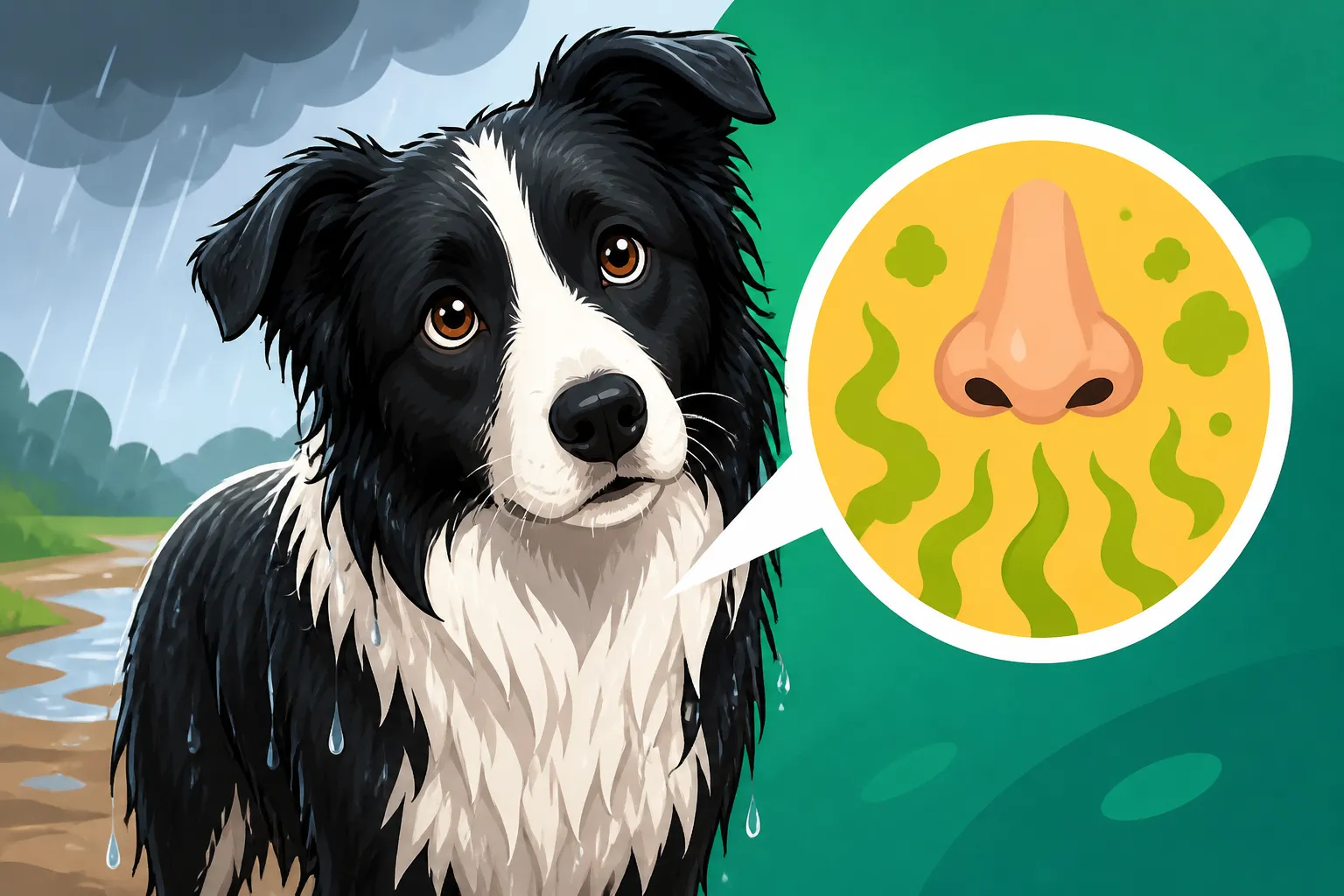
Why a Border Collie Smells After a Wet Day
Ah, the distinct aroma of a Border Collie who’s just had a grand time splashing in puddles or enjoying a refreshing dip in the lake! It's a smell that many of us Border Collie parents know all too well – that unique, earthy, sometimes downright funky scent that seems to permeate every fiber of your couch and car. You love their zest for life, but that post-swim stink can be a real head-scratcher. This guide is all about demystifying that unmistakable "wet dog" smell and arming you with practical strategies to keep your energetic companion smelling fresh, even after their most adventurous water escapades.
The Science Behind the Wet Dog Aroma
It might seem like magic, but that strong, musky smell your Border Collie develops after getting wet isn't just "wet dog" – it's a complex interaction of biology, chemistry, and environmental factors. Our dogs, with their incredible coats and active lifestyles, are prime candidates for this particular olfactory phenomenon.
The Border Collie's Double Coat and Natural Oils
Border Collies are equipped with a magnificent double coat, whether rough or smooth. This coat, a marvel of natural engineering, consists of a dense, soft undercoat for insulation and a coarser, water-resistant outer coat that protects them from the elements. This setup is perfect for their original purpose: working sheep in all kinds of weather across the British Isles. However, this very advantage can become a disadvantage when it comes to drying and odor.
Deep within their skin, dogs have sebaceous glands that produce sebum, a natural oily substance. Sebum is fantastic for skin health and coat protection, providing a natural waterproofing layer and keeping their skin supple. It acts like a protective barrier. When your Border Collie gets wet, water doesn't necessarily wash all these oils away; instead, it mixes with them. As the water evaporates, it carries with it volatile organic compounds (VOCs) that are released from these natural oils, making the smell more pronounced. Imagine what happens when you rub a wet cloth on an oily surface – it brings out the inherent scent of the oil, only on a much larger and more complex scale with your dog's entire body. The longer it takes for that dense double coat to dry, the more these compounds are released. For more on their impressive coats, check out Grooming a Rough-Coated Border Collie or The Smooth-Coated Border Collie and What Its Coat Needs.
Skin's Natural Microbes and Yeast
Beyond the natural oils, our Border Collies' skin is a thriving ecosystem. Just like humans, dogs have a natural microflora – a community of bacteria and yeasts that live harmlessly on their skin and in their fur. These microbes are usually kept in check, but when the environment becomes warm and moist, they can really start to multiply and become more active.
These bacteria and yeasts, particularly certain types like Malassezia yeast, break down the organic compounds in the sebum and sweat, producing their own distinct metabolites. Think of it like a fermentation process. When your Border Collie is dry, these byproducts are minimal or dissipate easily. But add water and humidity, and you create the perfect breeding ground. The water traps these microbial byproducts in the fur, and as the water slowly evaporates, it also releases these odorous compounds into the air, creating that potent "wet dog" smell. It's a natural process, but when it's concentrated over a large, densely furred animal, it can be quite overwhelming.
Beyond Just Water: Amplifying Factors for Odor
While water is the catalyst, it's rarely the sole contributor to that strong, post-splash Border Collie scent. Several other factors can significantly amplify the wet dog smell, making it more persistent and, frankly, more unpleasant. Understanding these additional culprits is key to effective odor management.
Environmental Elements
Consider where your Border Collie has been playing. A quick dash through clean rainwater might produce a milder scent than a dip in a murky pond or a romp through a muddy field. Stagnant water, bogs, and especially anything that contains decaying organic matter – think leaves, algae, or even unfortunate animal droppings – can introduce a host of new bacteria and substances to your dog's coat. These aren't just superficial additions; they get embedded in the fur, particularly the dense undercoat of a Border Collie.
When these foreign contaminants get wet, they contribute their own unique bouquet of smells. The combination of your dog's natural skin microbes, their sebum, and the external organic material creates a far more complex and often stronger odor profile. It's not just your dog getting wet; it's your dog's coat becoming a temporary sponge for whatever unsavory elements it encounters. This is particularly true for working dogs who are constantly in varied outdoor environments.
Diet, Health, and Skin Conditions
Sometimes, the wet dog smell is merely an intensification of an underlying issue. A dog's diet plays a crucial role in the health of their skin and coat. A poor-quality diet lacking essential fatty acids and nutrients can lead to an unhealthy skin barrier, excessive oil production, or even a predisposition to yeast and bacterial overgrowth. If your Border Collie's skin is already compromised, getting wet will only exacerbate the issue. For instance, some owners find that certain high-quality, balanced diets from brands like Ollie or even specialized options found on Chewy can contribute to healthier skin and a less noticeable baseline odor.
More significantly, undiagnosed skin conditions can dramatically worsen the wet dog smell. Allergies, whether environmental or food-related, can cause inflammation, itching, and lead to secondary bacterial or yeast infections. When these already irritated areas get wet, the existing microbial populations can explode, leading to a much stronger, often sickly sweet or yeasty odor even when dry, which then intensifies exponentially when wet. Conditions like Sensitive Skin in a Border Collie or Allergies in a Border Collie are common culprits. Similarly, if your Border Collie has issues like Ear Infections Under a Border Collie's Folded Ear or even Hot Spots on a Border Collie from moisture, these can emit their own powerful, foul odors that are then spread and amplified when wet. It's always a good idea to have your vet check persistent or unusual smells.
Improper Drying and Grooming Habits
Perhaps the most common amplifier of the wet dog smell is simply not drying your Border Collie properly. Their double coats are designed to retain moisture for a long time, and if that moisture isn't thoroughly removed, you're leaving a damp, warm environment for those odor-producing microbes to continue their party. A towel rub on the outer coat might seem sufficient, but it often leaves the dense undercoat still quite damp, particularly around the belly, armpits, and neck.
Infrequent brushing can also contribute. Dead hair and accumulated dirt, dander, and environmental debris trapped in the coat provide more organic material for bacteria and yeast to feed on. If you're not routinely removing these trapped elements, they're just waiting for water to activate their full smelly potential. Likewise, if bathing isn't done correctly – using the wrong shampoo, not rinsing thoroughly, or not drying completely afterward – it can make things worse rather than better. The article Whether a Damp Border Collie Coat Causes Trouble offers more insights into the pitfalls of incomplete drying.
Strategies to Combat the Wet Dog Odor
The good news is that you don't have to simply endure the wet Border Collie smell. With a few proactive strategies and diligent habits, you can significantly reduce or even prevent that powerful post-splash funk. It’s all about managing moisture and keeping that amazing coat clean and healthy.
Immediate and Thorough Drying Techniques
This is arguably the most crucial step. As soon as your Border Collie comes in from a wet adventure, whether it's a swim or a rainy walk, getting them thoroughly dry is paramount. Don't just give them a cursory rub with an old towel and call it a day; you need to get down to the skin.
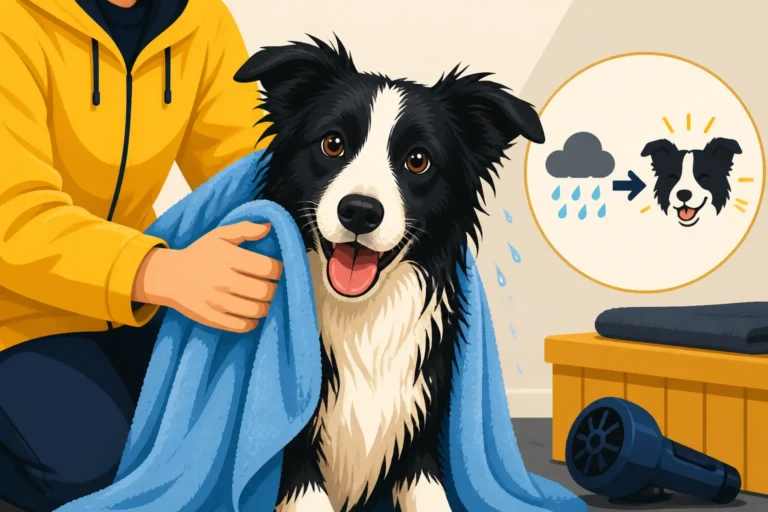
Start with vigorous towel drying. Use highly absorbent towels specifically designed for pets; these can be found readily on platforms like Amazon. Work against the grain of the fur to really soak up as much water as possible from the undercoat. Pay extra attention to areas like the chest, belly, and "trousers" on their hind legs, which tend to hold water longer.
For a Border Collie's dense coat, a high-velocity dog-specific blow dryer is a game-changer. These aren't hair dryers for humans; they're designed to push a high volume of air at a lower heat, effectively blasting water out of the coat without burning the skin. Always use a cool or low-heat setting to avoid overheating their skin. Systematic drying, section by section, starting from the hindquarters and working forward, will ensure you don't miss any damp spots. If you live in a humid climate, or your dog spends a lot of time in water, this step is non-negotiable. It's also vital to ensure they're completely dry before allowing them back onto upholstered furniture or carpets, as dampness can linger and transfer odors. More tips on this can be found in Drying a Border Collie After a Wet Day's Work.
Regular Grooming and Proper Bathing Practices
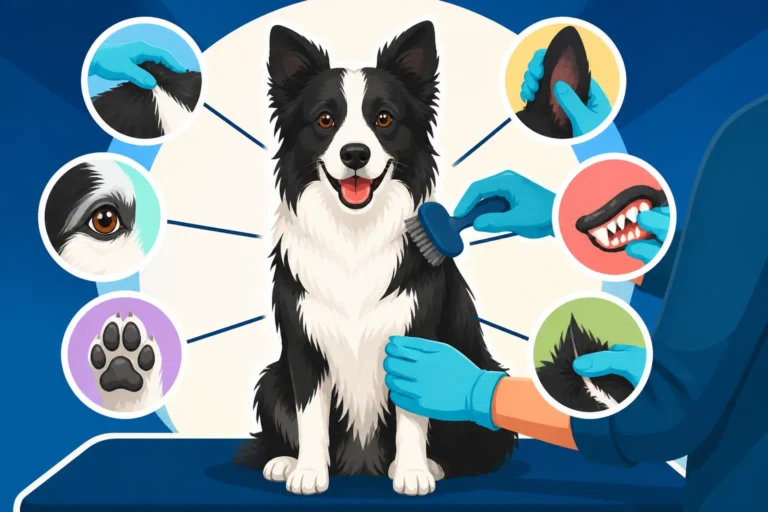
A consistent grooming routine is your frontline defense against persistent odors. Regular brushing, even for smooth-coated Border Collies, helps remove loose hair, dead skin cells, and any dirt or debris trapped in their coat. This reduces the organic material that microbes love to feed on. A slicker brush followed by a de-shedding tool can work wonders, especially during seasonal shedding.
When it comes to bathing, it’s a delicate balance. Over-bathing can strip natural oils, leading to dry, irritated skin, which can paradoxically worsen odor issues. However, infrequent bathing can allow dirt and oil to build up. Aim for a bath every 4-6 weeks, or more often if your Border Collie is particularly dirty or has been in very foul-smelling water. Always use a high-quality dog shampoo that is pH-balanced for canine skin. Look for gentle, hypoallergenic formulas, or those with natural odor neutralizers. Brands available at pet supply stores or online through Chewy often have excellent options. Lather thoroughly, ensuring the shampoo penetrates the dense undercoat, and rinse, rinse, rinse! Any shampoo residue left behind can cause skin irritation and attract more dirt, making the problem worse. If your Border Collie routinely works in muddy conditions, you'll find Bathing a Border Collie That Works in Mud helpful.
Environmental Management and Diet Considerations
Beyond direct grooming, consider your Border Collie's immediate environment. Regularly wash their dog beds, blankets, and any soft toys they frequent, as these can absorb and hold onto odors. Use enzyme-based pet odor eliminators for any accidents or lingering smells on carpets and upholstery. If your dog has a habit of rolling in questionable puddles or mud, try to manage their access to such areas where possible.
A healthy diet contributes significantly to healthy skin and coat, which in turn can reduce overall body odor. Ensure your Border Collie is on a high-quality, balanced diet appropriate for their activity level. Look for foods rich in omega fatty acids, which are crucial for skin health. Some owners find that switching to a fresh food diet, like those offered by Ollie, or specialized dermatological diets available through Amazon or Chewy, can make a noticeable difference in skin condition and overall smell. A dog with a healthy gut and skin barrier often produces fewer strong odors to begin with. This also ties into how you feed your energetic companion, as explored in Feeding a Border Collie on a Performance Diet.
When the Smell Signals Something More
While a damp, earthy scent after a good splash is often normal for our Border Collies, there are times when that "wet dog" smell transcends typical expectations and actually signals a deeper health issue. It’s important to be vigilant and know when to seek professional advice.
Persistent Odor Beyond Wetness
The most significant red flag is when your Border Collie smells consistently bad, even when completely dry. If you notice a strong, unpleasant odor emanating from their coat, ears, or skin when they haven't been wet for hours or even days, it's time to investigate. This isn't the charming "damp earth" smell; it's often more yeasty, pungent, or even sweet and sickly. This persistent smell indicates that the microbial population on their skin has grown beyond its normal, harmless levels and is actively causing a problem.
For example, a Border Collie suffering from an undiagnosed yeast infection might smell distinctly like stale bread or corn chips, particularly around their paws, ears, or skin folds. Bacterial infections, on the other hand, can produce a more overtly foul or rotten odor. If you’ve followed all the diligent grooming and drying advice, and the smell lingers, it's a strong indicator that something internal or dermatological is at play. It's a sign that the natural balance of their skin's ecosystem has been disrupted, and it won't resolve with just another bath.
Accompanying Symptoms and Veterinary Consultation
A bad smell, especially when dry, is rarely the only symptom of an underlying health issue. Pay close attention to any other changes in your Border Collie's skin or behavior. Are they scratching excessively, even when you've ruled out fleas? Is their skin red, inflamed, flaky, or greasy to the touch? Do you see any hot spots, bumps, or hair loss? Are their ears particularly waxy or red, or do they shake their head a lot? These are all accompanying signs that point to skin irritation, allergies, or infections.
For instance, a Border Collie with Sensitive Skin in a Border Collie or Allergies in a Border Collie might develop secondary infections that are the true source of the strong smell. Left untreated, these conditions can cause significant discomfort and pain for your dog. If you notice any of these symptoms alongside a persistent, unusual odor, it's crucial to schedule a visit with your veterinarian. They can perform a thorough examination, take skin scrapings or swabs to identify specific bacteria or yeast, and determine the best course of treatment, whether it's medicated shampoos, oral antibiotics, antifungals, or allergy management. Regular Yearly Bloodwork for a Border Collie can also sometimes flag underlying health issues that might manifest in skin or coat problems. Don't hesitate to consult a professional; addressing these issues early can prevent them from becoming more severe and making your beloved companion much more comfortable.
Disclaimer
This article is for general informational purposes only and does not constitute professional advice. Laws, prices and regulations vary by location and change over time. Consult a qualified professional for guidance on your specific situation.