A Border Collie Left in a Vehicle at a Trial
One of the most agonizing situations for a Border Collie owner at a trial or event is knowing your dog needs a safe, comfortable place to rest between runs, but feeling limited by the options. Leaving your intelligent, high-energy Border Collie in a vehicle can feel like the only choice sometimes, especially when you're caught up in the excitement and demands of the day. But it's a decision fraught with peril, and this guide will walk you through the very real dangers, explain why seemingly simple solutions fall short, and offer practical, safer alternatives to ensure your dedicated partner stays healthy and happy, even on a busy trial day.
The Hidden Dangers of Leaving Your Border Collie in the Car
It’s easy to underestimate just how quickly a vehicle can become a death trap for a dog, especially a thick-coated, high-metabolism breed like a Border Collie. When you’re focused on your next run or chatting with fellow competitors, the minutes melt away, and the sun can turn an agreeable morning into a sweltering afternoon without you even noticing. The risks are profound and often misunderstood.
Rapid Temperature Swings and Heatstroke Risk
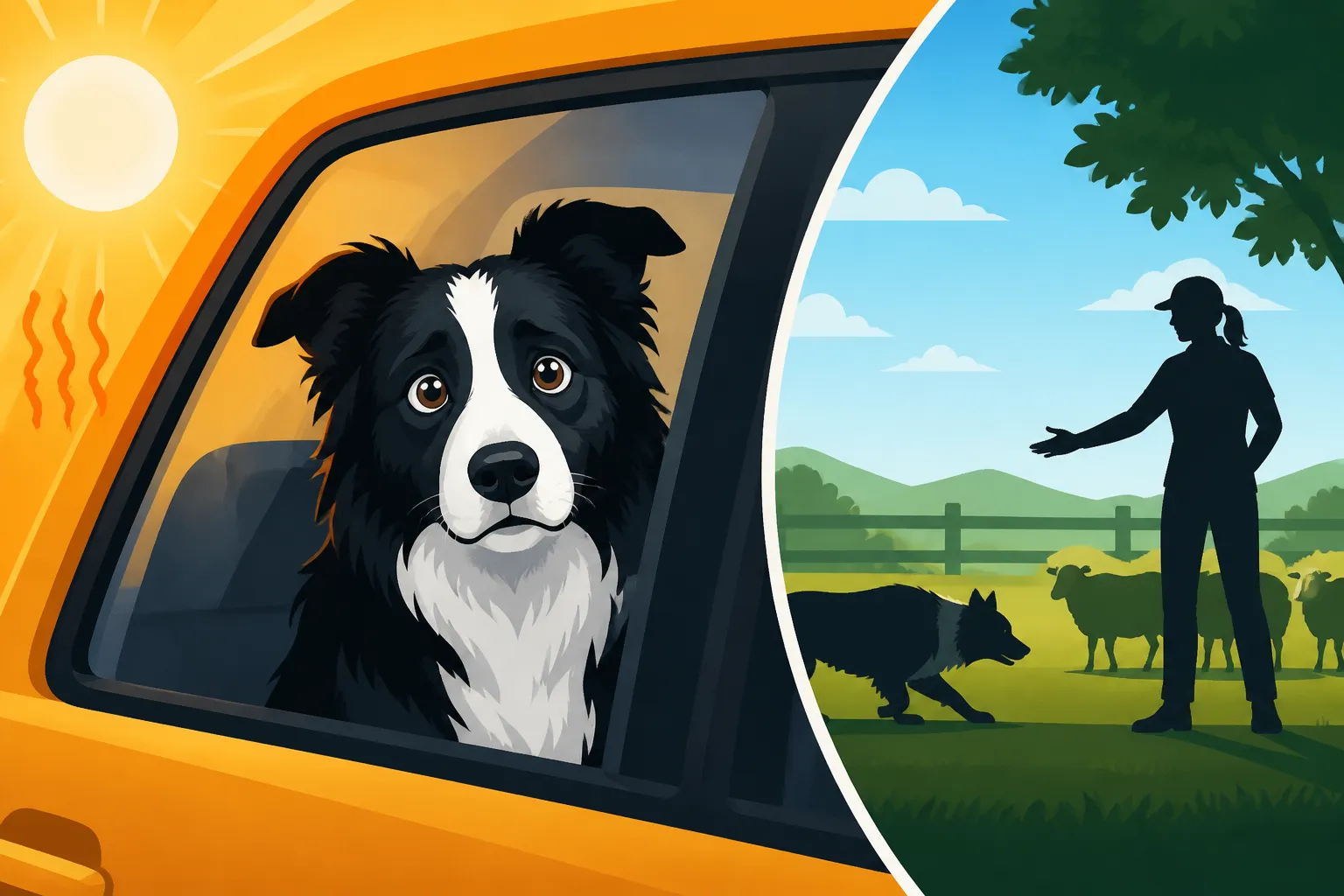
You might think, "It's only 70 degrees Fahrenheit, and I'll crack the windows." But the reality inside a vehicle is starkly different from the outside air temperature. Even on a mild day, the interior of a car can heat up by 20 degrees in just 10 minutes. If it's 70 degrees outside, it can reach 90 inside in no time. Give it an hour, and it can be well over 100 degrees. For a Border Collie, a breed famed for its boundless energy and dense double coat, this rapid increase in temperature is incredibly dangerous. Their body temperature rises much faster than ours, and they can't sweat effectively to cool down.
This danger is amplified at trials, where you might be walking your dog for warm-ups, competing intensely, and then needing to put them away while you run another dog or attend a briefing. Your dog's body is already working hard, generating heat. Imagine your dog, panting heavily from a strenuous run, being placed into a vehicle that is rapidly becoming an oven. They might look fine when you step away, but their internal mechanisms for cooling can quickly become overwhelmed. This is how dogs suffer from Heat Stroke in a Border Collie That Kept Working, a critical emergency that can have lasting damage or be fatal. Understanding How Hot a Border Collie Gets After Ten Minutes inside a vehicle is crucial for prevention.
Ventilation and Dehydration are Not Enough
Many owners believe that cracking windows or providing a large water bowl is sufficient to keep their Border Collie safe in a car. Unfortunately, this often isn't the case. While some airflow is better than none, it's rarely enough to counteract the greenhouse effect inside a vehicle. The air trapped inside continues to heat up, and a slight breeze through a partially open window simply can't replace enough of that hot air with cooler external air to make a significant difference. Furthermore, if your dog is panting heavily and losing moisture at an accelerated rate, even a full bowl of water might not be enough to prevent Dehydration in a Border Collie After a Day's Work.
Consider the quality of the air itself. If the vehicle is parked in direct sunlight, the surfaces inside—the seats, the dashboard, the metal of the crate—absorb and radiate heat. Your dog is not just breathing hot air; they are surrounded by hot surfaces. Their paws can burn on hot crate floors or rubber mats. Even if they drink, if their environment remains too hot, they cannot cool down effectively. Signs like excessive panting, drooling, or lethargy are red flags that your dog is in distress, and knowing how to interpret Reading a Border Collie's Panting After Hard Work can save their life.
Stress, Anxiety, and Psychological Impact
Beyond the very real physical dangers, being confined in a hot, stuffy, or isolated vehicle can take a significant toll on your Border Collie's mental well-being. Border Collies are intelligent, sensitive, and often highly social dogs. Being left alone in a strange environment, surrounded by the sounds and smells of a trial they can't participate in or fully understand from their confined space, can be incredibly stressful. They might experience separation anxiety, frustration, or even fear, especially if there are loud noises, other barking dogs, or unfamiliar people passing by.
This stress isn't just unpleasant; it can manifest in destructive behaviors like chewing on the vehicle interior or their crate, or excessive barking. More importantly, it can impact their performance when it's their turn to work. A dog that has been anxious and uncomfortable for hours is unlikely to be focused, calm, and ready to perform at its peak. Their drive might be dulled by discomfort, or they might be so overstimulated by their previous anxiety that they struggle to settle and listen to commands. Their psychological state is just as important as their physical condition for a successful and enjoyable trial experience.
Trial Day Realities: Why Owners Sometimes Choose the Car (and Better Alternatives)
No owner wants to put their Border Collie at risk. The decision to leave a dog in a vehicle, even for a short time, often stems from a combination of practical limitations and understandable trial-day pressures. Acknowledging these challenges is the first step toward finding sustainable, safer solutions.
Lack of Secure Crating or Designated Dog Areas
Trial venues, whether they're sprawling open fields or more contained arenas, often present a real conundrum for dog owners. There might not be designated, secure, shaded areas specifically for crating dogs. You're left with the choice of exposing your dog to the elements directly, which also carries risks, or confining them in your vehicle. The fear of theft or accidental tampering if a dog is left openly crated outside can also push owners toward the perceived safety of a locked car.
Moreover, handlers often need to be away from their dogs for extended periods. You might be walking the course, helping set up obstacles, or waiting for your turn at the ring, making it impossible to constantly supervise an outdoor crate. This logistical nightmare contributes to the car being seen as the 'best of bad options.' It's a frustrating reality for many, where the ideal setup just isn't available, and you have to weigh different risks.
The Myth of "Just a Few Minutes"
"I'll only be five minutes." How many times have we told ourselves that at a bustling event? At a trial, five minutes can easily stretch into fifteen, thirty, or even an hour due to unforeseen delays. A judge might be running late, a previous competitor might have issues, or you might get pulled into an unexpected conversation with a friend. These events are often a whirlwind, and our perception of time becomes distorted when we're focused on so many different tasks and interactions.
The insidious part is that those "few minutes" can be enough for the internal car temperature to spike dramatically. You step away when it's cool, and by the time you remember to check, the situation is critical. It's not about malicious intent; it's about the inherent unpredictability of trial days and the ease with which time can slip away. What an Agility Trial Weekend Costs With a Border Collie isn't just about entry fees; it also encompasses the mental load of managing your dog's welfare throughout the busy schedule.
Practical Solutions for a Safer Trial Experience
Thankfully, there are many proactive steps you can take to make trial days safer and more comfortable for your Border Collie, even when leaving them in a vehicle for short periods is unavoidable. The key is advanced planning and investing in appropriate gear. Portable shade structures, like pop-up canopies or large sunshades that cover the entire vehicle, can significantly reduce solar gain. Battery-operated fans, positioned strategically in or on the crate, can improve air circulation immensely. Cooling mats or wet towels draped over the dog (never covering their mouth or nose) can also offer relief. Many pet tech companies now offer in-car temperature monitors that alert your phone if the internal temperature reaches a dangerous level, providing a crucial safety net. You can find many effective options from online retailers like Chewy or Amazon.
Even better, consider a "buddy system" with a trusted fellow handler. Take turns watching each other's dogs, ensuring no dog is left unattended for too long or without a cool down. If you're going to use your vehicle, having the right setup is key. This could include Whether a Border Collie Needs a Secure Kennel Run that is shaded and provides continuous fresh airflow. Always consider bringing plenty of water and multiple bowls, and even frozen treats, to encourage hydration. For long waits, bringing your Border Collie out for short, frequent breaks in a genuinely cool, shaded spot is non-negotiable.
Legal and Ethical Considerations: Protecting Your Border Collie and Yourself
Beyond the immediate health risks, leaving your Border Collie unattended in a vehicle, especially in unfavorable conditions, carries significant legal and ethical implications that every responsible owner should be aware of.
Laws Against Animal Confinement in Vehicles
It's a stark reality that in many places, leaving an animal confined in a vehicle under conditions that endanger its health or well-being is illegal. These laws vary by state, county, or even city, but the general principle is the same: you can face legal consequences if your dog is found in distress in a hot car. This can range from hefty fines to animal cruelty charges, and in extreme cases, even jail time. Furthermore, many jurisdictions have "Good Samaritan" laws that allow concerned citizens to break into a vehicle to rescue an animal in distress without fear of civil liability. This means a passerby, seeing your Border Collie struggling, could smash your window to save your dog, and legally, they'd be protected.
The last thing any trial participant wants is to be interrupted by law enforcement or concerned members of the public, or worse, to find their beloved dog has suffered a severe medical emergency. The legal ramifications are serious, but they pale in comparison to the emotional burden of knowing you inadvertently caused harm to your dog. It's a reminder that our responsibilities as dog owners extend beyond the trial ring and into public spaces.
The Ethical Imperative: Prioritizing Your Dog's Welfare
As owners of Border Collies, we understand the incredible bond and trust these dogs place in us. They dedicate their lives to working alongside us, eager to please and always ready for the next command. Ethically, we have a profound responsibility to prioritize their comfort, safety, and well-being above all else, including the demands of a competition. Choosing to attend a trial should never come at the cost of our dog's health or psychological state. When we bring them into these environments, we commit to providing for their needs.
Consider the perspective of your Border Collie. They don't understand ribbons or points; they only understand your cues, their work, and their comfort. Leaving them in an uncomfortable or potentially dangerous situation, even with the best intentions, can erode that trust. The moral cost of a preventable tragedy—a heatstroke incident, for example—is something no dedicated dog owner ever wants to bear. It’s about more than just avoiding legal trouble; it’s about upholding our end of the unspoken contract we have with our loyal companions.
Planning Ahead for Trial Success and Dog Well-being
To truly safeguard your Border Collie and ensure peace of mind, proactive planning is absolutely essential. Before you even head out the door for a trial, do your homework on the venue. Can you call the organizers and ask about designated cool-down areas? Are there shaded parking spots? Are there any rules against setting up pop-up canopies or outdoor crating, assuming it's secure and safe? Knowing these details in advance can help you pack the right gear and mentally prepare for the day. If the forecast is for extreme heat, seriously consider if the trial is worth the risk, especially for a dog prone to overheating like a Border Collie. Whether Summer Trials Are Too Hot for a Border Collie is a question that needs a thoughtful answer, not just a shrug.
Sometimes, the best plan is an alternative arrangement. Can a friend or family member stay home with your dog, or bring them to the trial for only their specific run times? Could you arrange for a professional pet sitter to provide care at home if you're traveling for a multi-day event? Being flexible and creative with solutions demonstrates true commitment to your Border Collie's welfare. Remember that a stressed or overheated dog will not perform its best anyway, so prioritizing their comfort is a win-win for everyone involved.
Proactive Steps for Border Collie Care on the Go
Mastering the art of keeping your Border Collie comfortable and safe at busy events means thinking ahead and having a solid strategy. It’s about creating a mobile environment that mirrors the care you’d provide at home, ensuring their well-being is always front and center.
Essential Gear for On-Site Comfort
When packing for a trial, your Border Collie's comfort kit should be as important as your own. Start with an ample supply of fresh, cool water, along with multiple bowls to ensure availability. Consider adding ice cubes to a thermos of water to keep it cool throughout the day. A first-aid kit, specifically for canine emergencies, is also non-negotiable, and should include items for paw injuries, minor cuts, and potential heat stress. For cooling, Cooling Coats and Vests for a Border Collie can make a huge difference in managing their core temperature, especially after an intense run. Many varieties are available from retailers like Chewy or Amazon.
Beyond cooling, think about secure and well-ventilated containment options. While a car might be used for very short, supervised periods, a properly set up, shaded crate outside the vehicle is often a better choice. Look for sturdy crates that allow for maximum airflow, and always use a cover that reflects sunlight and provides ample shade, but doesn't trap heat. Consider elevated dog beds for outdoor crating to keep your dog off hot ground, and ensure their crate is positioned where they can still get a breeze. This proactive approach helps your dog conserve energy and stay comfortable between their working sessions.
Monitoring and Regular Check-ins
Even with the best equipment, consistent human oversight is irreplaceable. Make it a strict rule to check on your Border Collie every 15-20 minutes when they are resting, especially if they are in a vehicle or an outdoor crate. These check-ins aren't just about topping up water; they're about observing their behavior and physical state. Look for signs of distress such as excessive panting, drooling, lethargy, muscle tremors, or a dazed expression. Feel their ears and gums—are they hot to the touch? Are their gums bright red or tacky? These are all indicators that your dog is overheating or stressed.
If you notice any of these signs, act immediately. Move your dog to a cooler location, offer water, apply wet towels to their groin and armpits, and if symptoms persist or worsen, seek veterinary attention without delay. It’s tempting to push through the day, especially if you’re close to your run, but a Border Collie The Border Collie That Keeps Working Past Its Limit is a disaster waiting to happen. Your dog's health must always take precedence over competition. Having a thermometer in the car or near the crate, even a simple one, can provide objective data to back up your observations.
The 'Cooling Strategy' for Active Trial Days
A comprehensive cooling strategy involves more than just reacting to heat; it's about prevention and proactive management throughout the entire trial day. This starts with "pre-cooling" your Border Collie before their run. If possible, allow them to rest in a genuinely cool spot—perhaps a shaded area with a fan, or even a brief dip in a shallow pool of water if available and appropriate—before they hit the course. This lowers their core temperature, giving them more thermal reserve before exertion.
After their run, immediate "post-cooling" is vital. This includes offering plenty of water, sponging them down with cool water (avoiding ice water, which can cause blood vessels to constrict and trap heat), and moving them to the coolest, shadiest spot available. Limit strenuous activity during the hottest parts of the day. If your trial schedule has a long break during peak sun, use that time for deep rest in a truly cool spot, rather than pushing for more activity. Consider adding a splash of unsalted chicken broth to their water to encourage them to drink more and replenish electrolytes. Remember, Whether a Border Collie Knows to Stop in Heat is a question with a dangerous answer; many will push themselves to the brink for you, so you must be their advocate.
Here's a quick comparison of vehicle containment options:
| Aspect | Car with Windows Cracked (Unattended) | Car with Active Cooling/Monitoring | Shaded Outdoor Crate with Fan |
|---|---|---|---|
| Temperature Control | Poor; rapidly heats up. | Fair to Good; active mitigation. | Good; direct airflow & shade. |
| Ventilation | Minimal; often insufficient. | Improved; active fan usage. | Excellent; open air flow. |
| Monitoring | None; relies on intermittent checks. | Remote monitoring possible. | Direct visual checks. |
| Stress/Anxiety | High; confinement, heat, isolation. | Moderate; still confined, but cooler. | Lower; more open, less stuffy. |
| Bystander Intervention | High risk; can be seen as distressed. | Lower risk due to visible efforts. | Lower risk if clearly well-equipped. |
| Legal Risk | High. | Moderate (if not consistently monitored). | Low (if adequately set up & supervised). |
| Best Use Case | Never recommended for extended periods. | Short, unavoidable waits with vigilance. | Preferred option for resting between runs. |
Ultimately, ensuring your Border Collie's safety and comfort at a trial or any event is paramount. These dogs give us their all, and it's our responsibility to provide them with the best care possible, both in and out of the ring.
Disclaimer
This article is for general informational purposes only and does not constitute professional advice. Laws, prices and regulations vary by location and change over time. Consult a qualified professional for guidance on your specific situation.