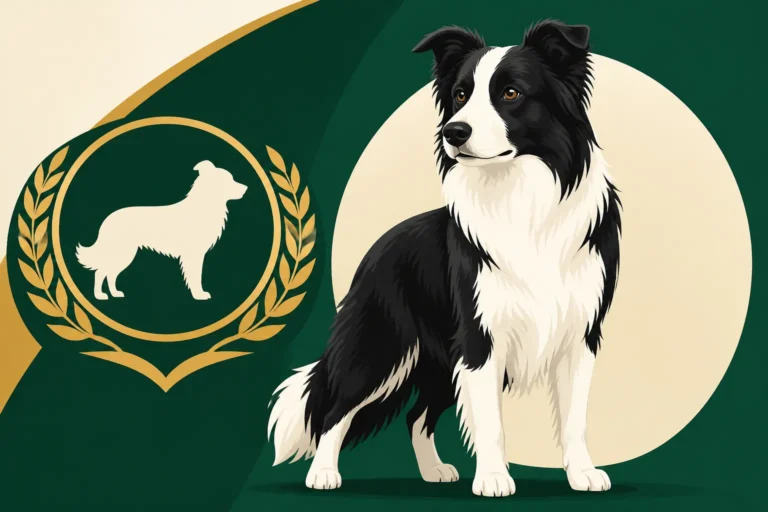
What the ABCA Requires of a Border Collie
Finding a reputable Border Collie breeder can feel like navigating a maze, especially when you encounter different registration bodies and their sometimes conflicting philosophies. Many hopeful owners are left wondering what "registered" even means when it comes to this incredibly intelligent and driven breed. This guide aims to clear up the confusion surrounding the American Border Collie Association (ABCA) and what they genuinely require of a Border Collie, helping you understand their deep commitment to preserving the breed's working heritage.
Understanding the ABCA Philosophy: Beyond Just Papers
When you start researching Border Collies, you'll quickly encounter the ABCA, and it's essential to understand that they operate from a very specific and deeply rooted philosophy. Unlike many other breed registries, the ABCA's primary focus isn't on a dog's appearance or how well it conforms to a visual standard. Their concern is, and always has been, the preservation of the Border Collie as a supreme working sheepdog.
The Core Focus: Working Ability
The heart of the ABCA's mission lies in working ability. They believe that the true essence of a Border Collie is its natural talent and drive to herd livestock effectively and intelligently. For them, a Border Collie isn't just a pet, a show dog, or a sport dog; it is, first and foremost, a working partner with an unparalleled instinct for sheep. This means that when you delve into ABCA registration, you're not just looking at a piece of paper; you're looking at a lineage bred for generations to excel in the field. This commitment to working lines explains Why Working Breeders Fought AKC Recognition so fiercely when the American Kennel Club decided to recognize the breed for conformation showing.
This philosophy impacts everything from breeding decisions to how dogs are evaluated. Breeders who register with the ABCA are typically breeding dogs that have proven their worth on stock, whether on a working farm or in competitive sheepdog trials. They prioritize traits like herding instinct, biddability, intelligence, and stamina—the very qualities that make a Border Collie an invaluable asset to a shepherd. They are less concerned with things like ear set, tail carriage, or precise color patterns, as long as the dog is sound and capable of performing its job. For owners seeking a dog with intense drive and trainability for tasks beyond just sitting pretty, this focus on working ability is a significant draw. It means you're more likely to get a dog that truly embodies the breed's historical purpose.
"Registered on Merit" and Its Meaning
One of the most unique aspects of the ABCA is its "Registered on Merit" program. This isn't just a fancy phrase; it's a testament to their unwavering commitment to working ability. The ABCA understands that not every fantastic working dog will have a perfectly documented pedigree tracing back through generations of registered parents, especially in the early days of the registry or in cases where dogs were imported from less formally documented working lines. Because their emphasis is on what the dog can do, rather than just who its parents were, they created a pathway for unregistered dogs to gain recognition.
So, what does "on merit" truly signify? It means that an unregistered Border Collie can be observed and evaluated by an experienced ABCA member, typically a seasoned sheepdog trialist or handler, to assess its natural herding instinct and working ability. If the dog demonstrates the characteristic "eye," keenness, and intelligence of a Border Collie working stock, it can be registered even if its lineage isn't fully known. This process helps ensure that valuable working genetics aren't lost simply due to a lack of paperwork. It’s a pragmatic approach that values function over form, and it underscores the ABCA's dedication to preserving the working dog above all else. You can read more about this in How Border Collies Are Registered on Merit. This unique feature truly sets the ABCA apart, demonstrating that they put their money where their mouth is when it comes to valuing a dog's intrinsic talent for herding.
Specific Requirements for ABCA Registration
While the ABCA prioritizes working merit, there are still clear, systematic requirements for registration, especially for puppies born to already registered parents. These requirements are in place to maintain the integrity of the registry and ensure accurate lineage tracking, all while staying true to their working dog philosophy.
Proving Parentage and Pedigree
For a Border Collie puppy to be registered with the ABCA, the most fundamental requirement is that both its sire (father) and dam (mother) must already be ABCA registered. This chain of registration is crucial for maintaining the breed's documented lineage within the working community. When you look at an ABCA pedigree, you're looking at generations of dogs whose working ability has been either proven or is clearly within a proven line. Responsible breeders will always be transparent about this, and you should always feel comfortable Asking a Border Collie Breeder for Test Results and pedigree information.
In addition to both parents being registered, the ABCA often requires DNA verification for parentage, especially in cases where there might be any question or if the breeder wants to ensure absolute accuracy. This involves submitting DNA samples from the parents and puppies, which are then used to confirm that the listed sire and dam are indeed the biological parents. This adds another layer of security and accuracy to the registry. If a dog has one unregistered parent but demonstrates exceptional working ability, it may still be eligible for "Registration on Merit" as discussed earlier, but this is a more involved process than simply registering a puppy from two already-registered parents. It's about maintaining a robust, verifiable record of working lines.
Litter Registration and Timelines
Breeders intending to register a litter with the ABCA have specific procedures and timelines they need to follow. Typically, once a litter is born, the breeder must submit a litter registration application, providing details about the parents, the date of birth, and the number of puppies. This usually needs to be done within a certain timeframe after the puppies are born to ensure that the process is initiated promptly.
Upon successful litter registration, the individual puppies then become eligible for their own individual ABCA registrations. When you purchase a Border Collie puppy from an ABCA-registered breeder, you should expect to receive either the registration papers directly or the necessary application forms to complete the registration in your name. This documentation is important for validating your dog's lineage and ensuring that if you ever choose to breed your dog (with careful consideration for health and working ability), its offspring will also be eligible for ABCA registration. Losing this paperwork can complicate things down the line, so it's wise to keep it safe. Always make sure you understand what comes with a Border Collie puppy at pickup from your breeder.
Age and Health Considerations
While the ABCA's registration process itself doesn't typically involve mandatory age requirements beyond a puppy being identifiable, or specific health tests for registration eligibility, the underlying philosophy strongly implies a commitment to breeding sound, healthy working dogs. A dog cannot perform demanding work for The Border Collie That Stays Sound Into Its Teens if it's plagued by debilitating health issues. Therefore, responsible ABCA breeders will undertake extensive health testing on their breeding stock.
Common health screenings include OFA (Orthopedic Foundation for Animals) or PennHIP evaluations for hip and elbow dysplasia, as these conditions can severely impact a Border Collie's ability to work. You can learn more about this in Hip and Elbow Scores in a Border Collie. Many breeders also perform genetic panels to screen for inherited diseases common in the breed, such as Collie Eye Anomaly (CEA), Neuronal Ceroid Lipofuscinosis (NCL), and Trapped Neutrophil Syndrome (TNS). The Border Collie Genetic Panel and What It Screens covers these in detail. While these aren't direct requirements for ABCA registration, they are considered best practices for ethical breeding within the working Border Collie community. A dog may be registered, but if it's genetically unsound or has significant structural issues, a responsible breeder wouldn't use it in their program. The goal is to produce healthy, long-lived working partners.
Distinguishing ABCA from Other Registries
The world of dog registries can be a bit of a labyrinth, especially for breeds like the Border Collie that have seen different philosophical paths emerge over time. Understanding what truly sets the ABCA apart from other organizations, most notably the American Kennel Club (AKC), is crucial for any potential Border Collie owner or enthusiast.
The AKC vs. ABCA Divide
The most significant distinction for the Border Collie lies in the fundamental difference between the ABCA and the AKC. The ABCA was established with the sole purpose of preserving the Border Collie as a working stock dog, maintaining its instincts, intelligence, and physical soundness for herding. Their criteria for registration and breeding selection revolve entirely around proven working ability. The ABCA believes that focusing on conformation (a dog's appearance and adherence to a physical standard) can dilute the working traits that define the breed. This conviction is why the ABCA strongly objected to the AKC's recognition of the Border Collie in 1995. They feared that a focus on show ring aesthetics would inevitably lead to a decline in the breed's working drive and utility.
The AKC, on the other hand, registers dogs primarily based on pedigree and adherence to a written breed standard that details physical characteristics. While the AKC does offer performance events, its core registration model supports conformation showing. For the AKC, a Border Collie is a dog that looks a certain way, and its working ability is secondary or even optional. This difference is stark: one prioritizes function, the other form. The two organizations essentially represent different philosophies on what constitutes a "true" Border Collie, leading to distinct lines of dogs that, while genetically related, have been bred for different purposes over the past few decades. This divergence explains why you'll hear about "working line" Border Collies versus "show line" Border Collies, though many working breeders resent the implication that their dogs aren't also beautiful.
Implications for Owners and Breeders
For prospective owners, understanding this divide is paramount. If you're looking for a dog with intense drive, an undeniable urge to herd, and the mental prowess to learn complex tasks, an ABCA-registered Border Collie from proven working lines is generally what you're seeking. These dogs are often incredibly athletic and require a significant outlet for their mental and physical energy. They might be bred for specific traits like a strong "eye," biddability, or endurance, all geared towards stock work. If you plan to engage in sheepdog trials or even just rigorous dog sports like agility, a dog from this lineage is often a better fit. You can observe their natural talent at What Happens at a Sheepdog Trial With a Border Collie.
For breeders, the choice between registries dictates their entire breeding program. ABCA breeders will select breeding stock based on their performance on sheep, their temperament under pressure, and their ability to produce offspring with similar working qualities. Pedigrees will be scrutinized for working champions and proven producers. AKC breeders, while many are still committed to health and temperament, will also place emphasis on a dog's conformation to the breed standard, aiming for qualities that judges reward in the show ring. This isn't to say one is inherently "better" than the other, but they are undeniably different in their goals and outcomes for the breed. If you get a puppy from an ABCA breeder, expect conversations centered around stock work, drive, and mental stimulation, and less about whether its markings are symmetrical or its tail curls just so. For all Border Collies, regardless of registry, Chewy offers a wide range of toys and supplies perfect for their active lifestyles.
Practicalities for Current and Future Border Collie Owners
Navigating the world of Border Collie ownership, especially when considering different registration bodies, can be a lot. It's not just about getting papers; it's about understanding what those papers represent and whether that aligns with your lifestyle and expectations for your dog.
Locating an ABCA-Registered Border Collie
If the ABCA's emphasis on working ability resonates with you, and you're seeking a Border Collie with strong herding instincts and the inherent drive the breed is famous for, finding an ABCA-registered dog is a great starting point. The best way to locate such a dog is to connect with reputable breeders who are actively involved in working stock or competitive sheepdog trials. Many ABCA members participate in events sanctioned by organizations like the United States Border Collie Handlers' Association (USBCHA), and their websites or club directories can often point you toward active breeders.
You might also find these breeders through word-of-mouth within the herding community or by attending local stock dog trials. When you contact a breeder, don't hesitate to ask about their dogs' working pedigrees, whether the parents are titled in herding, and if you can see the parents work, even if it's just a demonstration. Reputable breeders will be proud to share this information and often have waiting lists for their puppies. They'll also provide you with the necessary paperwork for your puppy's individual ABCA registration. Remember, a good working breeder is concerned with placing their pups in appropriate homes, so expect thorough questions about your lifestyle and plans for the dog. Understanding What a Border Collie Puppy Costs From a Working Breeder can also help set your expectations financially.
When ABCA Registration Might Not Be Your Top Priority
Now, let's be realistic. Not every person who falls in love with a Border Collie intends to herd sheep, or even compete in high-level dog sports. For many, a Border Collie is a beloved family companion, an active hiking buddy, or a dog they want to train in obedience or agility for fun. In these cases, while good breeding (focused on health and temperament) is always important, strict ABCA registration might not be your absolute top priority.
If your primary goal is a well-adjusted, healthy pet, and you're not planning on working livestock, you might find wonderful dogs from breeders who prioritize different aspects (like producing calmer temperaments for pet homes, while still ensuring health checks). Or, you might even consider a Border Collie from a rescue organization. Rehoming the Border Collie a Family Could Not Keep Up With is a common scenario, and many rescues are filled with bright, active dogs looking for a second chance. The key is to find a dog whose energy levels and inherent drive match what you can realistically provide. A Border Collie, regardless of its registration status, needs significant mental and physical exercise daily. Even if it's not herding, you'll want to provide engaging activities, and Chewy has plenty of puzzle toys and durable fetch balls to keep their brilliant minds and bodies occupied. The "papers" alone don't make the dog; the genetics, early rearing, and continued training and management are what truly shape your Border Collie.
Here's a comparison to help clarify the main differences between ABCA and AKC registration philosophies for Border Collies:
| Feature | ABCA (American Border Collie Association) | AKC (American Kennel Club) |
|---|---|---|
| Primary Focus | Preservation of working stock dog ability | Preservation of breed type (conformation) and health/temperament |
| Registration Basis | Proven working ability and documented working pedigree | Documented pedigree from AKC-registered parents and breed standard |
| "Registered on Merit" | Yes, allows unregistered working dogs to enter the registry | No, requires direct descent from AKC-registered parents |
| Conformation Showing | Discouraged, seen as detrimental to working traits | Supported and central to breeding programs for many members |
| Breeding Selection | Based on proven herding ability, biddability, and soundness | Based on adherence to physical breed standard, health, and temperament |
| Health Tests (for registration) | Not explicitly mandated for registration, but highly expected by ethical breeders for soundness in working dogs. | Not explicitly mandated for registration, but highly recommended by ethical breeders. Many AKC breeders do extensive health testing. |
| Goal for the Breed | To maintain the Border Collie as the premier working sheepdog | To maintain a consistent breed standard for exhibition and companionship |
Remember, your choice of registry or breeder ultimately reflects what you're looking for in your canine companion. Both organizations have dedicated people, but their guiding principles for the Border Collie differ significantly. Whether you choose an ABCA-registered dog or another, always prioritize health, temperament, and a clear understanding of the breed's needs.
Disclaimer
This article is for general informational purposes only and does not constitute professional advice. Laws, prices and regulations vary by location and change over time. Consult a qualified professional for guidance on your specific situation.