What Judges Score on a Border Collie’s Lift
A Border Collie’s lift is the moment sheep begin moving under the dog’s influence, and it can shape how a judge views the whole run. It is not simply a fast start or a dramatic chase. This guide explains what judges watch for, how the lift fits into a sheepdog trial, and why calm, controlled work often matters more than speed.
What the lift means in a sheepdog trial
From the outrun to the first contact
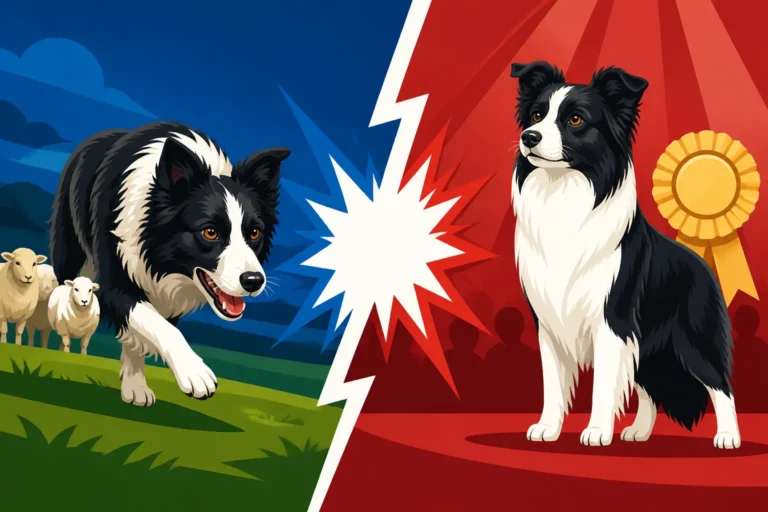
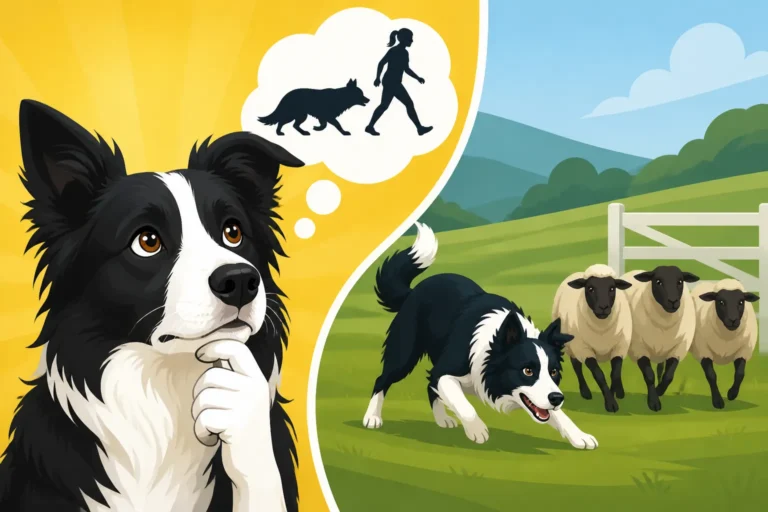
A typical trial run begins with the dog sent away from the handler to gather sheep positioned at a distance. The dog travels around the flock on an outrun, ideally without cutting in too tightly or causing the sheep to scatter. The lift follows: the dog approaches the sheep and begins to influence their movement toward the handler.
That transition is important. The dog has to change from moving around the sheep to working them in a way that gets them moving in the intended direction. A clean lift looks like a considered arrival and a controlled response from the flock, not a dog charging straight at them. The run’s earlier approach matters because the dog’s line, pace, and distance can all affect how the sheep react at first contact. For a closer look at that earlier stage, see The Outrun a Border Collie Runs at a Trial.
The precise course and scoring language vary between trials and rule systems, so there is no single universal description of how many points a lift is worth. Still, judges generally assess whether the dog takes control effectively and whether its actions help the sheep move in an orderly way. To place the lift in the context of an entire run, read What Happens at a Sheepdog Trial With a Border Collie.
What judges look for as the sheep start moving
Judges are watching both the dog and the sheep. They may consider whether the dog approaches with suitable pace, whether it gives the flock enough room, and whether the sheep respond in a relatively calm and directed way. A good lift is often quiet enough that an unfamiliar spectator might miss how much skill it takes.
The ideal response depends on the sheep. Some flocks move readily; others are slower, more anxious, or inclined to break away. A dog that works well adjusts to the situation instead of relying on a single approach every time. The judge is not simply asking, “Did the sheep move?” The more useful question is whether the dog’s approach made that movement controlled and set up the next part of the course.
A lift can also reveal how the dog handles pressure. Too much pressure may cause sheep to bolt, split, or turn away. Too little influence may leave them standing or drifting unpredictably. The goal is not to make the flock move at maximum speed. It is to establish enough control to begin the fetch in a workable line.
How a lift is judged
Control, balance, and the sheep’s response
A judge may assess whether the dog reaches a position that encourages the sheep to move toward the handler, rather than pushing them off course. This is where balance matters: the dog’s position in relation to the flock and handler influences the direction the sheep travel. A dog that is too far to one side may send them across the field; one that gets too close may make them scatter.
Good control is not the same as holding the sheep still. The dog needs to create movement while keeping the flock together and on the intended route. Watch for sheep that move as a group, with the dog maintaining influence without repeatedly rushing in or darting from side to side. Small adjustments can be more effective than a dramatic burst of speed.
A judge also sees the lift as part of a continuing run. If the sheep leave the starting point in a poor line, the dog and handler may have difficulty correcting them during the fetch. If they move calmly in the right direction, the team has a stronger foundation for what follows. For later course elements, see The Shed and Pen at the End of a Border Collie's Run.
How mistakes can affect the score
A rushed approach may startle sheep into running too quickly or breaking apart. A dog that closes the distance abruptly can appear to have less control, even if the flock eventually moves in the right direction. By contrast, a dog that hangs back too much may fail to influence sheep that need encouragement. These problems can affect the lift itself and complicate the fetch that follows.
The judge’s assessment is not usually based on one isolated movement. They see the lift in context: how the dog approached, what the sheep did, how the dog responded, and whether the team recovered from any difficulty. A brief wobble is not automatically the end of a good run. A dog that notices a problem and makes a measured correction may still demonstrate useful control.
The score is also shaped by the flock and conditions. Sheep may be unsettled by wind, noise, footing, or the activity around the field. A handler cannot choose the flock’s mood on the day, and a dog may have to adapt on the fly. That is one reason spectators should avoid judging a run by speed or appearance alone. The same lift can look different with different sheep.
| What the judge may notice | A controlled lift | A lift that may create difficulty |
|---|---|---|
| Dog’s approach | Deliberate pace and suitable distance | Rushing in or closing too abruptly |
| Sheep’s movement | Flock starts moving in a useful direction | Sheep scatter, split, or bolt |
| Dog’s position | Maintains influence and balance | Drifts off balance or crowds the flock |
| Response to problems | Makes measured adjustments | Adds pressure or loses control |
| Effect on the run | Sets up a workable fetch | Makes the next section harder |
What makes a lift look quiet and controlled
Pace, distance, and reading the flock
A quiet lift does not necessarily mean a slow one. It means the dog’s pace fits the sheep and the task. A confident dog may need to move briskly to influence a reluctant flock, while a sensitive group may need a softer approach. Judges value effective control, not a particular speed that looks impressive from the sidelines.
Distance is part of that judgment. A dog that gets too close can put excessive pressure on the sheep; one that remains too far away may not have enough influence to start them. Skilled work often involves subtle changes in position and pace. The dog reads the flock’s response, then adjusts instead of blindly repeating the same movement.
This is why experienced handlers spend time developing calm work around stock rather than only practicing fast runs. The goal is a dog that can approach, notice what the sheep are doing, and respond appropriately. For more on developing that skill, see Teaching a Border Collie to Lift Sheep Quietly and Steadying a Border Collie That Rushes Stock.
Why dramatic movement is not always better
From outside the field, a quick burst or wide sweep may look like confidence. But if it causes the sheep to run away from the intended line, the spectacle has not helped the team. The judge is watching the result of the dog’s decisions, not just how energetic those decisions appear.
Likewise, a dog that pauses or makes a small adjustment is not necessarily uncertain. A short pause may allow the sheep to settle or give the dog time to regain a useful position. The important distinction is whether the dog remains engaged and able to influence the flock. Repeated hesitation that leaves the sheep unmanaged is different from a purposeful, controlled adjustment.
Young dogs may be more likely to rush, overreact, or find the work exciting. Their experience level and the trial class matter when interpreting what you see. If you are learning how novice dogs are introduced to competition, The Nursery Class a Young Border Collie Starts In offers useful context.
Watching a lift as a handler or spectator
What to observe during a run
Try watching the sheep as closely as you watch the dog. Notice whether they remain together, when they begin moving, and whether their movement follows the intended direction. Then look at the dog’s position: does it maintain influence without crowding them? This gives you a better sense of the lift than simply deciding whether the dog looked fast or confident.
It can also help to follow the run in sequence. First, consider the dog’s approach. Next, watch the first response from the sheep. Finally, see whether the dog’s actions make the fetch easier or harder. A strong lift is valuable partly because it gives the team a good start, but it does not guarantee a flawless run afterward.
If you are attending a trial, bring ordinary field-day essentials and keep them separate from anything used around livestock. A secure crate, water bowl, and waste bags can make the day more comfortable for your own dog. Some handlers check retailers such as Chewy when gathering routine travel supplies, while others prefer a local shop or farm supplier. Chewy may also be one option for looking for a familiar crate mat or replacement bowl, but the best choice is the equipment that fits your dog and vehicle safely.
Learning without mistaking one run for a rule
Watch several dogs work the same course if you can. Differences in the sheep’s behavior become easier to notice, and you can see how different dogs adjust to the same challenge. A lift that appears effortless may reflect careful training, a cooperative flock, or both; a difficult lift does not automatically tell you everything about a dog’s ability.
If you are considering trialing with a pet Border Collie, remember that interest in sheep is only one piece of the picture. Training, reliable control, suitable instruction, and safe handling matter. A qualified stockdog trainer can help assess readiness and explain how to introduce a dog to livestock responsibly. For a broader overview, see Whether a Pet Border Collie Could Ever Trial.
Spectators should also give working dogs and sheep room. Keep dogs secured and well away from the course unless the event’s rules say otherwise. A calm viewing area is safer for the flock and helps handlers focus. Chewy is one place some owners look for everyday travel basics such as water containers or waste bags, but event-specific requirements should always come from the trial organizers. Having those simple details sorted can reduce distractions, leaving you free to watch how the dog handles the lift.
Disclaimer
This article is for general informational purposes only and does not constitute professional advice. Laws, prices and regulations vary by location and change over time. Consult a qualified professional for guidance on your specific situation.