Teaching a Border Collie to Lift Sheep Quietly
One of the most common frustrations for new Border Collie handlers, or even seasoned ones taking on a new dog, is a dog that crashes into the sheep with too much speed and excitement. Instead of a controlled, thoughtful gather, you end up with a scattered flock and a frustrated dog. This guide will walk you through the nuanced process of teaching your Border Collie to execute a quiet, effective lift, setting the foundation for truly harmonious stock work.
Understanding the Border Collie's Natural Instinct to "Lift"
Border Collies possess an incredible, almost primal, instinct to gather and move stock. This drive is what makes them such exceptional working partners. However, without careful guidance, that raw instinct can easily tip over into over-excitement, leading to a loud, fast, and ultimately ineffective "lift."
The Raw Urge vs. Controlled Work
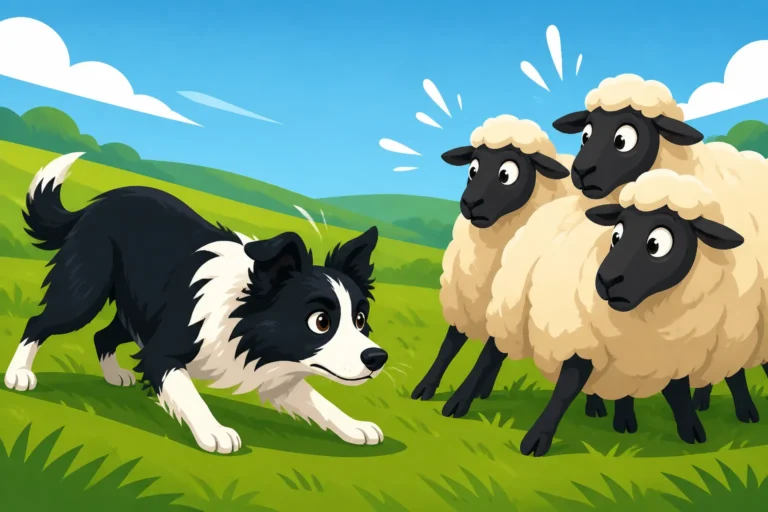
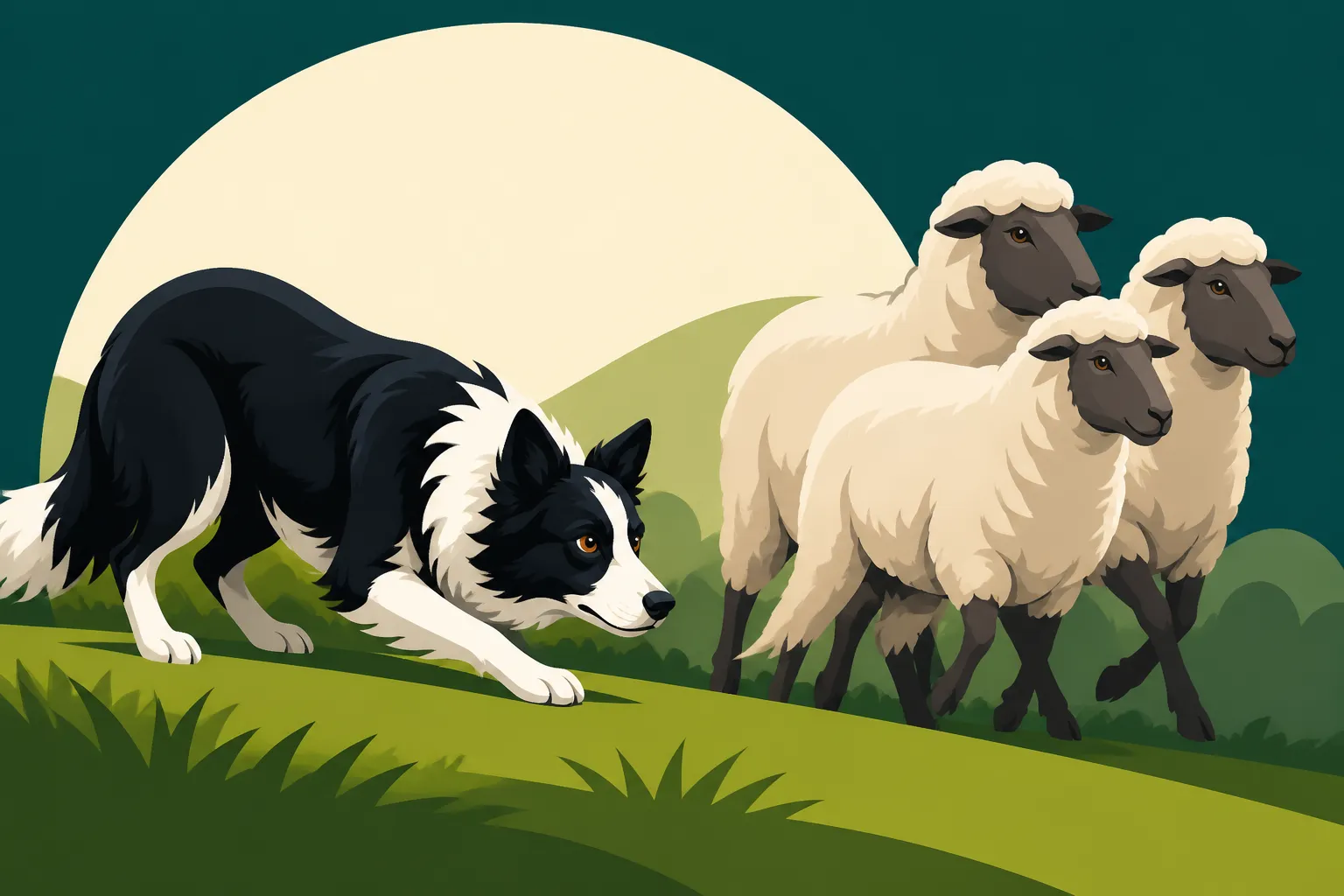
Imagine a young Border Collie pup, perhaps just six or seven months old, seeing sheep for the first time. Their eyes might lock on, their body drop into a crouch, and a low growl might rumble in their chest. This is pure, unadulterated instinct. They want to move those sheep, and often, their first inclination is to rush in, creating chaos rather than control. This intense desire, often called "drive" or "eye," is a double-edged sword. It's what makes them special, but it also needs channeling.
The "lift" itself is the initial act of moving the sheep away from their resting place or a boundary and bringing them calmly towards the handler. A good lift is smooth, subtle, and inspires confidence in the sheep, encouraging them to move as a cohesive unit. A bad lift is explosive, causing sheep to break and run, often with the dog chasing individual animals rather than gathering the flock. Your job, as the handler, is to take that raw, powerful urge and sculpt it into a refined, controlled action. It’s a bit like teaching a wild artist to use a delicate brushstroke – the passion is still there, but the execution becomes masterful.
Why a Quiet Lift is Crucial
A quiet lift isn't just about looking good; it's fundamental to effective and humane stock work. When a Border Collie rushes the sheep, several problems arise. Firstly, it stresses the sheep, making them scatter and less willing to be handled. Stressed sheep are harder to gather, prone to injury, and their overall well-being can be compromised. Secondly, a rushing dog is often out of position, making it difficult to maintain control or execute further commands like a flank or stop. The dog becomes reactive rather than responsive.
Furthermore, a quiet lift builds trust between the dog and the sheep. When the dog approaches calmly and with respect, the sheep are more likely to move cooperatively. This makes everything that follows — driving, penning, shedding — infinitely easier and less stressful for everyone involved. Think of it as setting the tone for the entire working session. A calm start leads to a calm continuation. This controlled approach also teaches the dog patience and precision, which are invaluable qualities for any working Border Collie. It shows them that their power is best applied with thought, not just brute force.
Foundations for a Quiet Lift: Before Touching Stock
Before you even dream of putting your Border Collie on sheep, you need to establish a rock-solid foundation of obedience and communication on flat ground. Rushing on sheep is often a symptom of lacking control off-sheep.
Building a Strong "Walk Up" and "Stop"
The "walk up" command, or "come up" as it's sometimes called, is essential. This is where your dog moves directly towards the stock, or towards a designated point, in a controlled manner. It's not a race; it's a measured advance. Practice this command diligently on flat ground first, without any sheep present. Use a long line, perhaps a 30-foot training lead you can find on Amazon, to guide your dog. Start by having your dog sit or lie down a short distance away, then give the "walk up" command while you slowly walk backward, encouraging a calm, forward motion. Reward even the slightest display of controlled movement. The goal is for your dog to understand that "walk up" means move forward calmly, not charge ahead.
Equally, if not more, important is a bulletproof "stop" command, often "lie down" or "down." This command needs to be instantaneous, regardless of what's happening around your dog. Many handlers start by teaching a Border Collie to lie down first because it establishes a fundamental control. Practice this everywhere: in the yard, on walks, with distractions. When your dog is moving, issue the "stop" command, and expect them to drop immediately. Use your long line to reinforce this if needed. The ability to stop your dog mid-action is your ultimate safety net and control mechanism when they're working sheep. Without a reliable stop, you're constantly at the mercy of their impulse. Imagine a situation where your dog is getting too hot or too excited; a solid stop can prevent an accident or an overblown reaction.
The Importance of Handler Calmness and Communication
Dogs, especially intelligent and sensitive breeds like Border Collies, are incredibly attuned to their handler's emotions. If you are anxious, frustrated, or tense, your dog will pick up on that and likely reflect it in their work. A quiet lift starts with a quiet handler. Speak in calm, clear tones. Your body language should be relaxed but purposeful. Avoid shouting or making sudden, sharp movements, which can only escalate your dog's excitement. Remember, you're trying to project control and confidence, not panic.
Think of yourself as the steady anchor in your dog's sometimes-frenzied world. Your commands should be consistent, both in their wording and your expectation. If you sometimes let your dog rush and other times correct them fiercely, they'll become confused and insecure, which often manifests as even more erratic behavior. Enroll in a good online training program, like those offered by BAXTER & Bella, that emphasizes clear, consistent communication and building a strong relationship with your dog. This kind of program can help you refine your handling skills long before you step foot in a sheep pen. Consistent practice of basic commands, especially your recall and That'll Do and Ending a Border Collie's Work, will pay dividends when you introduce them to livestock.
Introducing Your Border Collie to the Lift (with Stock)
Once you have those flat-ground foundations, it's time to carefully introduce your Border Collie to sheep. This stage requires immense patience and a meticulous approach to prevent bad habits from forming.
Setting Up the Environment for Success
The environment is everything when teaching a quiet lift. You want a small, controlled pen, ideally round or oval, with just a few calm, "dog-broke" sheep. These are sheep that are used to dogs and won't panic or run wildly at the first sight of a Border Collie. Using flighty or aggressive sheep at this stage is a recipe for disaster. The pen should be secure, with no escape routes, allowing you to focus on your dog's behavior without worrying about losing the flock.
Initially, you might even consider using a long line on your dog in the pen, or working through a fence line, just to manage their initial bursts of enthusiasm. Think of it as a controlled simulation. You're giving your dog the experience of seeing and wanting to move sheep, but you're providing guardrails to keep that instinct in check. The goal is to set your dog up to succeed, not to overwhelm them. The First Time a Border Collie Meets Sheep should always be a positive, controlled experience.
Guiding the First Gentle Approaches
When you introduce your Border Collie to the sheep, start with minimal pressure. Don't send them in with a big, enthusiastic "Go on!" Instead, encourage a slow, deliberate approach. You might walk in with your dog on a leash at first, or guide them with a quiet "walk up" command. The moment you see them start to gather themselves, to focus, but before they launch into a full rush, give your quiet verbal cue to continue.
As they approach the sheep, watch their body language closely. If they start to get too low, too intense, or speed up, immediately give your "stop" command. Let them settle, take a breath, and then release them with a quiet "walk up" again. It's a dance of pressure and release. You're teaching them that the only way to get to move the sheep is by doing so calmly and under your direction.
The initial goal isn't to move the sheep across the field. It's simply to have your dog approach the sheep, gather them into a loose bunch, and hold that position quietly for a moment before you ask for any further movement. Celebrate small successes. A brief, calm gather is far more valuable than a fast, out-of-control chase. Teaching a Border Collie to Walk Up is the first step to achieving that desired quiet movement.
Common Challenges and Troubleshooting a Rushing Lift
Even with the best preparation, Border Collies are powerful creatures, and their instincts can sometimes override their training. It's crucial to know how to respond when they get too excited.
When the Dog Gets Too Excited
It happens to the best of us: you've been working on a quiet lift, and suddenly, your dog lunges, scattering the sheep. Don't despair, but don't ignore it either. The key is to intervene immediately and consistently.
- Immediate Stop: The second your dog breaks into a rush, give your "stop" command firmly and clearly. Don't wait for them to chase a dozen sheep around the pen. The quicker you interrupt the unwanted behavior, the clearer the message.
- Remove Pressure: If they don't stop, or if they're too amped up to process the command, physically remove them from the situation. This might mean walking in, catching their lead, or simply taking them out of the pen for a few minutes to cool down. It’s not a punishment, but a removal of the opportunity to practice the wrong behavior.
- Regroup and Restart: Once they've settled, take a moment. Have them lie down beside you. Take a few deep breaths yourself. Then, calmly reintroduce them, starting from square one with a slow "walk up." This repetition, done correctly, reinforces that calm behavior earns access to the sheep, while rushing ends the fun. Steadying a Border Collie That Rushes Stock requires immense patience and quick intervention. Sometimes, using a different whistle tone or a softer voice can help break their fixation and bring them back to you.
Refining the Lift with Consistent Feedback
Consistent, clear, and timely feedback is paramount. Your Border Collie needs to understand exactly what you want.
- Praise Quietly: When your dog performs a beautiful, calm lift, praise them immediately with a quiet, approving tone. Over-the-top excitement from you can accidentally fuel their excitement. A calm "good dog" or a gentle stroke reinforces the calmness of the action.
- Correct Calmly: When they rush, correct them calmly but firmly, as described above. Avoid anger or frustration, which only adds stress to the situation. Your dog should see you as a clear guide, not an unpredictable tyrant.
- Vary the Starting Point: Once they're reliably doing a quiet lift in a small pen, start to vary your starting points and distances. This helps generalize the behavior so they don't only do it quietly from one specific spot. You might begin with them further from the sheep, requiring a longer, controlled "walk up."
- Focus on the Flank: A good lift often transitions into a smooth flank (moving the dog around the sheep). By encouraging a quiet lift, you set your dog up to be in a better position to respond to subsequent flank commands, like What Come Bye Means to a Border Collie or What Away to Me Means to a Border Collie. The whole sequence relies on that initial calm approach.
- Short Sessions: Keep your training sessions short, especially in the beginning. Border Collies are smart and can get bored or overstimulated if sessions drag on. Ten to fifteen minutes of focused, high-quality work is far more effective than an hour of sloppy, repetitive drills. Always end on a positive note, even if it's just one perfect, quiet lift. This builds their confidence and keeps them eager for the next session.
Teaching a Border Collie to lift sheep quietly is a cornerstone of good stock work. It demands patience, consistency, and a deep understanding of your dog's instincts, but the reward is a truly magnificent working partnership.
Disclaimer
This article is for general informational purposes only and does not constitute professional advice. Laws, prices and regulations vary by location and change over time. Consult a qualified professional for guidance on your specific situation.