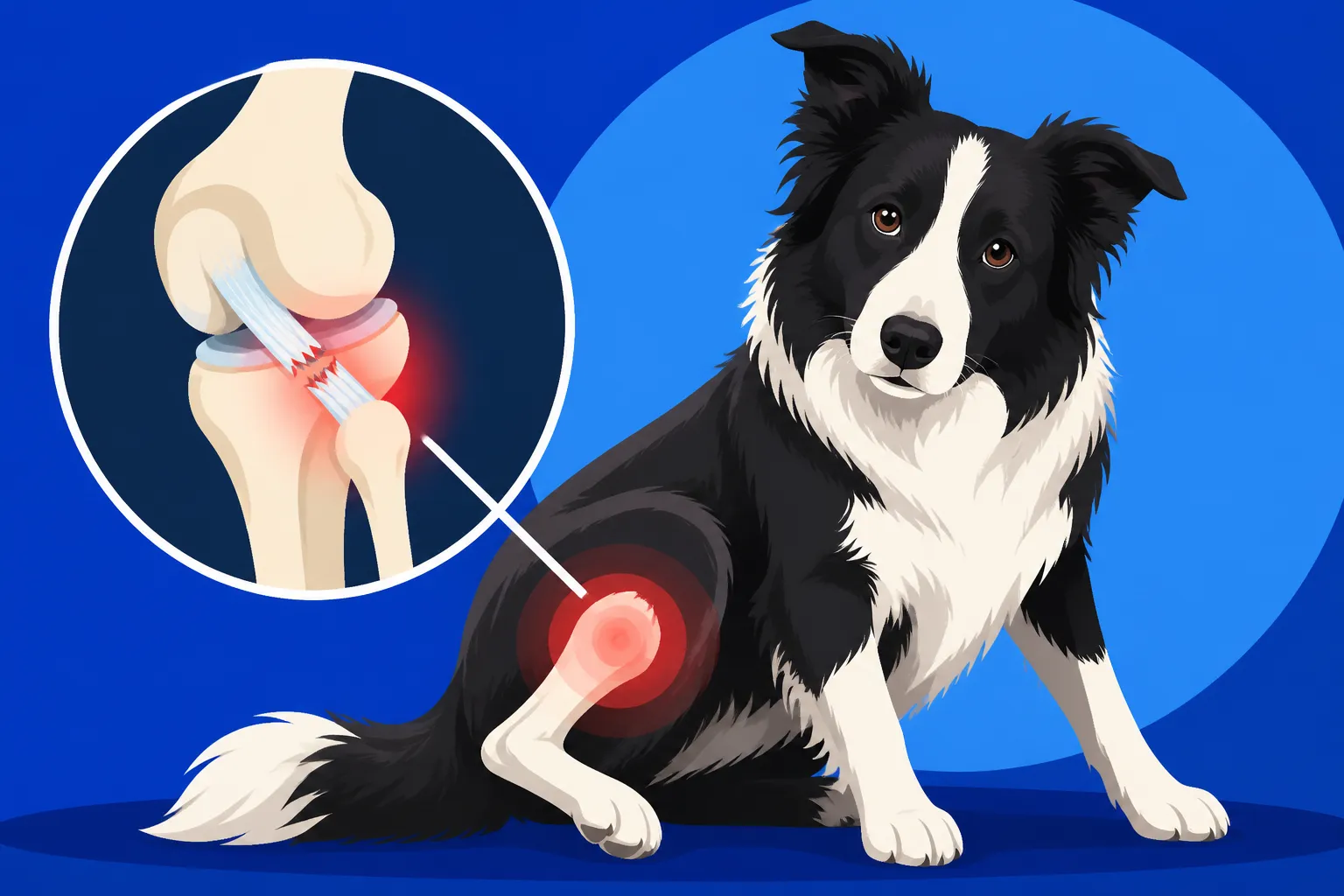
Cruciate Tears in a Border Collie
There's nothing quite as heart-stopping for a Border Collie owner as seeing their incredibly athletic dog suddenly pull up lame, holding a back leg off the ground, or struggling to bear weight. When your tireless companion, who lives for movement and work, is brought to a standstill, it’s a deeply worrying and often frightening experience. This comprehensive guide will walk you through everything you need to know about cruciate tears in Border Collies, from understanding the injury itself to diagnosis, treatment options, and the road to recovery, aiming to empower you with knowledge and support during a challenging time.
Understanding the Canine Cruciate Ligament
To truly grasp the impact of a cruciate tear, we first need to understand what this vital structure is and how it functions within your Border Collie's body. It's not just a random piece of tissue; it's a critical component of one of the most complex and heavily used joints in their entire skeletal system.
The Anatomy of the Stifle (Knee) Joint
Imagine your Border Collie's knee, or "stifle" joint, as a sophisticated hinge. This joint connects the femur (thigh bone) to the tibia (shin bone). Within this intricate setup, there are several key players: two menisci (C-shaped pieces of cartilage that act as shock absorbers), collateral ligaments on either side for lateral stability, and, crucially, two cruciate ligaments located inside the joint. These internal ligaments cross over each other – hence "cruciate," derived from the Latin word crux, meaning cross. One is the caudal (rear) cruciate ligament, and the other, the more commonly injured one, is the cranial (front) cruciate ligament.
The entire joint is enveloped by a joint capsule, which produces synovial fluid to lubricate and nourish the cartilage, allowing for smooth, pain-free movement. When all these components work in harmony, your Border Collie can perform those breathtaking turns, leaps, and sprints that are so characteristic of the breed. However, a problem with even one of these elements can throw the whole system into disarray.
The Role of the Cranial Cruciate Ligament
The cranial cruciate ligament (CrCL) is the primary stabilizer of the stifle joint, preventing two main types of abnormal motion. Firstly, it stops the tibia from sliding forward underneath the femur, a motion often referred to as "cranial tibial thrust" or "drawer motion." Think of it like a taut rope holding two planks of wood together, preventing one from sliding off the other. Secondly, it helps prevent excessive internal rotation of the tibia. Without a functional CrCL, the joint becomes unstable, leading to pain, inflammation, and progressive damage to other structures within the knee, most notably the menisci.
For a Border Collie, whose life revolves around explosive bursts of speed, agility, and precise control over their movements, an intact and strong CrCL is non-negotiable. Activities like stopping on a dime, launching over an agility jump, or making a tight "come bye" command around sheep all place immense stress on this ligament. It's a testament to their incredible design that these ligaments hold up for so long, but unfortunately, they are also prone to wear and tear, eventually leading to partial or complete rupture.
How Cruciate Tears Happen in Border Collies
It's easy to assume a cruciate tear is always the result of a single, dramatic accident, but for many Border Collies, the reality is far more insidious. While acute trauma can certainly play a role, a significant number of these injuries are actually the culmination of a long-term degenerative process.
Common Causes and Predisposing Factors
While any dog can suffer a cruciate injury, Border Collies, due to their active lifestyles and genetic predispositions, are certainly at a higher risk. Often, these injuries are not just about a single wrong step; they're the result of a complex interplay of factors. Genetics can play a part, with some lines showing a higher incidence, although it's not as straightforward as a single gene. Conformation, meaning the way a dog is built, can also predispose them. For example, certain angles of the tibial plateau (the top surface of the shin bone) can put more stress on the CrCL.
Age is another factor; while younger dogs can tear their cruciates, it’s more common in middle-aged dogs, typically between three and seven years old, where chronic degeneration has had time to take its toll. Weight is also a huge player. An overweight Border Collie puts significantly more stress on all its joints, including the stifle, making a tear far more likely. Even a few extra pounds on a dog meant to be lean can make a difference. Sadly, the highly driven nature of Border Collies means they often push through discomfort, masking early signs of degeneration until a full rupture occurs.
Activities That Stress the Ligament
Border Collies are phenomenal athletes, excelling in demanding activities like herding, agility, flyball, and disc sports. These are precisely the kinds of movements that put tremendous strain on the CrCL. Imagine the force involved in a Border Collie executing a lightning-fast "away to me" turn, digging their hind limbs into the ground to pivot, or absorbing the impact of a landing from a high jump. These sudden stops, sharp changes in direction, explosive take-offs, and twisting motions are prime culprits for stressing and eventually tearing the ligament.
Many owners might observe their Border Collie developing Iliopsoas Strain in a Border Collie or other muscle strains before a full cruciate tear, as the body tries to compensate for underlying instability or weakness. The cumulative micro-traumas from years of high-impact work, even without a single catastrophic event, can weaken the ligament until a seemingly minor movement causes it to finally give way. This is why a well-conditioned dog, with appropriate warm-ups and cool-downs, is less likely to sustain these injuries, though even the fittest can be susceptible.
Acute Trauma vs. Degenerative Tears
While we often picture a dog yelping and immediately going three-legged after a misstep, this acute trauma scenario is only part of the story for cruciate tears. Yes, a Border Collie could slip on ice, land awkwardly from a jump, or get tangled during rough play, leading to a sudden, complete rupture. In these cases, the lameness is often severe and immediate.
However, a more common scenario, especially in breeds like the Border Collie, is a gradual, degenerative process. The CrCL slowly weakens and frays over time, often due to chronic inflammation, micro-traumas, or conformational issues. This might start as a partial tear, causing intermittent lameness that seems to come and go, perhaps manifesting as The Limp That Shows Up After a Border Collie Works or stiffness after lying down. Eventually, even a normal activity like stepping off the couch or turning quickly in the yard can cause the partially damaged ligament to completely rupture. This explains why some owners are baffled, saying, "He just jumped off the bed and suddenly couldn't put weight on it!" It wasn't the jump itself that caused it, but the straw that broke the camel's back on an already compromised ligament.
Recognizing the Signs of a Cruciate Tear
Being observant of your Border Collie's movements and behaviors is crucial for early detection of a cruciate tear. These dogs are incredibly stoic, and sometimes the signs can be subtle at first, especially if it’s a partial tear that progresses over time.
Subtle Early Indicators
Before the dramatic, non-weight bearing lameness sets in, there are often quieter clues that something isn't quite right. You might notice your Border Collie exhibiting a slight lameness after periods of rest, especially first thing in the morning or after a nap. They might seem a bit stiff when getting up, or take longer to settle into a comfortable position. Perhaps they're reluctant to jump into the car, use stairs, or even hop up on the sofa – things they usually do without a second thought.
Owners might also report a subtle favoring of one leg, or a slight shift in weight distribution when standing. You might notice them not pushing off as powerfully with the affected hind leg during a run or a game of fetch. Sometimes, they might just seem "off" or less enthusiastic about their usual activities, which, for a Border Collie, is a significant red flag. These subtle changes, while easy to dismiss as just "getting older" or "a bit sore," can be critical early warning signs of a developing partial cruciate tear.
Acute Lameness and Non-Weight Bearing
When a partial tear progresses to a complete rupture, or if an acute trauma causes an immediate full tear, the signs become much more dramatic and unmistakable. Your Border Collie will likely exhibit acute, severe lameness, often holding the affected leg up completely or just "toe-touching," barely putting any weight on it at all. The pain can be quite intense, and they might vocalize or flinch if you try to touch their knee.
You might observe visible swelling around the knee joint due to inflammation and fluid buildup. The dog will likely struggle significantly with basic movements like walking, standing, or shifting their weight. This is the point where most owners immediately recognize the seriousness of the injury and seek veterinary attention. It’s a frightening moment, watching your usually agile Border Collie unable to move freely.
The "Sitting Square" Sign
One particularly telling sign that veterinarians often look for, and that observant owners might notice, is what's commonly referred to as the "sitting square" or "stifle-out" sign. A healthy dog, when sitting, will tuck both hind legs neatly underneath their body, with their hocks (ankles) close to their rear end and their knees flexed.
However, a Border Collie with a cruciate tear in one stifle will often avoid fully flexing the painful knee. Instead, they will typically sit with the affected leg extended out to the side, rather than tucked under, trying to keep the stifle joint as straight as possible to minimize discomfort. They cannot sit in that characteristic "square" position because it puts too much strain on the injured ligament. This subtle but specific posture can be a strong indicator of a cruciate injury and is a helpful piece of information to share with your vet during the examination.
Diagnosis and Initial Management
Once you suspect a cruciate tear, getting to the vet promptly is paramount. A thorough examination and proper diagnosis are the first steps toward getting your Border Collie back on its feet, and understanding this process can help you feel more prepared.
Veterinary Examination and Palpation
Upon arrival at the veterinary clinic, your veterinarian will conduct a comprehensive physical exam, paying close attention to your Border Collie's gait and how they bear weight. They will carefully palpate, or feel, the affected stifle joint. The hallmark diagnostic tests for a cruciate tear are the "cranial drawer test" and the "tibial compression test" (also known as the tibial thrust test).
During the cranial drawer test, the vet will gently attempt to move the tibia forward relative to the femur while stabilizing the femur. If the CrCL is torn, the tibia will slide forward like a drawer opening, indicating instability. The tibial compression test involves flexing the ankle joint, which pushes the tibia forward; if the ligament is torn, the tibia will again move abnormally. These tests can sometimes be difficult on muscular or tense dogs, and in some cases, sedation might be needed to get an accurate assessment, especially if the dog is in a lot of pain. Detecting Cruciate Tears in a Border Collie early through these tests is crucial.
Radiographs and Advanced Imaging
While the cranial drawer and tibial compression tests are the primary ways to diagnose a cruciate tear, radiographs (X-rays) are also a vital part of the diagnostic process. X-rays won't directly show the ligament itself, as ligaments are soft tissue and don't show up on standard radiographs. However, they are incredibly useful for several reasons: they can confirm the presence of joint effusion (fluid buildup within the joint capsule), which is a common sign of inflammation associated with a tear. More importantly, X-rays help rule out other potential causes of lameness, such as fractures, bone tumors, or other orthopedic issues. They also allow the veterinarian to assess for early signs of osteoarthritis, which often develops quickly once the joint becomes unstable.
For partial tears, or in cases where the clinical tests are equivocal, more advanced imaging like an MRI (Magnetic Resonance Imaging) or CT scan might be recommended. These sophisticated imaging techniques can provide detailed views of soft tissues, allowing for a definitive diagnosis of a partial tear or other subtle joint pathologies that X-rays might miss. While these can be costly, they offer invaluable information for guiding treatment decisions, especially for a dog with a complex injury or one being considered for advanced surgical techniques. Your vet may even suggest these if a Border Collie has had Yearly Bloodwork for a Border Collie that shows markers of inflammation or other joint issues, prompting further investigation.
Immediate Pain Management and Restriction
Once a cruciate tear is diagnosed, the immediate priority is to manage your Border Collie's pain and prevent further damage to the joint. The veterinarian will typically prescribe anti-inflammatory medications, such as NSAIDs (non-steroidal anti-inflammatory drugs), to reduce pain and swelling. In some cases, stronger pain relief might be needed initially.
Crucially, strict activity restriction is immediately necessary. This means no running, jumping, playing, or off-leash activity – only short, controlled leash walks for potty breaks. Confining your Border Collie to a crate or a small, enclosed space within your home is usually recommended to limit movement and prevent exacerbating the injury. This period of rest, while challenging for an energetic Border Collie, is vital to minimize further trauma to the joint before a definitive treatment plan can be implemented. It also helps to settle the inflammation and reduce initial pain, making your dog more comfortable as you prepare for the next steps.
Treatment Options for a Border Collie's Cruciate Tear
When faced with a cruciate tear, deciding on the best course of action for your Border Collie can feel overwhelming. There are generally two main pathways: surgical intervention or conservative, non-surgical management. The choice often depends on the dog's size, age, activity level, the extent of the tear, and the owner's circumstances.
Surgical Interventions: TPLO and TTA
For active, medium to large breed dogs like Border Collies, surgical repair is almost always the recommended treatment, as it offers the best chance for a full return to function and minimizes long-term osteoarthritis development. Two of the most common and highly successful surgical techniques are Tibial Plateau Leveling Osteotomy (TPLO) and Tibial Tuberosity Advancement (TTA).
TPLO (Tibial Plateau Leveling Osteotomy): This is one of the most widely performed and effective surgeries for cruciate tears. Instead of trying to repair the torn ligament, the TPLO technique changes the biomechanics of the stifle joint. The surgeon makes a curved cut in the tibia (shin bone), rotates the top portion (tibial plateau), and secures it with a bone plate and screws. This rotation essentially "levels" the tibial plateau, neutralizing the cranial tibial thrust and making the torn ligament functionally irrelevant. The joint becomes stable without the need for the ligament, allowing dogs to return to high levels of activity. The success rate for TPLO is excellent, especially for active dogs who need to perform demanding physical tasks. For those considering getting their working dog back to peak performance, learning about Returning a Border Collie to Agility After TPLO is often a top priority.
TTA (Tibial Tuberosity Advancement): Similar to TPLO, TTA also alters the biomechanics of the joint. In this procedure, the surgeon makes a cut in the front part of the tibia (the tibial tuberosity), moves it forward, and secures it with a plate and screws. This advancement changes the angle of the patellar ligament, which in turn reduces the cranial tibial thrust, stabilizing the joint. TTA is another highly effective surgery, particularly for dogs with certain conformational characteristics. Both TPLO and TTA are complex orthopedic procedures that require specialized surgical skills and equipment, often performed by board-certified veterinary orthopedic surgeons. They involve a significant recovery period, but the long-term outcomes are generally very positive for returning Border Collies to an active life.
Lateral Suture (Extracapsular Repair)
Another surgical option, often considered a more traditional approach, is the lateral suture technique, also known as extracapsular repair. Unlike TPLO or TTA, which modify the bone, the lateral suture technique aims to mimic the function of the torn CrCL by placing a strong, non-absorbable suture material (often a monofilament nylon leader line) outside the joint capsule. This suture runs from the fabella bone behind the femur to a small tunnel drilled in the front of the tibia, effectively pulling the tibia back and preventing it from sliding forward.
This method provides initial stability, allowing time for natural scar tissue to form around the joint, which will eventually take over the stabilizing role. While less invasive than TPLO or TTA, it's generally considered less robust for large, active, or heavily muscled dogs like Border Collies. It may be suitable for smaller, less active dogs, or those with significant other health issues where a less aggressive surgery is preferred. For a high-drive Border Collie, however, the lateral suture may be more prone to failure or result in a less complete return to full function compared to the biomechanical altering surgeries. This method is typically less expensive but often carries a higher risk of persistent lameness or re-injury in highly athletic dogs.
Non-Surgical Management
While surgery is generally recommended for Border Collies, non-surgical or conservative management may be an option in very specific circumstances. This approach is typically considered for very small dogs, dogs with only a partial tear that is not causing significant instability, or dogs with severe underlying health conditions that make anesthesia and surgery too risky. It might also be chosen if financial constraints absolutely prevent surgery, though it's important to understand the significant implications of this decision for a Border Collie.
Conservative management involves a multi-faceted approach: strict rest and activity restriction for several weeks to months, often with crate confinement, pain medication, anti-inflammatory drugs, and a structured physical therapy program. Weight management is paramount, as every extra pound adds stress to the joint, making Keeping a Border Collie Lean Enough to Work even more critical. Joint supplements (such as glucosamine, chondroitin, and omega-3 fatty acids) are often prescribed to support joint health. While some dogs can improve with this approach, especially those with very minor partial tears, the vast majority of Border Collies with a complete cruciate rupture will develop chronic pain, lameness, and severe osteoarthritis if not surgically stabilized. The instability caused by a torn ligament often leads to meniscal tears and further joint degeneration, significantly impacting their quality of life and ability to engage in their characteristic activities. Pet insurance providers like Healthy Paws can often alleviate the financial burden of these costly procedures and long-term care.
Rehabilitation and Long-Term Recovery
Undergoing surgery is just the first major step in a cruciate tear journey. The rehabilitation period is equally, if not more, critical for ensuring a successful outcome and helping your Border Collie regain full strength and mobility. It's a marathon, not a sprint, and requires dedication and patience.
Post-Operative Care and Confinement
The first 6-8 weeks following cruciate surgery are the most crucial. Your Border Collie will need strict confinement, typically in a crate or a small, secure area, to prevent excessive movement that could jeopardize the healing bone and soft tissues. Leash walks will be limited to very short, controlled excursions for potty breaks only. This means no running, jumping, playing, or off-leash time whatsoever. Owners often find this period challenging for their high-energy Border Collies, who naturally want to be active. Patience and creative mental stimulation are key during this phase.
Medication will continue to be important, including pain relievers and anti-inflammatories, and sometimes antibiotics. It's vital to follow your veterinarian's instructions precisely regarding medication dosages and activity restrictions. Regular follow-up appointments, often including X-rays, will be scheduled to monitor healing and ensure the surgical site is progressing as expected. This initial phase sets the stage for everything that follows, and rushing it can lead to complications and a less favorable long-term outcome.
Physical Therapy and Hydrotherapy
Once the initial healing phase is complete (usually around 6-8 weeks post-op), a structured rehabilitation program becomes essential. This is where the real work of rebuilding muscle strength, improving range of motion, and restoring proprioception (body awareness) begins. A certified canine rehabilitation therapist or your veterinarian can design a tailored program that progresses gradually.
Physical therapy exercises might include passive range of motion stretches, controlled weight-bearing exercises, balance exercises, and gentle strengthening activities. Hydrotherapy, such as underwater treadmill sessions, is particularly beneficial. The buoyancy of the water reduces weight on the healing joint while allowing for full range of motion and muscle strengthening in a low-impact environment. The resistance of the water also aids in building muscle. These sessions are invaluable for restoring muscle mass that has atrophied during confinement and for teaching your Border Collie to use the limb normally again. The costs for this can add up, making insurance a valuable tool – Healthy Paws is one option many owners explore to help cover ongoing rehab expenses.
Managing Osteoarthritis and Future Health
Despite successful surgery and diligent rehabilitation, it's an unfortunate truth that some degree of osteoarthritis (OA) will eventually develop in any joint that has suffered a cruciate tear. This is because the initial injury and subsequent inflammation and instability always cause some irreversible damage to the joint cartilage. The goal of surgery and rehab is to minimize the progression of OA and manage its symptoms effectively, ensuring a good quality of life. Understanding that your Border Collie might develop Osteoarthritis in a Border Collie by Eight years old, or even earlier, can help prepare you for long-term management.
Long-term management of OA involves a combination of strategies: continued weight management, appropriate controlled exercise (avoiding high-impact activities if symptoms flare), and ongoing joint support. This support often includes high-quality joint supplements containing ingredients like glucosamine, chondroitin, MSM, and omega-3 fatty acids. Non-steroidal anti-inflammatory drugs (NSAIDs) may be used intermittently or long-term if pain becomes chronic. Regular veterinary check-ups are important to monitor the joint and adjust treatment plans as needed. The focus shifts to keeping your Border Collie comfortable, mobile, and happy, even if their most competitive agility days might be behind them.
Prevention and Management for Future Health
While we can't completely eliminate the risk of cruciate tears in highly active dogs like Border Collies, there are proactive steps owners can take to minimize the risk and effectively manage their long-term joint health. This is about being a vigilant and responsible advocate for your dog's well-being.
Maintaining Ideal Body Weight
This cannot be stressed enough: maintaining your Border Collie's ideal body weight is one of the most impactful preventative measures you can take for joint health. Every extra pound significantly increases the load and stress on all joints, including the stifles, accelerating wear and tear on ligaments and cartilage. A lean, athletic physique is not just for aesthetics in a Border Collie; it's fundamental to their health and longevity.
Regularly assess your dog's body condition score. You should be able to easily feel their ribs without pressing hard, and they should have a discernible waist when viewed from above and an abdominal tuck from the side. If your Border Collie is carrying even a few extra pounds, work with your vet to develop a safe and effective weight loss plan, which often involves adjusting their diet and increasing controlled exercise. Remember, Keeping a Border Collie Lean Enough to Work isn't just about performance, it's about protecting their delicate joints from undue strain, especially those already predisposed to issues.
Controlled Exercise and Conditioning
While Border Collies thrive on activity, the type and progression of exercise are crucial for joint health. Avoiding sudden, intense bursts of activity without proper warm-up, especially in younger dogs or those not consistently conditioned, can help prevent injuries. Instead of sporadic, high-impact sessions, aim for consistent, controlled exercise that gradually builds muscle and stamina. This includes activities like brisk leash walks, swimming, and controlled trotting, which strengthen the muscles supporting the stifle joint without excessive impact.
For Border Collies involved in sports like agility or herding, a well-structured conditioning program is vital. This means incorporating core strength exercises, balance work, and drills that gradually increase their agility and proprioception, helping them build resilience to specific Sport Injuries a Border Collie Picks Up. Always start with a warm-up and end with a cool-down. Avoiding over-exercising young Border Collie puppies while their growth plates are still open is also key, as excessive impact work can cause long-term joint problems.
Genetic Considerations and Breeder Choices
While the genetics of cruciate disease are complex and not fully understood, there is evidence that certain conformational traits and predispositions can be inherited. When acquiring a Border Collie puppy, especially from working or sport lines, researching the breeder thoroughly is important. Ask about the incidence of orthopedic issues in their lines, including cruciate tears, hip and elbow dysplasia, and other concerns often screened for in Hip and Elbow Scores in a Border Collie.
Responsible breeders will often perform genetic testing for a range of health conditions, and provide transparency about the health history of their breeding stock. While a genetic panel may not specifically test for cruciate tears, overall joint health is often considered. Being proactive and inquiring about The Border Collie Genetic Panel and What It Screens can provide valuable insight into the health commitments of a breeder and help you choose a puppy from parents with a proven history of sound joints, thereby potentially reducing the risk in your own dog.
Nutritional Support and Joint Supplements
A high-quality diet provides the foundational nutrients for overall health, including joint health. Ensure your Border Collie is fed a balanced, age-appropriate diet from a reputable brand. Beyond that, many owners choose to incorporate joint supplements, either preventatively or as part of long-term management, especially for active Border Collies or those recovering from injury.
Common ingredients in effective joint supplements include glucosamine and chondroitin, which are components of healthy cartilage and can help reduce its breakdown. MSM (methylsulfonylmethane) is often added for its anti-inflammatory properties, and omega-3 fatty acids (like EPA and DHA from fish oil) are powerful natural anti-inflammatories that can benefit joint health. While supplements aren't a magic bullet and won't repair a torn ligament, they can support cartilage health, reduce inflammation, and potentially slow the progression of osteoarthritis. Discuss with your veterinarian which specific supplements, and at what dosages, might be most beneficial for your individual Border Collie's needs.
Disclaimer
The information provided in this article is for general informational purposes only and is not intended as a substitute for professional veterinary advice, diagnosis, or treatment. Always seek the advice of your veterinarian or other qualified animal health provider with any questions you may have regarding a medical condition or treatment for your Border Collie. Never disregard professional veterinary advice or delay in seeking it because of something you have read in this article.