Keeping a Border Collie Lean Enough to Work
It’s a struggle many of us Border Collie owners know all too well: how do you keep such an intensely active, driven dog at a healthy weight without either overfeeding their boundless energy or undernourishing their incredible work ethic? It’s a delicate balance, and getting it wrong can lead to health issues or a dip in performance. This comprehensive guide is here to walk you through the nuances of feeding and managing your Border Collie to ensure they remain lean, fit, and ready for anything you throw their way.
Understanding the Border Collie's Energy Demands
Border Collies are not just "active dogs"; they are canine athletes, bred for centuries to perform demanding, intricate work over long hours and varied terrain. Their metabolism is wired for action, and understanding this fundamental aspect is the first step toward keeping them at an optimal weight.
The Calorie Burn of a Working Dog
Imagine a typical day for a working Border Collie on a farm: hours spent running, circling, crouching, and staring down sheep. This isn't just a leisurely jog around the block; it's high-intensity, stop-and-go athleticism combined with immense mental focus. Each of those bursts of speed, every calculated turn, every intense moment of "eye" burns a significant amount of calories. Their bodies are incredibly efficient, but they still require a substantial fuel source to maintain that output.
Even if your Border Collie isn't herding sheep daily, their genetic blueprint means they're still wired to want to do that kind of work. A Border Collie playing competitive agility, flyball, or disc dog, or even just engaging in long hikes and intense training sessions, is still burning an incredible amount of energy. It's far more than what a typical pet dog of the same size might expend. This inherent drive means that their caloric needs are often much higher than owners initially anticipate, but that doesn't give us a free pass to overfeed. It simply means we need to be very mindful of the quality and quantity of food they receive relative to their actual daily energy expenditure.
Why Sedentary Life Equals Weight Gain
Here's the frustrating truth: a Border Collie that isn't getting enough mental and physical stimulation will almost certainly gain weight, even if you're feeding them a "normal" amount of food. Their bodies are designed to be lean and agile, a machine built for sustained effort. When that machine isn't running at full capacity, the excess fuel (calories) gets stored as fat. It's a simple energy equation: calories in versus calories out. If the "calories out" side of the equation is drastically reduced due to a sedentary lifestyle, then even a moderate amount of food becomes too much.
This isn't just about aesthetics; it's about health and performance. An overweight Border Collie is more prone to joint issues, especially given their predisposition to conditions like hip and elbow dysplasia, as well as a higher risk of other health problems like diabetes and heart disease. Excess weight also slows them down, makes them less agile, and increases their risk of injury. It can be heartbreaking to see a dog bred for speed and grace lumbering around, struggling to keep up with their own innate desires. Many Border Collies end up in rescue situations precisely because their owners underestimated their needs, leading to behavioral issues that can also be exacerbated by excess weight and discomfort.
The Difference Between Exercise and Work
Many well-meaning owners believe that a couple of long walks a day are sufficient exercise for a Border Collie. While walks are certainly better than nothing, they rarely constitute true "work" for these dogs. Exercise is often a repetitive, lower-intensity activity – a walk around the block, a gentle jog. Work, for a Border Collie, involves intense mental engagement combined with physical exertion, often with a specific purpose or problem-solving element. Think about the difference between a human going for a stroll versus a marathon runner competing.
A Border Collie needs activities that engage their powerful brains as much as their bodies. Herding, competitive obedience, advanced agility, scent work, or even complex trick training sessions can provide this combination. These activities require focus, problem-solving, and decision-making, which burns mental energy alongside physical energy. A dog that is mentally stimulated is often more tired and satisfied than one who has simply run miles without a clear purpose. If your Border Collie isn't getting this level of engagement, they might still be burning calories, but they won't be reaching the deep, satisfying exhaustion that prevents destructive behaviors and keeps their metabolism humming efficiently. It’s the difference between merely moving their body and truly exercising their mind and spirit.
Assessing Your Border Collie's Body Condition
You can't manage what you don't measure, and when it comes to your Border Collie's weight, the scale often doesn't tell the whole story. What truly matters is their body condition, which is a visual and tactile assessment of their fat and muscle levels.
Beyond the Scale: How to Use Body Condition Scoring
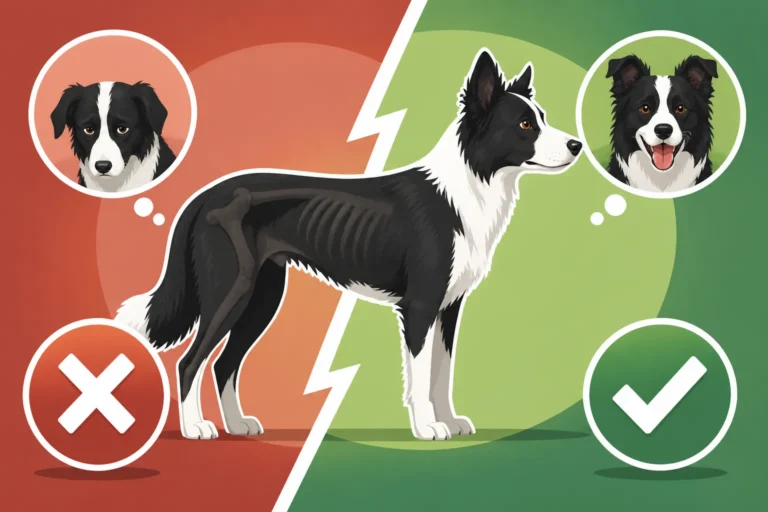
Body Condition Scoring (BCS) is a universally recognized tool used by veterinarians and informed owners to assess a dog's fat reserves. It's typically rated on a 9-point scale, where 1 is emaciated and 9 is morbidly obese. For a Border Collie, the ideal target is usually a 4 or 5. This score helps you understand if your dog is too thin, just right, or carrying too much weight, regardless of what the number on the scale says. A 40-pound Border Collie might be lean and muscled, while another 40-pound Border Collie could be slightly overweight if they're smaller-boned or less conditioned.
To perform a BCS, you’ll want to stand over your dog and look down at their spine and waist. Then, get down to their level and look at their profile. Finally, and crucially, use your hands to feel their ribs, spine, and hip bones. You're looking for subtle signs that aren't always visible under a thick coat. This method is far more effective than simply weighing them, as it accounts for individual variation in bone structure and muscle mass. Regular BCS checks, perhaps once a month, can help you catch weight fluctuations early and adjust their diet or exercise before a problem becomes significant. You'll find many veterinary resources, and even sites like Chewy, offer excellent visual guides to help you master this assessment.
Feeling for Ribs and Tucks: What a Fit Border Collie Looks Like
Let's get specific about what that ideal 4 or 5 BCS looks and feels like for a Border Collie.
Visual Cues:
- From above: Your Border Collie should have an hourglass figure. You should see a clear waist tucking in behind the ribs before flaring out slightly over the hips. If they look like a straight block or a barrel from above, they're likely carrying too much weight.
- From the side: Their abdomen should tuck up noticeably from the bottom of their rib cage to their hind legs. There shouldn't be a sagging belly, which is a sure sign of excess fat. They should look athletic, not round.
Tactile Cues:
- Ribs: When you gently run your fingers along their sides, you should be able to easily feel their ribs, much like feeling the knuckles on the back of your hand. You shouldn't see them prominently, but you should definitely not have to press hard to locate them. If you can't feel them at all, or only with significant pressure, they are overweight. If their ribs are sticking out visibly, they might be too thin.
- Spine: Similarly, you should be able to feel the bony protrusions of their spine with light pressure along their back.
- Hip Bones: Their hip bones should be palpable, but not sharply protruding, particularly where the leg meets the pelvis.
A fit Border Collie should feel firm and muscular, not soft or doughy. This lean, conditioned physique is essential for their agility, endurance, and overall joint health. Paying close attention to The Body Condition a Sport Border Collie Carries can provide even more detail on this critical aspect.
Common Mistakes in Assessment: Addressing How Rough Coats Can Hide Weight
One of the biggest pitfalls when assessing a Border Collie's weight, particularly for those with a luxurious rough coat, is letting the fur deceive you. A thick double coat can easily mask a surprising amount of extra padding, making a dog appear leaner than they actually are. It's like trying to judge a sheep's condition through its wool – you have to get your hands on them!
Here are some common mistakes and how to avoid them:
- The "Fluff Factor": Never rely solely on visual assessment for a rough-coated Border Collie. Always use your hands. Their fluffy mane around the neck or feathered trousers on their legs can create an illusion of leanness even when their core body is carrying excess fat. Gently push through the fur and feel the underlying structure.
- Ignoring Subtle Changes: Weight gain can be insidious. A pound here, a pound there, over several months can add up significantly without a dramatic visual change. Regular, hands-on BCS checks are vital for catching these creeping gains before they become a serious problem. Compare your dog's current feel to how they felt when they were at their peak fitness.
- Misinterpreting "Big-Boned": While Border Collies do vary in size and build, very few are truly "big-boned" in a way that should make them carry a lot of extra weight. Often, what owners perceive as big bones is actually just excess fat. Focus on the muscle mass and the tuck of their waist, rather than just their overall size.
- Underestimating Muscle Mass: Conversely, a highly muscled Border Collie might weigh more on the scale but still be perfectly lean. This is why BCS is superior to simply tracking weight. A dog in peak condition will have well-defined muscles, especially over their hindquarters and shoulders. Don't mistake dense muscle for fat.
Remember, the goal is to feel those ribs, see that waist, and observe that athletic tuck, regardless of how much fur they have.
Crafting a Tailored Nutrition Plan
Once you understand your Border Collie's energy needs and how to properly assess their body condition, the next step is to create a feeding plan that fuels their activity without leading to excess weight. This means focusing on the right type of food, the correct balance of nutrients, and disciplined portion control.
Choosing the Right Food for an Active Border Collie
Not all dog foods are created equal, especially when you have a Border Collie whose energy demands are more akin to a working athlete than a couch potato. The "one-size-fits-all" approach to kibble just won't cut it. For a dog that consistently works or participates in high-energy sports, you'll generally want to look for a high-quality "performance" or "active dog" formula.
These specialized foods are typically higher in protein and fat, providing the dense energy Border Collies need for sustained output. Ingredients matter, so look for a reputable brand with animal protein (chicken, beef, lamb, fish) as the first ingredient, rather than fillers like corn or soy. Avoid foods with excessive carbohydrates from low-quality sources, as these can lead to energy spikes and crashes, and ultimately, fat storage if not burned off immediately. Reputable brands that focus on canine nutrition for active breeds can be found on platforms like Chewy or Amazon. Companies like Ollie also offer fresh, human-grade food options tailored to your dog's specific needs, which can be an excellent choice for precise calorie and nutrient control.
However, a word of caution: "performance" formulas are calorie-dense. If your Border Collie isn't actually performing at a high level every day, feeding them a performance food can quickly lead to weight gain. It's crucial to match the food type to their actual activity level. A Border Collie that gets moderate exercise might do better on a "maintenance" or "all life stages" formula, simply adjusted in portion size. The key is to start with a high-quality base, then adjust quantity and type based on their individual needs and activity.
Balancing Protein, Fat, and Carbs: The Macronutrient Breakdown for Sustained Energy
Understanding the role of macronutrients – protein, fat, and carbohydrates – is vital for fueling your Border Collie correctly.
-
Protein: This is the building block of muscle and is critical for repair and recovery after strenuous activity. For an active Border Collie, a diet with a higher percentage of quality protein (typically 25-30% or more on a dry matter basis for performance foods) is beneficial. It helps maintain lean muscle mass, which is crucial for strength and preventing injuries, and also contributes to a feeling of fullness. Look for animal-based proteins that are easily digestible. Protein a Border Collie Needs to Hold Muscle is directly related to this.
-
Fat: Fat is a concentrated source of energy, providing more than twice the calories per gram compared to protein or carbohydrates. For dogs needing sustained endurance, fats are key. A performance dog food might have fat percentages ranging from 15-25% or even higher. Healthy fats, like those from chicken fat, fish oil (omega-3s), or flaxseed, also contribute to a healthy coat and skin. However, because fat is so calorie-dense, it's often the first place where accidental overfeeding occurs. Too much fat, even healthy fat, will quickly lead to weight gain if energy expenditure doesn't match intake.
-
Carbohydrates: While often maligned, carbohydrates are a readily available source of quick energy. Complex carbohydrates from sources like sweet potatoes, peas, or brown rice can provide sustained energy release for working dogs. For a highly active Border Collie, a moderate amount of quality carbohydrates is generally beneficial, complementing the energy provided by fats. Avoid foods with excessive, low-quality carb fillers, which offer little nutritional value and can contribute to weight gain.
The ideal balance will vary based on your individual dog's metabolism, activity level, and any specific health considerations. It’s not about demonizing one macronutrient but finding the right blend that provides sustained energy without leading to fat storage.
Feeding Schedules and Portion Control
Even with the perfect food, inconsistent feeding schedules and unchecked portion sizes can quickly derail your efforts to keep your Border Collie lean. Consistency is key, both for their digestion and for managing their weight.
- Establish a Schedule: Most adult Border Collies do well on two meals a day, split morning and evening. This helps regulate their metabolism, prevents them from getting too hungry (which can lead to bolting food), and allows for better nutrient absorption. Avoid leaving food out all day for "free feeding," as this makes it impossible to track intake and is a common culprit for weight gain.
- Measure Precisely: Don't eyeball it! Use a dedicated measuring cup for your dog's kibble. The "recommended serving size" on a bag is merely a guideline, often calibrated for an "average" dog, not necessarily a working Border Collie. Start with the lower end of the recommended range for their target weight and adjust from there. A slight overfill of the cup each day can add up to hundreds of extra calories over a week, leading to weight gain over time.
- Adjust Based on Activity: This is where the art comes in. On days of intense work or trial weekends, your Border Collie might need a slightly larger portion or an extra small meal, like Feeding a Border Collie the Night Before a Trial or Feeding a Border Collie on Trial Weekends. On rest days or during the off-season, their caloric needs will drop significantly, and their portions should be reduced accordingly. This dynamic adjustment is crucial. Adjusting a Border Collie's Food in the Off Season is a vital practice for weight management.
- Factor in Treats: Every treat is a calorie! Don't forget to account for training treats or recreational chews when calculating daily intake. If you're using a lot of treats for training, consider reducing their meal portions slightly or opting for very low-calorie options. Small pieces of boiled chicken or carrots can be excellent, healthy, low-calorie training rewards.
Portion control and a consistent schedule are the foundational pillars of effective weight management. They allow you to proactively manage their intake rather than reacting to weight gain after it's already happened.
Managing Calories Around Work and Rest
The dynamic nature of a Border Collie's life means their caloric needs are constantly fluctuating. Mastering the art of adjusting their food intake to match their energy expenditure is critical for maintaining an ideal working weight.
Adjusting Rations for High-Intensity Days
On days when your Border Collie is truly "working" – whether that's intense herding, a full day of agility trials, a long and strenuous hike, or an extended high-drive training session – their caloric burn will be significantly higher than on a typical day. Their body needs more fuel to perform and recover.
- Pre-Work Fuel: Some handlers opt for a small, easily digestible meal 2-3 hours before intense work, especially if the dog hasn't eaten recently. This provides readily available energy. However, avoid feeding a large meal immediately before strenuous activity, as it can lead to digestive upset or even a serious condition like bloat.
- During Extended Work: For very long days, a small, high-energy snack during a break might be beneficial. This could be a small portion of their regular kibble, a performance bar designed for dogs, or even a bit of cooked lean meat. Always ensure they have access to plenty of water.
- Post-Work Recovery: The most significant adjustment usually comes after the work is done. Within an hour or two of finishing intense activity, a slightly larger evening meal can help replenish glycogen stores and aid muscle recovery. You might increase their regular portion by 10-20% on these days, depending on the intensity and duration of their work. However, always be mindful of their individual metabolism and response. Too much, and you'll see weight creep on; too little, and they might lose condition. This is why paying attention to How Long to Wait Before Feeding a Border Collie After Work is important to avoid digestive upset.
Monitoring your dog's energy levels and body condition closely on a weekly basis will help you fine-tune these adjustments.
The Off-Season Dilemma: Preventing Weight Gain During Less Active Periods
Just as a human athlete adjusts their diet in the off-season, so too must you adjust your Border Collie's. When trials end, when the sheep aren't around, or when an injury necessitates a period of reduced activity, their energy expenditure plummets. This is a prime time for weight gain.
- Proactive Reduction: Don't wait for the weight to pile on. As soon as you anticipate a sustained period of lower activity, immediately begin reducing their daily food intake. This might mean decreasing their portions by 15-25% from their working diet, or even switching to a lower-calorie, "light" or "senior" formula if the inactive period is going to be extensive.
- Maintain Quality: Even if you're reducing calories, don't compromise on food quality. Your Border Collie still needs essential nutrients, vitamins, and minerals to maintain muscle mass and overall health. A high-quality food, even in smaller portions, is always preferable to a low-quality, cheap food that's simply fed in larger quantities.
- Increase Mental Stimulation: While physical activity may be reduced, mental work should never cease. Puzzle feeders (you can find a huge variety on Amazon or Chewy), scent games, and new trick training can keep their minds engaged and prevent boredom-induced overeating or destructive behaviors. These activities, though not physically exhausting, still burn some calories. Scentwork for a Border Collie Between Trial Seasons is an excellent example of a low-impact, high-mental stimulation activity.
- Monitor Closely: Continue with your regular Body Condition Scoring. If you notice even a slight softening or less definition, reduce their food further. It's much easier to prevent weight gain than to take it off once it's established. This proactive approach will save you headaches and keep your dog healthier in the long run.
Treats and Supplements: Incorporating Them Wisely
Treats and supplements can be valuable tools, but they're often hidden sources of excess calories if not managed carefully.
- Treats as Part of the Diet: It’s easy to forget that treats contribute to a dog’s daily caloric intake. If your Border Collie gets a lot of training treats, dental chews, or evening snacks, these calories need to be factored into their overall daily food allowance. Consider reducing their main meal portion slightly to compensate.
- Low-Calorie Options: For training, especially during high-repetition sessions, opt for very small, low-calorie treats. Pieces of boiled chicken breast, green beans, or even their regular kibble can work wonders. Freeze-dried liver treats are also often low in calories and highly palatable.
- Enrichment Chews: If you give bully sticks or other long-lasting chews, understand their caloric density. A single bully stick can be equivalent to a whole meal for a smaller dog. Offer them sparingly, or account for their calories by significantly reducing other food sources for the day.
- Supplements with Caution: Joint supplements, fish oil, or other dietary additions can be beneficial for an active Border Collie. For example, Joint Supplements for a Border Collie Doing Agility are common. However, some supplements (like certain high-fat chews or oils) add calories. Always read labels and consider these extra calories, especially if your dog is borderline overweight. Discuss any supplements with your veterinarian to ensure they are necessary and appropriate for your dog’s specific needs. A good vet can help you navigate the vast array of options available through platforms like Chewy.
The golden rule for treats and supplements: every calorie counts. Be mindful, measure, and adjust.
Strategies for Weight Loss (If Needed)
It happens to the best of us. Despite our best intentions, sometimes our Border Collies carry a little more weight than they should. Don't despair; getting them back to a healthy condition is entirely achievable with a disciplined approach.
Gradual Reduction and Increased Activity: Safe Methods for Shedding Pounds
When it comes to weight loss for a Border Collie, slow and steady wins the race. Rapid weight loss can be detrimental to their health and can lead to muscle loss rather than fat loss. The goal is to create a moderate caloric deficit through a combination of reduced intake and carefully increased activity.
- Caloric Reduction: Start by reducing their current food intake by about 10-15%. Wait two to four weeks and re-evaluate their body condition. If no progress is being made, reduce by another 5-10%. The aim is to achieve a weight loss of 1-2% of their body weight per week. For a 40-pound Border Collie, this means about half a pound to a pound a week. This might mean meticulously measuring portions or switching to a lower-calorie formula specifically designed for weight management, available from brands on Amazon or Ollie.
- Consistent Activity: Alongside dietary changes, gradually increase their physical activity. If they're currently getting two 30-minute walks, try extending one to 45 minutes, or incorporate some higher-intensity bursts like fetch or flirt pole play. If you're wondering Whether a Border Collie Loses Weight on Work or Food, the answer is usually both are needed. Ensure the activity is appropriate for their current fitness level and any existing joint issues. Don't suddenly demand an overweight dog run miles, as this can lead to injury.
- Mental Engagement: Remember that mental work also burns calories and can reduce boredom-induced behaviors that sometimes lead to begging or overeating. Increase the complexity of training sessions or introduce new puzzle toys.
- Patience is Key: It took time for the weight to go on, and it will take time for it to come off. Stick to your plan, be consistent, and celebrate small victories.
Low-Calorie, High-Volume Options: Foods That Fill Without Fattening
One of the biggest complaints during a dog's weight loss journey is that they seem constantly hungry. The good news is that you can often help them feel fuller without adding a significant amount of calories by incorporating certain low-calorie, high-volume foods.
- Vegetable Boost: Many vegetables are excellent, low-calorie fillers. Cooked green beans, carrots (raw or cooked), broccoli florets, and pumpkin puree (plain, not pie filling) can be mixed into their regular kibble. Start with small amounts to ensure they don't cause digestive upset. These add fiber and moisture, helping your dog feel more satisfied.
- Lean Protein Snacks: Instead of high-fat dog biscuits, use small pieces of cooked lean protein like chicken breast or turkey for training or treats. These are highly palatable and provide essential amino acids without excess fat.
- Water, Water, Everywhere: Ensure your Border Collie always has access to fresh water. Sometimes, a dog might appear "hungry" but is actually a bit dehydrated. Adding a little water or low-sodium broth to their kibble can also help them feel fuller and aid digestion.
- Purpose-Made Weight Loss Foods: Many pet food companies, including those you find on Chewy, offer specific "weight management" or "healthy weight" formulas. These foods are designed to be lower in calories and fat but higher in fiber to promote satiety. If you're struggling to reduce portions of their regular food, switching to one of these can be very effective.
Veterinary Consultation: When to Seek Professional Advice
While many weight management issues can be addressed at home with careful diet and exercise adjustments, there are definitely times when it's crucial to bring your veterinarian into the loop.
- No Progress: If you've been diligently following a weight loss plan for several weeks or months and your Border Collie isn't losing any weight, or is even gaining, it's time for a vet visit. There might be an underlying medical condition hindering their weight loss.
- Rapid Weight Gain/Loss: Sudden, unexplained weight changes (either gain or loss) warrant immediate veterinary attention. This could be a sign of a serious health issue.
- Underlying Health Issues: If your Border Collie has pre-existing conditions like Hip Dysplasia in a Border Collie That Runs All Day, Osteoarthritis in a Border Collie by Eight, or Thyroid Levels in a Border Collie That Slowed Down, or is on medication for conditions like epilepsy (Phenobarbital and Liver Values in a Border Collie), weight management becomes more complex. Your vet can advise on safe exercise protocols and dietary adjustments that won't exacerbate these conditions or interact negatively with medications. For example, some medications can cause increased appetite or slower metabolism.
- Behavioral Challenges: If your Border Collie is exhibiting extreme hunger, begging, or food-related aggression during their diet, your vet can offer strategies or refer you to a veterinary behaviorist.
- Creating a Custom Plan: Your vet can help you calculate a precise caloric target for your Border Collie's ideal weight and activity level, recommend specific food brands, and create a structured weight loss plan tailored to their unique needs. They can also rule out conditions like hypothyroidism, which can cause inexplicable weight gain even with reduced food intake.
Think of your vet as your partner in your Border Collie's health journey. They have the expertise to diagnose medical issues and provide guidance that goes beyond general advice.
The Impact of Age and Health on Weight
A Border Collie's metabolism isn't static; it changes throughout their life, particularly as they age or if they encounter specific health challenges. Recognizing these shifts is essential for continuous weight management.
Slowing Metabolism in Older Border Collies
It's a bittersweet reality: even the most driven Border Collie eventually starts to slow down. As they enter their senior years, typically around eight to ten years old, their metabolism naturally begins to decelerate, and their activity levels often decrease. This combination makes them highly susceptible to weight gain, even if their diet hasn't changed.
- Less Fuel Needed: An older Border Collie simply doesn't burn as many calories as they once did. Their days might involve more napping, shorter bursts of play, and less strenuous activity. Continuing to feed them the same amount of food they ate in their prime will inevitably lead to excess weight.
- Muscle Loss: Senior dogs also tend to lose muscle mass (sarcopenia) as they age. Muscle burns more calories at rest than fat, so a decrease in muscle mass further contributes to a slower metabolism. Maintaining lean muscle through appropriate exercise (even gentle) and a good protein diet remains important.
- Joint Pain: Arthritis and other age-related joint issues can make movement painful, further reducing activity and contributing to a sedentary lifestyle. Excess weight then exacerbates these joint problems, creating a vicious cycle. Addressing pain proactively with your vet can help keep them moving. For insights into this stage of life, check out The Age a Border Collie Starts to Slow and The Border Collie That Stays Sound Into Its Teens.
- Dietary Adjustments: This is the time to transition to a high-quality "senior" or "reduced calorie" dog food. These formulas are typically lower in calories and fat but maintain good protein levels to support muscle, and often include joint-supporting ingredients like glucosamine and chondroitin. Continue to monitor their body condition closely and adjust portions as needed.
Medical Conditions Affecting Weight
Weight changes aren't always about calorie intake and exercise. Sometimes, they can be a red flag for an underlying medical condition.
- Hypothyroidism: This is a common endocrine disorder where the thyroid gland doesn't produce enough hormones, leading to a slowed metabolism. Symptoms can include weight gain despite normal eating, lethargy, and coat changes like Coat Loss in a Border Collie With Thyroid Trouble. If you suspect this, your vet can perform a simple blood test to diagnose and treat it with medication.
- Cushing's Disease: While less common than hypothyroidism, this condition involves the overproduction of cortisol. It can lead to a pot-bellied appearance, thinning skin, and increased thirst and appetite, often resulting in weight gain.
- Diabetes: Though more commonly associated with overweight dogs, diabetes can cause initial weight loss followed by weight gain if poorly controlled.
- Joint Pain and Arthritis: As mentioned, chronic pain from conditions like osteoarthritis or untreated injuries can significantly reduce a Border Collie's willingness or ability to exercise, leading to inactivity and subsequent weight gain. It's crucial to manage pain effectively to keep them mobile and active. For example, Osteoarthritis in a Border Collie by Eight can be a major factor.
- Other Chronic Illnesses: Kidney disease, heart conditions, or certain cancers can also impact a dog's weight, though often leading to weight loss rather than gain. However, some treatments or secondary issues could influence appetite and metabolism.
If your Border Collie's weight fluctuates unexpectedly, despite consistent diet and exercise, a trip to the vet for a thorough check-up is always a wise decision.
Medication and Weight Changes
Just like in humans, certain medications prescribed for Border Collies can have side effects that influence their weight. It's important to be aware of these potential changes so you can discuss them with your vet and adjust management strategies accordingly.
- Steroids (Corticosteroids): Medications like Prednisone are often used to treat inflammatory conditions, allergies, or autoimmune diseases. A common side effect is increased appetite and water intake, which can easily lead to weight gain if food portions aren't strictly controlled.
- Anti-Seizure Medications: For Border Collies diagnosed with epilepsy, medications such as phenobarbital are often prescribed. A known side effect of phenobarbital, in particular, can be an increased appetite and a tendency towards weight gain. This can be a particular frustration for owners trying to keep their epileptic Border Collie lean. Phenobarbital and Liver Values in a Border Collie also highlights other considerations with this medication. If your Border Collie is on such medication, vigilant monitoring of their food intake and body condition is absolutely critical.
- Pain Medications: While pain medications themselves don't typically cause weight gain, effectively managing pain can allow an arthritic or injured Border Collie to be more active, potentially helping with weight loss. However, if a dog is on extended bed rest due to injury, even with pain meds, their calorie needs will be much lower.
- Thyroid Medication: For dogs diagnosed with hypothyroidism, synthetic thyroid hormone replacement will usually help restore their metabolism to normal, facilitating weight loss if they were previously gaining weight due to the condition.
Always discuss potential side effects, including weight changes, with your veterinarian when starting any new medication. They can advise you on how to adjust your Border Collie's diet or exercise regimen to counteract these effects and keep them at a healthy weight.
Maintaining a Healthy Lifestyle Beyond Food
Keeping your Border Collie lean and fit isn't solely about what's in their food bowl. It's about a holistic approach to their entire lifestyle, encompassing consistent activity, regular health checks, and proper hydration.
Consistent Exercise and Mental Stimulation: The Bedrock of Fitness
You've heard it before, and I'll say it again: a Border Collie needs to work, both physically and mentally. This isn't just about preventing destructive behaviors; it's fundamental to their metabolic health and maintaining a lean body mass.
- Daily Physical Output: Aim for at least Two Hours of Work a Border Collie Needs Daily of focused, high-intensity activity, broken into multiple sessions. This could include structured fetch (with rules to prevent obsessive behavior), vigorous runs, biking (if safely trained), or participation in dog sports like agility, flyball, or disc. It's about quality, not just quantity. A frantic 15 minutes of chasing a ball can be more effective than an hour of sniffing around on a leash.
- Mental Marathon: Don't underestimate the power of mental work. Solving puzzles, learning new tricks, practicing advanced obedience commands, or engaging in scent detection games can be just as tiring, if not more so, than physical exercise. A Border Collie's brain is their most powerful muscle, and exercising it effectively burns significant mental energy, which indirectly supports a healthy metabolism. Look for toys and feeders that challenge them, as Puzzle Feeders a Border Collie Cannot Solve Twice are great for engaging their intellect.
- Variety is Key: Mix up their activities to prevent boredom and engage different muscle groups. A combination of endurance, speed, and problem-solving keeps them well-rounded and prevents repetitive strain injuries.
- Avoid Over-Exercising Young Dogs: While Border Collies are born athletes, young puppies and adolescents need careful management to protect their developing joints. Avoid forced, repetitive impact activities until their growth plates are closed, typically around 12-18 months. Consult Impact Work Before a Border Collie Turns Two for guidance.
Without consistent physical and mental engagement, even a carefully portioned diet will struggle to keep a Border Collie at their prime working weight.
Regular Vet Check-ups: Proactive Health Management
Your veterinarian is your most valuable partner in ensuring your Border Collie remains lean and healthy throughout their life. Regular check-ups are not just for vaccinations; they are crucial opportunities for proactive health management.
- Annual Wellness Exams: Every Border Collie, regardless of age, should have an annual physical exam. During this visit, your vet will perform a thorough body condition assessment, check their weight, listen to their heart and lungs, palpate their abdomen, and check their joints. These exams can catch subtle changes in body condition or early signs of health issues that could impact weight.
- Routine Bloodwork: As Border Collies age, or if there are any concerns about their weight or energy levels, your vet may recommend yearly bloodwork. This can screen for conditions like hypothyroidism, kidney disease (Kidney Disease in an Older Border Collie), or other metabolic issues that can affect weight and overall health. Catching these problems early often means they are more manageable.
- Discuss Diet and Exercise: Use your vet appointments to discuss your Border Collie's current diet and exercise regimen. They can provide tailored advice, help you calculate calorie needs, and recommend appropriate weight management strategies or specialized foods if necessary. Don't be afraid to ask specific questions about Yearly Bloodwork for a Border Collie or other preventative care.
- Address Concerns Promptly: If you notice any significant changes in your Border Collie's appetite, energy level, coat condition, or weight – whether gain or loss – don't wait for the annual check-up. Schedule an appointment to get it investigated promptly. Early intervention can make a huge difference in outcomes.
Hydration and Overall Well-being: Essential, Often Overlooked Factors
While often taken for granted, adequate hydration and a focus on overall well-being are foundational to a Border Collie's health and ability to maintain a lean, working physique.
- Constant Access to Fresh Water: This sounds obvious, but it's critical. Active Border Collies, especially those working or exercising intensely, need significantly more water than less active breeds. Dehydration can impair performance, impact metabolism, and in severe cases, be life-threatening. Ensure they always have access to clean, fresh water, and bring plenty of water with you during outings. Consider a portable water bottle or collapsible bowl from Amazon or Chewy for on-the-go hydration. For guidance on water intake during work, see How Much a Border Collie Drinks on a Working Day.
- Rest and Recovery: A working Border Collie needs adequate rest to recover from physical exertion. Overtraining or chronic fatigue can negatively impact their metabolism, stress levels, and overall health, potentially making weight management more challenging. Ensure they have a comfortable, quiet place to rest and sleep.
- Stress Management: High stress levels can impact a dog's metabolism and lead to both weight gain or loss, depending on the individual. A consistent routine, clear expectations, and a secure environment help reduce stress in a Border Collie. Addressing issues like Noise Fear in a Border Collie or separation anxiety can contribute to better overall health.
- Environmental Factors: Ensure your Border Collie isn't exposed to extreme heat or cold for prolonged periods, especially during exercise. Proper management in different weather conditions is vital for their health and safety. For example, Cooling and Watering a Border Collie in Summer is crucial.
By focusing on these often-overlooked aspects of care, you're not just supporting a lean physique; you're fostering a truly healthy, happy, and well-adjusted Border Collie.
Disclaimer
This article is for general informational purposes only and does not constitute professional advice. Laws, prices and regulations vary by location and change over time. Consult a qualified professional for guidance on your specific situation.