How Long a Border Collie Takes to Come Right Again
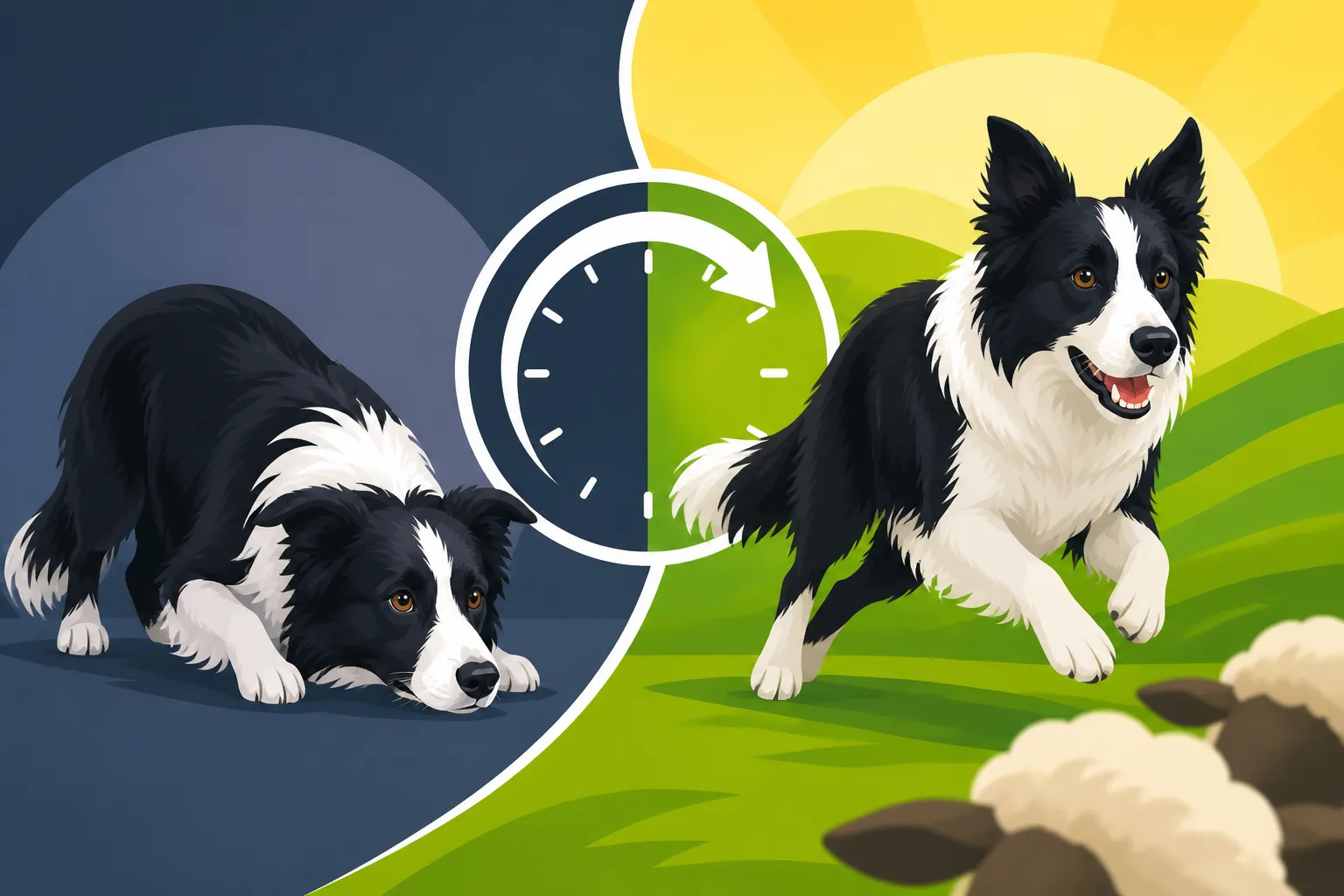
It's incredibly tough watching your energetic Border Collie suddenly slow down, limp, or seem utterly unlike themselves, and naturally, your biggest question becomes: how long until they're back to their old, bouncy, happy selves? This question doesn't have a one-size-fits-all answer, as the recovery period for a Border Collie "to come right again" depends entirely on what knocked them off balance in the first place, be it a mysterious collapse episode, a physical injury, an illness, or even emotional distress. This guide will walk you through the various scenarios, helping you understand what to expect and how best to support your canine companion through their recuperation journey.
Understanding Border Collie Collapse and Immediate Recovery
One of the most perplexing conditions a Border Collie owner might encounter is Border Collie Collapse (BCC), sometimes known as exercise-induced collapse. It's a condition unique to the breed, often striking active dogs during or immediately after intense exercise. The good news is, for BCC, the "coming right again" part is usually surprisingly quick, though understanding the event itself is crucial for future management.
The Swift Onset and Quick Resolution of BCC Episodes
Imagine your Border Collie, full of vim and vigor, tearing across a field during a frisbee session or a long herding practice. Suddenly, without warning, their gait becomes wobbly, they might drag their hind legs, and their eyes might appear glazed or distant. This is often What a Border Collie Collapse Episode Looks Like. The truly remarkable, and often alarming, aspect of BCC is how rapidly it can come on. One moment, they're fine, the next, they're struggling. However, just as quickly as it starts, an episode typically resolves.
Most Border Collies will begin to recover within 5 to 30 minutes of stopping the activity that triggered the collapse. They might be disoriented for a short while, but the neurological signs, like the ataxia and muscle weakness, usually fade fairly fast. Within an hour, many dogs are back to appearing completely normal, albeit tired. They won't be in pain from the episode itself, but the sudden energy drain and confusion can be unsettling for them, and certainly for you. The key here is immediate rest in a cool, quiet place, and then close observation. The actual physical recovery from the episode is almost instant, but the recovery of your peace of mind, and the subsequent management, takes much longer.
Differentiating BCC from Other Collapse Causes
It's absolutely vital to be sure that what you're witnessing is indeed Border Collie Collapse and not something more immediately life-threatening. The wobbling gait and weakness are characteristic, but other conditions can mimic these symptoms. For instance, severe overheating can cause a dog to collapse, but a Border Collie with BCC often collapses even in moderate temperatures, and their body temperature typically doesn't spike to dangerous levels, which is Why Overheating Does Not Explain Border Collie Collapse. Your vet will likely want to rule out things like cardiac issues, hypoglycemia, or neurological disorders. This might involve blood work, a thorough physical exam, and potentially even an ECG.
If you observe The Wobbling Gait a Collapsing Border Collie Shows, it's important to differentiate it from a seizure, which involves involuntary muscle contractions, loss of consciousness, and often urination/defecation. BCC dogs typically remain conscious and aware, even if disoriented. Accurate diagnosis is the first step toward understanding the recovery process and implementing effective management strategies. Working with a veterinarian experienced in sports medicine or neurological conditions can be incredibly helpful in pinpointing the cause and setting up a plan.
Post-Episode Care and Observation
Once a BCC episode passes, your Border Collie will likely seem "right again" in terms of physical coordination, but that doesn't mean you should immediately jump back into high-intensity activities. The immediate post-episode care focuses on ensuring complete rest and quiet. Offer water, but don't force it. Monitor their breathing, gum color, and overall demeanor for the next few hours. While the physical symptoms dissipate quickly, the dog might feel exhausted.
Long-term "coming right again" for a Border Collie with BCC involves careful management and trigger avoidance. This means understanding Border Collie Collapse and What Sets It Off – often a specific type of high-excitement, high-intensity exercise. Many owners find success by modifying their dog's activity level, opting for shorter, less intense sessions, or choosing different types of mental stimulation over strenuous physical exertion. This isn't about recovery from an injury, but about lifestyle adjustments to prevent future episodes, allowing your Border Collie to live a full and active life within their limits.
Recovery Timelines for Common Border Collie Injuries
Unlike BCC, where recovery is often immediate, physical injuries can lead to much longer and more complex recovery periods. Border Collies, with their athletic nature and high drive, are prone to various Sport Injuries a Border Collie Picks Up. The road back to full health requires patience, dedication, and often, significant veterinary intervention.
Navigating Soft Tissue Injuries and Sprains
A sprain, strain, or general soft tissue injury is a common ailment for an active Border Collie. Think of a minor limp after an awkward landing during a frisbee catch, or a bit of soreness after a particularly hard day on the sheep. For these less severe issues, the recovery period can range from a few days to a few weeks. The initial stage usually involves strict rest—no running, jumping, or intense play. This might mean kennel rest, controlled leash walks only, and often anti-inflammatory medication prescribed by your vet.
During this time, the challenge isn't just physical; it's mental. A Border Collie who is used to constant activity will find forced rest incredibly frustrating. You'll need to provide plenty of mental stimulation with puzzle toys, scent games, and short training sessions that don't involve physical exertion. As the initial pain subsides, your vet might recommend a gradual return to activity, often starting with short, flat leash walks and slowly increasing duration and intensity over several weeks. It's a delicate balance; too much too soon, and you risk re-injury, setting the recovery process back significantly. Consistency in following veterinary advice is key to getting your Border Collie "right again" without complications.
Longer-Term Rehabilitation After Orthopedic Surgery
More severe injuries, like a torn cranial cruciate ligament (CCL), hip dysplasia, or even fractures, often necessitate surgery, and the recovery timeline extends considerably. If your Border Collie experiences Cruciate Tears in a Border Collie and undergoes a TPLO (Tibial Plateau Leveling Osteotomy) or similar procedure, you're looking at a recovery period that can easily span 3 to 6 months, or even longer for a full return to high-impact activities.
The rehabilitation process is typically structured:
- Weeks 1-2: Strict Confinement & Pain Management: This means crate rest, minimal movement, and focus on wound care and keeping pain under control. Leash walks only for bathroom breaks.
- Weeks 3-8: Gradual Controlled Exercise: Short, controlled leash walks increase in duration. Passive range of motion exercises might be introduced. The goal is gentle muscle rebuilding and flexibility without stressing the surgical site.
- Months 3-6: Increased Activity & Physical Therapy: More active rehabilitation, potentially including underwater treadmill therapy, balance exercises, and slowly introducing inclines or steps. The focus shifts to restoring strength, endurance, and proprioception.
- Month 6 onwards: Return to Full Activity (Gradual): High-impact activities are introduced very slowly, often with continued monitoring and warm-up/cool-down routines.
Throughout this demanding period, managing your Border Collie's mental state is as crucial as their physical healing. Boredom and frustration can lead to destructive behaviors or even depression. Creative mental games, chews, and puzzle feeders are invaluable. Having robust pet insurance like Healthy Paws can significantly ease the financial burden of such extensive surgeries and long-term physical therapy, allowing you to focus on your dog's recovery without added stress.
| Injury/Condition | Typical Recovery Timeline (Approx.) | Key Factors Influencing Recovery | Potential Setbacks |
|---|---|---|---|
| Border Collie Collapse (BCC) | 5-30 minutes (from episode) | Trigger avoidance, stress management | Re-triggering due to over-exertion, misdiagnosis |
| Minor Sprain/Strain | 2-4 weeks | Strict rest, anti-inflammatories, gradual return | Re-injury from insufficient rest |
| Cruciate Ligament Tear (Post-Op) | 3-6 months (to full activity) | Surgical technique, rehabilitation adherence, age | Infection, re-injury, inadequate muscle rebuilding |
| Fracture | 2-4 months (bone healing + rehab) | Type of fracture, surgical repair, age, nutrition | Non-union, infection, muscle atrophy |
| Acute Illness (e.g., GI upset) | 2-7 days | Severity, prompt veterinary care, hydration | Dehydration, secondary infections, underlying issues |
| Post-Anesthesia (minor surgery) | 12-24 hours (initial grogginess) | Type of surgery, individual dog's reaction | Nausea, prolonged lethargy, discomfort |
Managing Chronic Conditions and Lifelong Care
Some Border Collies face conditions that don't have a definitive "right again" endpoint but require ongoing management. Conditions like Hip Dysplasia in a Border Collie That Runs All Day or osteoarthritis mean that while acute pain can be managed, the underlying condition remains. In these cases, "coming right again" shifts to maintaining comfort, mobility, and quality of life.
Management might involve a combination of joint supplements, pain medication (like NSAIDs), physical therapy, controlled exercise routines to maintain muscle mass without overstressing joints, and weight management. Regular vet check-ups are essential to adjust treatment plans as needed. For some dogs, alternative therapies like acupuncture or hydrotherapy can provide significant relief. The recovery here is a continuous journey of adaptation, ensuring your Border Collie can enjoy life as fully as possible. It’s a commitment to lifelong care, where every day that they are comfortable and happy is a successful step in their ongoing "recovery."
Recuperation from Illness and Medical Procedures
Beyond athletic injuries, Border Collies, like all dogs, can suffer from various illnesses or require medical procedures. The recovery trajectory here varies widely depending on the nature and severity of the ailment or intervention.
Bouncing Back from Acute Illnesses and Infections
When your Border Collie is struck by an acute illness, such as a severe gastrointestinal upset, a respiratory infection, or a urinary tract infection, the "come right again" period can range from a few days to a couple of weeks. For a common stomach bug, after appropriate veterinary care (which might include fluids, antibiotics, or anti-nausea medication), most Border Collies will show significant improvement within 24-48 hours. However, full energy levels and a completely settled digestive system might take a few more days of bland diets and reduced activity.
More serious infections might require a longer course of medication, and the dog might feel run down for a week or more even after the fever breaks. The key is to follow your veterinarian's instructions meticulously, ensuring the full course of antibiotics is given and monitoring for any regression. During this time, gentle comfort, easily digestible food, and a quiet environment are paramount. A pet insurance plan like Healthy Paws can be invaluable for covering the costs of diagnostics, medications, and any necessary follow-up appointments during these unexpected bouts of illness.
The Road to Recovery After Anesthesia and Surgery
Undergoing anesthesia and surgery, even for routine procedures like spaying or neutering, requires a recovery period. Immediately after coming home from a procedure, your Border Collie will likely be groggy, disoriented, and a bit nauseous from the anesthesia. This initial phase of "coming right again" often lasts about 12-24 hours, during which they should be kept in a quiet, safe space, away from stairs or hazards.
For minor surgeries, the physical recovery involving incision healing and returning to normal activity typically takes 10-14 days. During this time, strict leash walks, no jumping, and careful monitoring of the surgical site are crucial to prevent complications like infection or dehiscence (opening of the wound). Your vet will likely want to check the incision after a week or two. For more involved surgeries, as mentioned with orthopedic procedures, the recovery can be significantly longer, involving weeks to months of controlled rehabilitation. The mental aspect is also important; some dogs can become clingy or anxious after surgery, requiring extra reassurance.
Nutritional Support and Environmental Adjustments
Proper nutrition plays a critical role in helping a Border Collie "come right again" from illness or surgery. During recovery, their body needs adequate protein for tissue repair and sufficient calories, though often a more digestible or specialized diet might be recommended by your vet. For instance, after a gastrointestinal upset, a bland diet of boiled chicken and rice is usually advised before slowly transitioning back to their regular food.
Beyond diet, creating a supportive environment is essential. This might mean:
- A quiet, comfortable resting spot: A soft bed in a low-traffic area helps them rest undisturbed.
- Easy access to water and food: Especially if mobility is compromised.
- Managing stairs or slippery floors: Prevent falls or strain on healing limbs.
- Temperature control: Keeping them comfortable, not too hot or cold, can aid healing.
- Mental stimulation without physical strain: Puzzle toys, gentle grooming, or quiet training sessions can keep their sharp minds engaged without overdoing it physically.
These adjustments, though seemingly small, contribute significantly to a smoother and faster recovery, helping your Border Collie regain their full vitality.
Emotional and Mental Recovery After Stressful Events
We often focus on the physical aspects of recovery, but for a highly intelligent and sensitive breed like the Border Collie, emotional and mental well-being are just as crucial to "coming right again" after a traumatic or stressful event. Whether it's the shock of an injury, a change in environment, or a scary experience, their minds need time to heal too.
Addressing Anxiety and Trauma in a Sensitive Breed
Border Collies are renowned for their sharp intelligence and intense focus, which, while beneficial in work, can also make them more susceptible to anxiety and emotional distress. A traumatic event, such as a bad fall that led to an injury, an unpleasant experience at the vet, or even witnessing a frightening incident, can leave lasting emotional scars. Your dog might become more timid, react fearfully to once-normal situations, or show signs of generalized anxiety, like pacing, excessive panting, or destructive behaviors.
Recovery from emotional trauma isn't about a specific timeline; it's a gradual process that requires immense patience and a consistent, positive approach. It involves building trust, creating a predictable and safe environment, and often, systematic desensitization and counter-conditioning. For example, if a scary car ride caused trauma, you'd start with positive experiences near the car, then inside it, slowly working up to short, pleasant rides. In some cases, especially if the anxiety is severe or impacting quality of life, a veterinary behaviorist might recommend medication in conjunction with behavior modification to help your dog cope. Understanding their individual sensitivities is key to helping them regain their confidence and emotional balance.
Rebuilding Confidence and Routine
A disrupted routine, especially after a prolonged period of rest due to injury or illness, can also take a toll on a Border Collie's mental state. Their highly organized brains thrive on structure and knowing what to expect. Being suddenly unable to perform their usual activities, whether it's herding, agility, or even just long walks, can lead to frustration, boredom, and a sense of "loss."
Rebuilding confidence and routine means slowly reintroducing elements of their former life in a positive and manageable way.
- Gradual Return to Activity: If recovering from a physical ailment, follow your vet's plan for Returning a Border Collie to Agility After TPLO or other sports. Start with low-impact fun and celebrate small successes.
- Consistent Schedule: Re-establish regular feeding times, potty breaks, and playtime, even if the "playtime" is currently mental games.
- Positive Reinforcement: Lavish praise and rewards for calm, appropriate behavior. Avoid scolding fear-based reactions, as this can exacerbate anxiety.
- Enrichment: Continue to provide mental challenges, even if physical activity is limited. Scent work, puzzle toys, and learning new tricks can be wonderfully engaging.
Remember that "coming right again" emotionally and mentally can sometimes take longer than physical healing. It's about restoring their sense of security and joy, and sometimes, this is the most challenging, yet rewarding, part of the entire recovery journey. Patience, understanding, and unwavering support will guide your Border Collie back to their confident, happy self.
Disclaimer
The information provided in this article is for general informational purposes only and is not a substitute for professional veterinary advice. Always consult with a qualified veterinarian for any health concerns or before making any decisions related to your Border Collie's health or treatment plan. Individual recovery times can vary significantly based on the specific condition, the dog's age, overall health, and adherence to veterinary recommendations.