Why the ABCA Bars Border Collies With Conformation Titles
It's a common source of confusion and even frustration for many prospective Border Collie owners: why does the American Border Collie Association (ABCA) have such a firm stance against Border Collies with conformation titles? You might see a beautiful dog, perfectly embodying the breed's striking looks, only to find it's essentially "barred" from certain aspects of the working dog world. This guide will delve deep into the historical context, philosophical differences, and practical implications behind the ABCA's unwavering commitment to the working Border Collie, and why those conformation titles are a line in the sand.
Understanding the ABCA's Mission and History
To truly grasp why the ABCA takes such a strong stance, we have to journey back to its very roots and understand the foundational purpose it was created to uphold. This isn't just about paperwork; it's about the very soul of the Border Collie.
The Genesis of the ABCA: Focus on Working Heritage
The Border Collie, as we know it, emerged from the Anglo-Scottish border region, bred by shepherds for centuries to be the ultimate working dog. Their survival and livelihood depended entirely on their dogs' ability to gather, drive, and control sheep with unparalleled skill and intelligence. These dogs were selected not for their appearance, but for their working ability – their "eye," their keen intelligence, their stamina, and their natural instinct to herd. They were a tool, a partner, and often the most valuable asset a shepherd possessed.
When the breed began to gain popularity beyond the farm gate, concerns arose among working handlers that the focus might shift from ability to aesthetics. The ABCA was formed in 1980 with a singular, resolute mission: to preserve and promote the traditional working Border Collie. It was a direct response to the growing interest in formal breed standards based on appearance, which many felt would inevitably dilute the very traits that made the Border Collie exceptional in the field. They believed that once you start breeding for a certain ear set or coat length, you inadvertently start compromising the drive, intelligence, and physical soundness crucial for a working life.
Protecting the Working Dog: The Core Philosophy
The core philosophy of the ABCA is straightforward: the Border Collie is a working stock dog first and foremost. Every aspect of its being – its temperament, its physique, its intelligence, its health – should be geared towards its function. This means that a dog's value isn't measured by how well it fits a visual standard, but by how effectively it can perform its job with livestock. This philosophy dictates everything from their registration process to their strong stance against conformation titles.
For the ABCA, recognizing conformation champions would be an endorsement of a breeding philosophy that prioritizes looks over work. They view it as a slippery slope, where the focus on show ring success could lead to breeders making choices that, while producing beautiful dogs, might inadvertently diminish the breed's working instinct, intelligence, or stamina. They aim to safeguard the breed from what they perceive as the detrimental effects of breeding purely for aesthetic qualities. This is why when you look into What the ABCA Requires of a Border Collie, you'll find a heavy emphasis on proven working ability, either through direct work or a working pedigree.
The Rift: Working Dog vs. Conformation Show Dog
The tension between the working dog community and the conformation show world isn't unique to Border Collies, but it's particularly pronounced here. It represents two fundamentally different ways of defining and valuing a breed.
Defining Conformation Showing: What It Entails and Its Goals
Conformation showing, governed by organizations like the American Kennel Club (AKC), is essentially a beauty pageant for dogs. Judges evaluate individual dogs against a detailed written breed standard that describes the ideal appearance, structure, and gait of the breed. The goal is to breed dogs that conform as closely as possible to this ideal. Breeders strive for specific angles, head shapes, coat textures, and color patterns. A dog earns titles like "Champion" by winning against other dogs in the show ring, demonstrating its superior adherence to the breed standard.
This system, while excellent for preserving a consistent physical type, doesn't inherently test a dog's ability to do the job it was originally bred for. For a Border Collie, this means a show champion might have the perfect "half-pricked ear" or the desired "almond eye" as specified in the AKC standard, but may have never seen a sheep in its life, or perhaps lacks the innate drive or "eye" essential for herding. The metrics for success are entirely different: one is visual, the other is functional. This divergence is exactly what caused the working community to push back against What Happened When the AKC Recognized the Border Collie.
The Impact on Form and Function: How Show Breeding Can Alter Traits Crucial for Work
When breeding decisions are primarily driven by conformation standards, certain traits that might be considered "faults" in the show ring could actually be advantageous in the field, and vice-versa. For example, a working Border Collie needs incredible stamina, agility, and a physique built for hours of running, stopping, and turning quickly on varied terrain. It needs strong, flexible joints and a lean, athletic build. A slightly more substantial bone structure or a heavier coat, while perhaps beautiful in the show ring, could be a disadvantage for a dog covering miles of pasture.
Furthermore, the very drive and intensity that makes a Border Collie a phenomenal herder can be seen as a challenge in a conformation ring, where a calm, composed demeanor is often favored. Imagine a dog with intense "eye" constantly trying to "herd" the judge or its fellow competitors – not ideal for a show dog! Over generations, if selection is purely for show aesthetics, subtle but critical working traits can be diminished. This is why discussions around The Working and Show Split in Border Collies are so common. It's not just about looks; it's about safeguarding the functional integrity of the breed.
The ABCA's Stance and Its Rationale
The ABCA's policy isn't just a preference; it's a deeply held conviction rooted in preserving the essence of the Border Collie. They view the conformation ring as a threat to what they define as a true Border Collie.
Why the Ban Exists: Direct Explanation of the Fear of Diluted Working Ability
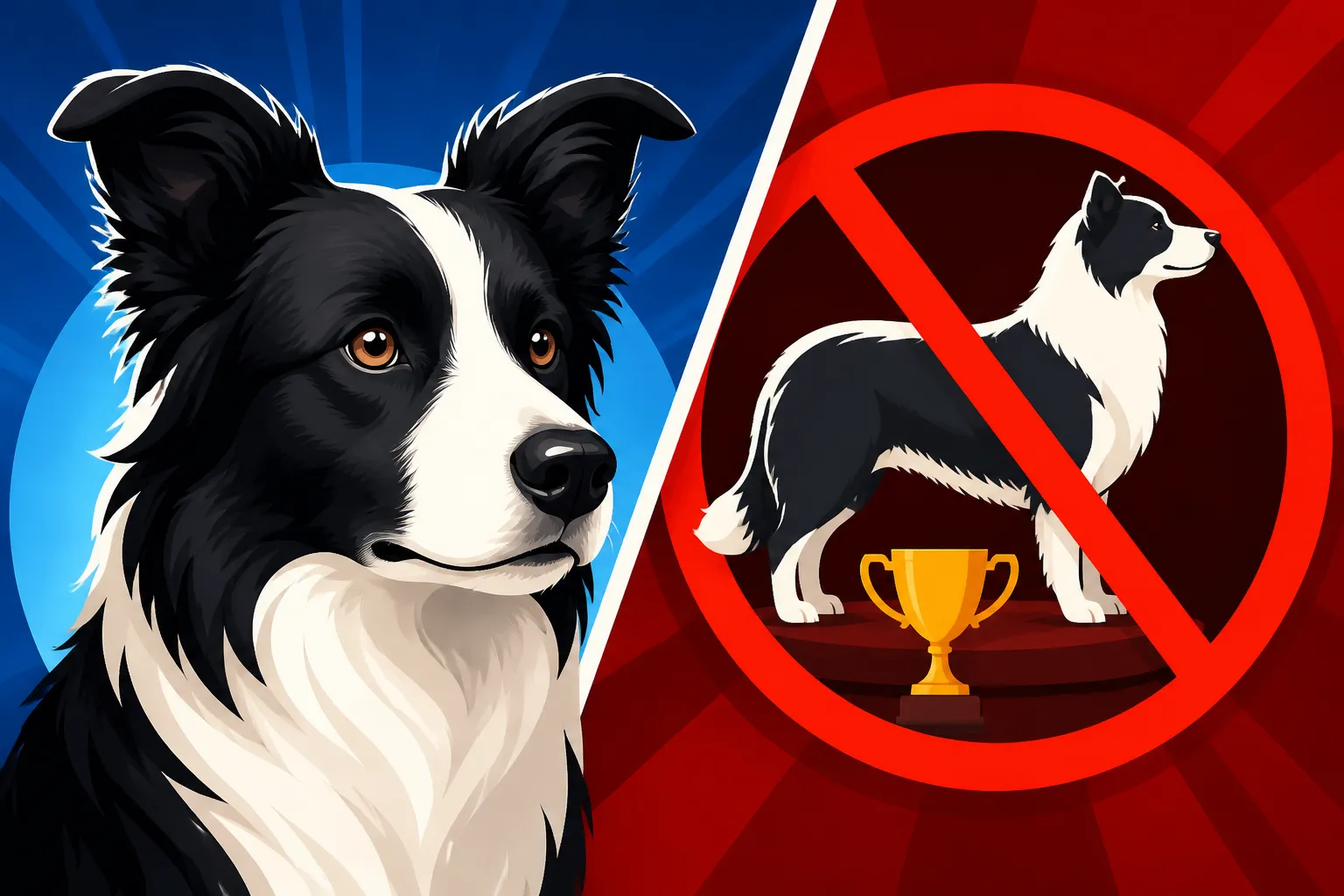
The ABCA's official stance is clear: any Border Collie that has earned a conformation championship with the AKC or any other kennel club that registers Border Collies for conformation is ineligible for ABCA registration, even if it has a working pedigree. The fear isn't just hypothetical; it's based on the historical precedent seen in other working breeds. When breeds like the German Shepherd Dog or the Australian Shepherd gained AKC recognition and their conformation showing became popular, many working lines within those breeds found their working ability compromised as breeders began to prioritize show ring success over functional traits.
The ABCA does not want the Border Collie to follow this path. They firmly believe that the goals of breeding for conformation and breeding for working ability are fundamentally at odds. They see the conformation title as a symbol of a breeding program that has prioritized aesthetics, potentially at the expense of crucial working traits. By barring these dogs, the ABCA sends a strong message: their registry is for dogs whose heritage and selection are unequivocally focused on work. They want to ensure that every dog in their registry can trace its lineage back to proven working dogs, maintaining the genetic pool dedicated to their original purpose. This impacts Why Working Breeders Fought AKC Recognition so fiercely.
Implications for Breeders and Owners: What This Means in Practice
For breeders, this policy forces a choice: either breed for working ability and ABCA registration, or breed for conformation and AKC titles. You generally cannot do both successfully within the ABCA's framework. This means that a top-winning AKC conformation Border Collie, no matter how physically sound or genetically healthy it might be, cannot be registered with the ABCA, and its progeny would also face challenges.
For owners, it means understanding the background of their Border Collie. If you acquire a dog from an ABCA-registered working line, you can be fairly confident that its ancestors were selected for their herding prowess. If you get a dog with AKC conformation titles in its pedigree, its lineage has been selected based on its adherence to a visual standard. This distinction is crucial for managing expectations and understanding a dog's potential drives and traits. It also influences which registries a breeder chooses, such as deciding on ABCA Registration Fees for a Border Collie.
Consider a scenario where a dedicated owner wants to participate in competitive herding trials. If they choose a dog from a conformation line that has had generations bred primarily for looks, they might find their dog lacks the intensity, instinct, or biddability required for high-level herding. Conversely, a working-bred Border Collie might be "too much dog" for a home simply seeking a beautiful companion if they aren't prepared for its intense drives.
Navigating the Divide: For Border Collie Owners
This divide can feel a bit like two separate universes for the Border Collie, but as an owner, understanding these distinctions is key to finding the right dog and setting realistic expectations.
Choosing a Breeder: Advice for Those Seeking Working vs. Pet Lines
When you're looking for a Border Collie, your first step should be to clearly define what you want in a dog. Are you looking for a working partner for sheep or cattle, or for high-level dog sports where working drive is an asset? Or are you looking for a highly intelligent, active companion for a family? Your answer will guide your search for a breeder.
- For Working Lines: If you desire a dog with strong herding instinct, intense drive, and the physical and mental aptitude for demanding work or sports, look for breeders who are actively involved in working sheepdog trials or who use their dogs on a farm. These breeders will typically register their dogs with the ABCA (in North America) or the ISDS (International Sheep Dog Society, primarily in the UK). They will prioritize working ability, temperament suitable for work, and health. They will likely be able to provide videos of their dogs working and have pedigrees rich with proven working champions. Always ask for health clearances for conditions like hip and elbow dysplasia, and genetic tests like those covered by The Border Collie Genetic Panel and What It Screens.
- For Pet Lines / Companion Dogs: If your primary goal is a family companion, even an active one, you might consider breeders who focus on health, temperament, and trainability for an active pet home. These breeders might have dogs registered with the AKC, especially if they participate in dog sports like agility, obedience, or flyball, where the dogs are still highly active but not necessarily working livestock. While the ABCA officially discourages conformation titles, many AKC-registered Border Collies come from lines that have excellent health and temperaments. The key is to find a breeder who prioritizes sound health, good temperament, and has a clear understanding of the Border Collie's needs, even if they aren't directly working stock. They should still be transparent about health testing parents, such as providing Hip and Elbow Scores in a Border Collie.
No matter which path you choose, a reputable breeder will be open about their breeding goals, provide health clearances for their breeding stock, and be willing to answer all your questions. They should also quiz you thoroughly to ensure their puppy is going to a suitable home. Remember, a Border Collie, regardless of its lineage, is a highly intelligent and energetic breed that needs a significant investment of time, training, and mental stimulation. Companies like Chewy can be a great resource for durable toys and training aids to keep those clever minds engaged, and for feeding a high-quality diet.
Registration Options and Their Meanings
The world of Border Collie registration can be a bit of a labyrinth, but understanding the main players helps clarify the breed's landscape.
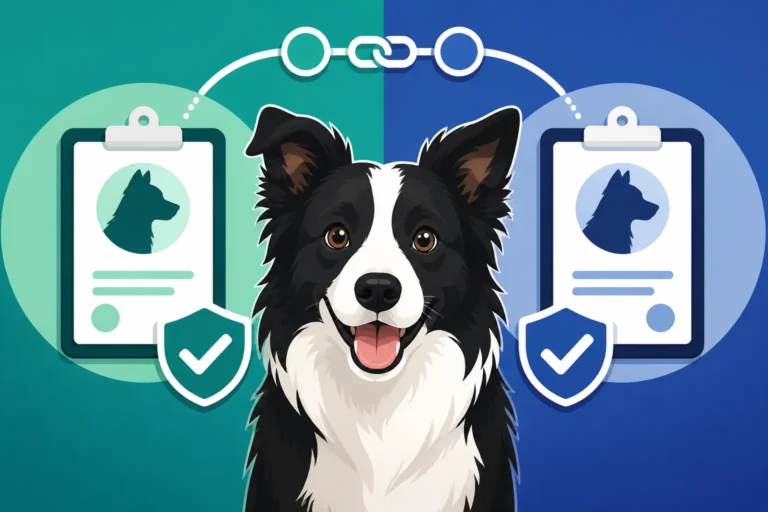
- American Border Collie Association (ABCA): This registry is exclusively for working Border Collies. Their motto, "The Border Collie is a working stock dog," says it all. Dogs are registered based on their pedigree, which must consist of other ABCA-registered working dogs. Conformation titles from kennel clubs like the AKC are a disqualifier. The ABCA's focus ensures the breed's genetic pool remains dedicated to its working roots. You can learn more about their perspective on Why the ABCA Objects to Conformation Showing.
- American Kennel Club (AKC): The AKC recognizes the Border Collie as a breed within its herding group and offers conformation titles, as well as titles in obedience, agility, tracking, and other dog sports. Dogs are registered based on a physical breed standard. For many, AKC registration is important for participating in a wide array of dog sports and events. If you're looking for an active companion and want to try various dog sports, an AKC-registered Border Collie from a reputable sport-focused or companion breeder might be a good fit.
- International Sheep Dog Society (ISDS): Based in the UK, the ISDS is the original registry for Border Collies and focuses solely on working sheepdogs. Many ABCA-registered dogs trace their lineage back to ISDS imports. It's the gold standard for working Border Collies globally. Whether ISDS Papers Transfer With a Border Collie is a common question for those looking at international lines.
Here's a quick comparison to help visualize the different focuses:
| Feature | ABCA (American Border Collie Association) | AKC (American Kennel Club) | ISDS (International Sheep Dog Society) |
|---|---|---|---|
| Primary Focus | Working stock dog ability and preservation | Conformation to a physical breed standard, dog sports | Working sheepdog ability and preservation |
| Registration Basis | Proven working pedigree | Physical appearance and pedigree from AKC-registered parents | Proven working ability and pedigree |
| Conformation Titles | Disqualifier for registration | Required for Champion titles | Irrelevant |
| Purpose of Breeding | Maintain and improve herding ability | Maintain breed aesthetics, participate in diverse events | Maintain and improve herding ability |
| Geographic Focus | North America | United States | United Kingdom and international working dog community |
| Key Distinction | Protects working genetics from conformation influence | Aims to standardize physical traits | Original and purest working dog registry |
Choosing a dog means choosing a path. If you envision your Border Collie as a dedicated working partner, you'll naturally gravitate towards ABCA or ISDS lines. If you're looking for a versatile dog for sports and an active family life, an AKC-registered dog from health-tested parents focusing on temperament might be your ideal. Regardless, ensuring a healthy diet is paramount for such active dogs; Ollie provides fresh, customized meal plans that can be excellent for maintaining their energy and overall well-being. And always consider pet insurance from providers like Healthy Paws to cover unexpected vet bills, especially for an active breed prone to sport-related injuries or genetic conditions.
In the end, the ABCA's decision to bar Border Collies with conformation titles isn't about snobbery or exclusion for its own sake. It's a strategic, deeply principled stand to protect the breed's fundamental identity as a peerless working animal. Understanding this history and philosophy empowers you to make an informed decision when bringing one of these incredible dogs into your life.
Disclaimer
This article is for general informational purposes only and does not constitute professional advice. Laws, prices and regulations vary by location and change over time. Consult a qualified professional for guidance on your specific situation.