Whether a Border Collie Herds Other Dogs
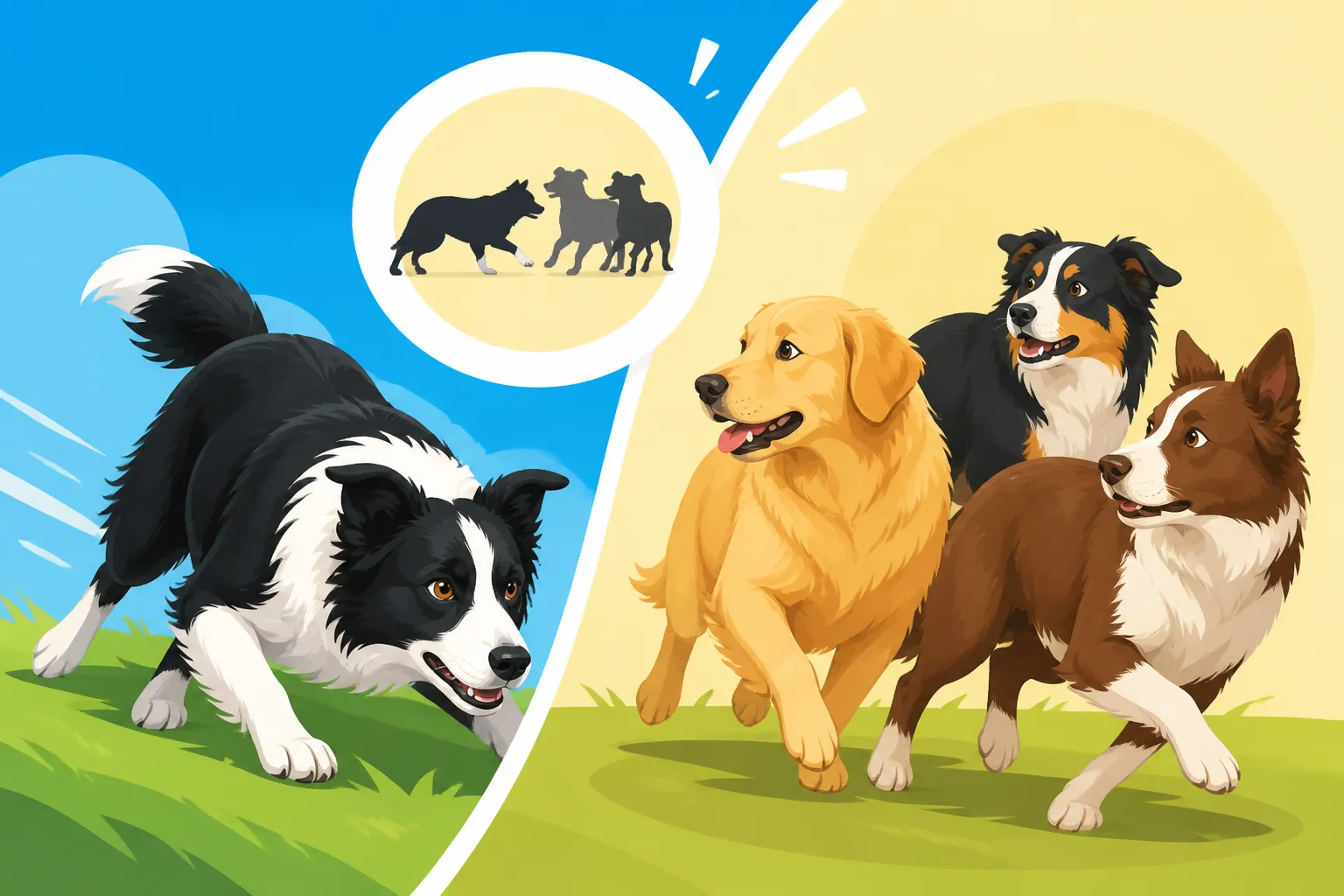
It’s a scene many Border Collie owners know all too well: you’re at the dog park, or even just in your own yard with a few canine buddies, and suddenly your diligent herder decides their playmates are a flock of unruly sheep. They start circling, nipping at heels, or intensely staring, and what began as a fun romp quickly becomes a stressful situation for all involved. This guide will delve into why Border Collies often feel the urge to herd other dogs, what this behavior looks like, and most importantly, how you can manage and redirect these powerful instincts into more appropriate outlets.
The Deep Roots of Herding Other Dogs in Border Collies
Let's be honest, it’s not exactly surprising that a Border Collie wants to herd. It's what they were bred for, deeply ingrained in their DNA over centuries of working alongside shepherds. But understanding why this instinct extends to other dogs, and how it manifests, is the first step in addressing it.
The Inescapable Herding Instinct
Border Collies possess one of the strongest herding instincts among all dog breeds, a trait meticulously cultivated for their role in gathering and moving livestock. This isn't just a learned behavior; it’s a genetic blueprint that dictates how they perceive and interact with moving objects, including other animals. When they see other dogs running, playing, or scattering, it naturally triggers that ancient hardwired response: "My job is to gather and control." It's not malicious; it's simply them doing what their ancestors did. They aren't trying to be bossy or aggressive in the human sense, but rather fulfilling an intrinsic drive to organize the chaos. This instinct is what makes them such incredible working dogs, but it can be a real headache in a modern pet environment. For more on this, you might find our article on The Border Collie Stare and Where It Comes From insightful.
When Play Becomes a "Job"
Sometimes, what starts as innocent play can quickly escalate into a full-blown herding session. A Border Collie might interpret a game of chase or rough-and-tumble as an invitation to engage their herding skills. The quick movements, the chasing, the scattering – it all looks suspiciously like a flock of sheep refusing to cooperate. Without actual sheep or a job to do, other dogs become the most readily available "livestock." It’s important to remember that for your Border Collie, this isn't just a game; it's often a serious undertaking, a deep focus on a task they feel compelled to complete. They might even become frustrated if the other dogs don't respond "correctly" to their herding cues.
The Role of Insufficient Outlets
A common reason a Border Collie might turn their herding instincts onto other dogs is a lack of appropriate mental and physical stimulation in their daily lives. These dogs are intelligent, high-energy animals that thrive on having a purpose. If they don't have enough structured exercise, challenging training, or actual "work" to do, that powerful drive has to go somewhere. It's like having a brilliant mathematician who's only given kindergarten puzzles; they'll find a way to apply their skills, even if it's not the intended context. When their brains aren't engaged, and their bodies aren't tired out from purposeful activity, those instincts bubble up, and other dogs become an easy target. Consider our article Exercise, Work and What Actually Settles a Border Collie for ideas on productive outlets.
What Herding Other Dogs Looks Like
The way a Border Collie "herds" other dogs can vary, but there are some tell-tale signs. It's not always obvious, and sometimes it can be mistaken for regular play, but there are subtle differences that can quickly escalate into discomfort for the other dogs involved.
Common Herding Behaviors in Canine Social Settings
You'll recognize herding behavior by a specific set of actions. Your Border Collie might:
- Circle and Gather: They’ll run wide around a group of dogs, attempting to bring them into a tighter bunch.
- Stalk and Crouch: They might drop into a low crouch, intently staring at another dog, often freezing in place before making a sudden move. This is the classic "Border Collie eye."
- Nip at Heels/Flanks: They may give quick nips or nudges to the rear or sides of other dogs, trying to change their direction or speed. This isn't usually meant to harm, but to control, much like they would with sheep.
- Block Paths: They might position themselves strategically to cut off another dog's escape route, guiding them where they want them to go.
- Intense Stare: The famous "eye" can be used not just on sheep, but on other dogs, creating a very uncomfortable, almost predatory vibe for the recipient.
These behaviors, while natural for the breed, can be quite overwhelming for other dogs, especially those who aren't used to such intense interactions or who are more sensitive.
When the Behavior Becomes Problematic
While some dogs might tolerate mild herding, it often becomes problematic very quickly. The intense stare, the nipping, and the persistent circling can be perceived as rude, threatening, or even aggressive by other dogs. This can lead to:
- Fear and Avoidance: Other dogs might become stressed, try to escape, or simply avoid your Border Collie, effectively cutting them off from healthy social interaction.
- Reactivity and Aggression: Some dogs, feeling cornered or threatened, might react defensively, leading to growling, snapping, or even fights. This is particularly common if your Border Collie is trying to herd a dog that doesn't appreciate being told what to do!
- Stress and Frustration for Your Border Collie: If the other dogs don't respond like sheep (which they rarely do), your Border Collie can become increasingly frustrated, leading to more intense or persistent herding attempts, and potentially an overstimulated, overwhelmed state.
- Safety Concerns: Heel nipping, even if not intended to harm, can cause injury, especially to smaller or older dogs. It can also create tripping hazards for people in the vicinity.
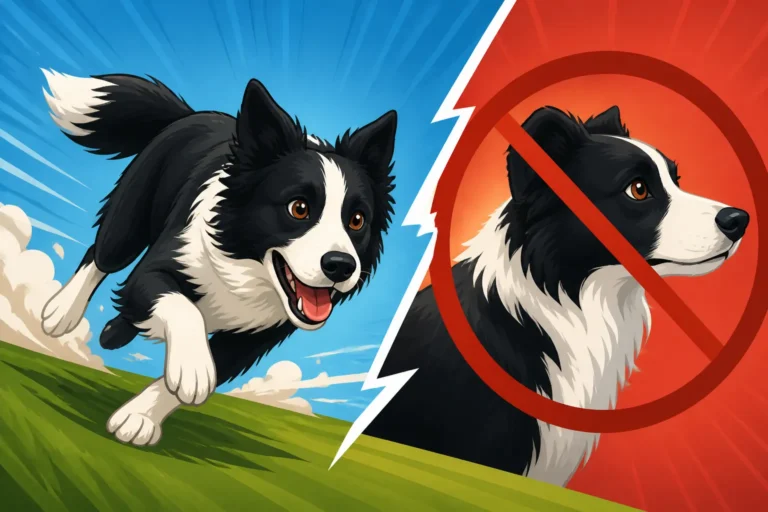
It's crucial to distinguish between a healthy play invitation and a herding attempt. Here's a quick comparison:
| Trait | Play Invitation | Herding Behavior |
|---|---|---|
| Body Language | Loose, bouncy, play bows, wagging tail, relaxed mouth | Stiff, low crouch, intense stare, sometimes low tail |
| Interaction Focus | Mutual chase, reciprocal wrestling, taking turns | Controlling movement, circling, directing other dogs |
| Vocalization | Playful barks, grunts, excited yips | Often silent, focused, occasional sharp barks to direct |
| Recipient Reaction | Engaged, reciprocal, happy | Avoidance, discomfort, defensive growls, trying to escape |
| Duration | Intermittent, breaks for breathing | Persistent, difficult to interrupt, sustained focus |
Recognizing these distinctions is key to intervening before things go sideways.
Managing and Redirecting Herding Behavior
The good news is that while you can't erase a Border Collie's inherent instinct, you can absolutely manage and redirect it. It’s all about providing appropriate outlets, consistent training, and smart supervision.
Providing Appropriate Mental and Physical Outlets
Remember that a tired Border Collie is often a well-behaved Border Collie, but it's not just about physical exhaustion. Mental stimulation is equally, if not more, important.
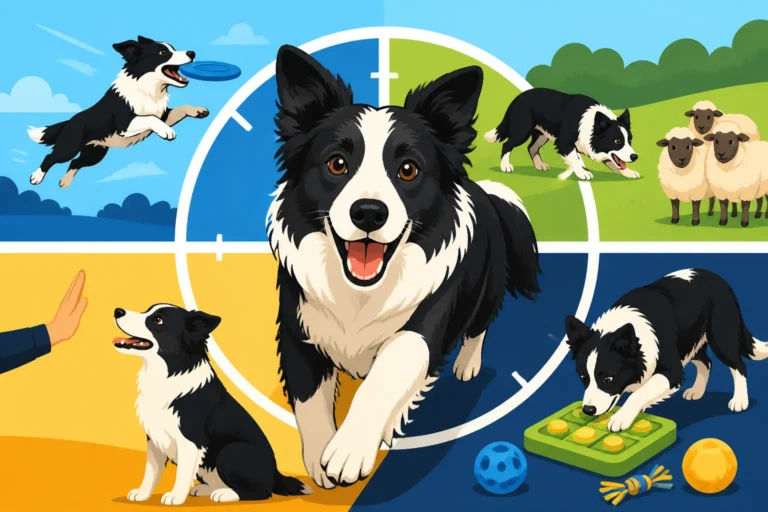
- Structured Play: Instead of letting your Border Collie free-range herd, engage them in structured games like fetch or disc dog. These activities allow them to use their chase drive in a controlled, directed way. You can find durable discs and balls on platforms like Amazon that can stand up to a Border Collie's enthusiasm.
- Dog Sports: Agility, obedience, flyball, or even actual herding lessons (if available and suitable for your dog) are phenomenal for Border Collies. These sports tap into their intelligence, athleticism, and desire to work, giving them a constructive "job." Many Border Collies excel in these areas because it's exactly what their brains and bodies crave. What a Border Collie Does With Its Whole Day really outlines the need for this.
- Puzzle Toys and Scent Work: On days when intense physical activity isn't possible, or to supplement it, puzzle feeders and scent games can be incredibly engaging. Hiding treats around the house or yard and having your dog "hunt" for them provides mental enrichment and uses their problem-solving skills.
- Trick Training: Teaching complex tricks or sequences satisfies their need to learn and please. This could be anything from advanced obedience cues to fun party tricks. The more their brain is actively used, the less likely they are to seek inappropriate outlets.
Teaching Alternative Behaviors and Strong Recalls
Training is your most powerful tool. A solid foundation of obedience can make all the difference.
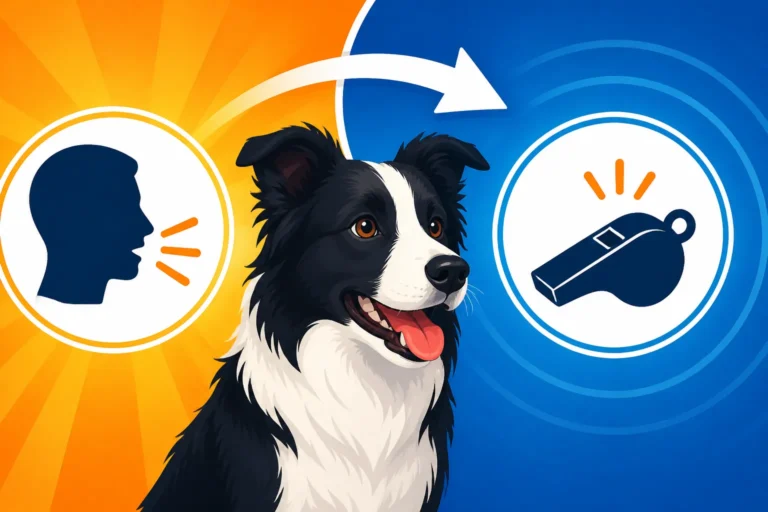
- Reliable Recall: This is non-negotiable. If your Border Collie starts to fixate on another dog, a strong "Come!" or whistle command must be able to break their concentration. Practice recall in increasingly distracting environments. Consider our article Recall on a Border Collie That Has Locked On.
- "Leave It" and "Watch Me": These commands are invaluable. "Leave It" teaches your dog to disengage from something, while "Watch Me" teaches them to focus their attention on you, breaking their intense stare.
- "Go to Mat/Place": This command teaches your dog to settle in a specific spot, which is great for managing their energy in social settings or when guests are over.
- Positive Reinforcement: Always reward desired behaviors enthusiastically. If your Border Collie ignores another dog and walks past calmly, that's a jackpot moment that deserves high-value treats and praise.
- Online Training Resources: If you're looking for structured guidance, programs like BAXTER & Bella offer comprehensive online puppy and dog training courses that can help you build a strong foundation of obedience and impulse control, crucial for managing a Border Collie's instincts.
Structured Socialization and Careful Supervision
Not all social interactions are created equal, especially for a herding breed.
- Controlled Introductions: Introduce your Border Collie to other dogs in a controlled, neutral environment. Keep initial interactions short and positive.
- Supervised Play: Always supervise play sessions, especially with new dogs. Intervene immediately if you see signs of excessive herding, an intense stare, or distress in other dogs. A long line can be a great tool for control in open areas, allowing you to quickly manage distance if needed.
- Choose Playmates Wisely: Some dogs are better playmates for Border Collies than others. Dogs who are tolerant, confident, and perhaps equally energetic can sometimes handle a Border Collie's intensity better. Avoid pairing your Border Collie with shy, fearful, or very small dogs who might be easily overwhelmed or injured.
- Avoid Herding Triggers: If you know certain situations reliably trigger herding behavior (e.g., a large group of running dogs), try to avoid them initially, or at least manage them very carefully. Gradually reintroduce these situations as your training progresses.
When to Seek Professional Help
Sometimes, despite your best efforts, the herding behavior can become too intense, too frequent, or even turn into genuine aggression or anxiety. This is when it's time to call in the cavalry.
Signs the Behavior is Escalating
You might need professional help if you observe:
- Increased Intensity: The nipping becomes harder, the stares more prolonged, or your dog starts pushing or physically bullying other dogs.
- Consistent Conflict: Your Border Collie is frequently causing stress or fights with other dogs, regardless of the setting or playmate.
- Unmanageable Fixation: You struggle to break your dog's focus once they've locked onto another dog, even with your most reliable commands. This often indicates their instinct has completely overridden their training.
- Fear or Reactivity: Your Border Collie displays fear or becomes overtly reactive (barking, lunging) before even attempting to herd, which might signal underlying anxiety or frustration.
- Injury to Other Dogs: Any instance where another dog is physically hurt, even unintentionally, by your Border Collie's herding attempts is a serious red flag.
Don't wait for these issues to become deeply ingrained. Early intervention is always best.
Finding the Right Professional
When seeking help, look for:
- Certified Professional Dog Trainers (CPDT-KA or higher): These individuals have demonstrated knowledge and experience in dog training.
- Certified Applied Animal Behaviorists (CAAB) or Veterinary Behaviorists (DACVB): For more severe or complex behavioral issues, especially if anxiety or aggression is involved, a board-certified behaviorist is the most appropriate professional. They can diagnose underlying issues and create comprehensive behavior modification plans, often working in conjunction with your vet if medication is needed.
- Experience with Herding Breeds: Look for trainers or behaviorists who have specific experience working with Border Collies or other high-drive herding breeds. They'll better understand the nuances of their behavior and instincts.
- Positive Reinforcement Methods: Always choose professionals who use positive, reward-based training methods. Aversive techniques can damage your relationship with your dog and exacerbate behavioral problems, especially in sensitive, intelligent breeds like Border Collies.
A good professional will assess your dog, observe their behavior, and help you develop a tailored plan that includes training exercises, management strategies, and possibly lifestyle adjustments. They might suggest specific tools or techniques to help, or even recommend specific online courses or resources like those available through BAXTER & Bella, to support your learning journey. This proactive approach will help your Border Collie live a happier, more integrated life with other dogs, and give you peace of mind.
Disclaimer
This article is for general informational purposes only and does not constitute professional advice. Laws, prices and regulations vary by location and change over time. Consult a qualified professional for guidance on your specific situation.