Cruciate Tears in a Border Collie
Cruciate tears in Border Collies involve stifle joint anatomy, injury causes, diagnosis, treatment options, and recovery methods.
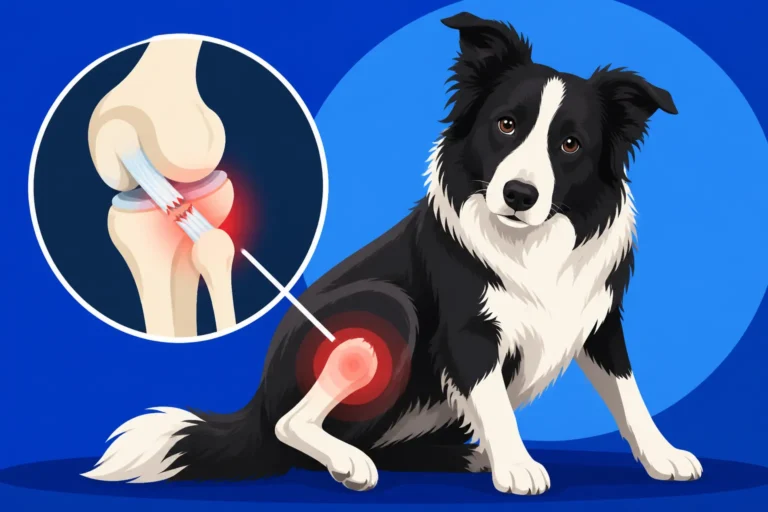
Cruciate tears in Border Collies involve stifle joint anatomy, injury causes, diagnosis, treatment options, and recovery methods.
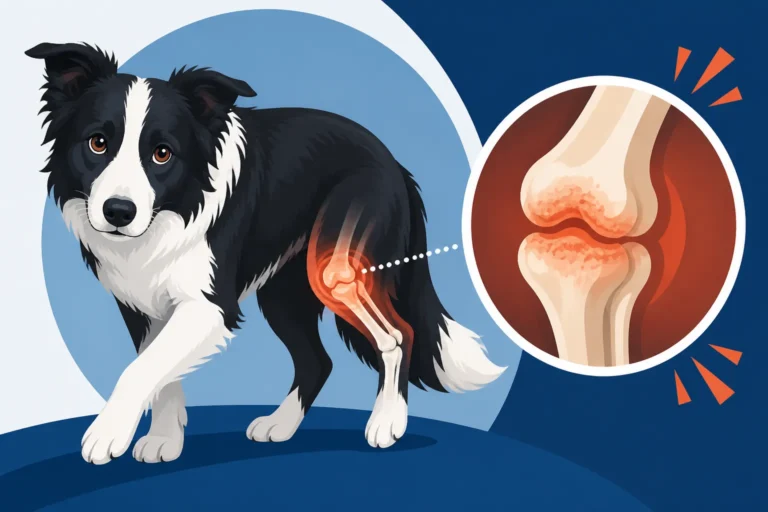
Osteoarthritis causes painful joint cartilage breakdown and bone friction in active Border Collies, usually appearing around age eight.
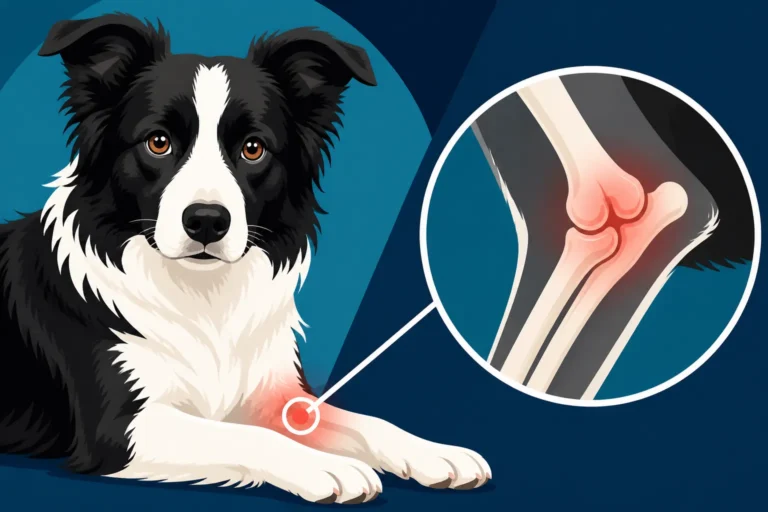
Elbow dysplasia in Border Collies causes forelimb pain and lameness, involving four developmental joint defects and genetics.
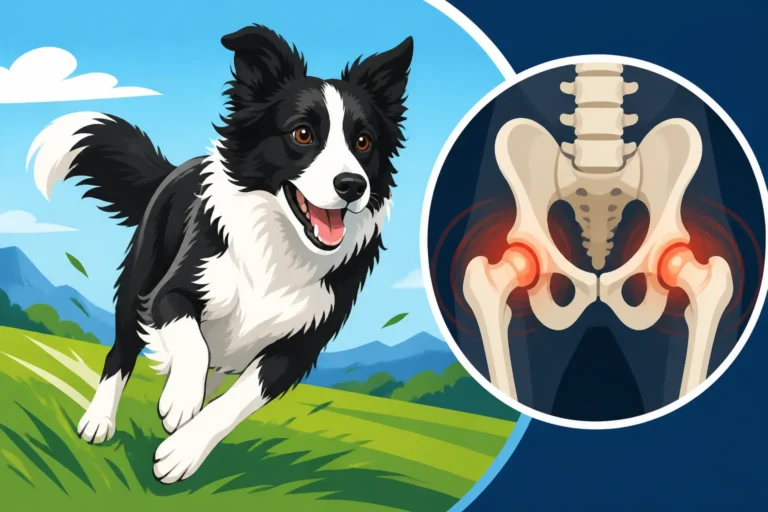
Hip dysplasia in active Border Collies causes painful joint malformation, which owners can manage through early detection and care.
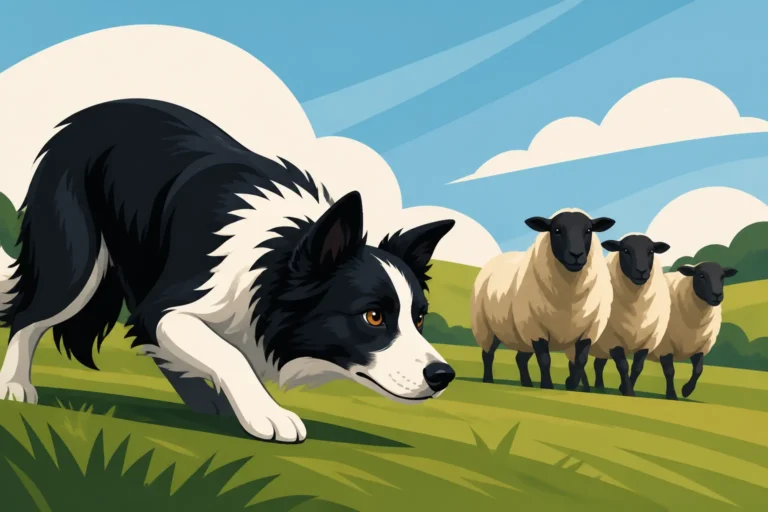
Managing an epileptic Border Collie on stock explains seizure types, emergency vet visits, and working safety.

Medication side effects in Border Collies, including sedation and mood changes, can diminish their mental acuity and drive.
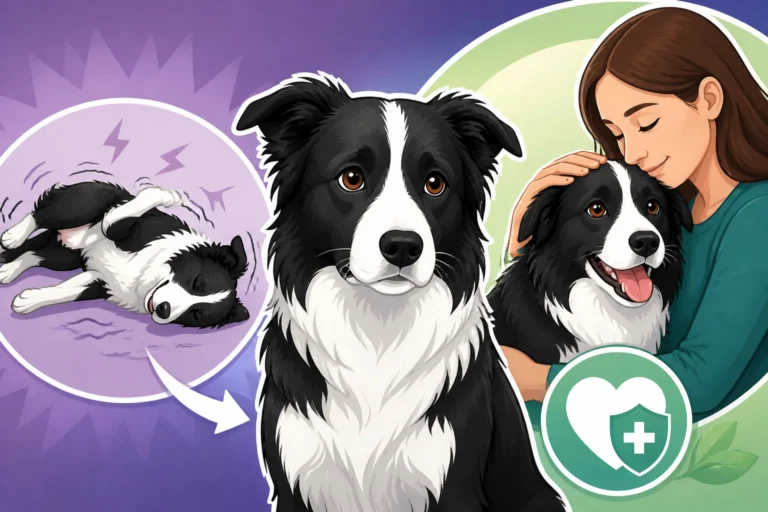
Border Collie seizure recovery steps include timing the episode, noting symptoms, ensuring safety, and contacting a veterinarian.
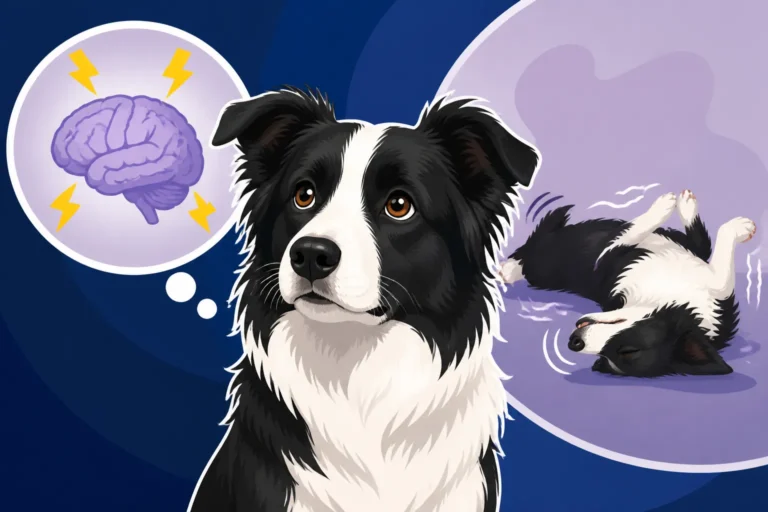
Border Collie epilepsy patterns explain the typical age a dog experiences its first grand mal, focal, or psychomotor seizure event.
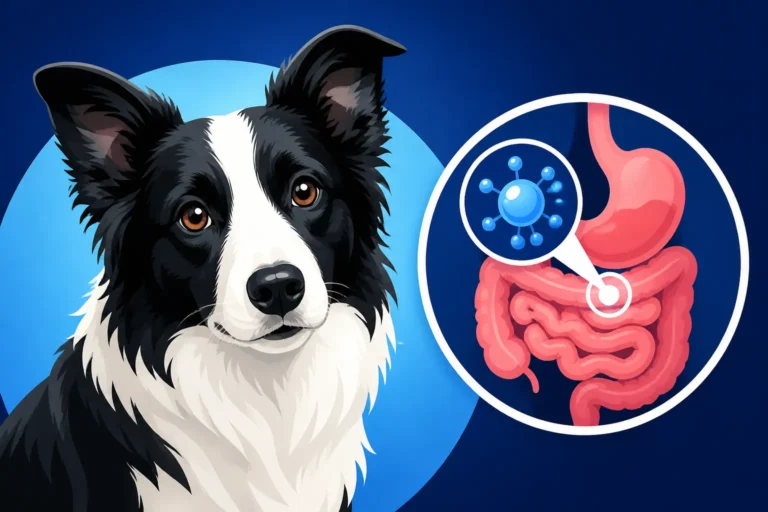
Cobalamin malabsorption in Border Collies is an inherited metabolic disorder preventing dogs from properly absorbing vitamin B12.
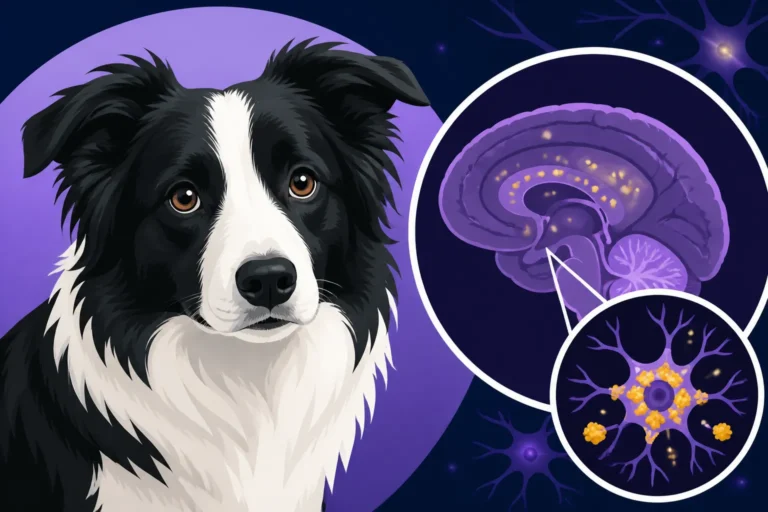
Neuronal Ceroid Lipofuscinosis in Border Collies is a genetic storage disease causing nervous system damage and progressive neurological symptoms.