Toe and Pad Injuries on a Working Border Collie
Working Border Collie paw injuries include painful abrasions, cuts, punctures, sprains, strains, and toe bone fractures.
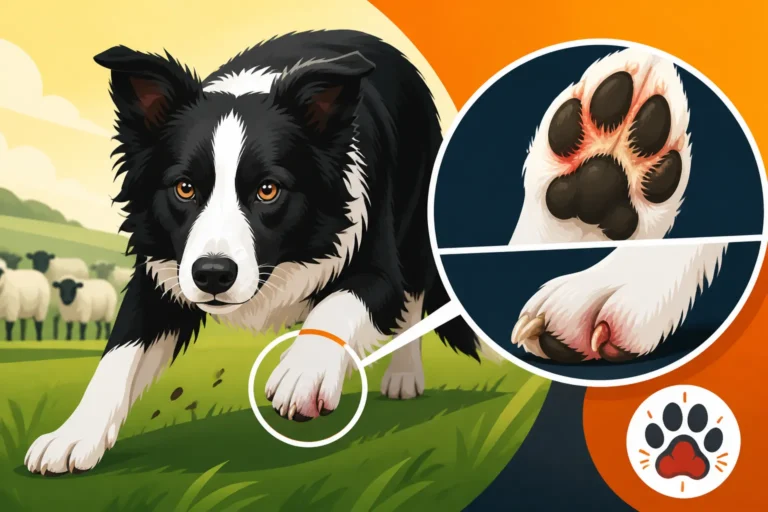
Working Border Collie paw injuries include painful abrasions, cuts, punctures, sprains, strains, and toe bone fractures.
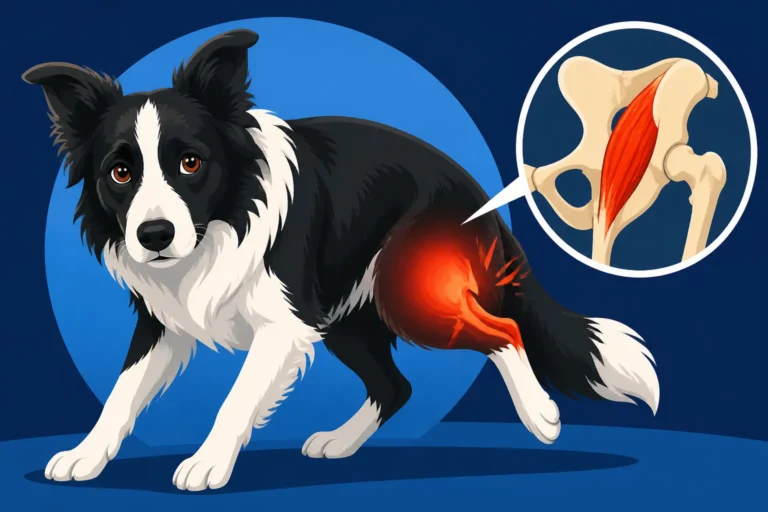
Iliopsoas muscle strain in Border Collies affects agility and herding, causing slower turns, hip flexion issues, and decreased performance.
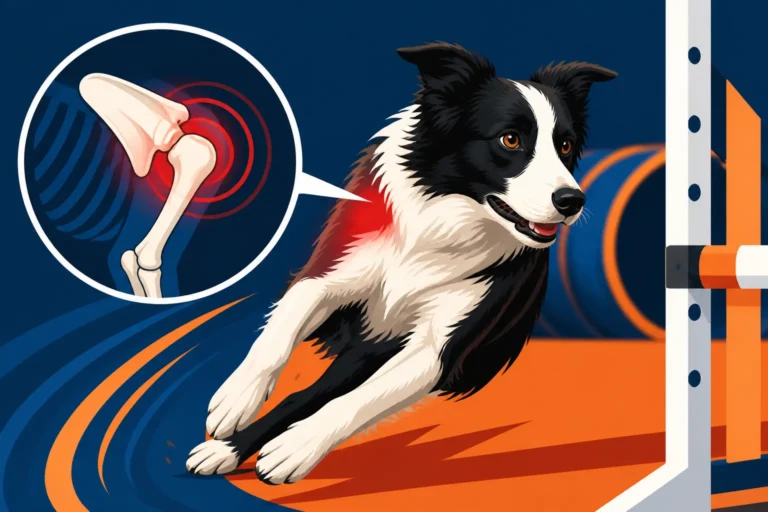
Shoulder joint mechanics, high impact agility movements, and common injuries affecting working Border Collies explained clearly.
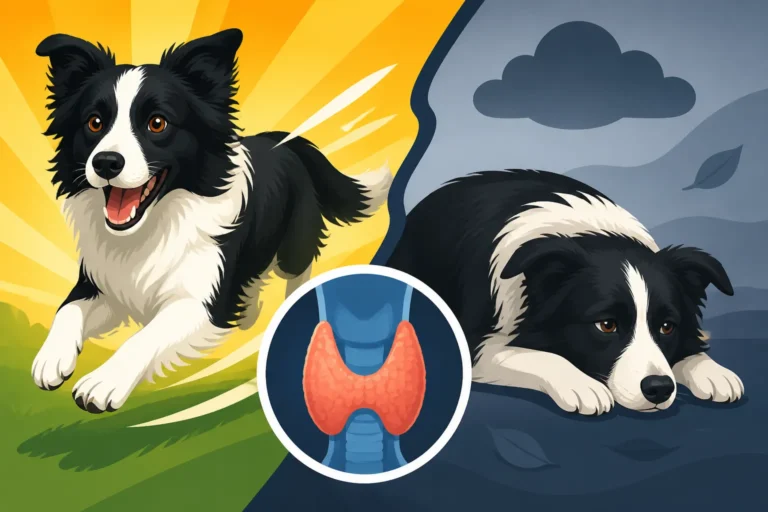
Thyroid hormone imbalance explains why Border Collies lose their intense working drive, energy, and focus during daily activities.

Deafness in Border Collies stems from congenital or acquired causes, including genetic factors linked to merle coat patterns.
Senior Border Collies face cancer risks linked to age, leading owners to monitor signs and evaluate diagnostic and treatment options.
Border Collie longevity depends on health screenings, early care, and joint protection for active lives reaching ages of 12 to 15.
Border Collie MDR1 gene mutation facts explain drug sensitivities, veterinary care strategies, and safe medication management.
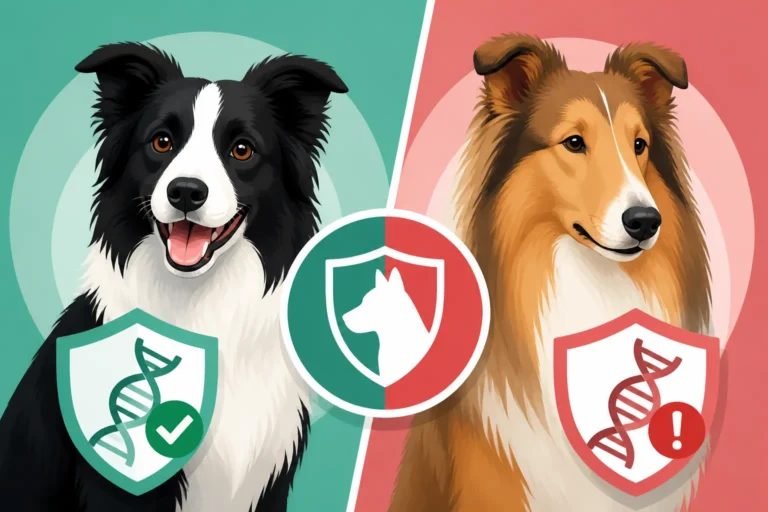
Border Collie genetic history and historic breeding philosophies explain why this herding breed carries the MDR1 drug sensitivity gene less than other collies.
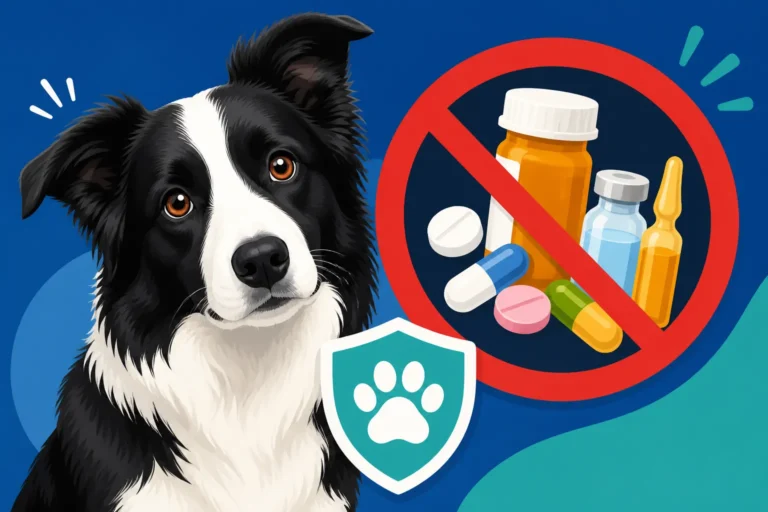
MDR1 gene mutations in Border Collies cause dangerous drug reactions, and this text identifies specific medications to avoid.