Carriers, Affected and Clear on a Border Collie Panel
Border Collie genetic testing results show clear, carrier, and affected statuses to explain inherited disease risks and inheritance.
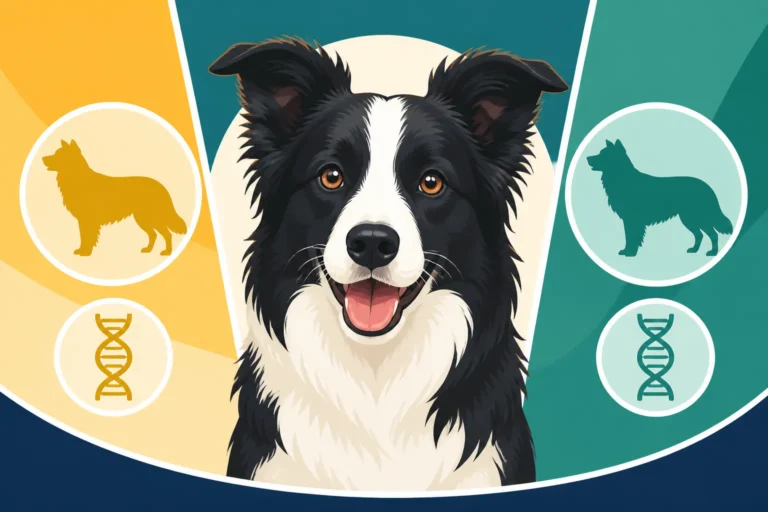
Border Collie genetic testing results show clear, carrier, and affected statuses to explain inherited disease risks and inheritance.

Border Collie breeders learn core DNA tests for Collie Eye Anomaly, Trapped Neutrophil Syndrome, and Neuronal Ceroid Lipofuscinosis.
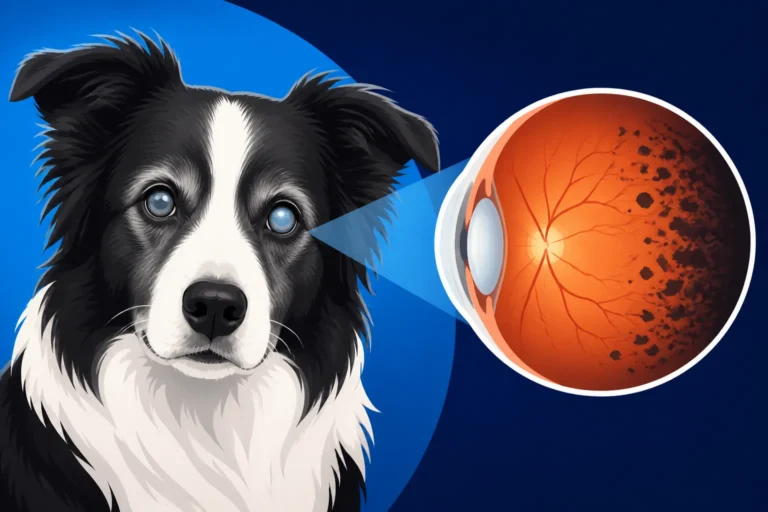
Progressive Retinal Atrophy in older Border Collies causes gradual vision loss through inherited retinal cell degeneration.
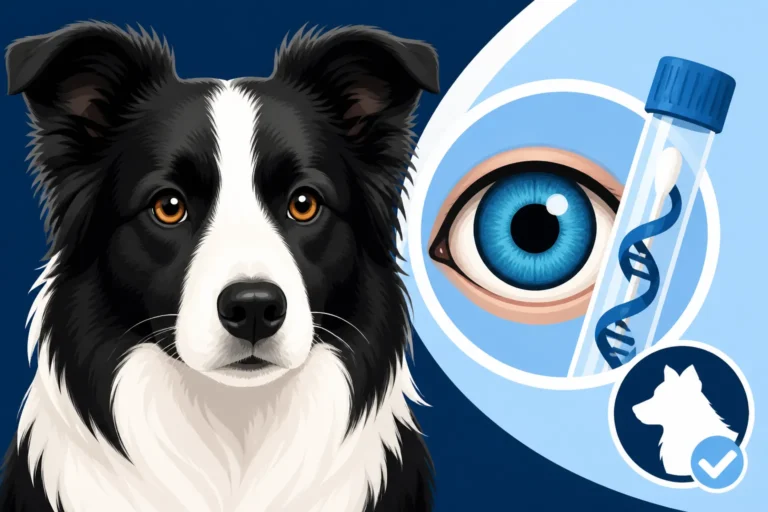
The NHEJ1 genetic test detects Collie Eye Anomaly, a congenital inherited eye disease causing choroidal hypoplasia in Border Collies.

Go-normal Border Collies carry the Collie Eye Anomaly genetic mutation despite routine veterinary eye exams masking choroidal hypoplasia.

Border Collie puppy six week eye exams screen for Collie Eye Anomaly and other inherited vision conditions affecting the choroid.

Border Collie Collapse is a genetic neuromuscular disorder causing neurological dysfunction episodes after intense exercise or excitement in dogs.

Border Collie Collapse and heatstroke symptoms compared, detailing distinct physical signs and recovery differences for dogs.

Border Collie Collapse causes sudden wobbly legs and disorientation during intense exercise due to an inherited genetic disorder.

Border Collie collapse episodes involve sudden coordination loss, muscle weakness, and a distinctive wobbling gait after intense exercise.