What Ends a Border Collie’s Working Life
Border Collie working life ends because aging bodies, fading stamina, and sensory loss make sheep herding and agility tasks too difficult.
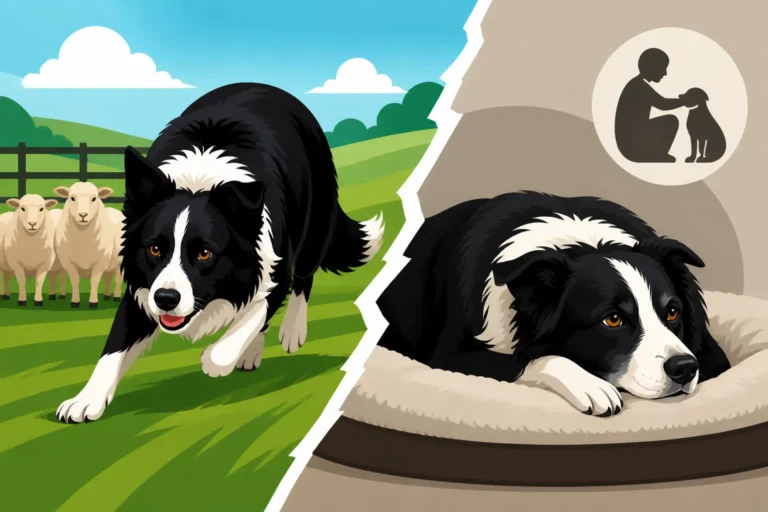
Border Collie working life ends because aging bodies, fading stamina, and sensory loss make sheep herding and agility tasks too difficult.
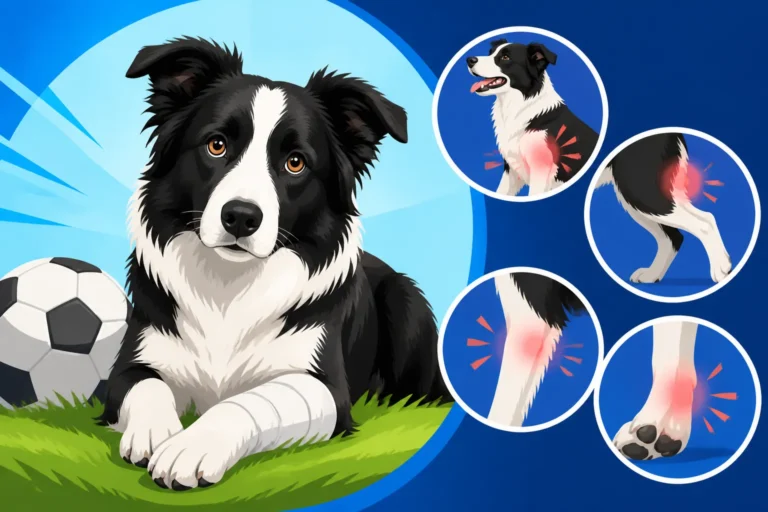
Common sport injuries in athletic Border Collies include ligament tears and joint damage caused by high physical stress.
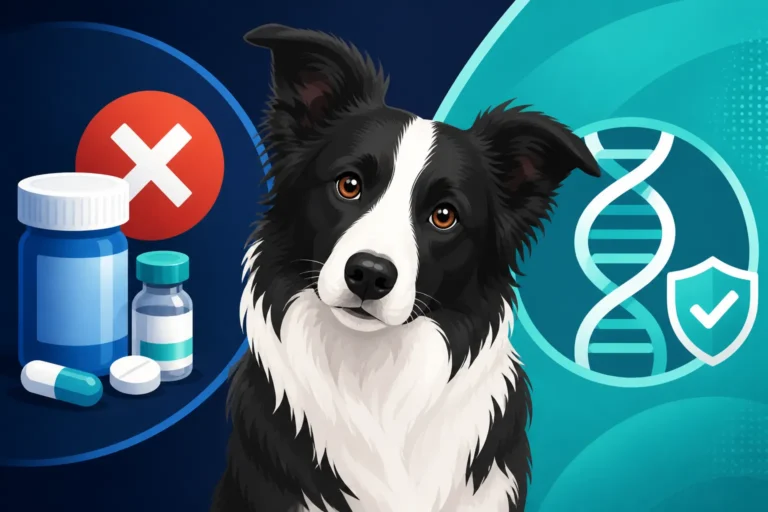
Border Collie MDR1 drug sensitivity explains the genetic mutation causing severe neurological reactions to common medications.
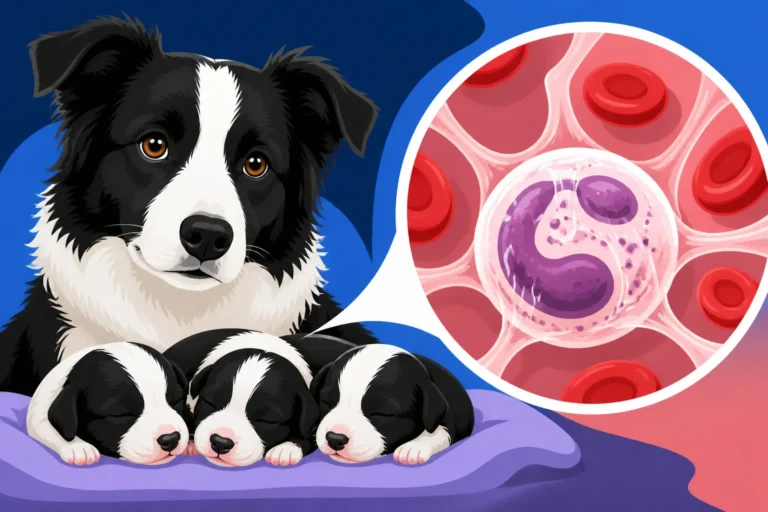
Trapped Neutrophil Syndrome in Border Collies is an inherited genetic disorder that traps white blood cells inside bone marrow.

Border Collie lifespan averages 10 to 14 years, though proper daily care, genetics, and environment help dogs reach 15 or 16.
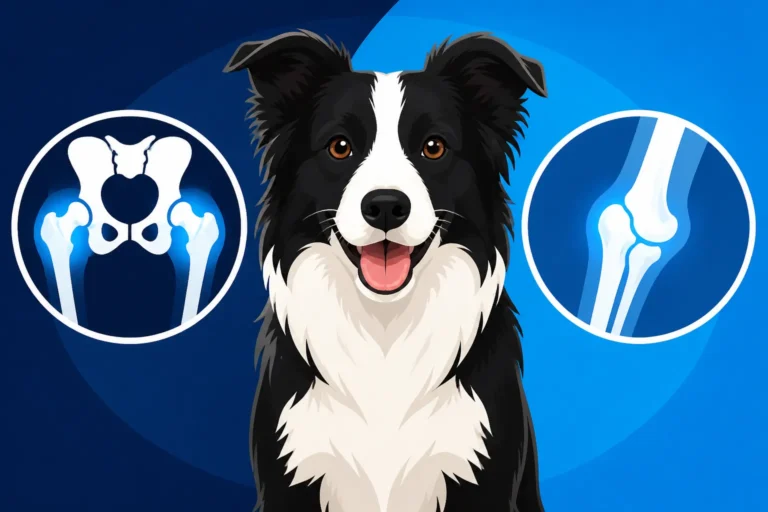
Hip and elbow scoring for Border Collies evaluates joint development to help owners navigate dysplasia results and manage canine health.

Border Collie epilepsy typically begins between ages one and five, involving inherited idiopathic seizures with unknown causes.

Border Collie genetic panels screen parent dogs and puppies for inherited diseases, identifying carriers to prevent future health conditions.

Collie Eye Anomaly is a congenital inherited eye disease affecting the choroid, retina, and sclera in Border Collie puppies.
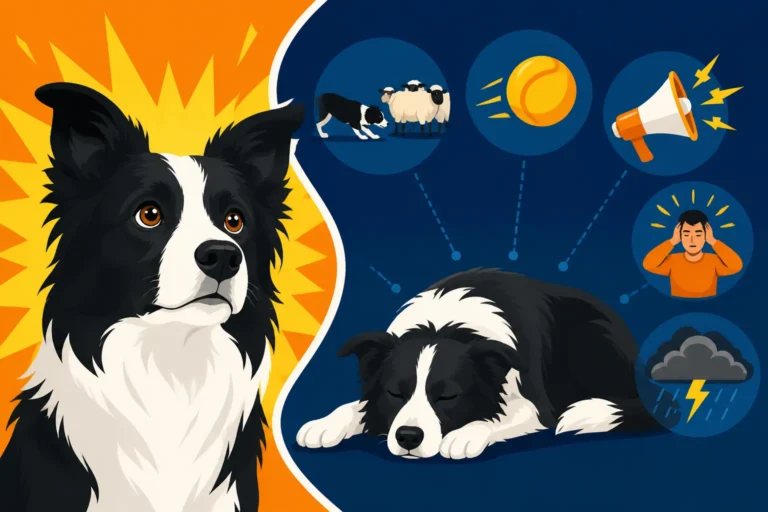
Border Collie Collapse causes temporary hind limb weakness during intense exercise while the dog remains fully conscious.