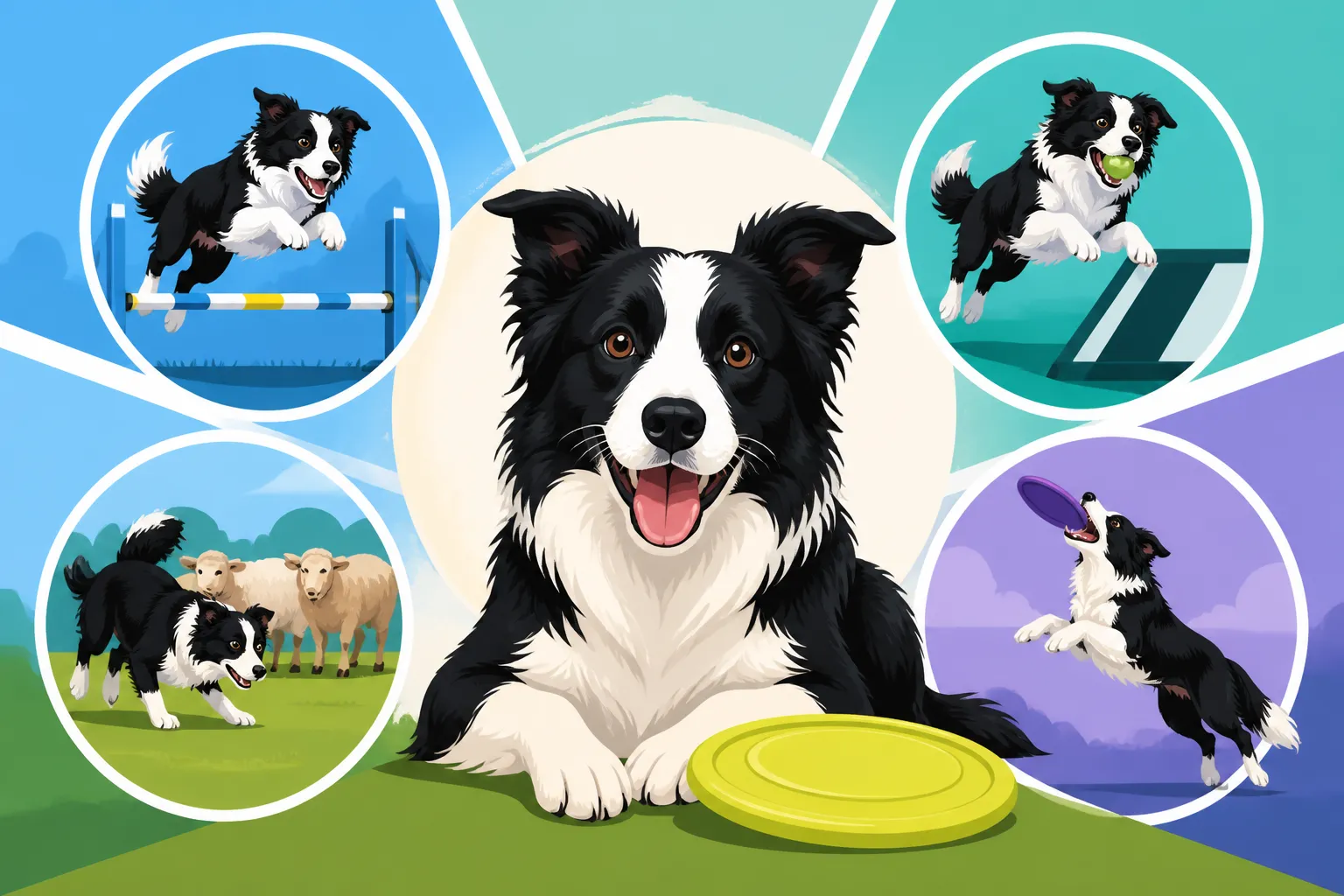
Choosing a Sport for a Border Collie
If you're living with a Border Collie, you already know their boundless energy and sharp minds aren't just a quirky trait – they're a force of nature that needs a proper outlet. Without a job to do, that incredible drive can easily turn into frustration for both you and your dog, manifesting as endless barking, shadow chasing, or destructive chewing. Finding the right dog sport isn't just about winning ribbons; it's about channeling that intense focus into a shared activity that builds an unbreakable bond and satisfies your Border Collie's deepest instincts, creating a truly happy and well-adjusted companion.
Understanding Your Border Collie's Natural Drives
Before diving headfirst into the exciting world of dog sports, it's crucial to understand the fundamental drives that make Border Collies who they are. These aren't just random traits; they're the genetic blueprint that defines their behavior and dictates what activities will truly fulfill them. Trying to force a square peg into a round hole will only lead to frustration, so let's unpack what makes these amazing dogs tick.
The Herding Instinct
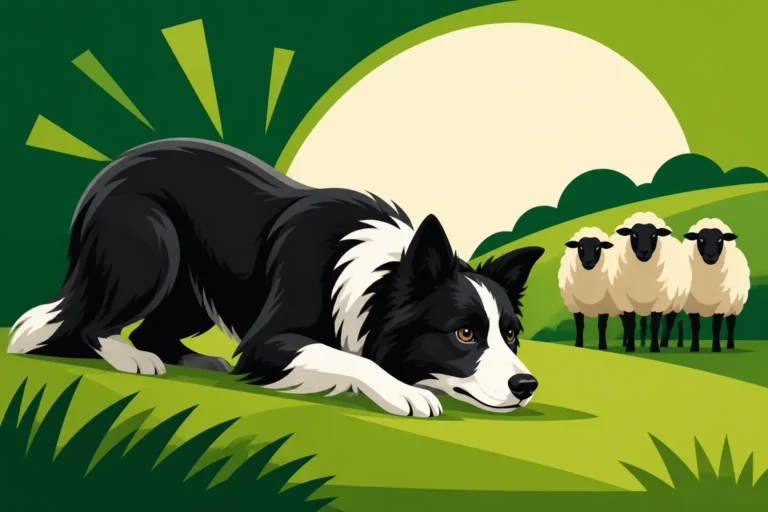
At the very core of every Border Collie, whether they've ever seen a sheep or not, lies the potent herding instinct. This isn't just a desire to chase; it's a sophisticated sequence of behaviors developed over centuries to gather and control livestock. They possess what's known as "eye," an intense stare used to intimidate and move animals, and a deep understanding of pressure and release. You'll see it in how they might try to "gather" family members, gently nudge you into a certain room, or even try to herd smaller pets. The Border Collie Stare and Where It Comes From delves deeper into this fascinating aspect of their behavior.
This inherent drive means they thrive on activities that simulate herding, even if those activities involve inanimate objects or other dogs in a controlled manner. They love to organize, control, and move things from one place to another. Ignoring this powerful instinct is like asking a fish not to swim; it's a fundamental part of their being, and providing a safe, constructive outlet for it is paramount for their mental well-being.
Intelligence and Trainability
Border Collies consistently rank at the top of lists for canine intelligence, and it's not just a myth. Their capacity for learning is truly astonishing, often grasping new commands in just a few repetitions. They possess an innate ability to problem-solve, strategize, and work closely with their human partners, making them incredibly biddable and eager to please. This high intelligence, however, is a double-edged sword. A bored Border Collie isn't just a nuisance; they're a genius with nothing to do, and they'll invent their own "jobs," which are rarely ones you'll appreciate.
This mental horsepower means they need intellectual stimulation that goes far beyond simple walks. Dog sports, by their very nature, require complex sequences of commands, quick decisions, and constant communication between dog and handler. It's this mental engagement that truly satisfies their busy brains, often tiring them out more effectively than purely physical exercise alone. Mental Work That Tires a Border Collie Faster explores various ways to engage their minds, and dog sports are certainly at the top of that list.
Physicality and Stamina
Beyond their mental prowess, Border Collies are bred to be incredibly athletic and resilient. They possess remarkable stamina, agility, and speed, capable of working long hours over varied terrain. They are powerful, compact athletes built for endurance, not just short bursts of speed. A typical "walk around the block" simply won't cut it for these dogs; they require sustained, vigorous activity to keep their bodies conditioned and prevent pent-up energy from boiling over.
Many owners mistakenly believe that simply letting their Border Collie run in the yard is enough, but a true sport goes beyond unstructured play. It provides directed movement, builds specific muscles, and trains coordination, all while preventing overuse injuries. Sports challenge their physical limits in a safe and structured way, ensuring they use their bodies efficiently and build the kind of core strength that prevents future issues. Remember, a physically fit Border Collie is generally a happier, healthier one.
Popular Sports for Border Collies
Now that we understand the deep-seated drives of a Border Collie, let's explore some of the most popular and rewarding dog sports that perfectly align with their natural abilities. Each sport offers unique challenges and benefits, catering to different aspects of their intelligence, athleticism, and instinct.
Herding
For many Border Collie enthusiasts, herding is the ultimate pursuit. It taps directly into their ancestral purpose, allowing them to engage their powerful "eye" and innate understanding of livestock movement. Watching a Border Collie work sheep with precision and grace is an awe-inspiring experience, a true ballet of instinct and communication. Teaching a Border Collie the Herding Commands provides an excellent foundation for understanding the specific language used in this incredible sport.
You don't need a sprawling farm to get started, either. Many areas have local herding clubs or instructors who offer instinct tests and beginner lessons with small flocks of sheep, ducks, or goats. The progression can range from simple instinct work to complex trial patterns, testing a dog's ability to gather, drive, shed, and pen animals under a handler's direction. It's a sport that builds immense trust and teamwork, as dog and handler communicate almost telepathically, with the dog responding to subtle cues and whistle commands.
Agility
Agility is arguably one of the most visible and exhilarating dog sports, and for good reason: Border Collies excel at it. This fast-paced sport involves navigating an obstacle course against the clock, including jumps, tunnels, weave poles, and contact obstacles like A-frames and dog walks. It demands incredible speed, precision, and a high degree of communication between dog and handler. The athleticism required is immense, as dogs weave, turn, and jump with explosive power.
Border Collies thrive on the challenge of learning complex sequences and executing them flawlessly. It's a fantastic way to burn both physical and mental energy, as they have to think on their feet while running at top speed. However, it’s important to remember that agility is a high-impact sport. Proper conditioning, warm-ups, and a focus on safe technique are paramount to prevent injuries. The Age a Border Collie Can Start Jumping and Shoulder Injuries in an Agility Border Collie are crucial reads for anyone considering this path. Many clubs offer beginner classes, and you can even find affordable starter tunnels and jumps on sites like Amazon to practice foundational skills in your backyard.
Obedience and Rally
While perhaps less flashy than herding or agility, competitive obedience and rally are phenomenal sports for Border Collies, highlighting their intelligence and desire to work closely with their handlers. Obedience involves performing a precise set of exercises on command, such as heeling, retrieves, stays, and scent discrimination. It demands absolute focus, attention to detail, and a calm, precise execution.
Rally obedience, often seen as a stepping stone to traditional obedience, is a bit more relaxed and encourages more verbal encouragement. Teams navigate a course with numbered signs, each indicating a specific command to perform. It's a wonderful way to build a strong working relationship, improve communication, and instill a high level of control, all while having fun. Both sports are excellent for dogs that might not have the extreme physical drive for herding or agility but still crave a mental challenge and structured teamwork. They help hone a Border Collie's ability to perform under distraction, a skill valuable in all aspects of life.
Flyball and Disc Dog
If your Border Collie is a speed demon with an insatiable love for toys, flyball and disc dog might be their calling. Flyball is a team relay race where dogs leap over hurdles, trigger a box that shoots out a tennis ball, retrieve the ball, and race back over the hurdles. It's incredibly high-energy, requires explosive speed, and is a fantastic outlet for a dog's natural prey drive and retrieving instinct.
Disc dog, or frisbee, showcases a Border Collie's incredible agility and jumping ability. Handlers throw discs for their dogs to catch, often incorporating acrobatic leaps and elaborate routines. Both sports are perfect for those Border Collies who never seem to tire of chasing and retrieving. They offer immense physical exertion and are incredibly exciting to watch and participate in. Ensure you use appropriate, dog-safe discs and supervise all play to prevent injuries, especially for younger dogs whose growth plates might still be open. How Fast a Border Collie Goes Through Toys gives an idea of their enthusiasm!
Scent Work and Tracking
Border Collies are renowned for their eyes, but their noses are just as powerful. Scent work (often called "nose work") and tracking engage their incredible olfactory abilities, allowing them to follow a specific scent trail or locate hidden odors. This can range from searching for a specific essential oil odor hidden in a box or room (scent work) to following a human scent trail across various terrains (tracking).
These sports are fantastic for all Border Collies, including those with physical limitations or who prefer a calmer, more independent "job." They are mentally exhausting, as the dog has to focus intensely on subtle scent cues, problem-solving their way to the source. It builds confidence and can be a wonderful way to bond, as you learn to trust your dog's instincts and watch them work in a way that feels utterly natural to them. Plus, you can start practicing basic scent games right at home with simple household items, no fancy equipment needed initially!
Matching the Sport to Your Dog and You
Choosing the right sport isn't a one-size-fits-all decision. It's a dynamic process that requires honest self-assessment and a deep understanding of your individual Border Collie. What works brilliantly for one dog might be a frustrating mismatch for another, even within the same breed.
Assessing Your Dog's Personality
Every Border Collie, despite their shared breed characteristics, is an individual with a unique personality. Is your dog bold and outgoing, eager to try new things and unfazed by busy environments? Or are they more reserved, cautious, and perhaps easily overwhelmed by crowds or loud noises? A highly sensitive dog might thrive in a quiet scent work class but struggle with the chaos of a flyball tournament. Does your dog have a strong toy drive, or are they more food-motivated? Do they prefer to work independently or are they constantly checking in with you?
Consider their "grip" – are they prone to nipping or mouthing when excited, which could be an issue in close-contact sports? Some Border Collies have intense "eye" and a low threshold for arousal, meaning they can become over-focused and difficult to interrupt. Others are more relaxed. Observing these nuances will guide you towards sports where their natural tendencies are an asset, not a hindrance. For example, a dog with immense focus might be a star in obedience or herding, while a more distractible but speedy dog could shine in flyball.
Considering Your Own Lifestyle and Commitment
Let's be realistic: choosing a dog sport isn't just about your dog; it's about you, too! Your lifestyle, available time, financial commitment, and physical abilities all play a significant role. Do you have the time to dedicate to weekly classes, regular practice sessions, and potential travel for competitions? Some sports, like herding, often require driving to farms outside of town, while others, like agility, have specialized equipment that takes up space or requires access to a training facility. Agility Class and Entry Fees for a Border Collie can give you an idea of the financial commitment involved.
Are you physically able to run alongside your dog in agility, throw a disc for hours, or stand for long periods at a herding trial? If not, sports like scent work or tracking, where your role is more supervisory, might be a better fit. Be honest about how much time, money, and energy you can consistently invest. The goal is to find an activity you both enjoy and can commit to long-term, not something that quickly becomes another chore on your overflowing plate.
Age and Physical Condition
A Border Collie puppy bursting with potential needs a different approach than a seasoned adult or a graceful senior. For puppies, the focus should be on building a strong foundation, body awareness, and impulse control, without putting undue stress on their developing joints. High-impact activities like jumping in agility or intense fetch sessions should be delayed until their growth plates have closed, usually around 12-18 months. Impact Work Before a Border Collie Turns Two offers valuable insights into this critical developmental period.
For adult dogs, a vet check-up is always a good idea before embarking on a new sport to ensure they are physically sound. Their current fitness level will dictate how quickly they can progress. Older Border Collies might still have plenty of mental drive but need sports that are gentler on their bodies, like scent work, rally obedience with modified exercises, or even slower-paced herding work. The key is to choose a sport that enhances their quality of life, not one that pushes them beyond their physical limits or exacerbates existing conditions.
Getting Started: From Basics to Competition
Once you've narrowed down a few potential sports, the next step is to actually get started! This journey begins long before you set foot in a trial ring, laying a solid foundation that will make all future training easier and more rewarding.
Foundation Training is Key
No matter which sport you choose, a strong foundation in basic obedience and positive reinforcement training is non-negotiable for a Border Collie. This includes reliable recalls (especially important if you're ever near livestock – Recalling a Border Collie Off Livestock), solid stays, good leash manners, and an understanding of basic commands like sit, down, and come. Equally important is developing good impulse control, teaching your dog to think before reacting, which is crucial for high-drive breeds. Many online resources and courses can help you build these skills right from home. For instance, programs like those offered by BAXTER & Bella can provide excellent step-by-step guidance for foundational obedience, setting you and your Border Collie up for success before you even specialize in a specific sport.
Beyond obedience, body awareness exercises are incredibly beneficial, especially for sports like agility or flyball. Teaching your dog to target different body parts, balance on unstable surfaces, or move their hind legs independently can prevent injuries and improve coordination. Simple activities like walking over cavaletti (ground poles) or learning to put their front feet on a small stool can build confidence and proprioception, preparing their bodies for more complex movements down the line.
Finding a Club or Instructor
Unless you're a seasoned professional, you'll want to find a qualified instructor or club for your chosen sport. A good instructor understands canine learning theory, uses positive reinforcement methods, and has experience with high-drive breeds like Border Collies. Look for instructors who prioritize safety, build confidence, and can adapt their teaching style to individual dog-and-handler teams.
Local dog clubs often offer introductory classes for various sports and can be a great way to meet like-minded people. Ask for recommendations from other Border Collie owners, visit classes (without your dog initially) to observe the teaching style, and don't be afraid to ask questions about their philosophy and experience. The right mentor can make all the difference in your journey, guiding you through the intricacies of the sport and helping you troubleshoot challenges.
Essential Gear and Equipment
The specific equipment you'll need will, of course, depend on the sport. However, some items are universally helpful. A sturdy, comfortable leash and collar or harness are a must. High-value training treats are essential for motivating your intelligent Border Collie, and a treat pouch keeps them handy. For play-driven dogs, a variety of durable toys – tugs, balls, and fetch toys – are crucial. You'll soon discover How Fast a Border Collie Goes Through Toys, so having a stash is never a bad idea!
For sports like agility, you might start with simple cones, tunnels, and low jumps that can be sourced easily. If you're serious about herding, you'll need a good stock stick (crook) and potentially a whistle. Many basic training aids, from long lines for recall practice to puzzle toys for mental stimulation, are readily available online through retailers like Amazon, making it convenient to gather what you need as you progress. Don't forget a secure crate for travel and resting at events, and plenty of water for hydration, especially if you're participating in high-energy activities. Feeding a Border Collie on a Performance Diet is also a crucial consideration, as their dietary needs will change with increased activity.
Potential Challenges and How to Overcome Them
While Border Collies are often superstar athletes, the journey into dog sports isn't always smooth sailing. Their intense nature, combined with the demands of competition, can present unique challenges. Anticipating these and having strategies to overcome them will ensure a more positive experience for both you and your dog.
Managing Over-Arousal
One of the most common challenges with Border Collies in sports is managing their intense arousal levels. They can become so focused and driven that they get "over the top," leading to frantic barking, zooming, or even shutting down if they become too stressed. This over-arousal can hinder their ability to learn and perform accurately. It's a fine line between a dog with drive and a dog overwhelmed by it.
The key is to teach your Border Collie how to switch between high-energy work and calm relaxation. Incorporate "off-switch" training from day one, teaching them to settle quietly on a mat or in their crate amidst exciting environments. Practice short, focused bursts of training followed by calm breaks. Use clear start and stop cues for work, and reward calm behavior just as much as enthusiastic performance. Learning to read your dog's subtle stress signals – lip licking, yawning, stiff body language – will help you intervene before they become completely overwhelmed.
Preventing Injuries
Dog sports, especially high-impact ones like agility or flyball, put significant strain on a dog's body. Border Collies, with their explosive power and tendency to push themselves, are particularly susceptible to injuries if not properly conditioned and managed. Common issues can include cruciate ligament tears, shoulder injuries, and soft tissue strains. The Cruciate Tear an Agility Border Collie Gets and Shoulder Injuries in an Agility Border Collie provide important information on these risks.
Prevention is paramount. This means ensuring your dog is physically fit and has strong core muscles. Always perform a thorough warm-up before any intense activity and a cool-down afterwards. Introduce new obstacles and movements gradually, allowing their body to adapt. Pay attention to footing, avoiding slippery surfaces or uneven ground. Regular veterinary check-ups, and even consultations with a canine physiotherapist or chiropractor, can help identify and address minor issues before they become major problems. Remember, your Border Collie's athletic career depends on their physical soundness.
The Pressure of Competition
For many owners, the goal of dog sports is competition, but the atmosphere of trials can be stressful. The pressure to perform, the distractions of other dogs and people, and the unfamiliar environment can all impact your Border Collie. It's easy for us, as handlers, to get caught up in scores and placements, inadvertently transferring our stress to our dogs.
The most important advice is to remember why you started: for the fun, the bond, and the enjoyment of working with your amazing dog. Focus on celebrating small successes, learning from mistakes, and maintaining a positive attitude. Don't compare your dog to others; compare their current performance to their past performance. Treat every trial as a learning opportunity, and prioritize your dog's well-being over winning. If either of you isn't having fun, it's time to re-evaluate your approach. The journey is far more important than the destination.
Beyond the Competition Ring: Enjoying the Journey
While the thrill of competition can be exhilarating, the true enduring value of engaging in dog sports with your Border Collie extends far beyond ribbons and titles. It's about the everyday moments, the shared understanding, and the remarkable bond you forge along the way.
The Bond You Build
There’s something truly magical about working in sync with your Border Collie, especially when you’re both passionate about the same activity. Whether you’re sending them "away to me" to gather sheep, guiding them over a challenging agility course, or watching them confidently track a hidden scent, these shared experiences build a depth of connection that is unparalleled. Your Border Collie learns to trust your cues implicitly, and you learn to read their subtle body language, anticipating their next move. This shared language and mutual respect deepen your bond exponentially.
These activities are not just about commands and performance; they are about communication, problem-solving, and celebrating each other's strengths. The joy in your dog's eyes when they successfully complete a task, and the pride you feel in their effort, are precious moments that reinforce your partnership and make all the hard work worthwhile. It's a relationship built on collaboration, where you are truly a team, navigating challenges and celebrating triumphs together.
Adaptability and Lifelong Engagement
One of the most beautiful aspects of dog sports is their adaptability. Your Border Collie's needs will change throughout their life, from the boundless energy of youth to the wisdom and slower pace of their senior years. A good dog sport journey allows for evolution, ensuring that your dog remains engaged and active for as long as possible. A young, athletic dog might excel in high-impact agility, but as they age, they might transition gracefully to scent work, rally obedience with modified exercises, or less strenuous herding patterns.
The goal isn't just a few peak competitive years; it's a lifetime of shared activity and mental stimulation. Keeping your Border Collie's mind and body active well into their golden years is crucial for their overall health and happiness. You might even find new sports or variations of old ones to explore together, continually challenging yourselves and strengthening that incredible connection. The Border Collie That Stays Sound Into Its Teens often has owners who have found ways to adapt their activities as their dogs mature, proving that an active life doesn't have to end with competitive retirement.
| Sport | Key Border Collie Trait Engaged | Physical Demands | Mental Demands | Equipment Cost (Initial) | Common Injury Risk |
|---|---|---|---|---|---|
| Herding | Instinct, Eye, Control | Moderate to High | Very High | Low | Overheating, Strains |
| Agility | Speed, Agility, Trainability | Very High | High | Moderate to High | Cruciate, Shoulder |
| Obedience/Rally | Intelligence, Focus, Biddability | Low to Moderate | High | Low | Minimal |
| Flyball | Speed, Retrieve Drive, Stamina | Very High | Moderate | Low | Joint strain, Paw pads |
| Disc Dog | Agility, Retrieve Drive, Jump | High | Moderate | Low | Joint impact, Tooth |
| Scent Work | Nose, Problem-Solving, Focus | Low to Moderate | Very High | Very Low | Minimal |
Disclaimer
This article is for general informational purposes only and does not constitute professional advice. Laws, prices and regulations vary by location and change over time. Consult a qualified professional for guidance on your specific situation.