Ending a Session So a Border Collie Leaves Sheep
It's an age-old frustration for anyone working a Border Collie with livestock: you've had a fantastic run, the sheep are precisely where they need to be, and you give the command to stop, but your dog just won't quit. That intense focus, the very thing that makes them brilliant herders, can also make it incredibly difficult for them to disengage. This guide will walk you through the nuanced steps and patient training required to teach your Border Collie a reliable "off-switch" so they can calmly and cleanly leave the sheep when the work is done.
Understanding the Border Collie's Instinct to Gather
To truly understand why a Border Collie struggles to leave sheep, we first need to appreciate the deep-seated instincts that drive them. This isn't just a dog playing; it's a finely honed genetic predisposition that has been selectively bred over centuries. Their entire being is geared towards the gather, the balance, and the control of livestock.
The Power of the Herding Instinct
Imagine being born with an overwhelming, almost primal urge to accomplish a single, specific task. For a Border Collie, that task is herding. They are not merely interested in the sheep; they are compelled by them. This instinct manifests as "eye" – that intense, focused gaze that can hold an animal, and the desire to control movement. When they are working, their brains are flooded with purpose, making it incredibly challenging for them to simply turn off that drive on command. It’s like asking a switch to flip from "on" to "off" instantly when it's been hardwired to stay "on" for generations. This inherent drive is what makes them exceptional partners in the field, but it also creates a unique training challenge when it comes to ending a session.
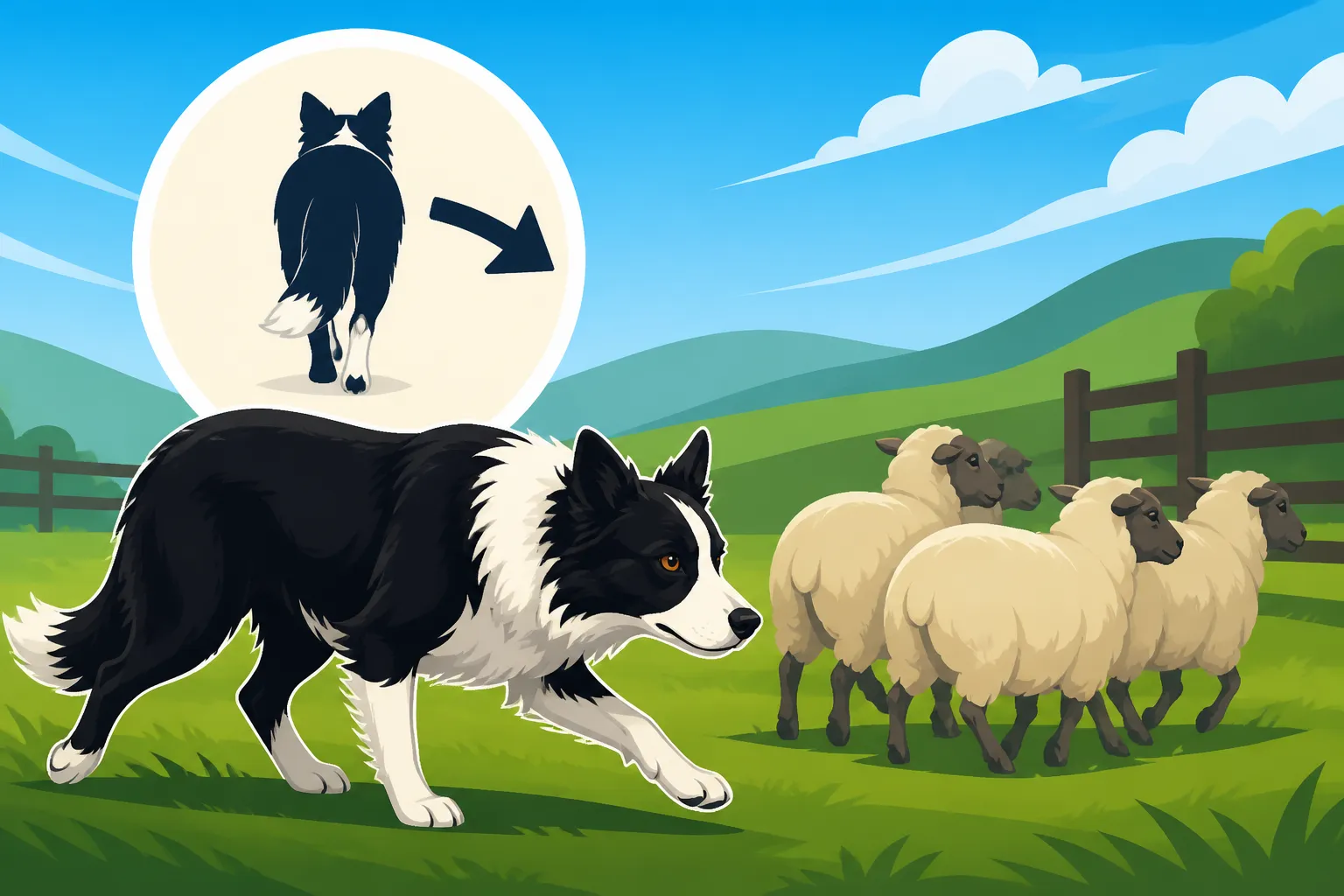
When a Border Collie is engaged with livestock, especially sheep, they enter a state of heightened focus. Their senses are tuned to every twitch, every shift in the flock's movement. Their body language, from the low crouch to the subtle tail flick, is all about control. Asking them to break this focus abruptly isn't just asking them to stop a behavior; it's asking them to override their most fundamental programming. This is why a simple "come" command, which might work perfectly in a park, can fall on deaf ears when there are sheep involved. They are literally operating on a different wavelength, driven by an ancient imperative.
Why Disengaging Is So Difficult
The difficulty in disengaging stems from several factors, all rooted in their genetic makeup. Firstly, for many Border Collies, leaving the sheep feels like leaving a job unfinished. Their instinct tells them to gather, to hold, to bring the sheep to you. If the sheep aren't perfectly settled or penned, or if they perceive any lingering "threat" to the flock (even if it's just a misplaced lamb), their drive will keep them locked in. This isn't disobedience; it's a deep commitment to what they believe is their purpose. They are, in their own minds, protecting and managing the flock, and that job is never truly "done" until they are explicitly told otherwise in a way they understand.
Secondly, the sheer adrenaline and mental stimulation involved in herding are immense. It's a high-stakes, high-focus activity that requires intense concentration and quick decision-making. Coming down from that level of arousal takes time and a clear signal from the handler. Without proper training, the dog can remain in an elevated state, unable to relax and truly quit the task. This is why you often see a dog still "looking" for work even after the sheep are gone, pacing or staring intently into the distance. It takes deliberate effort and specific training to help them transition from that intense working mindset back to a calm, rested state.
Teaching the "That'll Do" Command
The "That'll Do" command is more than just a simple "stop" – it’s a release, an "off-switch" for the Border Collie's herding drive. It tells them explicitly that the work is finished, they are to disengage from the sheep, and return to their handler. This command needs to be taught with absolute consistency and clarity, associating it with a definitive end to the working session.
Introducing the "Off-Switch" Concept
The journey to a reliable "That'll Do" begins long before your dog is in a high-drive situation with actual sheep. It starts by teaching them an equivalent "off-switch" in lower-distraction environments. Think about teaching them to drop a favorite toy on command, or to stop an exciting game of fetch and lie down calmly. The principle is the same: voluntarily ending a high-value activity and transitioning to a calmer state. This foundational work helps them understand the concept of an "end" to play or work, and the expectation to switch gears. Many trainers find success using a long line during these initial stages, even without sheep, to ensure the dog physically disengages and returns.
You want to start this in a calm environment, perhaps with a less stimulating activity like a short game of tug. Engage the dog, let them get excited, and then calmly use your "That'll Do" command (or "Enough," or whatever phrase you choose) and immediately follow it with an instruction to come to you and settle. Reward them heavily for breaking their focus on the toy and returning to you. Over time, increase the excitement level of the activity, gradually building their ability to disengage from something they really want to do. Consistency here is key; always end the activity on your terms, not theirs.
Gradual Application with Livestock
Once the concept is solid in lower-distraction settings, you can gradually introduce "That'll Do" with livestock. Start with very short, controlled sessions. The key here is to call your dog off before they are over-stimulated or deeply committed to the work. Let them gather for a minute or two, get a taste of the work, and then issue your "That'll Do" command. Immediately follow it with a clear "Come" and praise them enthusiastically when they disengage and return. It's crucial to make returning to you just as rewarding, if not more so, than continuing to work the sheep. This might involve high-value treats, a favorite non-herding toy, or effusive verbal praise.
Using a long line during these initial stages with sheep is invaluable. Even a The Thirty-Foot Line a Border Collie Recall Needs can provide the physical backup you need if your dog hesitates to disengage. As you give the "That'll Do" command, you can gently but firmly guide them away from the sheep. This physical cue reinforces the verbal command and helps them understand that the session is truly over. You might even have a designated "ending spot" away from the sheep, where they know they will be rewarded and released from their working mindset. Remember, patience is paramount; this is a complex behavior to teach.
Practical Strategies for a Clean Disengage
Teaching a Border Collie to leave sheep isn't just about one command; it's about a holistic approach that incorporates timing, environment, and consistent routines. It’s about building a clear understanding for your dog that when you say the word, the work is genuinely finished.
Timing Your Disengage
Timing is absolutely everything when it comes to getting a clean disengage. The biggest mistake handlers make is waiting until the dog is completely "over threshold" – so intensely focused and driven that they can barely hear you, let alone respond. Instead, aim to end the session slightly before your dog is at their peak intensity. This means calling them off when they’re still listening, still able to shift their focus. You want to finish on a positive note, with a successful short run, rather than letting them push to exhaustion or frustration. Think of it like pulling a child away from a fascinating game; if you do it before they're fully immersed, it's much easier.
Consider the energy levels. A dog that has been working for too long, especially in warm weather, might be physically exhausted but still mentally "on," leading to a confused, unwilling disengage. Or, conversely, a young dog that's just starting might get so buzzed by the new experience that they struggle to calm down. Pay close attention to your dog's body language. Are their ears still actively twitching, taking in every sound from the sheep? Is their "eye" still locked on, or is there a slight softening? That subtle shift is your window. The goal is to set your dog up for success, ensuring they have the mental capacity to process and obey your "That'll Do" command. Consistency in these shorter, successful sessions builds a strong association between the command and a positive, calm outcome.
Creating a Clear Routine and Boundary
Dogs thrive on routine, and Border Collies, with their intelligent and observant nature, are particularly good at picking up on patterns. Establish a clear routine for ending a session. This might involve always putting the sheep away in a specific pen, or always walking your dog to a designated spot outside the working area before giving the final release. The predictability of this routine signals to your dog that the work is truly winding down. For example, once the sheep are settled, you might walk your dog on a loose leash around the perimeter of the field once, then go to the gate. This sequence helps them transition mentally.
Another powerful strategy is using a physical boundary. Many handlers teach their dogs to go to a crate or a specific mat immediately after the "That'll Do" command, signaling a complete break from work. This can be particularly effective for dogs that struggle to switch off. Having a comfortable, quiet place away from the action, perhaps a portable crate from a retailer like Amazon, can provide a clear boundary. Teach them that this spot is where they can relax, chew on a high-value treat, and decompress. You can also incorporate a specific piece of gear, like removing their working collar and putting on a walking harness, as part of the "end of work" routine. These physical cues reinforce the mental shift you're asking them to make.
Reinforcement and Reward for Quitting
It might seem counterintuitive to reward your dog for stopping work, especially if that work is their greatest joy. However, for a Border Collie, successfully disengaging from sheep is a massive act of self-control and obedience, and it absolutely deserves high-value rewards. When your dog responds to "That'll Do" and returns to you, shower them with praise, offer a special treat, or engage in a brief, calm, non-herding activity they enjoy, like a gentle pet or a short game with a favored toy that isn't their herding ball. The idea is to make quitting the sheep a positive and rewarding experience.
Consider a system where the reward for a clean "That'll Do" is a special "post-work" treat or a relaxing massage. This creates a strong positive association with the end of the session. Some handlers even use a distinct verbal marker, like "Good quit!" or a unique whistle tone, immediately followed by the reward, to mark the exact moment of successful disengagement. Just like you reward for a perfect gather or a precise fetch, you must celebrate their ability to not work. Programs like those offered by BAXTER & Bella often emphasize positive reinforcement for calm behavior, which is directly applicable here. Over time, the reward system strengthens the dog's willingness to listen and disengage, understanding that a clean end to the session brings its own specific pleasures.
| Command | Purpose | When to Use | Example of Reinforcement |
|---|---|---|---|
| That'll Do | End work, disengage from sheep, return to handler | At the end of a session, before over-arousal | High-value treat, calm praise, gentle play away from sheep |
| Come / Here | Return to handler | Immediately after "That'll Do" | Treat, praise, connection with handler |
| Lie Down / Stay | Calmly settle in a designated spot | After returning, away from the working area | Kong with peanut butter, quiet chew toy |
| Walk Up | Move towards sheep (working command) | During herding, to bring sheep closer | Successful movement of sheep, handler's satisfaction |
Troubleshooting Common Issues
Even with the best intentions and consistent training, Border Collies can sometimes present unique challenges when it comes to leaving the sheep. Understanding these common roadblocks and having strategies to overcome them is crucial for effective training.
Overcoming Resistance and Strong Drive
One of the most common issues is outright resistance or a seeming inability to break the intense "eye" they have on the sheep. This often happens if the dog has been allowed to work for too long, or if the "That'll Do" command wasn't established strongly enough in lower-distraction settings. When faced with a dog that simply stares, refuses to move, or tries to sneak back to the sheep, you need to revisit the basics with renewed consistency. First, ensure you're working in a contained area where the sheep are secure and not easily accessible if the dog ignores you. The Border Collie That Will Not Break Its Stare is a challenge many handlers face.
If your dog ignores the verbal command, you must use a physical cue. This is where a long line becomes indispensable. Attach the line before the session begins. When you issue "That'll Do," if they hesitate, give a gentle but firm tug on the line, consistently guiding them away from the sheep while repeating the command. As soon as they take a step towards you, release the tension and reward. It’s not about punishment, but about clear communication and physically aiding them to make the correct choice. Repeat this many, many times, always ensuring the return is more pleasant than staying with the sheep. Sometimes, you might even need to physically walk out to your dog and calmly, but determinedly, walk them back to you, reinforcing with the leash if necessary.
Dealing with "Sniffing Out" More Work
Another common scenario is the dog that, after a session, still seems to be "on the hunt," looking for stray sheep, or acting agitated even after returning to you. They might pace, scan the horizon, or even try to bolt back towards the field. This indicates they haven't fully de-aroused or accepted that the work is truly over. This is particularly prevalent in highly driven dogs. Their mental engine is still running at top speed, and they're actively trying to find more "work."
For these dogs, establishing a clear cool-down period and a definitive "off-switch" routine is vital. After the "That'll Do" and return, don't just put them straight into their kennel or let them loose to wander. Instead, engage them in a calm, structured activity that signals the transition. This could be a short, leisurely walk on a leash away from the working area, or a session of Scentwork for a Border Collie Between Trial Seasons. Give them a special chew toy or a puzzle feeder filled with a portion of their meal to help them settle and redirect their mental energy. The goal is to gradually lower their arousal levels. Some handlers even find success with a brief period of quiet grooming or a gentle massage, which can promote relaxation and detachment from the work. This helps them transition from "working dog" to "companion dog."
Addressing Over-Arousal and Post-Work Jitters
Sometimes, even when a Border Collie physically leaves the sheep, they remain highly aroused and jittery. This might manifest as excessive panting, pacing, whining, or even destructive behavior if left unsupervised. This isn't disobedience but a physiological response to the intense stimulation of herding. They are essentially "over-stimulated" and need help coming down. This often suggests the sessions might have been too long, too intense, or too frequent without sufficient recovery time.
To manage over-arousal, focus on proactive management during and after the session. Keep sessions shorter initially, especially for young or inexperienced dogs. Ensure they have access to plenty of fresh water and shade if it's warm. After the "That'll Do" and successful return, lead them to a designated quiet area – a crate or a specific mat – where they can decompress. Offer a long-lasting, calming chew or a stuffed Kong. You might even consider incorporating calming routines like a gentle brush down or a quiet moment of cuddles. For dogs that are truly struggling, you might explore enrichment toys from Amazon or specific relaxation exercises. Remember, helping your Border Collie learn to relax is just as important as teaching them how to work. Building an "off-switch" is vital not only for your peace of mind but for their overall well-being and ability to thrive in a non-working environment too.
Disclaimer
This article is for general informational purposes only and does not constitute professional advice. Laws, prices and regulations vary by location and change over time. Consult a qualified professional for guidance on your specific situation.