Grass Awns and Grit in a Border Collie’s Ears
It's every Border Collie owner's nightmare: you're out enjoying a beautiful day with your dog, perhaps working stock or simply enjoying a long hike, and later you notice them shaking their head incessantly or pawing at an ear. The sinking feeling that something is amiss is all too familiar. Often, it's not just a bit of water or a mild irritation; it can be something far more insidious like a grass awn or piece of grit that has found its way deep into their ear canal. This guide is here to walk you through understanding these common culprits, recognizing the signs, and knowing exactly what steps to take to protect your vigilant companion.
Understanding the Threat of Grass Awns and Grit
Border Collies are magnificent athletes, renowned for their boundless energy and eagerness to work, whether that's on a farm, in an agility ring, or simply exploring the great outdoors with you. This active lifestyle, however, exposes them to a range of environmental hazards, and among the sneakiest and most problematic are grass awns and tiny bits of grit. These seemingly innocuous natural elements can quickly turn into a serious health concern, causing significant discomfort and potential long-term damage if not addressed promptly.
What Exactly Are Grass Awns and Why Are They Dangerous?
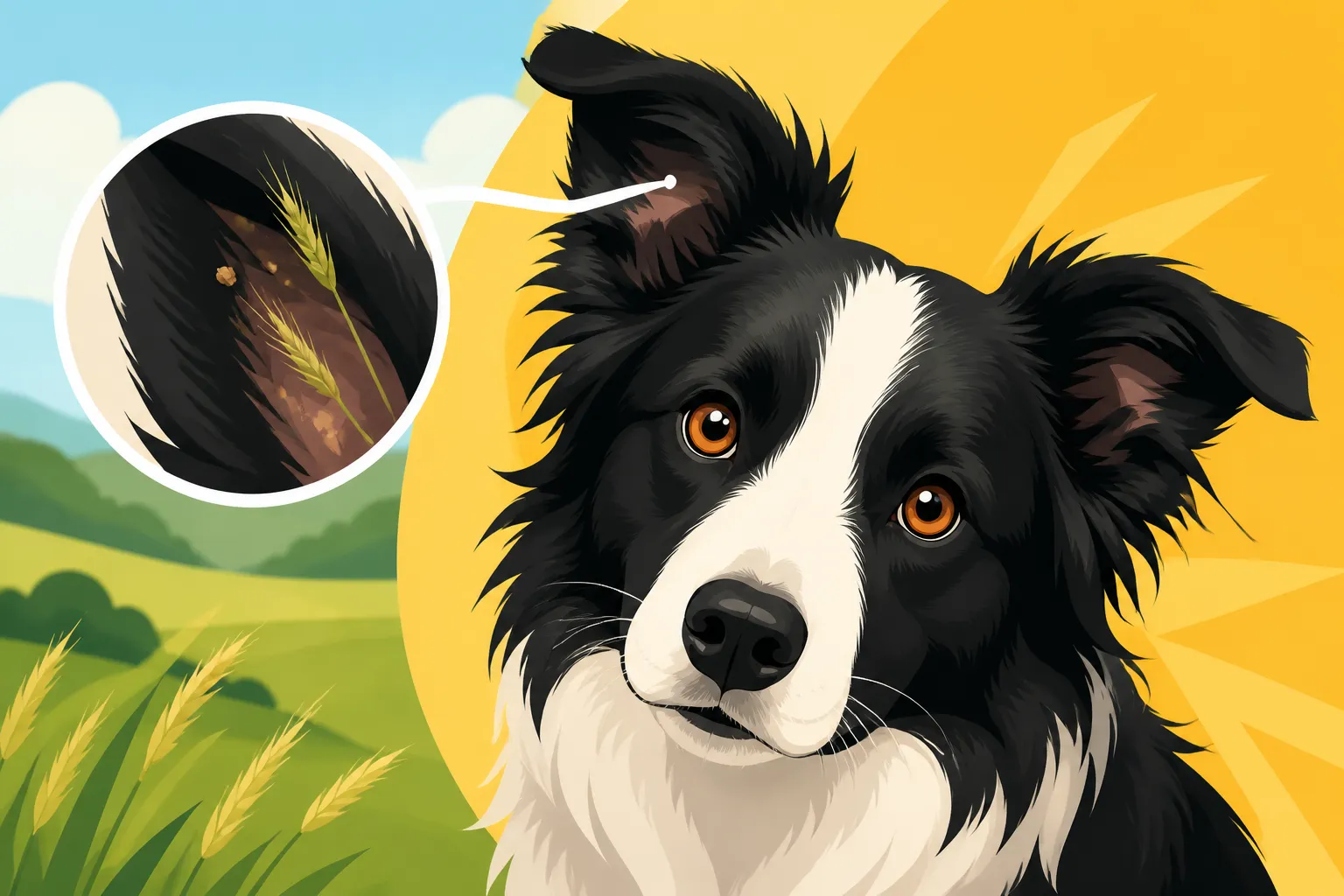
Imagine a tiny, needle-sharp projectile designed by nature to travel in one direction. That's essentially a grass awn. These are the bristly, often barbed seed heads found on many common grasses, especially during the drier months when they become brittle and easily detach. Think foxtails, cheatgrass, or wild barley – they're everywhere, and your Border Collie can pick them up without you even realizing it. The danger lies in their unique structure: once they lodge themselves in fur, they don't stop there. Their barbs act like tiny hooks, allowing them to migrate deeper with every movement your dog makes.
For a Border Collie, with their often-dense coat and propensity for tearing through fields, these awns are a significant hazard. They can work their way into paws, eyes, nostrils, and, perhaps most distressingly, deep into the ear canal. Once inside the ear, they continue their relentless journey, pushing past the protective hairs, irritating sensitive skin, and potentially even perforating the eardrum. It's not just discomfort; it's a foreign object acting like a tiny burrowing spear, carrying bacteria with it and setting the stage for severe infection.
How Grit and Debris Get Into Border Collie Ears
It's not just grass awns we have to worry about. Our Border Collies, with their intense focus and low-to-the-ground herding stance, are constantly exposed to dust, sand, tiny pebbles, and general environmental debris. Picture your Border Collie in full flight, making those tight turns, or dropping into that classic "Border Collie crouch" while working stock or playing fetch in a dusty arena. Their ears are often flapping or positioned in a way that makes them perfect funnels for these tiny particles.
Their ear anatomy also plays a role. Many Border Collies have semi-erect or folded ears, which, while beautiful, create pockets and crevices where grit can easily accumulate. For those with The Rough and Smooth Border Collie Coats, the rough-coated variety might have more feathering around the ear entrance, which can initially catch larger debris but can also trap finer grit closer to the canal. This constant exposure, combined with the dog's natural movements (head shaking, running, rolling in the dirt), ensures that fine particles have ample opportunity to work their way down the ear canal, causing irritation, minor abrasions, and paving the way for secondary infections.
Recognizing the Signs of Ear Trouble in Your Border Collie
Catching ear issues early is absolutely crucial for your Border Collie's comfort and long-term health. Because these dogs are often stoic and driven, especially when in work, they might try to push through discomfort. It’s up to us, their dedicated owners, to be vigilant and recognize the subtle and not-so-subtle cues that something is wrong. Ignoring these signs can lead to escalating pain, deeper infections, and more complicated veterinary interventions.
Visible and Behavioral Cues to Watch For
When a foreign object like a grass awn or grit enters your Border Collie's ear, their body immediately registers it as an irritant. One of the first and most obvious signs is excessive head shaking. It's not just a casual shake after a swim; it's persistent, vigorous, and often accompanied by a distinct tilt of the head. You might also notice them pawing at their ears with their hind leg, sometimes quite frantically, or rubbing their ears vigorously along the carpet, furniture, or even the ground. This behavior is a desperate attempt to dislodge the discomfort.
Beyond these actions, you might see visible signs of inflammation if you gently lift their ear flap. Look for redness around the ear canal opening, swelling, or even a discharge. This discharge could be anything from a clear fluid to pus or even blood, indicating a more serious internal issue. Your Border Collie might also yelp or pull away sharply when you try to touch their head or ear, a clear indicator of pain and sensitivity. In more advanced cases, you might notice a foul odor emanating from the ear, which strongly suggests an infection. Sometimes, their entire demeanor can change; a usually happy and energetic dog might become withdrawn, grumpy, or less interested in play due to the persistent pain.
The Urgency of Early Detection
It's easy to hope a minor irritation will clear up on its own, but with grass awns especially, this is a dangerous gamble. Unlike a piece of lint, grass awns do not simply "come out" on their own. Their barbed structure means they are designed to move in one direction – inward. Every shake of the head, every scratch, every bit of movement only helps the awn burrow deeper into the delicate tissues of the ear canal. The longer it stays, the further it migrates, increasing the risk exponentially.
The immediate concern is local irritation and inflammation, but this quickly escalates to a high risk of infection. The awn introduces bacteria into a warm, moist environment, which is a perfect breeding ground. If it punctures the eardrum, the infection can spread to the middle and inner ear, leading to balance issues, hearing loss, and even neurological problems. Furthermore, if the awn manages to migrate through the eardrum and deeper into the skull, the consequences can be catastrophic. The pain alone is reason enough for urgent action; imagine a constantly shifting, barbed needle in your own ear. So, if you suspect a grass awn or significant grit, prompt veterinary attention is not just recommended, it's absolutely vital.
First Aid and At-Home Inspection for Border Collie Ears
When you suspect your Border Collie has something lodged in their ear, your first instinct might be to try and remove it yourself. However, it's crucial to approach this situation with caution and an understanding of when professional help is absolutely necessary. Your actions can either prevent further harm or inadvertently push the foreign object deeper.
Safe Visual Inspection Techniques
Before you do anything, ensure your Border Collie is calm and comfortable. A distressed dog is more likely to react suddenly, making inspection difficult and potentially dangerous for both of you. Find a quiet, well-lit area. Gently hold your dog's muzzle with one hand, offering reassuring words. With your other hand, carefully lift the ear flap to expose the opening of the ear canal. For rough-coated Border Collies, you might need to part some of the longer hair around the ear opening.
Use a small, bright flashlight (the one on your phone works wonders) to illuminate the canal. Look for any obvious foreign objects: dark, bristly bits that might resemble grass, or tiny specks of grit. Also, observe the general condition of the outer ear canal – is it red, swollen, or producing any discharge? If the object is clearly visible and very close to the opening, you might very gently attempt to remove it with tweezers. However, this is a big "if." If the object is even slightly out of reach, or if your dog shows any sign of pain or discomfort when you try, stop immediately. Poking and prodding can cause more harm than good, pushing the object deeper or damaging the delicate ear structures.
When to Head Straight to the Vet
The moment you suspect a foreign object is deep within your Border Collie's ear, or if your visual inspection is inconclusive, it's time to call your veterinarian. There are several clear indicators that professional help is not just preferable, but essential:
- Deeply Embedded Object: If you can't clearly see the object, or if it's more than a centimeter or so into the ear canal, do not attempt removal yourself.
- Signs of Severe Pain: If your Border Collie is yelping, growling, or snapping when you approach their ear, or is shaking their head almost constantly, they are in significant distress. Trying to remove something yourself in this state will only worsen their fear and pain.
- Discharge or Odor: Any pus, blood, or foul smell indicates an infection that needs immediate medical attention. The foreign object may have already caused damage or introduced bacteria.
- Reluctance to Cooperate: If your dog won't let you even lift their ear flap, or is too agitated for a safe visual check, a vet visit is needed. They can use specialized tools and, if necessary, sedation to ensure a thorough and safe examination.
- Worsening Symptoms: If symptoms like head shaking, pawing, or redness are escalating, don't wait.
Remember, a grass awn in particular has barbs that make it migrate inwards. It won't work its way out. Delaying a vet visit significantly increases the risk of serious complications like a perforated eardrum, deep-seated infection, or even migration into the inner ear. When it comes to something as delicate and vital as your Border Collie's ears, it's always better to err on the side of caution and let the professionals handle it. For overall wellness and to keep tabs on potential issues, incorporating The Weekly Once-Over a Working Border Collie Gets can help you catch these problems faster.
Professional Veterinary Care and Treatment
Once you've made the decision to take your Border Collie to the vet for suspected ear trouble, you can rest assured they're in capable hands. Trying to remove a deeply lodged grass awn or stubborn grit can be incredibly difficult and painful for your dog, often requiring more than just a pair of tweezers. Veterinary professionals have the right equipment and expertise to handle these delicate situations safely and effectively.
The Vet's Approach to Foreign Body Removal
When you arrive at the clinic, your vet will perform a thorough physical examination, paying close attention to your Border Collie's ears. They'll likely use an otoscope, a special instrument with a light and magnifying lens, to get a clear view deep into the ear canal and assess the exact location and nature of the foreign object. This initial inspection will also help them determine if the eardrum is intact or if there's any pre-existing damage or infection.
For most grass awns or deeply embedded grit, especially if your Border Collie is in pain or uncooperative, sedation or light anesthesia is often necessary. This ensures the dog remains still and comfortable, preventing further injury during removal. Once sedated, the vet can use specialized instruments, like alligator forceps or long-handled tweezers, to carefully grasp and extract the foreign body. They'll work meticulously to ensure no fragments are left behind. In some cases, if the ear canal is very inflamed or dirty, they might also perform a thorough ear flush to clean out any remaining debris and help soothe the irritated tissues. This whole process is designed to be as minimally invasive as possible while guaranteeing the complete removal of the offending item.
Managing Infections and Post-Removal Care
After the foreign object has been successfully removed, the veterinary care doesn't stop there. Your vet will likely prescribe a course of antibiotics (either oral or topical ear drops) if there are any signs of infection, or to prevent a secondary bacterial infection from developing. They might also provide anti-inflammatory medications to reduce swelling and pain, making your Border Collie much more comfortable during the recovery period.
You'll usually be sent home with specific instructions for post-removal care. This often includes continuing the prescribed medications, and possibly using a gentle ear cleaning solution at home to keep the canal clear and aid healing. It's incredibly important to follow these instructions precisely and complete the entire course of medication, even if your dog seems to be feeling better. Stopping early can lead to a resurgence of the infection. Your vet may also recommend a follow-up appointment to recheck the ear and ensure it's healing properly. During this time, keep an eye on your Border Collie for any return of symptoms like head shaking, pawing, or discharge, and don't hesitate to contact your vet if you have any concerns. This comprehensive approach ensures that your Border Collie not only gets the immediate relief they need but also fully recovers from the ordeal.
Proactive Prevention Strategies for Border Collie Owners
The old adage "an ounce of prevention is worth a pound of cure" couldn't be more true when it comes to grass awns and grit in your Border Collie's ears. Given their active lifestyles and the inherent risks, taking proactive steps can save you and your dog a lot of discomfort, stress, and vet bills. A consistent routine of checks, smart environmental management, and thoughtful grooming can make a world of difference.
Regular Grooming and Ear Checks
Making ear checks a regular part of your Border Collie's routine is paramount. For many of us, especially those with working or sport dogs, a thorough The Weekly Once-Over a Working Border Collie Gets should include a detailed inspection of the ears. Gently lift the ear flaps and visually inspect the outer ear canal. Look for any redness, swelling, discharge, or foreign material like seeds, debris, or even ear mites. Familiarize yourself with how your dog's ears normally look and smell, so you can quickly spot any changes.
For Border Collies with Grooming a Rough-Coated Border Collie, particularly those with longer feathering around the ear opening, regular trimming of the hair in this area can be immensely helpful. This reduces the surface area where grass awns can initially latch on and makes it easier for you to visually inspect the canal. You can use blunt-nosed scissors or a small clipper for this, being extremely careful not to cut the sensitive skin. If you're unsure, ask your groomer or vet to show you how. Products like grooming combs and ear-cleaning wipes are readily available through retailers such as Chewy or Amazon and can be valuable additions to your grooming kit.
Environmental Management and Gear
One of the most effective prevention strategies is to be mindful of the environments your Border Collie frequents. During certain seasons, typically late spring through fall when grasses are dry and seeding, areas with tall, uncut grasses become high-risk zones. If possible, avoid walking or working your Border Collie in fields known for these problematic grasses. If you have your own property, regularly mowing your yard can significantly reduce the presence of grass awns.
When avoiding such areas isn't feasible, especially for working dogs, consider protective gear. Snoods or ear coverings can be a great temporary solution for Border Collies running through brush or tall grass. These soft, breathable fabric covers protect the ears from snags and foreign objects. While your dog might look a little silly at first, the protection they offer against painful awns is invaluable. You can find various styles and sizes on platforms like Amazon. Remember that vigilance is key; always check your Border Collie thoroughly after any outing in grassy or dusty areas, paying special attention to their ears, paws, and armpits.
Ear Cleaning Routines for Maintenance
Regular ear cleaning can help remove accumulated dirt, wax, and minor debris before they become a problem, and can also help maintain a healthy ear environment. However, "regular" doesn't mean daily, and it's important not to overdo it, as excessive cleaning can actually irritate the ear. Most vets recommend cleaning your Border Collie's ears monthly, or as advised by your vet, especially if your dog is prone to ear issues or spends a lot of time in dusty conditions.
Always use a veterinary-approved ear cleaning solution. Never use rubbing alcohol or hydrogen peroxide, as these can be irritating or damaging. The process is fairly straightforward:
- Apply the Cleaner: Gently lift your Border Collie's ear flap. Squirt a generous amount of the cleaning solution into the ear canal until it's full.
- Massage: Gently massage the base of the ear for 20-30 seconds. You should hear a squishing sound as the solution breaks up wax and debris.
- Allow Shaking: Step back and let your Border Collie shake their head. This helps to dislodge and bring up the loosened material.
- Wipe Clean: Use cotton balls or soft gauze to wipe away any visible solution and debris from the outer ear and the entrance to the ear canal. Do not use cotton swabs (Q-tips) inside the ear canal, as this can push debris deeper and damage the eardrum.
Consistency with this routine, alongside careful observation, forms a strong defense against ear problems. While brands like Ollie focus on nutritional wellness, which contributes to overall dog health, ensuring you have the right ear cleaning solutions on hand from places like Chewy or Amazon is a direct step in ear health maintenance. Understanding Ear Infections Under a Border Collie's Folded Ear can further help you manage your dog's ear health.
| Symptom Category | Specific Symptoms | Urgency | Recommended Action |
|---|---|---|---|
| Mild Irritation | Occasional head shake, light scratching | Low | Visual check, gentle ear cleaning if mild |
| Moderate Irritation | Persistent head shaking, frequent pawing/rubbing | Medium | Detailed visual check, vet if object seen |
| Severe Irritation | Constant head shaking, yelping, withdrawal | High | Immediate Vet Visit |
| Visible Foreign Body | Awn/grit clearly visible, shallow in canal | Medium | Vet preferred, careful attempt if very shallow/dog calm |
| Suspected Foreign Body | Symptoms without visible object, deep in canal | High | Immediate Vet Visit |
| Infection Signs | Redness, swelling, discharge (pus, blood), foul odor | Very High | Immediate Vet Visit |
| Pain Response | Dog growls/snaps when ear touched | Very High | Immediate Vet Visit |
Disclaimer
This article is for general informational purposes only and does not constitute professional advice. Laws, prices and regulations vary by location and change over time. Consult a qualified professional for guidance on your specific situation.