How Many Calories a Border Collie Burns Herding
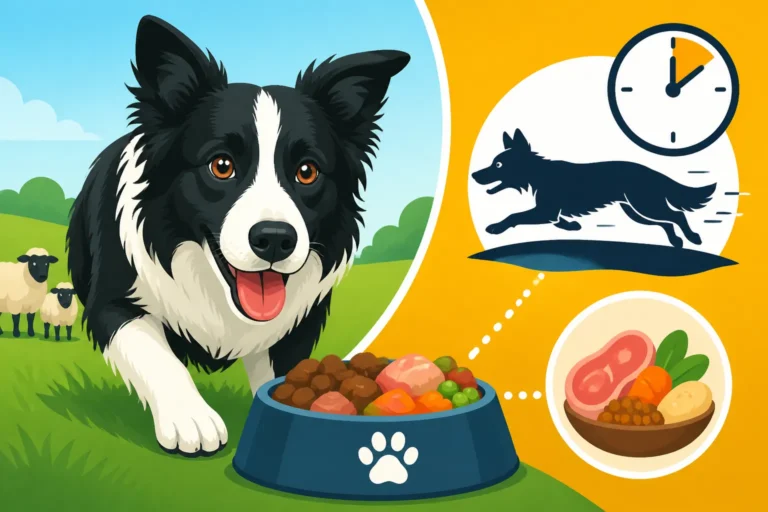
Anyone who has ever lived with a Border Collie knows they're not your average couch potato. When you bring one of these incredible dogs into your life, you quickly realize that their idea of "exercise" is probably not the same as yours. A casual walk around the block might barely register as a warm-up for them, and this often leads owners to wonder just how much fuel their furry dynamo actually needs. Understanding how many calories a Border Collie burns when engaged in demanding work like herding isn't just a fun fact; it's absolutely crucial for their health, performance, and overall well-being. This guide will help you understand the energy demands of a working Border Collie and how to meet them.
The High-Octane Metabolism of a Herding Border Collie
It's no secret that Border Collies are built for work, but truly grasping the extent of their energy expenditure during activities like herding requires a deeper look into their unique physiology and drive. They aren't just running; they are intensely focused athletes.
Why Border Collies Are Calorie-Burning Machines
Border Collies possess a unique combination of genetics, muscle composition, and an insatiable drive that transforms them into natural calorie-burning powerhouses. Their ancestors were bred over centuries in the rugged Anglo-Scottish borderlands, precisely for their ability to work tirelessly over vast distances and challenging terrain. This selective breeding has gifted them with a metabolism geared for sustained, high-intensity activity.
Think about what a Border Collie does when herding: they are constantly moving, whether it's the swift, silent stalk, the explosive burst of speed to turn a sheep, or the steady lope that covers acres of pasture. This isn't just physical exertion; it's immense mental concentration. Their minds are always engaged, reading the stock, anticipating movements, and responding to commands – all of which contributes significantly to their overall energy drain. Their muscular build, specifically a higher proportion of fast-twitch and slow-twitch muscle fibers adapted for both speed and endurance, allows them to maintain these demanding tasks for hours. This isn't just running for fun; it's a job, and their bodies are optimized for it.
Factors Influencing Energy Expenditure
While a Border Collie's inherent drive is a constant, the actual number of calories they burn during herding can fluctuate wildly based on a variety of factors. It's never a one-size-fits-all calculation.
Consider the individual dog first: a young, intact male will likely burn more calories than an older, spayed female of the same weight, even performing the same task. Larger Border Collies, naturally, require more fuel simply due to their body mass. Then there's the intensity and duration of the work. A dog doing light training on a few docile sheep for 30 minutes will expend far less energy than one working a challenging flock across a large field for several hours in a competitive trial. The type of terrain also plays a huge role; pushing sheep up a steep, muddy hillside requires exponentially more effort than moving them across flat, dry pasture.
Environmental conditions are another critical factor. Working in freezing temperatures means the dog's body must burn extra calories just to maintain its core temperature. Conversely, working in hot, humid weather, even if the actual physical work isn't as strenuous, can lead to increased energy expenditure due to the body's efforts to cool itself. The dog might not be moving as fast, but its internal systems are working overtime. You can learn more about how to manage these conditions in Heat Management for a Border Collie on a Trial Field. All these variables mean that calculating precise calorie burn is more art than science for the average owner, but understanding the modifiers helps immensely.
Estimating Calorie Burn During Herding Work
Getting an exact number for calorie expenditure during herding is tough without specialized equipment, but we can make some educated guesses based on the type and intensity of the work. It’s about understanding the level of exertion.
What "Herding Work" Really Entails
When we talk about "herding work" for a Border Collie, it's really a spectrum, not a single activity. At one end, you might have a young dog attending an introductory herding lesson, working a small group of calm sheep in a pen for short bursts of 10-15 minutes. This is invaluable training, helping them understand commands like Come Bye and Away to Me on a Border Collie, but the physical output is relatively moderate. On the other end, imagine a seasoned trial dog competing in an Open class at a national championship, managing a challenging flock over a vast, undulating course for 20-30 minutes, often with intense bursts of speed and precise maneuvers. Or picture a true farm dog, gathering and moving a large flock across miles of rugged pasture, often for several hours a day, several days a week.
These different scenarios represent vastly different energy demands. A dog doing light, controlled training might be burning slightly above its resting energy requirement (RER), perhaps 2 to 3 times its baseline. A dog engaged in full-throttle competitive trialing or demanding farm work could easily be burning 4 to 6 times its RER, sometimes even more during peak bursts of activity. It’s the difference between a brisk walk and a marathon sprint with complex mental tasks thrown in. The continuous start-and-stop, sprint-and-stalk nature of herding, combined with the mental focus, makes it a uniquely intense form of exercise.
Rough Calorie Estimates for Different Intensities
Since giving a precise number is nearly impossible without a veterinary nutritionist, we can work with general estimates based on activity level. These are broad strokes to help you conceptualize the scale of energy a working Border Collie needs. The key is to understand the multipliers of their baseline energy needs.
A dog's Resting Energy Requirement (RER) is the number of calories needed to keep a dog alive at rest. This is typically calculated as (Body Weight in kg)^0.75 * 70. For example, a 20 kg (about 44 lb) Border Collie would have an RER of approximately 750 calories per day.
Now, let's look at multipliers for activity:
| Activity Level (Herding) | Description | RER Multiplier (Approx.) | Daily Calories (for a 20kg Border Collie) |
|---|---|---|---|
| Light Training | Short, controlled sessions (15-30 min), few sheep, low intensity, calm environment. | 1.8 – 2.5 | 1350 – 1875 |
| Moderate Training | Longer sessions (30-60 min), more active sheep, varied commands, increasing intensity. | 2.5 – 3.5 | 1875 – 2625 |
| Competitive Trialing | Intense 20-30 minute runs, challenging stock, high focus, bursts of speed and control. | 3.5 – 4.5 | 2625 – 3375 |
| Heavy Farm Work | Multiple hours of demanding work daily, moving large flocks, difficult terrain/weather. | 4.5 – 6.0+ | 3375 – 4500+ |
Note: These figures are estimates and vary greatly based on individual dog, specific work performed, and environmental factors.
These numbers really highlight that a Border Collie engaged in serious herding work is burning significantly more calories than a typical pet dog. It's not just "more food" – it's often a completely different nutritional profile needed to sustain such output. Many owners mistakenly feed their working dogs like pets, leading to a host of issues from weight loss to poor performance and even susceptibility to injury.
Tools and Methods for More Accurate Tracking
While the table above gives you a good starting point, some tools can help you refine your understanding of your Border Collie's specific energy needs. One increasingly popular option is using canine activity monitors. Brands like FitBark offer devices that track steps, active minutes, and even sleep quality, giving you a clearer picture of your dog's overall activity level throughout the day. While they don't provide precise calorie burn numbers for herding specifically, they can show you how active your dog truly is, helping you adjust food intake accordingly. You can often find these devices, along with performance dog food, on online retailers like Amazon or Chewy.
Another critical method is regular observation and collaboration with your veterinarian. A vet can help you assess your dog's body condition score, which is a fantastic indicator of whether your feeding regimen is appropriate. Are their ribs easily felt but not visibly prominent? Do they have a clear waistline and abdominal tuck? The Tuck a Fit Border Collie Should Show is a good indicator of being at a healthy working weight. Any significant change in weight, energy levels, or coat condition warrants a vet visit. For serious working or sport dogs, a consultation with a veterinary nutritionist can provide tailored dietary plans based on your dog's exact workload, age, and health status, taking all the guesswork out of fueling your canine athlete.
Fueling the Working Border Collie: Nutrition and Management
Understanding the caloric demands is just the first step; the next is ensuring your Border Collie gets the right fuel in the right way. This isn't just about quantity, but quality.
The Importance of a Performance Diet
For a Border Collie that is regularly engaged in herding, a standard "all-life-stages" or "adult maintenance" dog food simply won't cut it. Their high energy expenditure demands a performance diet specifically formulated for active or working dogs. These diets are typically higher in protein and fat, which are crucial for sustained energy and muscle repair. Look for foods where meat is the primary ingredient and the fat source is easily digestible, often from animal fats. Protein supports muscle development and repair, vital after a day of intense herding, while fats provide a concentrated, slow-release energy source, preventing energy crashes during long work sessions.
The digestibility of the food is also paramount. A highly digestible food means your dog's body can absorb more nutrients from less volume, which is important for dogs with high energy needs who might struggle to consume massive quantities of food. Many reputable brands offer specific performance formulas. You can explore a wide range of these specialized foods on platforms like Chewy, which often provides detailed nutritional breakdowns. It's about feeding for performance, not just sustenance. Learn more about selecting the right food in Whether a Border Collie Needs a Performance Food.
Adjusting Rations for Fluctuating Workloads
One of the biggest challenges in feeding a working Border Collie is that their workload isn't always consistent. There might be peak herding seasons or trial weekends, followed by periods of less intense training or even rest during the off-season. Feeding the same amount of food every single day, regardless of activity, is a recipe for either a rapidly losing weight dog or one quickly gaining unwanted pounds.
The key is flexibility and observation. During periods of heavy work, your Border Collie will need a significant increase in calories. This might mean feeding larger portions, adding an extra meal, or incorporating calorie-dense supplements. During rest periods or lighter training, their caloric needs will drop, and you'll need to adjust their food intake downwards to prevent weight gain. Monitoring your dog's body condition score regularly is crucial here. You should be able to easily feel their ribs without seeing them, and they should have a clear waistline when viewed from above. If they're losing condition, increase food; if they're gaining, reduce it. It's a continuous balancing act. For example, if you're training a young dog on sheep daily, their intake will be vastly different than an older, retired dog. You can delve into the nuances of feeding before and after work in Feeding a Border Collie Before and After Work.
Hydration and Electrolytes
Often overlooked, proper hydration is just as critical as caloric intake for a working Border Collie. Intense physical activity, especially in warm weather, leads to significant fluid loss through panting and sweating (through their paw pads). Dehydration can severely impact performance, lead to fatigue, and in extreme cases, be life-threatening.
Always ensure your Border Collie has access to fresh, clean water before, during, and after herding sessions. On long workdays or during trials, consider offering water frequently, even if they don't seem immediately thirsty. Some handlers carry portable water bottles and collapsible bowls to ensure their dogs stay hydrated in the field. For very intense or prolonged work, or in hot climates, some dogs might benefit from electrolyte supplements added to their water. These replace essential minerals lost through exertion and can aid in recovery. However, always consult with your vet before adding any supplements to your dog's diet. Understanding How Much a Border Collie Drinks on a Working Day can also help you gauge their needs.
Common Pitfalls in Feeding Working Border Collies
Even with the best intentions, it's easy to make mistakes when it comes to fueling such a high-energy breed. Recognizing these common pitfalls can help you avoid them and ensure your Border Collie stays in peak condition.
Underfeeding vs. Overfeeding
One of the most frequent challenges for Border Collie owners is finding that perfect balance between underfeeding and overfeeding. Underfeeding a working Border Collie can lead to a host of problems: muscle loss, chronic fatigue, poor coat condition, compromised immune function, and a significant drop in performance. A dog that is constantly running on empty won't be able to sustain its drive or focus. On the other hand, overfeeding, while less common in truly high-drive, working Border Collies, can still happen, especially during periods of reduced activity or if the food quality isn't matched to their needs. Excessive weight puts undue stress on their joints, reduces agility, and can lead to other health issues over time.
The signs of underfeeding are often quite visible: ribs, spine, and hip bones becoming prominent, a dull coat, and perhaps a noticeable drop in stamina. Overfeeding, conversely, manifests as a lack of a discernible waist, fat deposits over the ribs or at the base of the tail, and a general roundness. It's a fine line, and constant monitoring of their weight and body condition is essential. It's not about making them fat, but ensuring they carry The Body Condition a Sport Border Collie Carries which is often lean and muscular.
The Trap of "Just Enough" for a High-Drive Dog
Many commercial dog foods are formulated for the "average" pet dog – one that gets a couple of walks a day and spends the rest of its time napping. While these foods might be perfectly adequate for a less active breed, they often fall into the trap of being "just enough" for a Border Collie, but not optimal for one that's genuinely working. These foods might require your Border Collie to eat an impossibly large volume to meet their caloric needs, which can lead to digestive upset or simply not enough nutrient absorption.
The challenge is that Border Collies often appear "fine" on a lower-quality food for a while. Their intense drive might mask underlying nutritional deficiencies until they start to impact performance or health more significantly. They'll keep going, pushing through, until their body simply can't sustain it anymore. Investing in a high-quality, high-performance dog food is not a luxury for a working Border Collie; it's a necessity. Look for brands that prioritize digestibility and have higher percentages of protein and healthy fats. You can often find these specialized options from trusted online retailers like Ollie, which focuses on fresh, human-grade ingredients tailored to a dog's specific needs, or through comprehensive pet supply stores online and in person. Don't fall for the trap of thinking "any food will do" for these athletic marvels.
Monitoring Health and Performance
Beyond calorie counting and food choices, consistent monitoring of your Border Collie's overall health and performance is the ultimate gauge of your feeding strategy. Are they maintaining their weight easily? Do they recover quickly after a hard day's work? Is their coat shiny and healthy? Are their eyes bright and clear? Any changes in their enthusiasm for work, their speed, their focus, or their general demeanor could signal a nutritional imbalance or an underlying health issue.
Regular veterinary check-ups, ideally Yearly Bloodwork for a Border Collie, are vital to catch any subtle issues before they become major problems. A vet can monitor organ function, check for deficiencies, and provide guidance on diet adjustments. Pay close attention to subtle signs of discomfort or lameness, which can be exacerbated by an improperly fueled body. Ultimately, a well-fed Border Collie is a happy, healthy, and high-performing dog, ready to tackle whatever challenges (or sheep!) come their way. If you notice any significant decline in their working ability, it's worth exploring all factors, including their diet, before concluding What Ends a Border Collie's Working Life.
Disclaimer
This article is for general informational purposes only and does not constitute professional advice. Laws, prices and regulations vary by location and change over time. Consult a qualified professional for guidance on your specific situation.