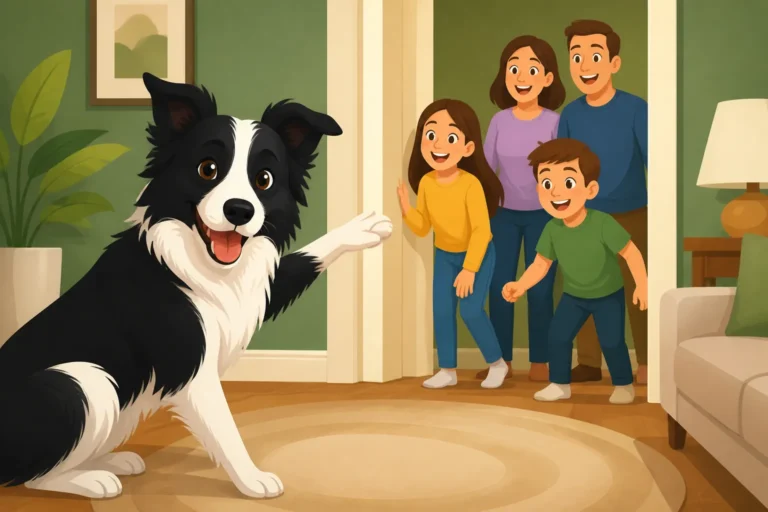
Introducing a Border Collie to a Second Dog
Bringing a second dog into a home that already has a Border Collie can feel like trying to choreograph a ballet with a whirlwind. You’re often torn between the excitement of a new family member and the genuine anxiety of how your intensely focused, sometimes highly sensitive, Border Collie will react to sharing their space, their toys, and most importantly, you. This guide is here to walk you through a thoughtful, step-by-step process for introducing a Border Collie to another canine companion, aiming to minimize stress and maximize the chances of a harmonious multi-dog household.
The Unique Challenge of Introducing a Border Collie to a New Canine Companion
Border Collies are phenomenal dogs, brimming with intelligence, drive, and often a very specific way of viewing the world. Their intensity, while a hallmark of their breed, can make introductions to new dogs a delicate dance. They aren’t always the "let's be friends with everyone" type, and their herding instincts can sometimes be misinterpreted by, or even be genuinely overwhelming for, other dogs.
Understanding the Border Collie Temperament
Your Border Collie isn't just "a dog"; they are a Border Collie. This means they often come pre-loaded with a few traits that are crucial to consider when you're planning a new canine introduction. They possess incredible observational skills, picking up on the subtlest cues from you and other animals. This means they’ll notice every twitch, every glance, every shift in posture from the new dog – and respond to it. Their inherent "eye" or stare, which is so valuable in working stock, can be perceived as rude, threatening, or just plain weird by a dog not accustomed to it. Imagine someone staring at you intently without blinking; it's unsettling.
Furthermore, Border Collies thrive on routine and often have a strong sense of personal space, particularly if they've been the sole canine in the home for a while. Any disruption to their established order, their sleeping spot, their feeding routine, or their access to you can be a source of stress. They are also incredibly smart, meaning they learn quickly, both good habits and bad ones. If a bad introduction teaches them that new dogs are scary or a threat, that lesson can be hard to unlearn. Consider their existing social experiences; a Border Collie that has had positive interactions with many different dogs is often easier to introduce than one whose world has been very small. You can learn more about their social tendencies by reading A Border Collie That Herds Other Dogs.
Why Introductions Can Be Tricky for This Breed
Beyond their intense stare and personal space needs, Border Collies often possess a strong prey drive and an instinct to control movement. While this is fantastic for herding sheep, it can be problematic with a wiggly, playful, or even nervous new dog. A new dog's erratic movements might trigger a Border Collie's herding instinct, leading to nipping at heels, circling, or even a pushy attempt to "gather" the new arrival. This isn't aggression in the typical sense, but it can quickly escalate into a conflict if the other dog feels threatened or harassed.
Their sensitivity also plays a big role. A Border Collie can become easily overstimulated in new situations, especially with another high-energy dog. What might seem like playful roughhousing to one breed could be perceived as overwhelming chaos by a sensitive Border Collie, leading to stress signals or attempts to shut down the interaction. Conversely, a new dog who is very timid might become a target for the Border Collie's natural desire to do something, to move, to control, leading to constant pestering. It's about finding that delicate balance, preventing overstimulation while encouraging curiosity and calm interaction. Their tendency to get fixated, for example, on a ball or a certain game, can also make it hard for them to shift focus to a new canine presence and engage in appropriate social greetings.
Laying the Groundwork: Pre-Introduction Preparations
Before your new dog even sets a paw inside your home, a significant amount of preparation can be done to set both dogs up for success. This isn't about rushing; it’s about creating a foundation of calm and curiosity.
Scent Swapping and Gradual Acclimation
One of the most powerful tools you have is scent. Dogs primarily experience the world through their noses, and getting them familiar with each other's smell before they meet visually can reduce anxiety significantly.
Start by taking a soft towel or blanket and rubbing it thoroughly on your existing Border Collie, especially around their face and neck where scent glands are concentrated. Then, take this scent-rich item to the new dog (or vice versa, if the new dog is coming from a foster home or breeder). Allow them to sniff it, investigating at their own pace. Don't force it; just leave it in their space. Observe their reactions: are they curious? Indifferent? Stressed? Repeat this process over several days, swapping items infused with each dog's scent. This could be a bed sheet, a toy, or even a piece of your clothing that has been worn by one dog.
You can also use a crate or designated safe space for the new dog, allowing your Border Collie to sniff around the outside while the new dog is safely inside. This gives your Border Collie the chance to gather information without direct pressure, and the new dog a sense of security. This early, low-pressure exposure to each other's scent helps normalize the idea of another dog being present, slowly building a mental picture before the physical introduction.
Creating Safe Spaces and Management Strategies
Once the new dog arrives, having designated safe spaces for both animals is absolutely non-negotiable. This means areas where each dog can retreat, relax, and eat without feeling threatened or crowded by the other. For your Border Collie, this might be their crate, a specific room, or their bed with a Teaching a Border Collie to Stay on Its Bed command firmly established. For the new dog, a crate in a quiet area is often ideal. Make sure these spaces are truly theirs and are respected by the other dog and by humans. Use baby gates to physically separate areas of your home, allowing for visual and auditory interaction without physical contact in the early stages.
Feeding should always happen in separate, secure locations. This prevents potential food guarding issues, which can arise even in otherwise friendly dogs. Similarly, high-value toys, bones, or chews should be given when the dogs are separated. This proactive management prevents resource guarding before it even has a chance to develop. Having sturdy gates or secure crates readily available is key, and you can find a wide variety of options for your home management strategy on platforms like Amazon. Remember, management is not forever, but it’s a vital tool in preventing negative interactions while the dogs adjust.
Refresher Training for Both Dogs
Before the new dog comes home, it’s a fantastic idea to brush up on some key obedience cues with your Border Collie. A solid "stay," "leave it," "come," and a reliable "place" command will be invaluable during introductions and the subsequent integration period. The more reliably your Border Collie responds to these commands, the more control and confidence you’ll have during interactions, allowing you to calmly interrupt unwanted behaviors or redirect their intense focus.
For the new dog, if you have access to them before they come home, even basic leash manners and a recall cue can be incredibly helpful. If not, be prepared to start working on these fundamentals as soon as they settle in. Having both dogs understand basic commands gives you the ability to manage their proximity and interactions, making it easier to encourage calm behavior. Programs like BAXTER & Bella offer excellent online resources for positive reinforcement training that can be beneficial for owners bringing a new dog home or for refining existing skills with your Border Collie. It’s about building a common language of cues that will help you communicate effectively with both dogs as they navigate their new relationship.
The First Face-to-Face: A Controlled and Positive Experience
The actual first meeting is the moment many owners dread, but with careful planning, it can be a neutral, even positive, experience. The key is to keep it calm, controlled, and short.
Choosing the Right Environment and Initial Setup
The absolute best place for a first introduction is a neutral territory that is spacious and free from distractions. A quiet park you don't normally frequent, an empty schoolyard after hours, or even a friend's large, securely fenced yard can work. The goal is to avoid any association with "my territory" for your Border Collie, which can heighten territorial instincts.
Both dogs should be on leashes, preferably a regular six-foot leash, not a retractable one, as these can give less control and snap back unexpectedly. Avoid tight leashes, as tension can travel down the leash and communicate anxiety to the dog, making them feel less secure. Have a second handler if possible—one person for each dog. This allows for individual attention and management. Start by walking the dogs parallel to each other at a distance where they acknowledge each other's presence but don't show any signs of stress or overexcitement. This parallel walk, gradually decreasing the distance over a few minutes, helps them get used to each other's presence in a non-confrontational way. You might also want to read The Thirty-Foot Line a Border Collie Recall Needs for insights into safe leash management.
Reading Body Language and Managing Interactions
This is perhaps the most critical part: becoming a master of dog body language. Your Border Collie's intense gaze, stiff posture, or low crouch might be signs of herding instinct kicking in, not necessarily aggression, but it can be unnerving for another dog. Look for subtle cues: relaxed body posture, loose tail wags (not stiff, high flags), soft eyes, and sniffing the ground. Avoid direct head-on approaches, as this can be perceived as confrontational. Instead, aim for curved approaches, allowing the dogs to circle and sniff each other from the side or rear.
If either dog shows signs of stress—lip licking, yawning (when not tired), looking away, tucked tail, stiffness, growling, or lunging—increase the distance immediately. The goal is to keep interactions below their "threshold" for reactivity. If they are doing well, allow a brief sniff, then gently call them away. Reward calm behavior enthusiastically with treats and praise. The BAXTER & Bella program, or similar resources, often have excellent modules on reading canine body language, which can be immensely helpful for preparing for this crucial moment. Don't hesitate to use tools like a long line if you need more space for parallel walking in an open field, allowing for more natural movement while maintaining safety.
Here’s a simple table to help recognize key body language signals:
| Signal | Positive/Relaxed | Negative/Stressed |
|---|---|---|
| Tail | Mid-level wag, relaxed, sweeping | Tucked, stiff, high, rapid flagging |
| Ears | Relaxed, natural position, attentive but not pinned | Pinned back, stiffly forward |
| Eyes | Soft, blinking, looking away, "whale eye" (stress) | Hard stare, dilated pupils, wide eye (whale eye) |
| Mouth | Loose, slightly open, gentle panting | Tight lips, pulled back (grin), yawning, lip licking |
| Body Posture | Loose, fluid, curvy movements, play bow | Stiff, rigid, low crouch, raised hackles, frozen |
| Movement | Bouncy, playful, sniffing ground, parallel walking | Lunging, circling, chasing, trying to escape |
Keeping Initial Meetings Short and Sweet
Your first few introductions should be brief, positive, and end before either dog becomes stressed or overstimulated. Think five to ten minutes, max. It’s better to have several short, positive interactions than one long one that goes sour. After a brief sniff and calm interaction, separate the dogs and walk them home separately, or put them in their respective safe spaces. The idea is to leave them wanting more, creating a positive association with each other's presence.
This might mean taking them for short parallel walks daily for a few days before attempting a controlled off-leash (but still contained and supervised) interaction. Always end on a good note. If things start to get tense, simply say "that'll do," redirect, and separate them. You want to build a history of pleasant encounters, however brief, rather than experiences that reinforce anxiety or conflict. Remember, your Border Collie learns incredibly fast, so make sure those first lessons are good ones.
Nurturing the Relationship: Integration into Daily Life
After successful initial introductions, the real work of integrating the dogs into your home begins. This is a gradual process that requires patience, consistency, and continued supervision.
Supervised Interaction and Continued Management
Once the dogs have met calmly on neutral territory, you can start allowing supervised interactions in the home, but always with a physical barrier initially, like a baby gate, between them. This allows them to get used to each other's presence indoors without direct contact, reducing territorial pressure. Allow them to hang out on opposite sides of the gate, perhaps engaging in separate, calm activities like chewing on a favorite toy or a Puzzle Feeders That Hold a Border Collie.
When you do allow them in the same room, keep them on drag lines (leashes with no handle, just dragging on the ground) for easy, immediate control if needed, but only if you are actively supervising. Never leave drag lines on unsupervised, as they can get caught on furniture or other objects, leading to injury. All initial off-leash interactions should be short, highly supervised, and in a controlled environment like a securely fenced yard.
Continue to feed dogs separately, manage high-value items, and ensure each dog has its own dedicated safe space to retreat to. Think of it as dating: they need opportunities to get to know each other, but also space to recharge and feel secure. This careful management is crucial to avoid stress or conflicts, especially as your Border Collie adjusts to sharing their home turf.
Shared Activities and Individual Attention
To foster a positive relationship, encourage shared activities that promote calm cooperation, not competition. Parallel walks are still excellent, but now you might walk them closer, perhaps allowing for more frequent sniffs. Practice parallel 'place' commands, where both dogs settle on their beds in the same room. You could also try training sessions where both dogs are present but working separately with their own handler, teaching them to exist calmly in each other’s presence.
It’s equally important to ensure each dog receives individual attention, especially your Border Collie, who might feel displaced by the new arrival. Continue their favorite one-on-one activities, whether it's a specific training session, a game of fetch (though be mindful of your Border Collie's potential obsession with balls), or just some quiet cuddle time. This reassures your Border Collie that their bond with you is still strong and that the new dog isn't there to replace them. This individual time also helps prevent behaviors driven by jealousy or insecurity. Many Border Collie owners find that dedicating time to mental work and training really settles them.
Addressing Common Setbacks and Seeking Professional Help
It’s important to be realistic: introductions are rarely perfect, and setbacks can happen. Your Border Collie might snap at the new dog for getting too close to their bed, or the new dog might show fear or aggression. Don’t panic. Instead, reassess your management plan. Did you introduce them too quickly? Is there enough space? Are you giving enough individual attention?
Common setbacks might include:
- Resource Guarding: One dog protecting food, toys, or even you. Go back to separating resources entirely.
- Herding/Nipping: Your Border Collie trying to "manage" the new dog. Interrupt, redirect, and provide more mental stimulation or individual exercise for your Border Collie. You may need to review Whether a Border Collie Nips Ankles.
- Fear/Avoidance: The new dog constantly hiding or showing fear signals. Reduce pressure, increase separation, and allow the new dog to approach at their own pace.
- Escalated Interactions: Growling, lunging, fighting. This is a serious sign that you need to revert to strict separation and seek professional guidance immediately.
If you find yourself struggling, or if any aggression occurs, don't hesitate to seek help from a certified professional dog trainer or a veterinary behaviorist. They can provide tailored advice, observe the dynamics in your home, and offer strategies specific to your dogs. Sometimes an outside, expert perspective is exactly what's needed to help two dogs form a peaceful coexistence. Remember, it's a marathon, not a sprint, and a harmonious household is well worth the effort.
Disclaimer
This article is for general informational purposes only and does not constitute professional advice. Laws, prices and regulations vary by location and change over time. Consult a qualified professional for guidance on your specific situation.