The Drive a Border Collie Learns Last
It’s a common frustration for Border Collie owners, especially those new to the world of herding: your dog has incredible instinct, loves the sheep, but seems to be missing that crucial element that pulls it all together—the ability to drive the stock forward with purpose and control. This isn't just about moving sheep; it’s about thoughtful, intelligent pressure, and it’s often the last piece of the herding puzzle to truly click into place. This guide will explore what "drive" truly means in a working Border Collie, why it comes after so many other foundational skills, and how you can help your dog develop this advanced, nuanced aspect of their herding ability.
Understanding "Drive" in a Herding Border Collie
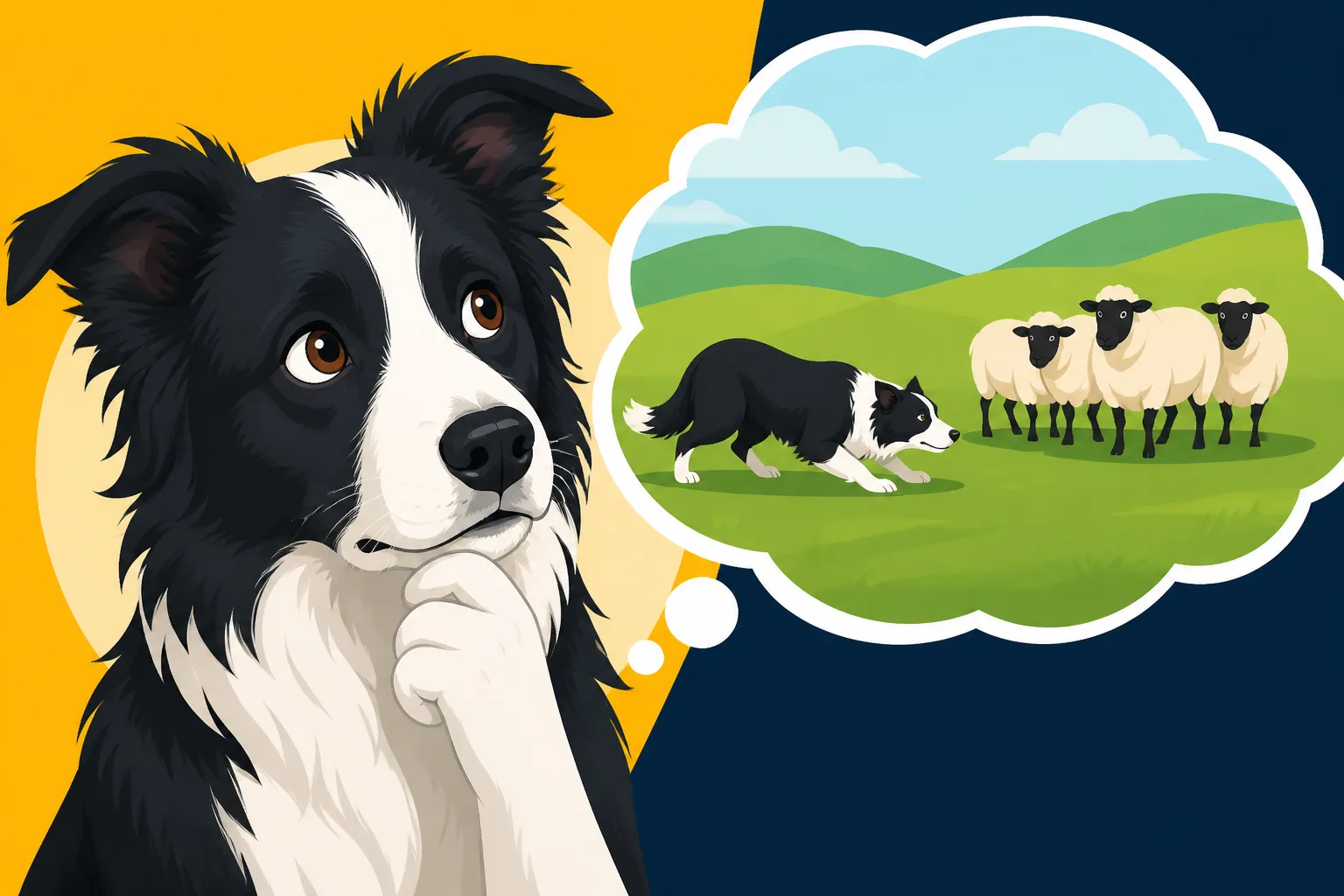
When we talk about "drive" in a Border Collie on stock, we're not simply referring to their inherent desire to chase, gather, or even apply pressure. Those are components, yes, but true drive is a sophisticated display of controlled energy, intent, and forward momentum that causes the stock to move in the desired direction. It's the engine that pushes the sheep, but it's an engine with a skilled driver behind the wheel.
Beyond Raw Instinct: What Drive Really Is
Many people mistakenly equate a Border Collie's intense focus or desire to get to the sheep with "drive." While that initial burst of energy and the strong eye are certainly part of the picture, raw instinct alone isn't drive in the working sense. A dog with raw instinct might rush, scatter sheep, or even grip out of frustration, because it lacks the understanding of how to apply its innate energy productively.
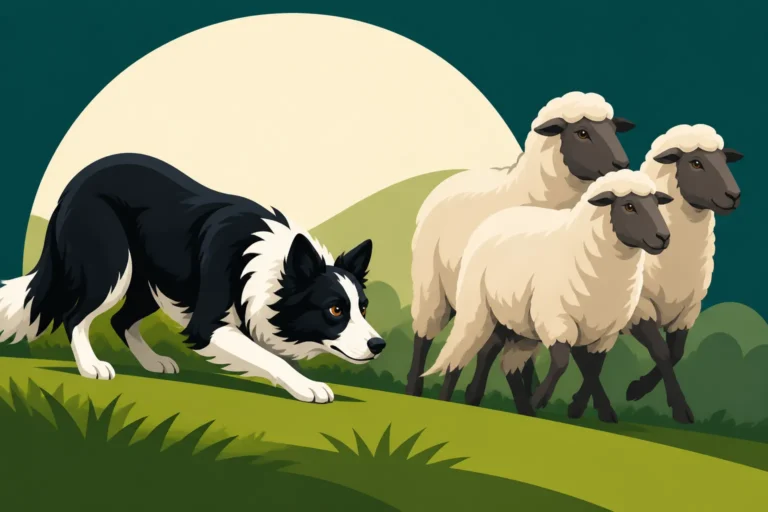
True drive is the ability of the dog, under the direction of the handler, to exert just the right amount of pressure from behind the stock to keep them moving forward, steadily and calmly. It's about maintaining a consistent pace, preventing the stock from turning back, and understanding the subtle balance between pushing too hard and not pushing enough. This isn’t a single command you teach; it’s a culmination of experience, timing, and a deep understanding between dog and handler. Think of it less as a sprint and more as a sustained, intelligent push towards a goal, like moving a flock from one pasture to another, or into a pen. Without this controlled drive, a dog might gather the sheep beautifully, but then struggle to move them efficiently from point A to point B.
The Role of the Handler in Cultivating Drive
It's absolutely critical to remember that the handler is an indispensable part of cultivating a Border Collie's drive. The dog isn't just "driving" on its own; it's responding to the handler's directions, confidence, and reading of the stock. A handler with a strong understanding of stock behavior and their dog's capabilities can guide that raw instinct into effective drive. This often involves clear, consistent commands and sometimes, simply allowing the dog to make small decisions within the boundaries set by the handler.
For many new to herding, developing this subtle communication can feel like learning a new language. You'll find many excellent resources, including books and DVDs available on Amazon, that delve into the psychology of stock and the dynamics of working with a Border Collie. These resources emphasize that your confidence and clarity directly impact your dog's ability to develop sophisticated drive. Without a handler who can direct that power, a Border Collie's natural enthusiasm for stock can easily devolve into chaos, leading to frustrated dogs and scattered sheep.
Why Drive Is the Last Skill to Master
It might seem counterintuitive to think that such a fundamental aspect of herding is learned last. After all, isn't the point of a herding dog to move the sheep? Yes, but controlled movement is built on a strong foundation of other critical skills. Trying to teach drive prematurely is like expecting a child to write a novel before they’ve learned their alphabet and basic sentence structure.
The Foundational Skills That Precede Drive
Before a Border Collie can effectively drive stock, it needs to master a range of foundational commands and understandings. These aren't just tricks; they are the building blocks of a truly functional working relationship.
- The Outrun: This is the ability of the dog to cast out in a wide arc around the sheep, often at a significant distance from the handler, to get behind the flock without disturbing them. A proper outrun ensures the dog approaches the sheep calmly and from the correct position, setting up a good gather. If a dog rushes the outrun, it's already creating unnecessary pressure and stress on the sheep, making controlled drive impossible later on. You can read more about building this skill in The Outrun a Border Collie Runs at a Trial.
- The Lift: Once the dog is behind the sheep, the lift is the moment they make contact, gently initiating movement without startling them. It's about establishing control and respect, not an immediate surge forward. A harsh lift can send sheep scattering, which is the opposite of controlled drive.
- The Gather/Fetch: This is the ability to bring the sheep calmly towards the handler. The dog works to maintain a collected group of sheep and guide them in the handler's direction. Without this ability to collect and manage the sheep, trying to drive them would be like pushing water uphill – the flock would simply dissipate.
- Flanks (Come Bye and Away to Me): These commands direct the dog to move clockwise ("Away to Me") or counter-clockwise ("Come Bye") around the stock. These lateral movements are crucial for positioning the dog, adjusting the line of travel, and managing the sheep's flow. What Come Bye Means to a Border Collie and What Away to Me Means to a Border Collie delve deeper into these essential commands.
- Stop and Lie Down: Perhaps the most crucial control commands. A Border Collie must be able to stop and lie down on command, often at a distance, even when highly stimulated by the sheep. Without a reliable stop, any raw drive becomes dangerous, as the dog could push sheep into fences, off cliffs, or simply cause them undue stress. Why a Border Collie Is Taught to Lie Down First explains the importance of this control.
Why Rushing the Process Harms Development
Skipping these steps, or trying to force a dog into a "driving" role before they understand the nuances of control and positioning, almost always leads to problems. A dog that is pushed too quickly might develop bad habits such as:
- Rushing: Charging the sheep, causing them to panic and run erratically.
- Gripping: Biting or nipping at the sheep, either out of frustration or an attempt to force them to move, which can injure the stock and damage the dog's reputation as a reliable worker. Stopping a Border Collie Gripping Wool discusses this common issue.
- Flanking out of control: Circling wide or too close without purpose, rather than strategically moving the flock.
- Loss of confidence: A dog that constantly makes mistakes because it hasn't been given the tools for success can become hesitant or stressed around stock.
In essence, drive without control is chaos. The dog needs to learn how to influence the stock, where to apply pressure, and when to release it, all while listening to the handler. These are complex lessons that build upon a bedrock of obedience and mutual understanding. This is why many experienced handlers advocate for a slow, patient approach, often using small groups of quiet sheep or even ducks initially, to minimize stress and maximize learning opportunities for the dog.
Teaching and Refining the Art of Drive
Once your Border Collie has a solid grasp of the foundational herding commands, you can begin the delicate process of refining their natural instinct into controlled, effective drive. This isn't a checklist; it's an ongoing dialogue between you, your dog, and the stock.
Progressive Training Steps for Developing Drive
Developing drive is less about "teaching" a new trick and more about shaping and directing the dog's existing instinct with increasing precision.
- Work in Small, Controlled Environments: Start with just a few calm sheep in a small pen or round pen. This reduces distractions and allows both you and your dog to focus on the basics of moving stock. The goal is for the dog to learn to move the sheep forward in a straight line, responding to your directional commands. This environment makes it easier to correct mistakes and build confidence.
- Introduce Controlled Pressure: Begin asking your dog to apply a consistent push from behind the sheep. This isn't a hard rush, but a steady presence that encourages forward movement. You'll use your verbal commands or whistle signals, combined with your body language, to guide the dog. The dog needs to learn that a steady, calm pressure is more effective than a frantic chase. This is where a strong foundation from early obedience training, perhaps through a program like BAXTER & Bella, really pays off, as the dog is already accustomed to understanding and responding to your cues.
- Read the Stock and Your Dog: A crucial part of teaching drive is learning to read both the sheep and your dog. Are the sheep moving too fast, too slow, or trying to turn back? Is your dog applying too much pressure, or not enough? Adjust your commands and your dog’s position accordingly. This constant feedback loop is essential. For instance, if the sheep are trying to break, you might ask for a slight flank to re-collect them, then resume the forward drive.
- Vary the Environment and Stock: As your dog progresses, gradually introduce more challenging scenarios. Move from small pens to larger pastures, then to fields with obstacles or varying terrain. Work with different types of sheep – some may be more flighty, others more stubborn. This helps your dog generalize their understanding of drive and adapt to new situations. Consider enrolling in local herding clinics; these often provide access to experienced trainers and varied stock, offering invaluable learning opportunities. You can find information on Herding Lessons and Clinic Prices for a Border Collie.
- Practice Penning and Shedding: These advanced tasks truly test a dog’s controlled drive. Penning requires the dog to push sheep into a confined space, often against their will, demanding immense patience and precise pressure. Shedding involves separating specific sheep from the flock, which needs incredible control and the ability to break off from the main group without disturbing it. These are the ultimate expressions of refined drive and control.
Common Pitfalls and How to Avoid Them
Even with the best intentions, handlers can sometimes inadvertently hinder the development of controlled drive.
- Over-correcting: Constantly yelling at your dog or giving too many commands can make them hesitant and unsure. Allow them to make small mistakes and learn from them, intervening only when necessary.
- Lack of consistency: If your commands or expectations change frequently, your dog will struggle to understand what you want. Be consistent in your signals and the pressure you expect.
- Expecting too much, too soon: Drive is built slowly, over many months or even years. Celebrate small successes and don't get discouraged by setbacks. Every session should be a learning opportunity.
- Insufficient breaks: Working a dog for too long, especially a young one, can lead to mental fatigue and poor decision-making. Keep sessions short, positive, and end on a good note. Knowing Ending a Session So a Border Collie Leaves Sheep is a vital skill for preventing overwork.
- Not building an "off-switch": A Border Collie’s drive can be overwhelming if they don't learn when to switch off. While this article focuses on the "on" switch of drive, a good training program (like those offered by BAXTER & Bella, which often emphasize calm behavior alongside skill development) can help ensure your dog has balance. You can also explore how to manage their energy in Exercise, Work and What Actually Settles a Border Collie.
The journey to developing a Border Collie with strong, controlled drive is a marathon, not a sprint. It requires patience, keen observation, and a willingness to learn alongside your dog. But when that moment comes, and your Border Collie moves a flock with intelligent, focused purpose, it’s a truly magnificent sight and a testament to the incredible partnership you’ve built together.
Here's a breakdown of the typical progression in herding training:
| Stage | Primary Focus | Key Skills Introduced | Role of Drive | Common Challenges |
|---|---|---|---|---|
| Initial Instinct | Assessing natural ability, building interest | Outrun, basic gather, stop/lie down on quiet sheep | Raw instinct, minimal controlled drive | Rushing, chasing, scattering sheep |
| Foundational Control | Establishing handler control and communication | Flanks (Come Bye/Away to Me), reliable stop, gentle lift | Beginning to direct instinct, still mostly gathering | Over-flanking, ignoring commands, not holding a line |
| Developing Direction | Moving sheep from point A to B, maintaining line | Driving short distances, steady pressure, reading stock | Emerging controlled forward pressure, still needs handler | Loss of focus, dropping behind, pushing too hard |
| Refining Drive | Precision, advanced maneuvers, larger fields | Penning, shedding, navigating obstacles, working different stock | Consistent, intelligent, and independent application of pressure | Breaking contact, losing control in complex situations |
| Advanced Work | Trial patterns, complex gathers, varied stock | Handling larger groups, precise turns, working under pressure | Seamless integration of drive with all other commands | Overthinking, anticipating commands, lack of finesse |
Long-Term Commitment to a Working Relationship
Realizing that controlled drive is the last piece of the puzzle means understanding that your relationship with your Border Collie, especially in the context of herding, is a continuous evolution. It’s not something you achieve and then forget about; it’s maintained through consistent work and a deep, empathetic connection.
The Ever-Evolving Partnership
Just like any skill, a Border Collie's drive can dull if not regularly exercised and refined. Continued practice on stock, whether it's through regular chores on a farm, participating in herding trials, or attending clinics, is essential. Each session presents new challenges and opportunities for your dog to hone their understanding and application of drive. What Happens at a Sheepdog Trial With a Border Collie can give you an idea of the advanced level of communication and drive required in competitive settings.
It’s also about learning to adapt as your dog matures. A young dog might be all raw energy, while an older, more experienced dog will often possess a deeper understanding of stock and a more refined, calmer approach to driving them. Your role as a handler shifts from direct instruction to more subtle guidance, trusting your dog's instincts and experience while still providing direction.
The Reward of a Truly Driven Border Collie
There’s an immense sense of satisfaction that comes from watching a Border Collie with a truly developed sense of drive. It's not just about their incredible athleticism or keen intelligence, but the way they integrate all their skills—their outrun, their flanks, their stops, and their focused push—into a seamless, beautiful dance with the stock. This level of partnership is what sets the Border Collie apart and what makes them such legendary working dogs.
Ultimately, the journey to developing controlled drive in your Border Collie is a profound one. It teaches you patience, observation, and the power of silent communication. It's a reminder that sometimes, the most powerful abilities are those that are cultivated with care, built on a strong foundation, and refined over a lifetime of shared experiences.
Disclaimer
This article is for general informational purposes only and does not constitute professional advice. Laws, prices and regulations vary by location and change over time. Consult a qualified professional for guidance on your specific situation.