Building a Border Collie’s Outrun
You've got a Border Collie, and you're dreaming of that magnificent sweep they do around a flock of sheep, effortlessly gathering them. But then you put your dog out in a field, ask them to go wide, and they either just run straight at the sheep, or worse, they just look at you like you've grown a second head. It's frustrating when what seems so innate to the breed feels so elusive in real life. This guide is here to walk you through the painstaking, yet incredibly rewarding, process of building a proper outrun with your Border Collie, transforming those scattered attempts into a confident, sweeping arc.
Understanding the Outrun: More Than Just Running in a Circle
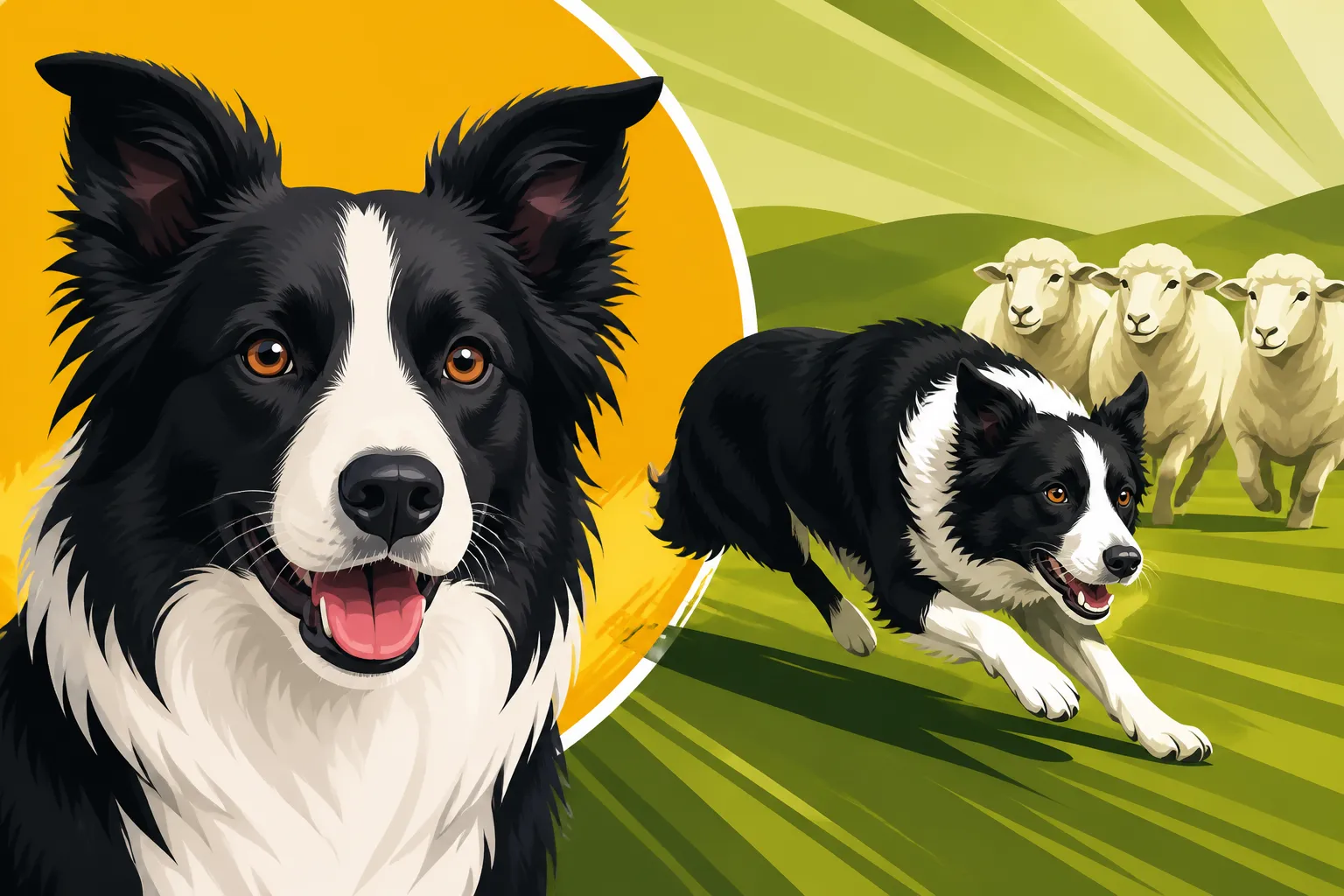
The outrun is, in essence, the foundation of all proper sheepdog work. It's not just about your dog running in a wide arc; it's about them understanding their job: to go out, get behind the stock, and bring them calmly back to you. It's the moment they "take command" of the sheep, without causing a panic or a chase. Think of it as a carefully choreographed dance where your dog moves with purpose and control.
The Purpose and Mechanics of a Proper Outrun
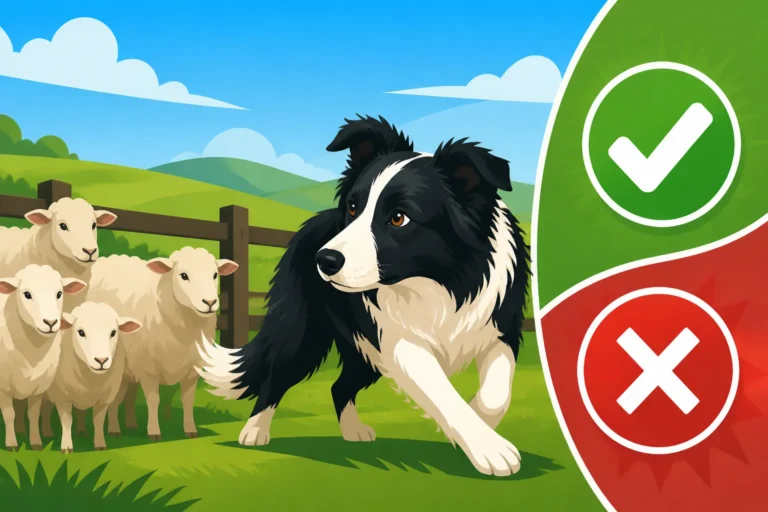
A good outrun is characterized by a wide, calm, and purposeful circle that takes the dog out and around the stock, ending up directly behind them without disturbing them. This is absolutely critical because if your dog runs straight at the sheep, they're going to scatter, often quite violently. Imagine trying to gather spilled marbles by running directly into them; you'd just send them flying further! The outrun is about stealth and strategy. Your Border Collie needs to instinctively understand that their presence behind the sheep, rather than in front or to the side, is what creates movement towards you. It demonstrates their intelligence and their inherent ability to think ahead, rather than just react. This takes immense self-control, especially for a breed with such high drive. Many new handlers mistake speed for skill, but a fast, uncontrolled dog often makes a mess of the sheep, undoing all the potential work.
Why It's Often a Challenge for Pet Border Collies
For a Border Collie living in a non-working home, or even a young dog just starting out, the concept of an outrun is totally alien without careful instruction. Their natural instinct might be to just go get the thing they want (the sheep, a ball, another dog) in the most direct way possible. This direct approach is the opposite of a good outrun. Furthermore, many Border Collies are taught "fetch" or encouraged to chase things directly from a young age, which reinforces undesirable behaviors when it comes to livestock. They haven't learned the nuance of "pressure on, pressure off," which is fundamental to herding. Without this foundational understanding, they often end up chasing, gripping, or scattering the sheep, which is not only ineffective but can also be harmful to the stock. It's not that they lack the instinct; it's that their instincts need to be shaped and refined through clear communication and consistent training. Whether a Pet Border Collie Should Learn to Herd is a common question, and the answer often boils down to how much dedicated, breed-appropriate training the owner is willing to provide.
The Foundational Steps: Building Trust and Direction
Before you even think about putting your dog near sheep for an outrun, there are some absolutely vital groundwork exercises. These aren't just warm-ups; they are the literal building blocks for understanding direction, distance, and control, all without the added excitement and complexity of live animals.
Starting with Directional Cues on the Ground
This phase is all about teaching your dog what "come bye" (go left, clockwise around the stock) and "away to me" (go right, counter-clockwise) actually mean. Forget sheep for now; you're just teaching left and right, or perhaps even a full circle around you. Start in a quiet, enclosed area like your backyard. Use a long line, perhaps 20 or 30 feet, which you can easily find on Amazon, to maintain control. Walk in a circle yourself, encouraging your dog to go around you, using your chosen command (e.g., "away to me!"). Reward heavily when they get it right, even if it's just a small step in the right direction. The key here is consistency and repetition, making it a fun game rather than a chore. Many handlers find that using a visual cue, like pointing, helps the dog associate the word with the direction. You're essentially creating a vocabulary for movement. You can find excellent detailed guides on What Away to Me Means to a Border Collie and What Come Bye Means to a Border Collie to help solidify these early lessons.
| Command Phrase | Direction (from handler's perspective) | Typical Use in Outrun | Purpose |
|---|---|---|---|
| "Come Bye" | Left / Clockwise | Sending dog to the left around stock | To gather stock from the left flank |
| "Away to Me" | Right / Counter-clockwise | Sending dog to the right around stock | To gather stock from the right flank |
| "Lie Down" | Stop and Drop | Halting dog's movement at distance | To maintain control and adjust position |
Introducing the Concept of Distance and Independent Thought
Once your dog reliably understands "come bye" and "away to me" directly around you, it's time to introduce distance. Still using the long line, start moving further away from your dog as you give the directional commands. Instead of circling you, ask them to circle a cone, a tree, or even an empty bucket. The goal is for them to understand that the command means "go wide around that thing," not just "go wide around me." This is where the long line becomes invaluable, allowing you to gently guide and correct without getting directly involved in their space, which can inhibit their independent thought. Praise calm, wide arcs. If they try to cut in or go straight, gently redirect with the line and repeat the command. This helps them learn to extend their sweep. Teaching a Border Collie to Lie Down at Distance is also a crucial skill to integrate here, as it allows you to stop and reset your dog's position if they get too keen or veer off course, giving them a mental pause to re-engage with your instruction.
Progressing the Outrun: Adding Distance and Livestock
This is where things get exciting, but also where patience truly becomes a virtue. Moving from ground work to actual livestock requires a very controlled environment and a clear understanding of your dog's temperament and natural instinct.
The First Introductions to Stock in a Small Pen
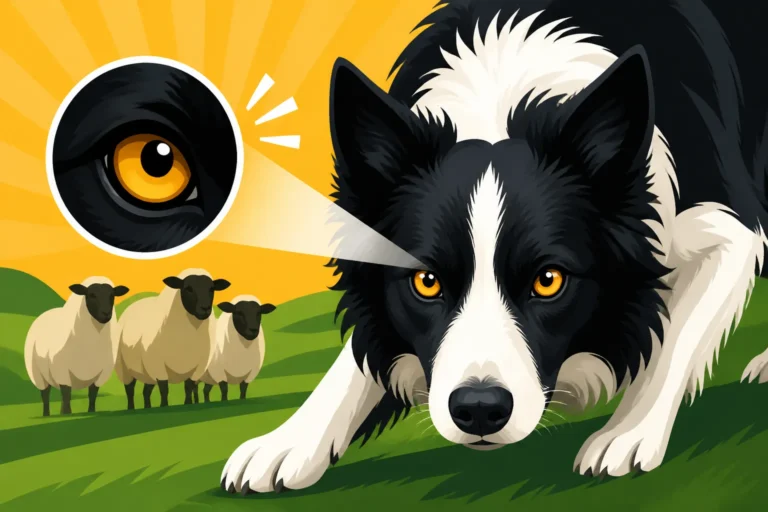
When your Border Collie is confident and consistent with their directional commands at a moderate distance, it's time for sheep. But not just any sheep, and not in a huge field. You need calm, "dog-broke" sheep (meaning they're used to dogs and won't panic easily) in a small, round pen. This controlled environment is key to success. Start by having your dog on a long line, allowing them to approach the sheep. Watch their natural reaction. Are they overly keen, trying to rush in? Or are they showing a calm, focused "eye"? The Border Collie stare, as discussed in The Border Collie Stare and Where It Comes From, is a powerful tool, but it needs to be channeled correctly.
The goal in this small pen is not a perfect outrun, but for your dog to learn to move behind the sheep and bring them calmly to you, even if it's just a small, tight circle. Use your "come bye" and "away to me" commands. If your dog gets too close or tries to grab, a quick, firm correction with the line and a "lie down" can reset them. You are teaching them that pressure from behind moves the sheep, and that the straight line of approach is not allowed. Many trainers find structured programs helpful here. For instance, BAXTER & Bella offers online resources and training support that can guide you through these initial, delicate stages, helping you interpret your dog's subtle cues and refine your own handling.
Expanding the Outrun in Larger Spaces
Once your dog is consistently and calmly moving the sheep in the small pen, it's time to gradually increase the size of the working area. This could be a slightly larger pen, or even a corner of a field. The principles remain the same: calm sheep, long line (initially), and clear, consistent commands. The outrun itself will naturally start to widen as the space increases. Instead of just sending your dog around the sheep, start by positioning yourself in the middle of a small flock, then send your dog out wider to collect them.
The crucial element here is teaching your dog to judge distance and read the stock. They need to learn how far out to go to get behind the sheep without spooking them, and then how to approach them at the correct pace to gather them without scattering. This is where you might start incorporating the "walk up" command, or just encouraging a steady, controlled approach. If your dog rushes, bring them back in, use a "lie down," and try again. Precision over speed is paramount. It’s a delicate balance, and Working an Epileptic Border Collie on Stock shows that even dogs with certain challenges can excel, provided the training is adapted and patient. You'll notice subtle improvements in their natural "feel" for the sheep, which is the hallmark of a truly talented working dog.
Refining the Sweep: Honing the Angle and Pace
As your Border Collie gains confidence and experience in larger spaces, you can start to refine the sweep of their outrun. The ideal outrun brings the dog in a perfect arc, directly behind the sheep, allowing them to "lift" the sheep (start them moving towards you) smoothly. This isn't always easy; sometimes dogs will overshoot, undershoot, or cut in too sharply. This is where your commands become even more critical. If they are undershooting, use "come bye" or "away to me" to send them wider. If they are overshooting, a "lie down" can bring them to a halt, allowing them to regroup and you to reposition them mentally.
This stage often involves letting go of the long line and trusting your dog's judgment more, while still being ready with vocal commands. You might find you need to refine their "stop" command at distance. Getting a Border Collie to Stop at Two Hundred Yards is an advanced skill that is built upon these foundational outrun principles. Remember, the goal is for the sheep to feel the dog's presence from behind, not from an aggressive, direct charge. This is a subtle dance of pressure and release, where the dog learns to control the flock with their presence and movement, not just their speed.
Common Challenges and Troubleshooting Your Border Collie's Outrun
Building an outrun is rarely a straight line of success. There will be setbacks, frustrations, and moments when you feel like you're going backward. Understanding these common pitfalls can help you navigate them more effectively.
The Dog That Rushes or Circles Too Tight
This is perhaps the most common issue. Your Border Collie is keen, maybe a little too keen, and instead of a wide arc, they bolt straight at the sheep or hug them too closely, causing the sheep to run in a panic. The root of this often lies in a lack of understanding of the purpose of the outrun: to gather, not to chase. To correct this, go back to basics. Reinforce "lie down" at distance away from sheep. When you reintroduce sheep, always use a long line. If they rush, immediately say "lie down" or "easy" and stop their forward momentum. Then, gently guide them wider with the line while giving the appropriate directional command. Patience is key. You're teaching them that calmness and a wide arc get them what they want (to work the sheep), while rushing ends the interaction. It's also important to ensure your dog is getting sufficient appropriate outlets for their energy and mental stimulation outside of herding. Exercise, Work and What Actually Settles a Border Collie highlights the difference between physical exhaustion and mental fulfillment.
The Dog That Refuses to Go Wide or Breaks Contact
On the other end of the spectrum, you might have a dog that just won't go wide, or perhaps they start wide but then lose interest or break contact with the sheep. For the dog that won't go wide, revisit your directional commands on a dummy object in a large, open space without sheep. Use strong encouragement and high-value rewards for any attempt to go wider. Sometimes, working with a second person can help, with one person "holding" the dog while the other moves to the desired position to call the dog.
For the dog that breaks contact, it could be a confidence issue, or they might not understand their job. Ensure your stock is very calm and not intimidating. Build their confidence by letting them have easy successes in a small pen, even if it's just moving one or two sheep a short distance. Make sure you are using clear, encouraging commands. Sometimes, the issue isn't a lack of drive, but a lack of clarity in your commands, or perhaps your dog isn't getting enough mental stimulation from Scentwork for a Border Collie Between Trial Seasons or other engaging activities. BAXTER & Bella's online training might offer specific modules for building drive and confidence, which can be invaluable here.
Overcoming Handler Frustration and Maintaining Consistency
Let's be real: training a Border Collie to outrun can be incredibly frustrating. There will be days when you feel like you've made no progress, or worse, that your dog is actively rebelling. It's crucial for you to maintain a calm, consistent demeanor. Your frustration will transmit to your dog, making them less likely to learn. Take breaks when you feel yourself getting stressed. Remember that consistency across all training, from basic obedience to advanced herding, is paramount for Whether a Border Collie Is Really the Smartest Breed to thrive. Every interaction, every command, builds their understanding of what you expect.
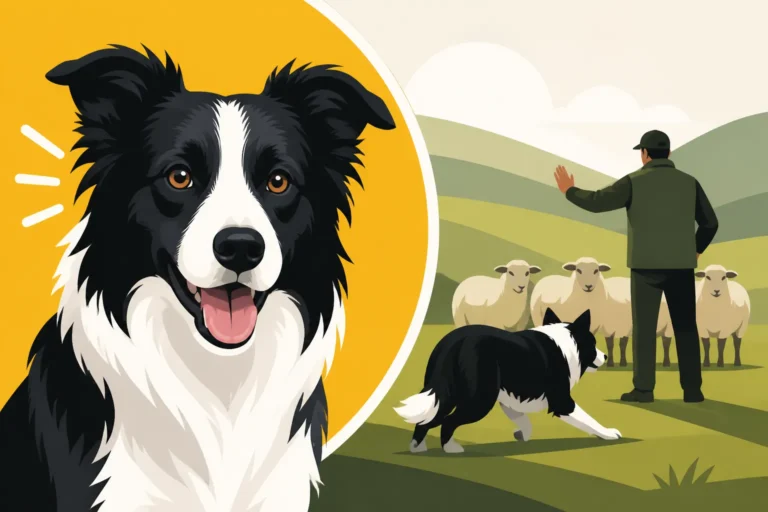
Seek out experienced mentors or enroll in local herding clinics. A good instructor can spot subtle issues in your handling or your dog's technique that you might miss. They can also provide valuable insights into your dog's temperament and how best to motivate them. There are many resources available, and places to ask for advice on where to find them. Remember, this isn't just about teaching a trick; it's about developing a profound working partnership. When your Border Collie finally executes that perfect, sweeping outrun, it's one of the most rewarding experiences you'll ever share.
Disclaimer
This article is for general informational purposes only and does not constitute professional advice. Laws, prices and regulations vary by location and change over time. Consult a qualified professional for guidance on your specific situation.