Whether a Smooth Border Collie Dries Faster
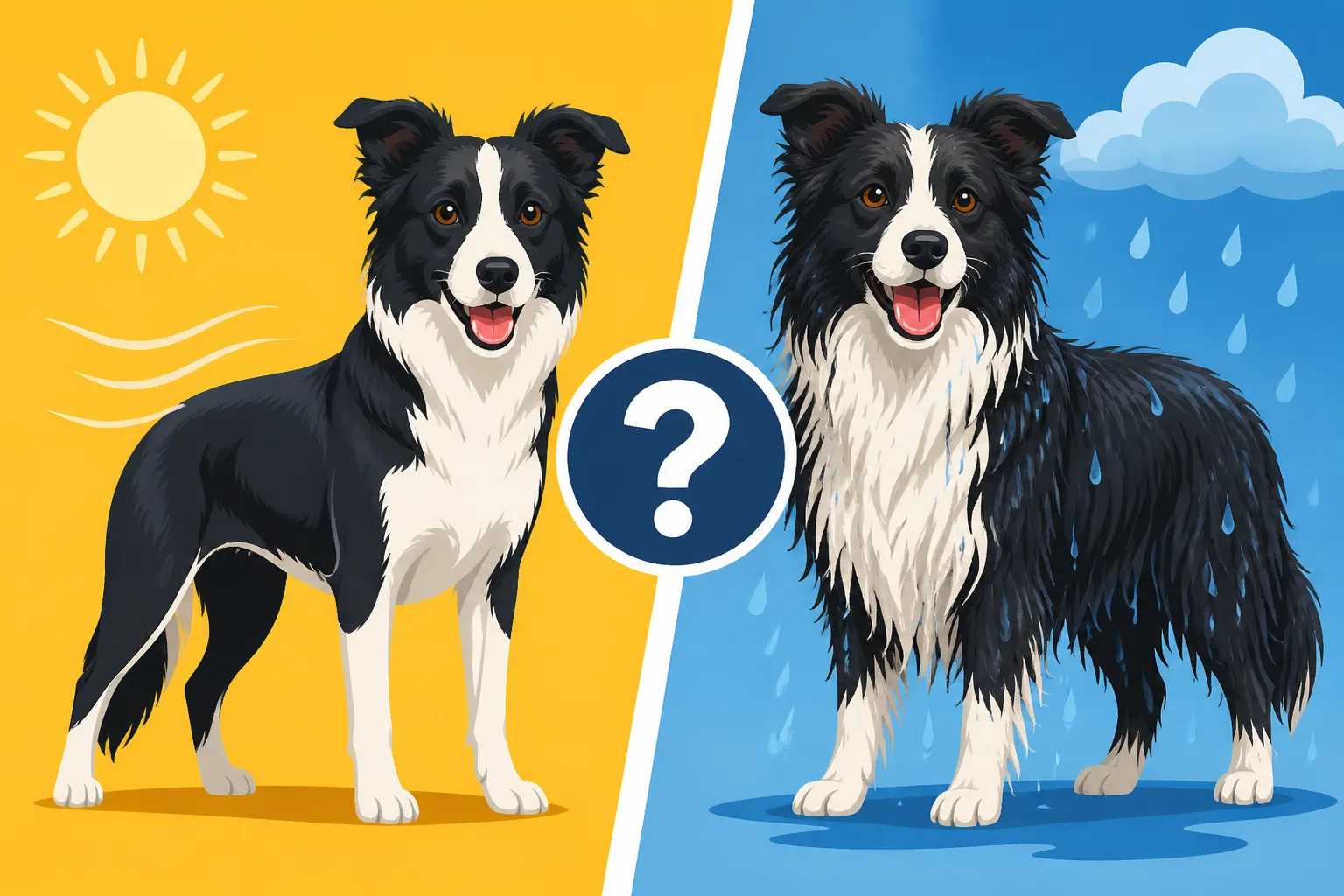
Every Border Collie owner has faced the aftermath of a particularly wet adventure – whether it's a dip in the lake, a romp through dewy fields, or a sudden downpour on a walk. The endless toweling and the damp dog smell can be a real frustration, and it often leaves us wondering if some Border Collies dry faster than others. This guide will explore the nuances of Border Collie coats and uncover whether a smooth-coated Border Collie truly has an edge when it comes to drying speed.
Understanding Border Collie Coats: More Than Just Length
When we talk about Border Collie coats, most people immediately think of the two main types: rough (long-haired) and smooth (short-haired). While the visual difference is obvious, the reality of what contributes to drying time goes a little deeper than just how long the hair is on the outside. Both coat types evolved to protect these incredible dogs from the harsh weather conditions of the Anglo-Scottish border, and that protection often means a dense, insulating structure that can hold onto water.
The Rough Coat: Feathering and Density
The rough-coated Border Collie, with its longer hair and distinctive feathering on the legs, chest, and tail, certainly looks like it would take longer to dry. And often, it does. The longer guard hairs and the profuse undercoat create a thick barrier that, while excellent for insulation against cold and wet weather, can trap a significant amount of moisture. Think of it like a thick wool sweater – it keeps you warm, but once it's soaked, it takes ages to dry. The feathering, in particular, acts like little sponges, holding onto water and mud, which adds to the drying challenge. Many owners find themselves spending a good chunk of time picking burrs and bits of trail out of this longer hair, especially after a run through tall grasses.
The density of the undercoat is a major factor here. A well-bred rough Border Collie often has a very thick, soft undercoat beneath the coarser outer guard hairs. This undercoat is what provides the primary insulation, but it's also incredibly absorbent. Water gets wicked down to the skin and then held there by this dense layer, slowing down evaporation considerably. It's not just the length of the topcoat; it's the sheer volume of hair close to the body. Regular grooming, especially stripping out the dead undercoat, can help manage this somewhat, but you'll never eliminate its water-retaining properties entirely. Brushing Out a Rough Border Collie's Feathering is essential for preventing mats, but also for removing loose hair that might otherwise trap more moisture.
The Smooth Coat: Deceptive Appearance
Conversely, the smooth-coated Border Collie often gets a reputation for being the "easy keeper" when it comes to grooming and drying. It's true that they don't have the long feathering to contend with, nor the endless burrs to comb out, and visually, their shorter hair seems like it would shed water much more readily. However, this appearance can be quite deceptive.
While their outer guard hairs are shorter, smooth-coated Border Collies still possess a double coat, complete with a dense, insulating undercoat – sometimes just as dense as their rough-coated counterparts, just under a shorter top layer. This undercoat can be incredibly effective at holding water close to the skin. So, while the water might not drip off them as much, or they might not look as drenched, the moisture is still very much present, just hidden closer to the body. This is why it's easy to underestimate how damp a smooth Border Collie still is, even when they appear superficially dry. How a Smooth Border Collie Differs to Groom often focuses on managing shedding rather than detangling. You might assume Whether a Smooth Border Collie Sheds Less, but often, it's just shorter hairs you're finding!
The Science of Drying: Factors Beyond Coat Length
Drying isn't just about surface area; it's about evaporation, air circulation, and the thermal properties of the coat. While coat length plays a role, several other factors influence how quickly any Border Collie, rough or smooth, will dry.
Undercoat Density and Water Absorption
As mentioned, the undercoat is the real MVP (or villain, depending on your perspective) when it comes to holding water. This soft, downy hair is designed to trap air for insulation, but it also traps water with remarkable efficiency. Whether your Border Collie is rough or smooth, if they have a very thick, plush undercoat, water will penetrate deep and be held against the skin. This significantly slows down the natural evaporation process because the moisture is trapped and air can't circulate effectively to wick it away.
Imagine trying to dry a sponge versus a dishcloth. The sponge, with its many tiny pores, holds water much more tenaciously than a flat cloth. A dense undercoat acts similarly, creating a complex network of fibers that absorb and hold moisture. This is why simply towel-drying the outer layer of a heavily undercoated Border Collie often leaves them still profoundly damp underneath. It takes concerted effort to get Getting Water Through a Border Collie's Undercoat to allow for full drying.
Airflow and Evaporation
Evaporation is the primary way moisture leaves a coat. For evaporation to happen efficiently, there needs to be good airflow. This is where both coat types can face challenges. A very dense coat, regardless of length, can create a barrier that prevents air from reaching the wet skin and undercoat. This creates a humid microclimate right next to the dog's body, which slows evaporation to a crawl.
Consider a Border Collie after a swim. If they're left in a crate or a small room with no air movement, they'll stay damp for a much longer time than if they're allowed to air dry in a breezy outdoor space or with the help of fans. The constant movement of air helps carry away the water vapor, allowing more liquid water to evaporate. Without good airflow, a dense undercoat can feel like a wet blanket, preventing the natural drying process from occurring efficiently. This is why professional groomers often use high-velocity dryers; they don't just blow the water off, they force air through the coat to aid evaporation.
| Coat Type | Visual Length | Undercoat Density | Perceived Drying Speed | Actual Drying Factor | Common Misconception |
|---|---|---|---|---|---|
| Rough | Long | Moderate to High | Slow | Undercoat density & feathering trap water | Longer hair alone is the problem |
| Smooth | Short | Moderate to High | Moderate to Fast | Undercoat density traps water close to body | Short hair means quick dry |
Practical Drying Strategies for Both Coat Types
Regardless of whether your Border Collie is rough or smooth, having an effective drying strategy is crucial, not just for convenience, but for their overall health. Prolonged dampness can lead to skin issues, and nobody wants that for their active companion.
Towel Drying Techniques
Standard towel drying is often the first line of defense, and with the right technique and tools, you can make a significant difference. Don't just rub vigorously on the surface; this can tangle longer coats and just push water around on shorter ones. Instead, try to blot and squeeze the water out. Use highly absorbent microfiber towels – they are a game-changer compared to regular bath towels. Many brands available on Chewy or Amazon specialize in super-absorbent pet towels designed to wick away more moisture quickly.
For rough coats, focus on squeezing water from the feathering on legs and tail. For both types, press the towel firmly against the body, trying to absorb water from the undercoat. You might go through several towels for a truly drenched dog. After the initial towel-drying, allow your dog to shake vigorously outside (if possible!) to dislodge even more water before coming inside.
Using Forced-Air Dryers
For serious drying, especially after a bath or a full immersion in water, a forced-air dryer (also known as a high-velocity dryer or pet blaster) is incredibly effective. These are not like human hair dryers; they use powerful, cool or lukewarm air (never hot!) to literally blow the water off and out of the coat, drying from the skin out. They significantly cut down drying time and are invaluable for getting the undercoat completely dry. This is particularly important because leaving the undercoat damp can lead to skin irritation or bacterial growth, especially in warmer weather.
Investing in a good quality forced-air dryer, which you can find on Amazon or Chewy, can save you hours of drying time over the years. It's a fantastic tool for any Border Collie owner, allowing you to thoroughly dry even the densest coats. Introduce your dog to it gradually, making it a positive experience with treats, as the noise and sensation can be intense initially. Getting your Border Collie used to this early on will make future drying sessions much smoother.
Environmental Aids and Grooming Practices
Beyond direct drying methods, you can leverage your environment and regular grooming to help your Border Collie dry faster. If your dog gets wet, ensure they have access to a well-ventilated area. A fan directed at them (but not so strong that it causes discomfort) can significantly speed up air drying. Some owners use a kennel fan attached to a crate for this purpose.
Regular grooming helps too. For rough-coated Border Collies, keeping their coat free of mats and excessive dead undercoat allows for better air circulation. The Two Weeks a Border Collie Blows Its Coat is a time when diligent brushing can prevent a lot of moisture retention. While you should never shave a Border Collie unless medically necessary – as their double coat protects them from both heat and cold – trimming excess hair between the paw pads can prevent ice balls in winter and help those areas dry faster. Tidying a Border Collie's Hocks and Feet Only can also aid in overall cleanliness and faster drying.
Why a Fast Dry Matters for Your Border Collie's Health
Beyond the inconvenience of a damp dog, ensuring your Border Collie dries quickly and thoroughly is vital for their health and well-being. Border Collies are active, and often find themselves in situations where they get thoroughly soaked, making proper drying a non-negotiable part of their care.
Preventing Skin Issues and Infections
One of the biggest concerns with a perpetually damp coat, especially a dense one, is the risk of skin infections. Moisture trapped close to the skin creates a warm, humid environment – a perfect breeding ground for bacteria and yeast. This can manifest as "hot spots," which are painful, red, oozing patches of skin that can appear seemingly overnight. Hot Spots on a Border Collie are not fun for anyone, and preventing them is always better than treating them.
Beyond hot spots, prolonged dampness can contribute to other dermatological issues, including fungal infections. These can cause itching, flaking, and hair loss. Border Collies, with their active lifestyles and tendency to be in and out of water or wet conditions, are particularly susceptible if not dried properly. Taking the time to get them completely dry is a fundamental step in maintaining healthy skin.
Avoiding Chilling and Discomfort
While Border Collies are generally hardy, especially working lines, a damp coat in cool or cold weather can lead to them becoming chilled. Their double coat is designed to keep them warm, but if it's soaking wet and the dog is no longer actively working to generate body heat, that insulation can quickly turn into a cold, heavy burden. Just as we wouldn't want to sit around in soaking wet clothes in chilly weather, our dogs don't either.
A chilled dog can be uncomfortable and potentially more susceptible to minor illnesses, though serious hypothermia is usually associated with extreme conditions. More commonly, it simply means your dog isn't as comfortable or able to rest effectively if they're shivering or constantly feeling damp. Whether a Border Collie Chills Standing Between Runs is a real consideration, especially during trials or long working days when they might get wet and then have a period of inactivity. Being mindful of their comfort and ensuring a thorough dry is a key part of responsible ownership.
Maintaining Coat Health
Believe it or not, allowing a coat to remain wet for extended periods can also impact its overall health and appearance. The constant dampness can strip natural oils, leading to a duller, coarser coat that is more prone to matting and breakage. It also makes the dog more likely to develop that distinctive "wet dog" smell, which is caused by bacteria and yeast thriving in the damp environment.
A healthy coat is a clean, dry coat. Proper drying helps to keep the fur soft, shiny, and resilient. If you're dealing with issues like Sensitive Skin in a Border Collie or general coat dullness, evaluate your drying routines. Sometimes, the simplest solutions, like more thorough drying, can make a big difference in improving skin and coat condition. Consider a nourishing shampoo, too, such as Shampoo That Does Not Strip a Border Collie's Oils to protect their natural defenses.
In conclusion, while a smooth Border Collie might seem to dry faster due to its shorter outer coat, the presence and density of its undercoat are the true determining factors, making its drying time often comparable to a rough-coated Border Collie. Both types require diligent drying to maintain health and comfort.
Disclaimer
This article is for general informational purposes only and does not constitute professional advice. Laws, prices and regulations vary by location and change over time. Consult a qualified professional for guidance on your specific situation.