The 1873 Sheepdog Trial Before the Border Collie
Before the Border Collie became the widely recognized, incredibly intelligent breed we know today, there was a rich tapestry of working sheepdogs across the British Isles. Many people might think the breed just appeared fully formed, but its origins are much more nuanced, rooted in the practical needs of shepherds and culminating in pivotal events that shaped its very essence. This guide will walk you through the landscape of sheepdog work before the official "Border Collie" existed, focusing on the seminal 1873 sheepdog trial in Bala, Wales, and how such events laid the groundwork for the breed's eventual definition and global fame.
The Untamed Landscape of Early "Collies"
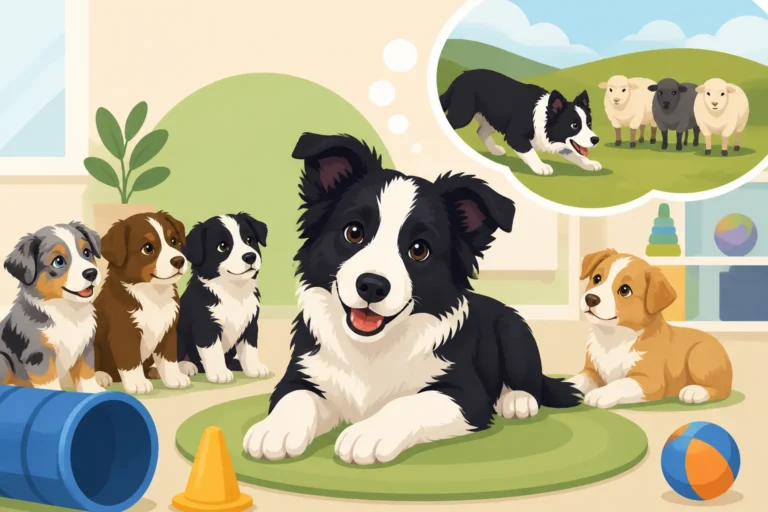
Imagine the hills and valleys of Great Britain centuries ago, long before standardized breeds and fancy paperwork. Shepherds, often isolated and self-sufficient, developed dogs purely for utility. They weren't breeding for a specific look or a kennel club standard; they were breeding for survival, for dogs that could help them manage vast flocks of sheep in unforgiving terrain. This meant a tremendous variety in what people called a "collie."
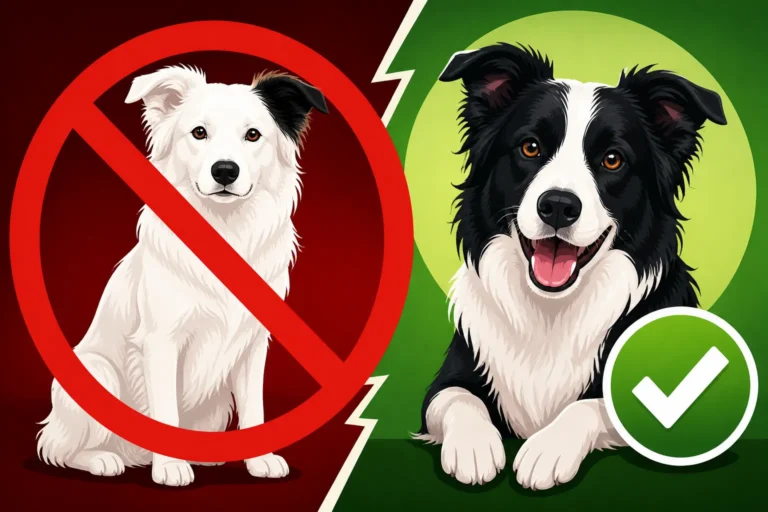
These early "collies" were a type, not a breed as we understand it now. They varied wildly in appearance, from shaggy, long-haired types to smoother-coated dogs, in every imaginable color. What united them was their innate instinct to gather and control livestock. Each region might have its own local strain, known for particular skills suited to their specific environment – perhaps a dog tough enough for the Scottish Highlands or agile enough for the Welsh mountains. There was no registry, no official name beyond generic terms like "shepherd's dog," "collie," or "coaly" (referring to their dark color). These dogs were simply tools, albeit cherished ones, essential to the shepherd's livelihood. They ate what the shepherd ate, slept where the shepherd slept, and worked from dawn till dusk, often with little formal training beyond what was needed to get the job done. The Anglo-Scottish Border and the First Collies goes into more detail about how the regional variations began to consolidate.
Regional Variations and Working Styles
Across the vast sheep-farming regions, different working styles naturally emerged. In some areas, dogs might be prized for their strong "eye" – that intense, hypnotic stare that could move sheep with minimal physical intervention. In others, a more robust, driving style was necessary, where dogs would use their presence and physical movement to push stubborn sheep. These styles weren't codified; they were simply passed down through generations of working dogs and their handlers. A shepherd in Northumberland might scoff at the methods of one from the Welsh valleys, each convinced their own dogs and techniques were superior.
The genetic pool was diverse, with dogs constantly being interbred based on observed working ability rather than any specific lineage. If a neighbor had a dog that worked sheep brilliantly, a shepherd would seek out a pup from that dog, regardless of its appearance. This focus on performance over aesthetics is a defining characteristic that would carry through to the formalization of the Border Collie. It highlights the raw, unrefined nature of sheepdog breeding at the time – a pure meritocracy of the field.
The Shepherd's Unsung Heroes
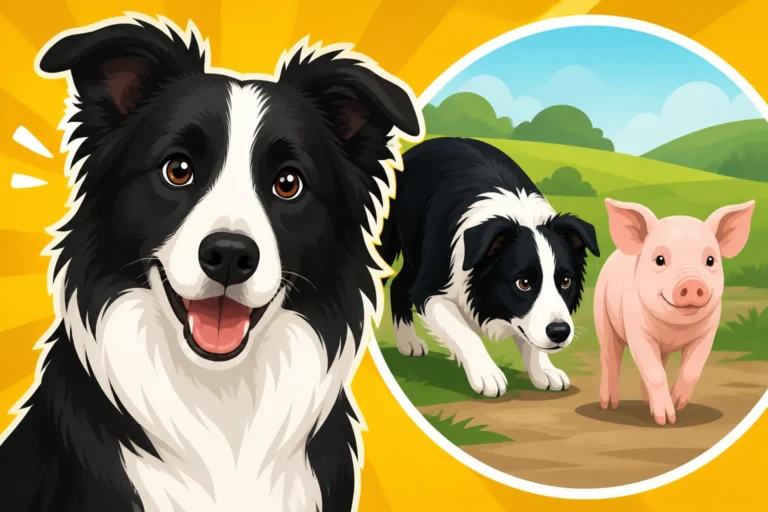
For generations, these dogs were the unsung heroes of the pastoral economy. They prevented sheep from straying, helped locate lost lambs, and moved entire flocks across vast distances. Without them, large-scale sheep farming would have been impossible. Their intelligence, stamina, and deep understanding of livestock behavior were legendary, even if not formally documented. Owners understood their dogs on an instinctual level, building partnerships forged in hard work and mutual reliance. Many of these dogs possessed incredible problem-solving skills, able to adapt to changing terrain or challenging sheep with remarkable ingenuity. They didn't have access to modern, high-energy kibble from a place like Chewy; their diets were often scraps, plain porridge, or whatever meager rations could be spared, yet their drive was undeniable.
The bond between a shepherd and his dog was profound, a working relationship built on trust and unspoken communication. The shepherd knew his dog's every nuance, and the dog, in turn, learned to read its handler's subtle cues, a true partnership of minds. What Shepherds on the Border Needed From a Dog further illustrates this crucial relationship.
The Formative 1873 Bala Trial: A Turning Point
While sheepdog trials had existed in various informal capacities before, the 1873 event in Bala, North Wales, stands out as a pivotal moment. It wasn't just another local competition; it was one of the earliest large-scale, widely publicized trials that began to truly standardize and elevate the concept of sheepdog work as a sport and a measure of breeding excellence.
Held on a grand scale, this trial attracted shepherds and their dogs from across the region and beyond. It was a spectacle, drawing not just local farmers but also members of the gentry and nascent agricultural societies keen to promote efficiency and quality in livestock management. The sheer number of entries and the rigorous nature of the tasks made it a benchmark for what a working sheepdog should be capable of.
The Rules of Engagement
Unlike informal gatherings, the Bala trial had a structured set of rules and a judging panel. Dogs were expected to perform specific tasks, demonstrating their ability to gather, drive, shed (separate specific sheep from the flock), and pen. Each element was observed, timed, and scored. This was revolutionary because it forced handlers and spectators alike to consider what "good" sheepdog work truly entailed and how it could be objectively measured.
Imagine the pressure on these dogs and their handlers. They weren't just moving sheep in their familiar pastures; they were doing it in front of a critical audience, under a spotlight, with the added challenge of unfamiliar sheep and territory. The stakes were high, not just for bragging rights, but for demonstrating the efficacy of their particular line of dogs and their training methods. It was a showcase of pure talent, grit, and the incredible instinct of these animals.
The Contenders and Their Performances
While specific detailed records of every dog's name and full lineage from that trial are often lost to time or confined to family lore, we know the event highlighted exceptional talent. Dogs were judged on their control, their "eye," their ability to handle difficult sheep, and their responsiveness to commands. The performances demonstrated a range of working styles, but it was often the dogs exhibiting a combination of calmness, precision, and intense focus that truly shone.
This trial was less about raw speed and more about intelligent, controlled work. It showcased dogs that could think for themselves but also defer to their handler's instructions, navigating the fine line between initiative and obedience. The performances here undoubtedly shaped the understanding of what optimal sheepdog performance looked like, influencing future breeding decisions and the very trajectory of what would become the Border Collie. The skills displayed by these dogs were testament to generations of dedicated, if informal, breeding for working prowess.
What Made This Trial Different?
The 1873 Bala trial wasn't just an event; it was a catalyst. It brought together the best working dogs and handlers of the era, creating a forum where excellence could be recognized and celebrated on a larger stage. This public display and rigorous judging process had a profound impact on how people perceived working collies and began to think about their future.
Standardization of Working Traits
Before Bala, "good" working ability was largely subjective, defined by individual shepherds on their own farms. The trial, with its standardized courses and judging criteria, began to establish objective benchmarks. It highlighted specific traits that were universally desirable: the ability to "lift" sheep cleanly (start them moving), perform a wide "outrun" (the arc a dog takes to gather sheep), maintain "balance" (positioning itself opposite the handler to keep the sheep moving in a straight line), and execute "shedding" and "penning" with precision.
This move towards standardization was crucial. It meant that instead of just looking for a dog that could herd, breeders started looking for dogs that excelled at all aspects of herding, performing them with grace and efficiency. This shifted the focus from mere functionality to refined skill, setting a higher bar for working dogs. Imagine trying to explain these complex maneuvers without the common language that trials helped to create! Even today, a dog needs to master these same skills, and modern handlers might even order specialized training books or equipment from a retailer like Chewy to refine their technique.
Promoting Breeding for Merit
One of the most significant impacts of trials like Bala was the promotion of breeding for working merit. When a dog performed exceptionally well in a public trial, its value as a sire or dam skyrocketed. Shepherds who previously might have bred any two working dogs now sought out offspring from trial winners, hoping to inherit those coveted traits. This began to concentrate the genes for superior working ability into specific lines.
This wasn't about creating a "pretty" dog; it was about creating a supremely functional one. The emphasis was squarely on performance. A dog's pedigree began to gain importance, not for its show ring success, but for its track record in the field. This selective pressure, favoring dogs with proven working intelligence and instinct, was arguably the single most important factor in the eventual emergence of the Border Collie as a distinct and highly capable breed. How Old Hemp Worked Differently From Other Dogs showcases a later, even more influential dog whose lineage would dominate.
Impact on the Future of Herding Dogs
The echoes of the 1873 Bala trial reverberated for decades, shaping the very definition of a working sheepdog and laying the foundation for what we now recognize as the Border Collie. It wasn't an isolated event but a significant stepping stone in a much larger evolutionary process.
Paving the Way for the ISDS
The enthusiasm generated by trials like Bala led directly to the formation of formal organizations. Just over three decades later, in 1906, the International Sheep Dog Society (ISDS) was founded. This society was created with the explicit purpose of promoting the breeding and training of working sheepdogs and holding competitive trials. It's safe to say that without the groundwork laid by events like the 1873 Bala trial, the impetus for such a society might have taken much longer to materialize.
The ISDS took the principles of judging and merit-based breeding to a new level. It established a studbook, where dogs were registered based on their proven working ability and their lineage of working dogs, rather than conformation to a physical standard. This was a radical departure from the kennel club model and cemented the Border Collie's identity as a working dog first and foremost. The International Sheep Dog Society, Founded 1906 gives a detailed account of this crucial organization.
The Rise of "Old Hemp" and the Border Collie Name
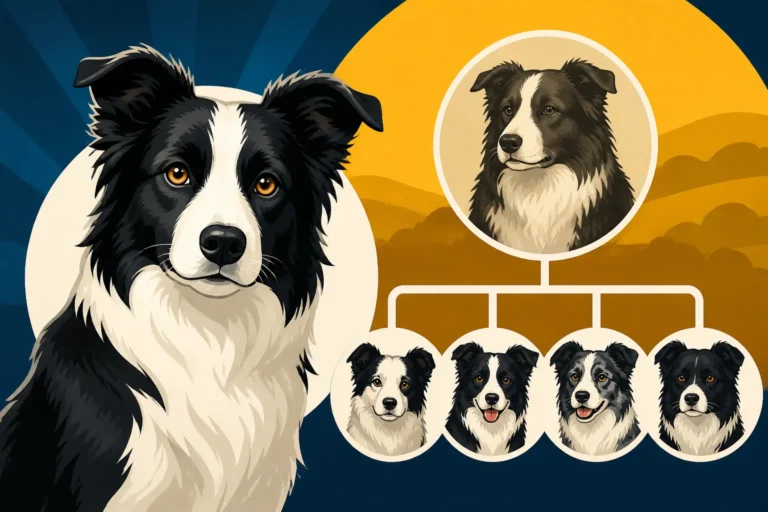
While the 1873 trial was pre-Border Collie, the lineage that would coalesce into the breed was already present. It was a mere twenty years later, in 1893, that a dog named Old Hemp was born. Old Hemp, with his quiet, intense "eye" and natural ability to gather sheep without aggression, revolutionized herding. He became an incredibly influential sire, with his working style becoming the gold standard. Most, if not all, modern Border Collies can trace their lineage back to Old Hemp.
It wasn't until 1915 that James Reid, the Secretary of the ISDS, officially used the term "Border Collie" to distinguish these highly specialized working sheepdogs from other "collie" types. This naming convention finally gave a distinct identity to the breed whose working style and characteristics had been honed through generations of selective breeding, heavily influenced by the criteria established in competitive trials. When the Term Border Collie Was First Used explains this naming origin in depth.
Trials as the Ultimate Test
From Bala onwards, sheepdog trials continued to evolve, becoming increasingly sophisticated and challenging. They became the ultimate proving ground for working dogs, a place where genetic potential met skilled training. The success of these trials demonstrated not only the incredible intelligence and trainability of these dogs but also the deep satisfaction that came from seeing a truly harmonious partnership between human and dog.
Today, Border Collies continue to excel in these trials, showcasing the same instincts and abilities that were valued centuries ago. They are also celebrated in many other dog sports like agility, flyball, and obedience, often dominating due to their intelligence and drive. Whether working sheep or flying over jumps, the legacy of trials like Bala lives on, reminding us that at the heart of the Border Collie lies an unparalleled desire to work and a profound partnership with its human.
| Trait | Early "Collie" (Pre-1873) | Emerging Border Collie (Post-1873 Trial Influence) |
|---|---|---|
| Primary Focus | Survival, practical farm utility, local needs. | Standardized working excellence, competitive success. |
| Appearance | Highly varied, little emphasis on consistent look. | More consistent athletic build, intense "eye," still prioritizing function over form. |
| Breeding Criteria | Observed working ability of parents/grandparents; informal. | Documented working lineage, trial success, specific desired working traits (e.g., "eye," outrun). |
| Training Methods | Passed down through generations, often harsh; instinct-driven. | More refined, emphasizing communication and partnership; still leveraging instinct. |
| Geographic Scope | Primarily local, regional strains. | Expanding, with dogs from successful lines sought out more widely. |
| Recognition | Generic "collie" or "shepherd's dog"; no formal breed. | Developing towards a distinct identity, eventually named "Border Collie" with ISDS registration. |
The journey from the diverse, regional "collies" to the distinct Border Collie breed is a testament to the power of selective breeding guided by specific, observable working criteria. Trials were, and remain, the crucible in which the Border Collie's extraordinary abilities were forged. Even for pet Border Collies, their profound intelligence and need for engagement are direct descendants of this working heritage, influencing everything from their dietary needs, which can be easily met through services like Chewy, to their demanding exercise requirements. The Working and Show Split in Border Collies is a fascinating look at how these foundational values diverge in modern times.
Disclaimer
This article is for general informational purposes only and does not constitute professional advice. Laws, prices and regulations vary by location and change over time. Consult a qualified professional for guidance on your specific situation.